
 Jade Reed
10 Actresses Who Lost Roles Because of Ageism in Hollywood

Hollywood has a long history of pushing actresses aside when they reach a certain age. While male actors continue landing lead roles well into their 60s and beyond, women often face career roadblocks once they hit 40. This unfair double standard has affected countless talented actresses who lost roles simply because executives wanted someone younger. Let’s look at ten high-profile cases where ageism clearly influenced casting decisions.
1. Nicole Kidman
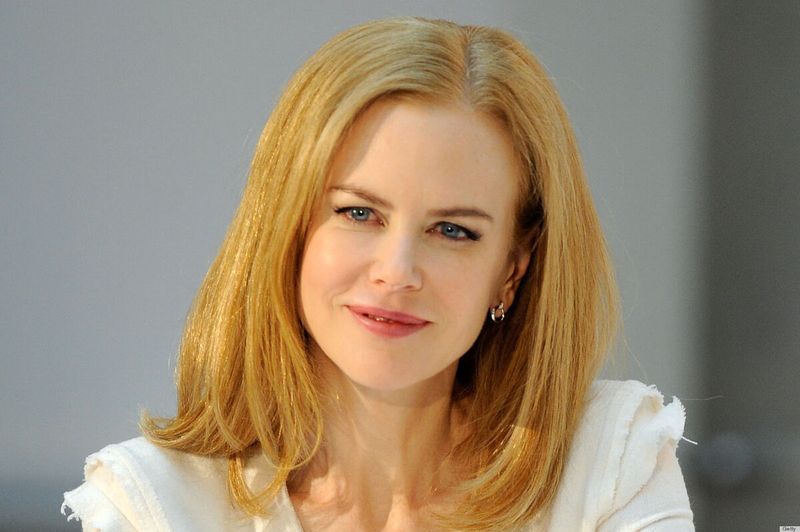
At 54, the Academy Award winner revealed being turned down for a comedy because she was “too old.” Despite her incredible range and critical acclaim, Kidman found herself battling Hollywood’s age bias. The director reportedly told her agent she wasn’t “the right age demographic.”
The Australian actress has become increasingly vocal about industry discrimination, noting that male counterparts rarely face similar rejection. During a 2015 Women in Film speech, she highlighted how actresses’ careers often peak in their 20s while men enjoy decades-long trajectories.
2. Geena Davis

The “Thelma & Louise” star experienced Hollywood’s cruel age cutoff firsthand. After turning 40, Davis watched as roles suddenly dried up despite her Oscar win and impressive filmography. One particularly painful incident involved a director who chose a much younger actress to play her character’s love interest.
This experience inspired Davis to establish the Geena Davis Institute on Gender in Media. Her research organization studies representation in entertainment and advocates for more diverse portrayals of women. She’s famously said that Hollywood seems to believe women’s “expiration date” arrives decades before men’s.
3. Olivia Wilde
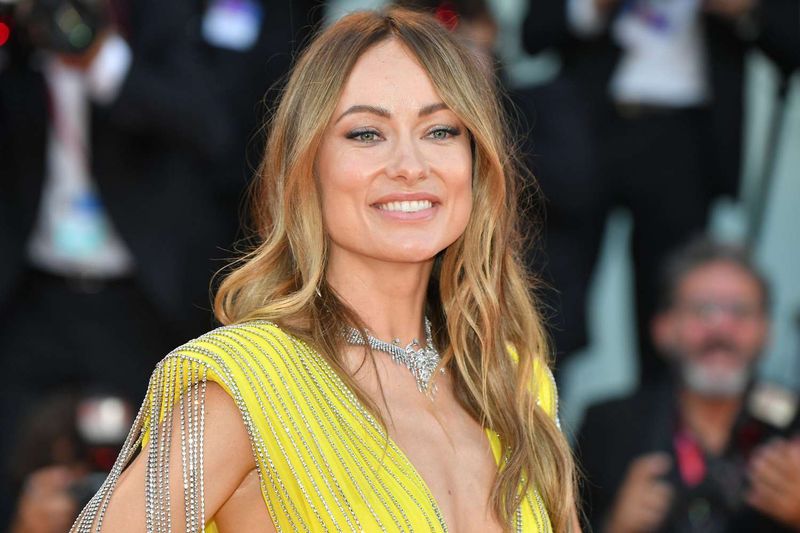
Even at just 38, Wilde has already confronted ageism’s harsh reality. The actress-turned-director shared being told she was “too old” to play Leonardo DiCaprio’s wife in “The Wolf of Wall Street” – despite being 29 at the time (and nine years younger than DiCaprio).
The role went to Margot Robbie, who was 22. This casting decision exemplifies Hollywood’s troubling pattern of pairing aging male stars with increasingly younger female leads. Wilde has since focused on directing, where she faces less age discrimination but still battles gender bias in a male-dominated field.
4. Reese Witherspoon

The “Legally Blonde” star found herself considered “too old” for roles in her mid-30s. During a 2020 interview, Witherspoon recalled meeting with a studio head who bluntly stated they weren’t interested in female-led films about women over 35, dismissing her ideas outright.
Rather than accepting this limitation, Witherspoon founded Hello Sunshine production company. Her mission? Creating opportunities for women of all ages to tell their stories. Under her leadership, the company has produced hit shows like “Big Little Lies” and “Little Fires Everywhere,” proving audiences absolutely want to see complex women over 35 on screen.
5. Emma Thompson
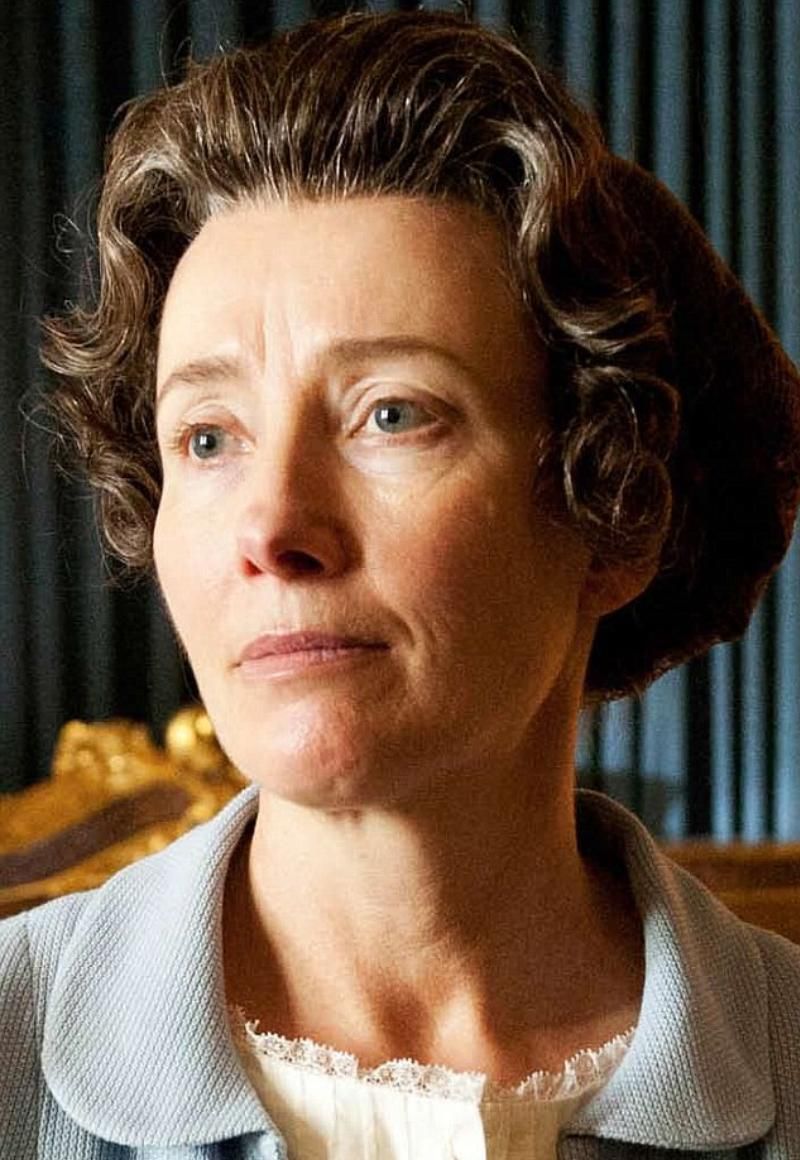
The British acting legend has been refreshingly candid about Hollywood’s age problem. Thompson revealed being told she was too old at 45 to play opposite a 57-year-old male lead. The studio claimed the pairing would be “unbelievable” despite the 12-year age difference being common in reverse scenarios.
Thompson calls this “completely acceptable” double standard “insane sexism.” She points out how male stars routinely act alongside women young enough to be their daughters. Despite facing this discrimination, Thompson continues securing powerful roles and using her platform to criticize industry age bias.
6. Catherine Zeta-Jones
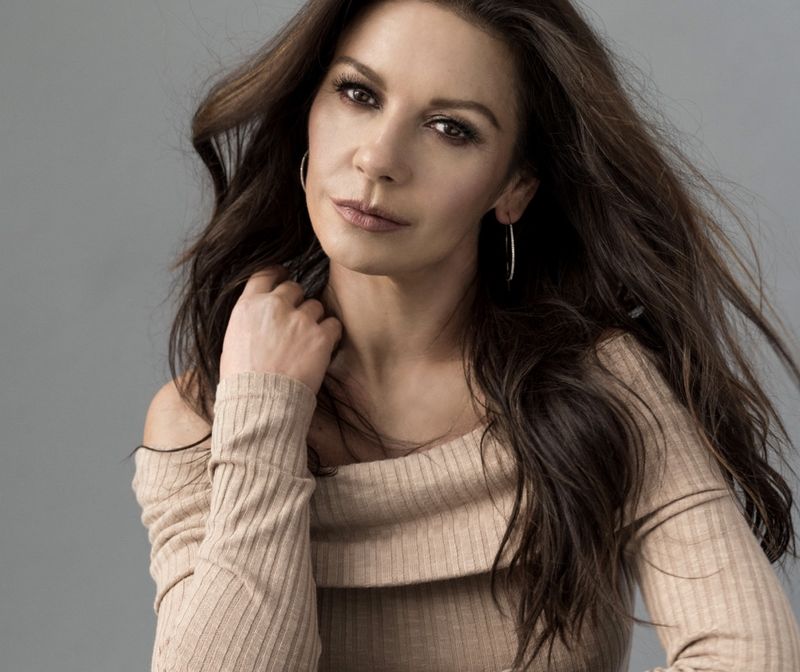
The Welsh actress experienced Hollywood’s age bias despite her Oscar-winning talent. Zeta-Jones has spoken about facing a “drought” of roles after turning 40, watching as younger actresses were cast in parts she would have previously been considered for.
What makes her situation particularly interesting is her marriage to Michael Douglas, who continues receiving leading roles despite being 25 years her senior. This personal connection highlights the industry’s different standards. Zeta-Jones has adapted by expanding into television and Broadway, finding new creative outlets while continuing to advocate for age equality.
7. Kathy Bates

The acclaimed actress faced Hollywood’s cruel age bias despite her Oscar win for “Misery.” Bates has been refreshingly honest about the industry’s treatment of older women, noting how roles diminished significantly as she aged. One particularly hurtful instance involved losing a part she was perfect for to a younger, less experienced actress.
Bates refused to disappear quietly. She reinvented her career through television, finding success in shows like “American Horror Story.” Her perseverance paid off with Emmy wins and continued recognition. Bates uses her platform to advocate for better representation of older women, emphasizing that talent doesn’t diminish with age.
8. Julia Sawalha

The British actress faced a particularly unusual form of ageism when she was replaced in the animated sequel “Chicken Run: Dawn of the Nugget.” Despite voicing Ginger in the original film, Sawalha was told her voice sounded “too old” – even though she’s only in her 50s.
Sawalha fought back publicly, recording voice tests proving she sounded virtually identical to her performance 20 years earlier. Nevertheless, studio executives replaced her with a younger actress. This example shows ageism extends beyond on-screen appearances to affect voice actors too. Sawalha’s experience sparked important conversations about discrimination in animation.
9. Zoe Saldana
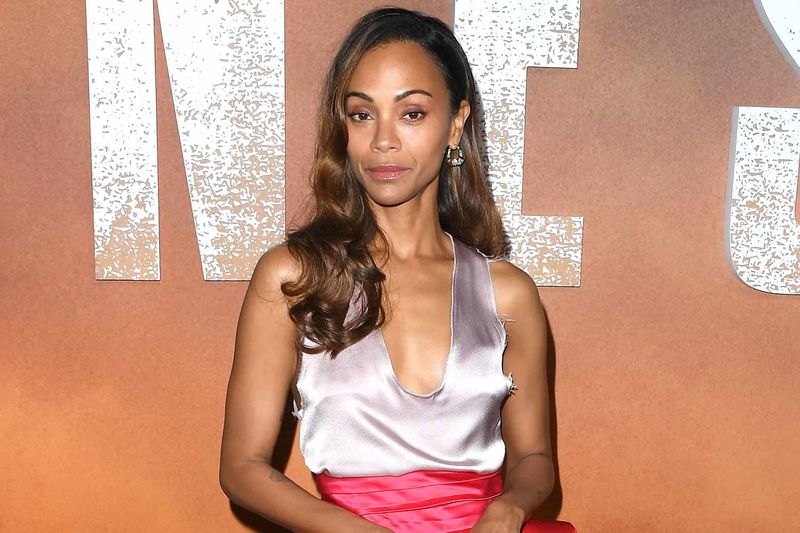
The “Guardians of the Galaxy” star encountered ageism surprisingly early. At just 35, Saldana was told she was “too old” to play the wife of a 55-year-old actor in a major film. The role went to an actress nearly 20 years younger than the male lead.
This experience opened Saldana’s eyes to Hollywood’s troubling patterns. She’s since become an outspoken critic of the industry’s double standards. While continuing her successful career in science fiction films where age bias seems less prevalent, Saldana uses interviews to highlight discrimination. Her experience demonstrates how ageism affects women of color particularly early in their careers.
10. Kathy Griffin
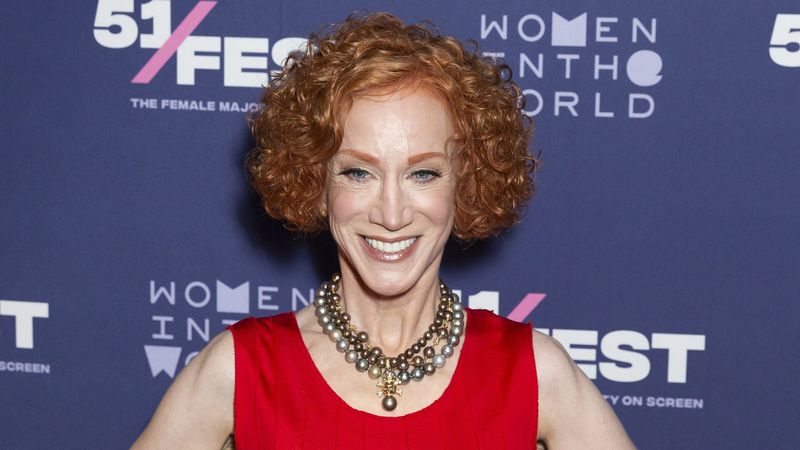
The comedian and actress has never shied away from discussing Hollywood’s age discrimination. Griffin revealed being passed over for multiple comedy roles in her 50s that went to actresses in their 30s. One producer bluntly told her they wanted “the same humor but in a younger package.”
Griffin’s experience highlights how ageism intersects with sexism in comedy particularly harshly. Male comedians like Jerry Seinfeld and Steve Martin continue headlining into their 70s while women face earlier expiration dates. Griffin responded by doubling down on stand-up tours and creating her own content, refusing to let industry gatekeepers define her career trajectory.
Comments
Loading…