
 Hailey Watson
Common Items We Use Daily That Won’t Be Around Much Longer

Technology moves fast, and so do our daily habits.
What seemed essential just a few years ago might soon become a dusty memory.
From the way we pay for groceries to how we light our homes, change is happening all around us, and some familiar items are quietly disappearing from our lives.
1. Plastic Shopping Bags
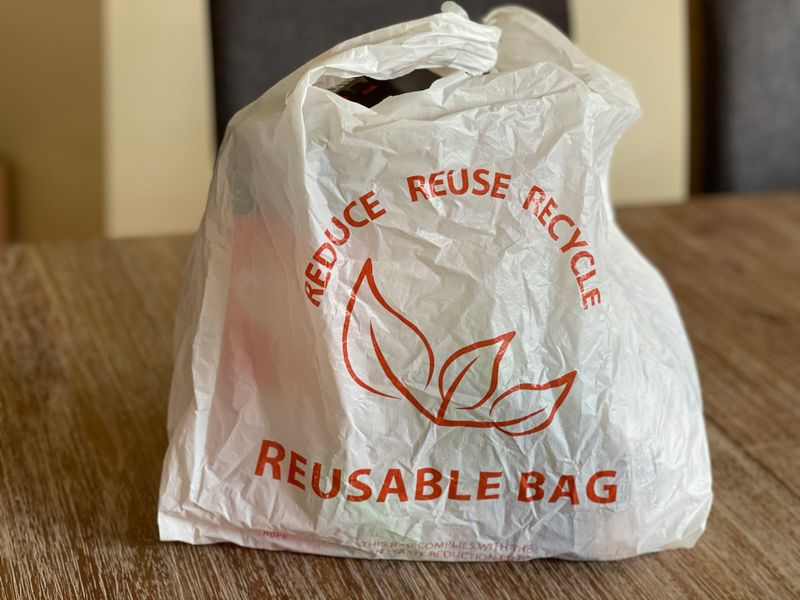
Grocery stores once handed these out by the dozens, but their days are numbered.
Cities and countries worldwide are banning single-use plastic bags because they harm oceans, wildlife, and landfills.
Reusable totes made from cloth or recycled materials are taking over.
Many stores now charge fees for plastic bags to encourage shoppers to bring their own.
Soon, seeing a plastic bag blowing down the street will be a rare sight.
The shift protects sea turtles, reduces pollution, and reminds us that small changes make a big difference for our planet.
2. Incandescent Light Bulbs
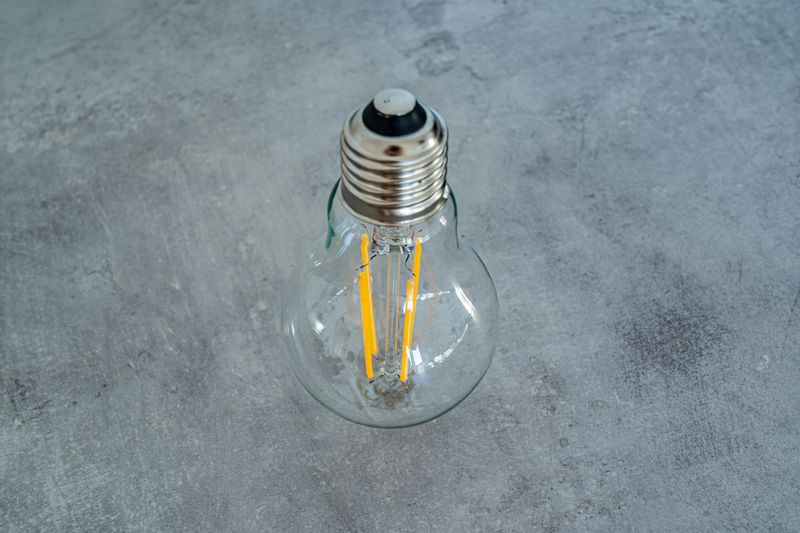
Remember those warm, glowing bulbs that got hot to the touch?
They are being replaced by cooler, longer-lasting options.
Incandescent bulbs waste most of their energy as heat instead of light, making them inefficient.
LED and CFL bulbs use far less electricity and last years longer.
Governments around the world have passed laws phasing out the old-fashioned bulbs to save energy and fight climate change.
Walking down the light bulb aisle today, you will mostly see LEDs.
The classic bulb that Thomas Edison perfected is fading into history, replaced by technology that is kinder to both your wallet and the environment.
3. Landline Phones
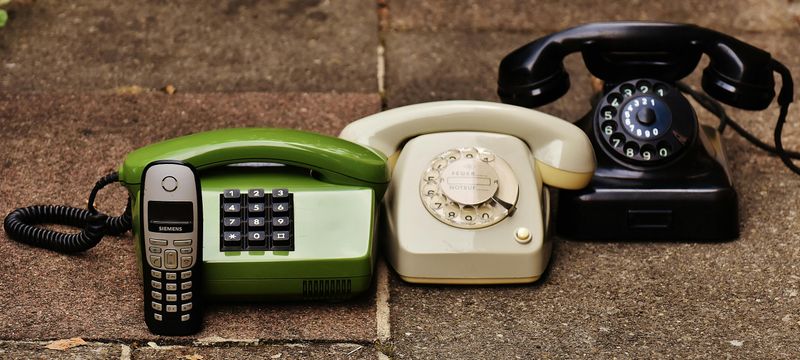
That corded phone mounted on the kitchen wall used to be the heart of family communication.
Now, most households rely entirely on smartphones.
Younger people have never even used a landline, and many apartments do not bother installing phone jacks anymore.
Cell phones offer texting, video calls, internet access, and portability that landlines cannot match.
Phone companies are investing less in maintaining old copper wire networks.
Within a decade, landlines might exist only in museums and grandparents’ homes.
The familiar ring of a wall phone is becoming a nostalgic sound from the past, replaced by personalized ringtones and vibrating pockets.
4. Paper Maps and Atlases
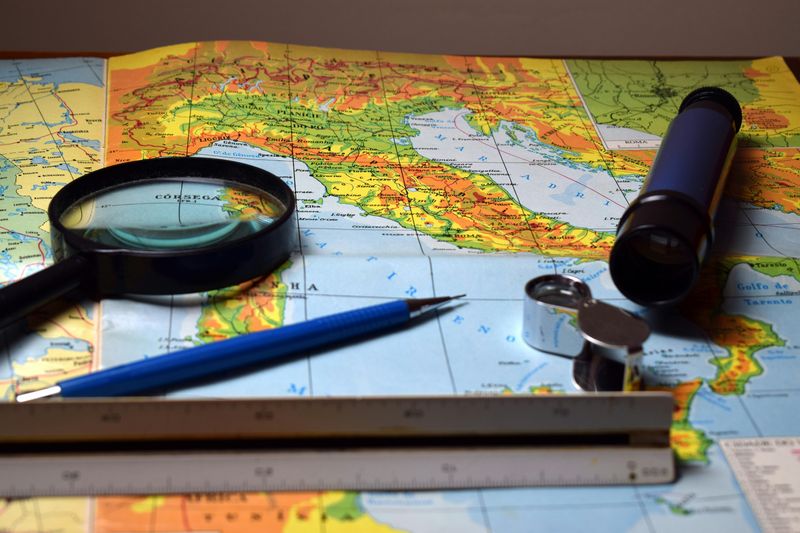
Unfolding a giant paper map across the car dashboard used to be the only way to navigate road trips.
GPS apps and smartphones have made those colorful, crinkly maps nearly obsolete.
Digital maps update in real time, show traffic conditions, and even suggest faster routes.
No more arguing about whether to turn left or right at the next intersection.
Atlases that once filled glove compartments are now collector’s items.
While some nostalgic travelers still appreciate the tactile experience of tracing routes with a finger, most people cannot imagine driving without their phone’s turn-by-turn directions guiding every mile.
5. Physical Cash and Coins

Carrying a bulky wallet stuffed with bills and jingling with coins is becoming less common every year.
Digital payment methods like credit cards, mobile wallets, and apps are taking over.
Many stores now prefer card payments because they are faster and safer.
Some businesses have gone completely cashless, refusing paper money altogether.
Countries like Sweden are leading the charge toward a cashless society.
While cash will not vanish overnight, your grandchildren might grow up never needing to count change or visit an ATM.
Money is increasingly just numbers on a screen rather than something you can hold.
6. DVD and Blu-ray Players
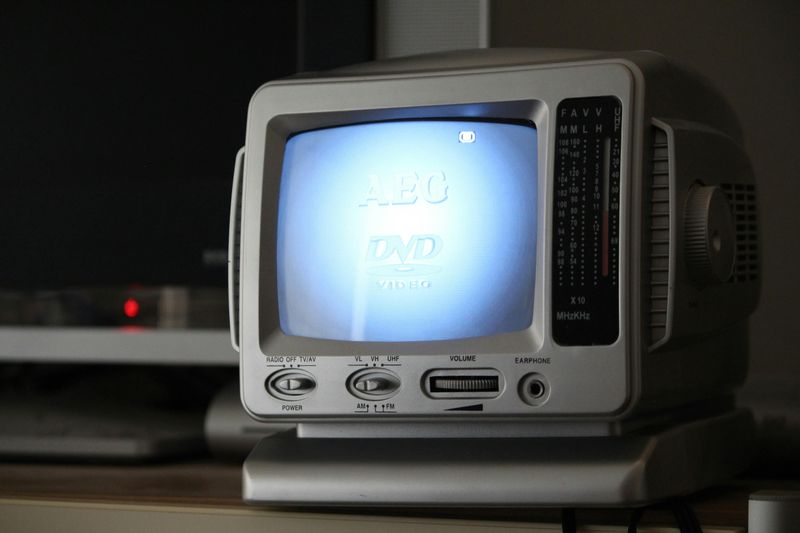
Shelves once groaned under the weight of DVD collections, but streaming services have changed everything.
Netflix, Disney+, and other platforms deliver thousands of movies instantly without needing physical discs.
New laptops often do not even include disc drives anymore.
Rental stores have closed, and even buying DVDs feels old-fashioned.
Blu-ray offered better quality, but it arrived just as streaming took off.
Within a few years, DVD players will join VCRs in the technology graveyard.
The convenience of clicking play without getting off the couch has won, leaving disc collections as relics of entertainment history.
7. Printed Newspapers
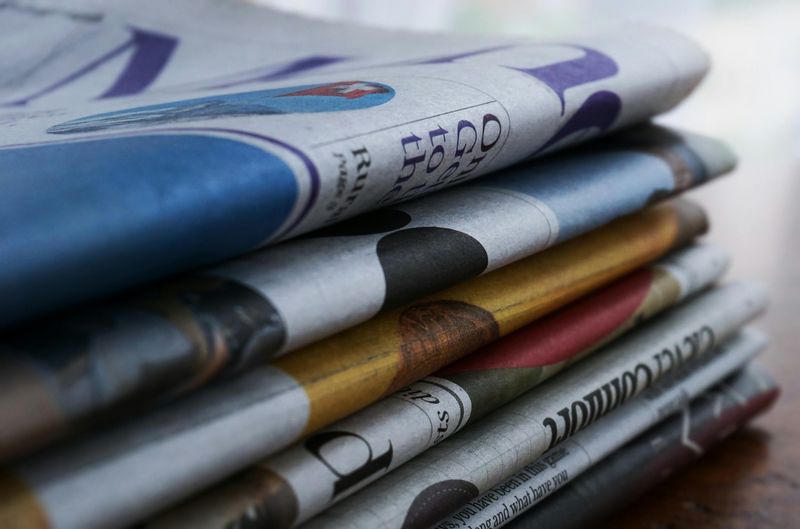
Morning coffee paired with a rustling newspaper was once a daily ritual for millions.
Today, most people get their news from websites, apps, and social media feeds.
Newspapers are expensive to print and deliver, and advertising revenue has shifted online.
Many famous papers have shut down their print editions entirely or reduced publication to just a few days weekly.
Younger generations rarely read physical newspapers at all.
The smell of fresh ink and the feel of newsprint on your fingers are fading experiences.
While journalism continues online, the classic newspaper delivered to your doorstep is becoming history.
8. Alarm Clocks

Bedside alarm clocks with glowing red numbers and annoying buzzer sounds were bedroom staples for decades.
Smartphones have made them nearly unnecessary.
Your phone can wake you with any song, vibration, or sound you choose.
It also serves as a flashlight, weather checker, and late-night entertainment device.
Standalone alarm clocks are disappearing from stores and nightstands.
Some people still prefer them to avoid phone distractions before bed, but they are becoming specialty items rather than essentials.
The classic alarm clock is joining the list of single-purpose gadgets replaced by multitasking smartphones that do everything in one device.
9. USB Flash Drives

Those tiny storage devices dangling from keychains were once essential for moving files between computers.
Cloud storage services like Google Drive, Dropbox, and iCloud have made them far less necessary.
Uploading files to the cloud lets you access them from any device, anywhere.
No more worrying about losing a flash drive or forgetting it at home.
Schools and offices increasingly rely on cloud sharing rather than passing around USB sticks.
Flash drives are not gone yet, but their usefulness shrinks every year.
Soon, explaining what a flash drive is will feel like describing floppy disks to someone who has only known wireless file sharing.
10. Printed Receipts
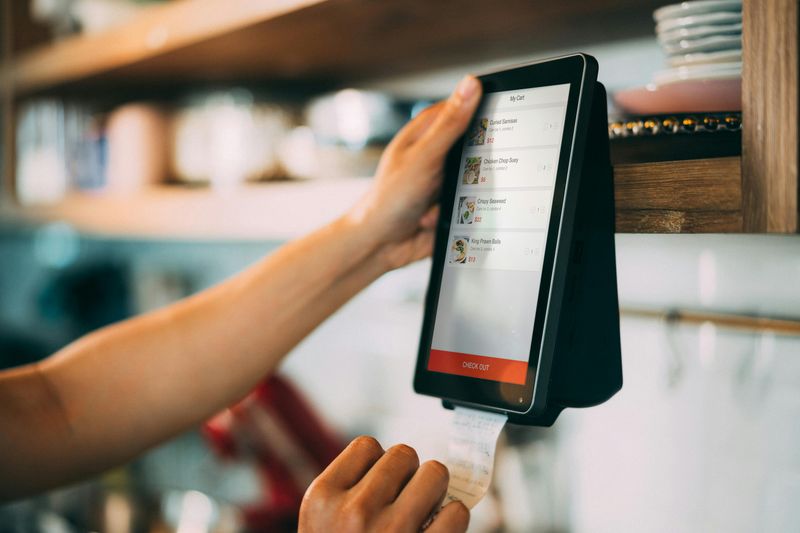
Cashiers have handed out paper receipts for generations, but digital receipts are taking over.
Stores now email or text receipts directly to customers, reducing paper waste.
Digital receipts are easier to organize, search, and store for returns or warranty claims.
No more digging through crumpled receipts in your wallet or purse.
Environmental concerns are pushing businesses to go paperless.
Many stores ask if you want a printed receipt, and more people are saying no. Within years, getting a paper receipt might seem as outdated as getting a handwritten bill.
Your phone will hold all your purchase records instead.
11. Wired Headphones and Earbuds
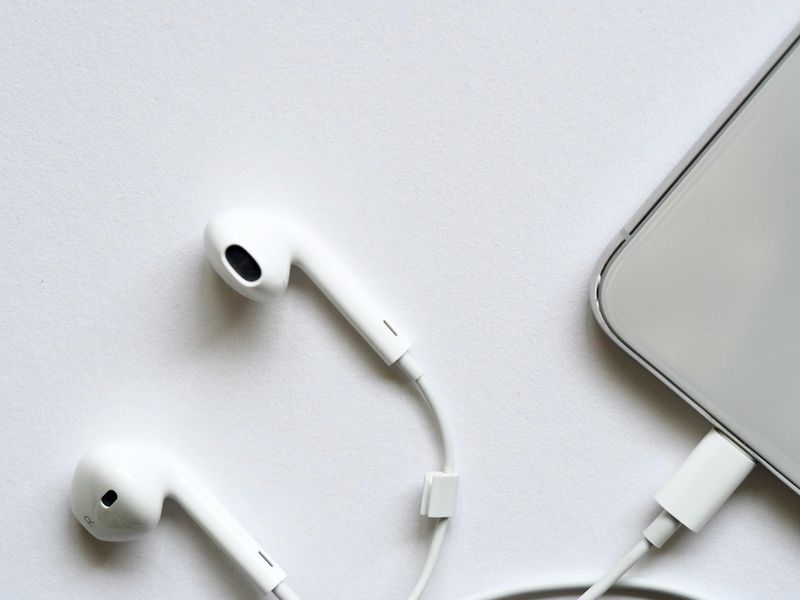
Tangled headphone cords were an annoying part of listening to music for decades.
Wireless Bluetooth earbuds have freed us from those knots forever.
AirPods and similar wireless earbuds offer convenience, good sound quality, and no cables to snag on doorknobs or zippers.
Phone manufacturers are even removing headphone jacks to push wireless technology.
Wired headphones still have fans who appreciate their reliability and sound quality, but they are becoming niche products.
Seeing someone with wired earbuds already looks a bit old-fashioned.
Soon, explaining why headphones once needed cords will sound as strange as describing rotary dial phones.
12. Desktop Computers
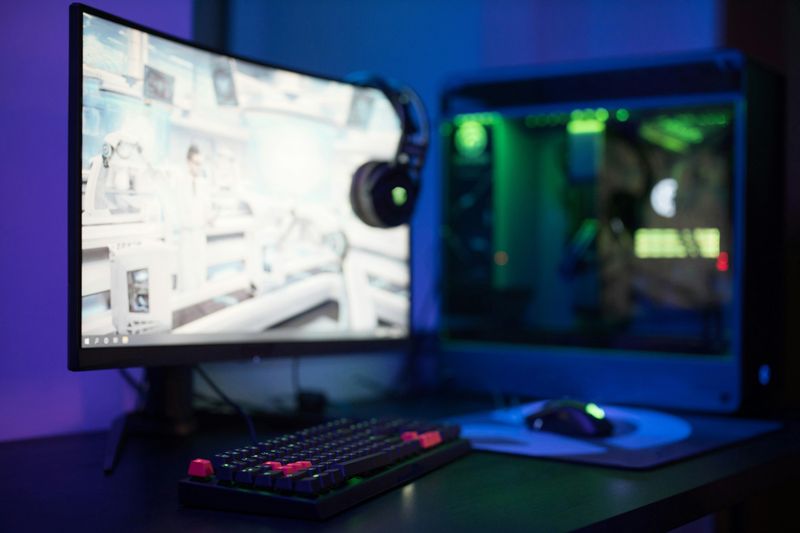
Big desktop towers with separate monitors, keyboards, and mice once dominated homes and offices.
Laptops, tablets, and smartphones are making them unnecessary for most people.
Portable devices offer enough power for everyday tasks like browsing, streaming, and working.
They take up less space and work anywhere, not just at a desk.
Gamers and professionals still use powerful desktops for specialized work, but average consumers are choosing mobility over raw power.
Computer stores now dedicate more space to laptops and tablets than desktops.
The classic desktop setup is becoming a specialist tool rather than the default way people access the internet and software.
13. Traditional Car Keys
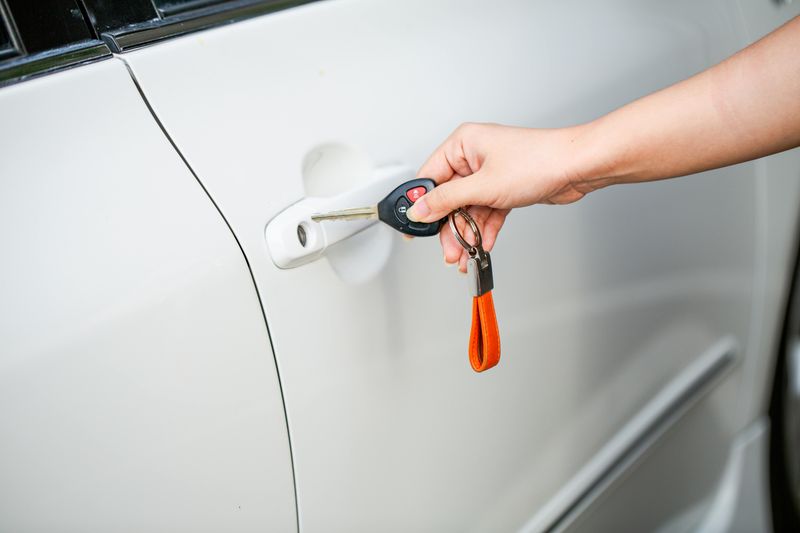
Metal keys that you physically insert and turn to start your car are disappearing.
Keyless entry systems and push-button ignitions are standard on most new vehicles.
Key fobs let you unlock doors from a distance and start engines with the press of a button.
Some cars even use smartphone apps as keys.
Traditional keys will soon seem as outdated as hand-crank car starters from a century ago.
Losing your car key used to mean getting stranded, but modern systems offer more security and convenience.
Future drivers might never experience the satisfying click of turning a metal key in an ignition, as cars become smarter and more connected.
Comments
Loading…