
 Hailey Watson
Your Job Isn’t Worth This: 13 Side Effects of Working Too Much

Working nonstop feels heroic until your body sends the bill.
You notice tiny cracks at first: a late bedtime here, a skipped meal there, a weekend that never restores you.
Then bigger things slide, and suddenly life feels smaller than your to-do list.
If any of this sounds uncomfortably familiar, keep reading for the wake-up call you actually need.
1. Your sleep gets wrecked (and never fully “catches up”)

Night stretches on while your brain runs sprint drills.
You fall asleep late, wake up too early, and pretend a weekend nap will erase the debt.
It never does, because chronic stress fractures your sleep architecture and steals the deep cycles that repair you.
Days blur as caffeine props up a tired nervous system already flooded with stress hormones.
You might crash on the couch, then jolt awake at 3 a.m., mind buzzing with imaginary emergencies.
Screens become pacifiers that keep you awake, even as you beg for rest.
Eventually, “tired” becomes your baseline and you stop noticing how far you’ve fallen.
Reaction time slows, mood frays, and everything feels heavier than it should.
Sleep is not a luxury here.
It is the foundation you are mining to keep the lights on at work, and the cave-in is coming.
2. Brain fog and dumb mistakes

Ever read the same sentence five times and still miss the point.
That is cognitive overload knocking politely, then kicking down the door.
When stress runs high, your prefrontal cortex gets crowded, and the details slip out the side door.
Simple words vanish mid-sentence.
Names you know hide in mental corners.
Spellcheck catches what your eyes simply skim past because focus is rationed and everything costs extra.
Then come the mistakes you never used to make.
Wrong attachment, wrong recipient, wrong date.
You are not suddenly incompetent.
You are under-resourced.
Brains need fuel, sleep, and downtime to consolidate information and make good decisions.
Reduce input, batch tasks, and build margins, and you will notice your mind clearing like a foggy morning lifting.
3. Constant irritability and a shorter fuse

Little things start feeling huge when your reserves are gone.
The slow elevator, the loud coworker, the dishwasher that was definitely not loaded right.
You snap at people you actually like, then hear yourself and feel the sting of guilt.
Irritability is a smoke alarm for unmet needs.
Hunger, sleep loss, and decision fatigue compress your tolerance until even mild friction sparks.
When everything is urgent, nothing gets empathy.
You can rebuild that fuse.
Eat earlier, not “whenever.” Protect a buffer between work and home, even if it is a ten-minute walk without headphones.
Name the triggers out loud so they stop owning you.
Small resets widen your window of tolerance, which means fewer apologies and more normal days.
4. Anxiety that follows you off the clock

Clocking out does not silence the mental pings.
Your body still expects the next request, the sudden fire, the surprise calendar invite.
Even free time feels tense because vigilance has become a habit.
That background hum shows up as tight breathing, racing thoughts, and checking your phone “just in case.” You plan imaginary conversations and pre-live disasters that never happen.
Rest becomes another task you think you are failing.
Starting small helps.
Mute nonessential notifications, then schedule a no-phone hour like an unbreakable meeting.
Pair it with something physical that anchors you in the present, like cooking or walking.
If anxiety stays high, a therapist can help retrain the alarm system.
There is nothing weak about needing backup when your nervous system has been on duty too long.
5. Burnout (the kind rest doesn’t fix in a weekend)

Motivation fades, then vanishes, and you are left going through motions you used to enjoy.
Tasks that were simple now feel mountainous.
Cynicism creeps in, and you start resenting everything within reach, including yourself.
Burnout is not a personal flaw.
It is a mismatch between demands and resources.
Too much load for too long, with too little control, support, or meaning, eventually empties the tank.
A single Saturday nap cannot refill what months have drained.
Repair requires structural change, not just bubble baths.
Reduce workload, redefine goals, or switch teams.
Ask for help early, because recovery length correlates with exposure time.
When energy finally returns, protect it like a rare plant.
Boundaries are not barriers.
They are irrigation lines that keep you alive.
6. Headaches, jaw clenching, and mystery body tension

Your body keeps the receipts even when your calendar says you are fine.
Tight shoulders, sore neck, and temple throb announce that you have been bracing for hours.
The jaw joins in, grinding quietly through meetings and traffic.
These aches are not random.
Stress changes breathing patterns, posture, and muscle activation.
Over time, you wear grooves into your tissues that whisper all day and yell at night.
Pain becomes part of the background music.
Gentle mobility, heat, and actual breaks help more than pushing harder.
Try micro-stretches between emails, soften the jaw on purpose, and drop your shoulders whenever you catch yourself hiking them.
If symptoms persist, see a professional to rule out other causes.
Either way, your body is not being dramatic.
It is sending useful diagnostics.
7. Digestive chaos

Stomach in knots is not just a metaphor.
Heartburn flares, cramps surprise you mid-call, and bathroom visits become unpredictable.
When cortisol stays high, your gut traffic lights blink the wrong colors.
Digestion prefers rest-and-digest mode, not constant alert.
Rushed lunches, late-night snacks, and skipped water sabotage a system that loves routine.
Some people get reflux, others get constipation or the sprinting kind of urgency.
Simple interventions matter.
Eat sitting down, slow your bites, and aim for regular mealtimes.
Go easy on ultra-caffeinated drinks and greasy grab-and-go options that add fuel to the fire.
If symptoms are severe, talk to a clinician, because chronic issues deserve real care.
Your gut is your second brain, and it has been trying to get a meeting on your calendar.
8. More colds and “why am I always sick?” infections

Every office bug seems to find you lately.
That is not random luck.
Chronic stress and poor sleep can dial down immune defenses so you catch whatever is making the rounds.
When recovery windows shrink, your body cannot rally.
Mild sniffles become week-long sagas, and you bounce from one lingering cough to the next.
It feels unfair because you are working hard, but biology does not accept hustle as currency.
Support the basics that actually move the needle.
Prioritize sleep, wash hands often, hydrate, and step outside for sunlight when you can.
Consider talking to a healthcare provider about vaccines and personalized prevention.
The goal is not perfection.
It is giving your immune system the conditions to do its job without begging.
9. Weight and appetite changes (in either direction)

Hunger cues get scrambled when stress runs the schedule.
Some days you forget to eat until 3 p.m., then inhale whatever is near.
Other days become a snack parade that starts innocently and ends with wrappers everywhere.
Cortisol and irregular meals can tilt weight in either direction.
You might lose interest in food or find yourself chasing quick comfort.
Neither response is a character flaw.
It is biology trying to balance a moving train.
Consistency helps.
Build anchor meals, keep easy protein and fiber on hand, and drink water before reaching for another coffee.
If weight changes feel alarming or persistent, check in with a clinician or dietitian for tailored support.
The point is not a perfect plate.
It is steady fuel that keeps your brain online and your mood steadier.
10. Relationship drift and social isolation

You cancel plans “just this once,” then again, then again.
Friends stop asking because no one likes being a placeholder.
Loneliness sneaks in even while your calendar looks packed.
Connection requires presence, not proximity to a screen.
When work devours evenings and weekends, the people who soften life get the scraps.
Eventually, you forget how good it feels to laugh without checking the time.
Rebuild with small, reliable rituals.
A standing walk, a Sunday call, a monthly dinner you protect like a deadline.
Tell friends the truth: you have been underwater and want back in.
Most relationships forgive effort.
They just need to see you show up.
11. Your body stops recovering from workouts (or you stop moving entirely)

Exercise starts feeling heavy in a way it did not before.
Weights stall, runs slow down, and soreness lingers longer than it should.
Sometimes movement stops altogether because the idea of changing clothes is too much.
Recovery needs sleep, calories, and low stress to rebuild.
Without them, you train on an empty battery and wonder why progress disappeared.
Overuse injuries sneak in when form falters under fatigue.
Dial back intensity and protect rest days like appointments.
Swap a max effort for a walk, mobility session, or light cycle.
Aim for consistency over heroics.
When you treat movement as care instead of punishment, you get the stress relief benefit back.
Your future self will be grateful you kept the lights on rather than burning them out.
12. Work becomes your identity

Ask what you like and the answer sounds like a resume.
Rest feels suspicious.
Productivity becomes a mirror you stand in front of to decide if you deserve kindness today.
When identity narrows to output, every setback feels existential.
Wins become short-lived because the goalposts sprint.
You feel indispensable at work, yet strangely replaceable as a person, which is a brutal mix.
Start reclaiming yourself in small slices.
Ten minutes for a hobby, one hour for a class, or a weekend afternoon offline.
Schedule joy with the same seriousness you schedule meetings.
You are allowed to be more than your title, and life will be bigger if you let it.
13. A scary health wake-up call
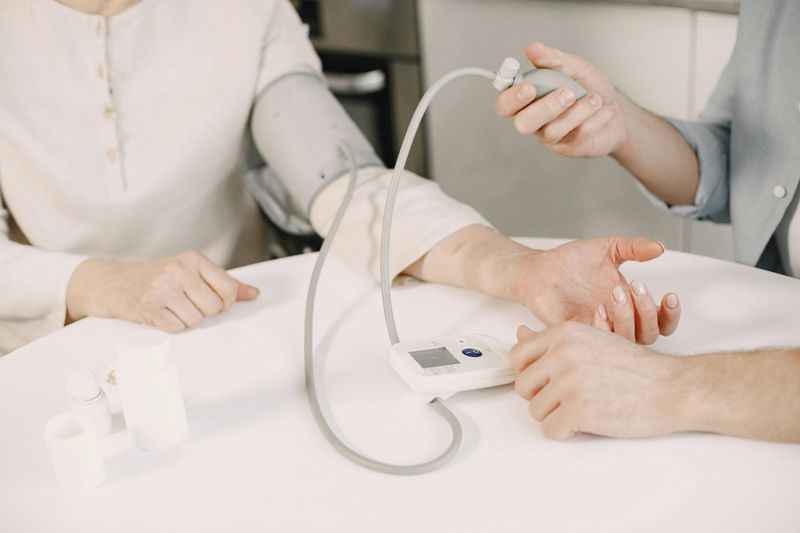
Sometimes the message arrives with sirens or a lab result you did not expect.
High blood pressure, chest pain, migraines, or something that finally forces a hard stop.
It feels surreal because you were just “busy,” not reckless.
Chronic stress compounds quietly, then announces itself loudly.
The risks climb for heart problems, metabolic issues, and mental health crises.
You are not weak for reaching a limit.
Bodies have limits, and yours is asking for different choices.
Take the call.
See the doctor, follow the plan, and change the inputs.
Ask for help at work or change the work if you must.
Your job can be replaced.
You cannot.
Let this be the moment you reroute toward a life that includes your health on purpose.
Comments
Loading…