
 Harper Hall
15 Jobs That Look Impressive but Pay Less Than You Think

Some jobs come with an instant “wow” factor.
You tell someone what you do, and they assume you’re doing great financially—because the title sounds elite, creative, or power-adjacent.
The reality is that plenty of impressive-sounding careers don’t pay the way people imagine, especially early on.
In many fields, the glamour is front-loaded, while the salary growth is slow, inconsistent, or dependent on connections, location, or years of experience.
That doesn’t mean these roles are “bad” jobs, and it definitely doesn’t mean they aren’t fulfilling.
It just means the paycheck can be a surprise if you’re choosing a path based on prestige alone.
Here are 15 jobs that look impressive on paper, but often pay less than you’d think.
1. Fashion Designer

On the surface, a career in clothing design sounds like runway shows, big-name brands, and an effortlessly chic lifestyle.
In reality, many designers start out earning modest wages while doing a lot of behind-the-scenes work that isn’t nearly as glamorous as people assume.
Entry-level roles may involve assisting senior designers, creating technical sketches, sourcing materials, and revising samples over and over until something is production-ready.
That’s before you factor in how competitive the industry is, especially in major fashion hubs where the cost of living is high.
Pay often rises with experience, but the leap can take years, and freelance designers may deal with irregular income and unpaid “exposure” opportunities.
The title sounds luxurious, but the early earnings often aren’t.
2. Event Planner

Planning high-end weddings, corporate galas, and influencer-worthy parties can make it look like you’re living in a world of champagne and velvet ropes.
The truth is that event work is intense, unpredictable, and often underpaid relative to the responsibility.
A planner may spend weeks coordinating vendors, managing budgets, calming stressed clients, and handling last-minute problems that could derail the entire day.
Many roles also include weekend work, long days on-site, and constant communication outside normal office hours.
In some markets, clients assume planning is “just organizing,” so they resist higher fees even when the workload is enormous.
Unless you’re running a successful business with premium clients, the pay can feel surprisingly average for a job that looks so polished.
3. Social Media Manager

Running a brand’s online presence sounds like a modern power job, especially when people imagine it’s all creative captions and trendy videos.
What most don’t see is how much strategy, analytics, customer service, and crisis management can be baked into the role.
Social media managers often juggle multiple platforms, create content calendars, handle comments and DMs, coordinate with design teams, and report performance metrics to leadership.
Even with all those responsibilities, many employers still treat the position like an entry-level marketing assistant and set salaries accordingly.
The work can also follow you home, because platforms don’t stop at 5 p.m.
Pay tends to improve with experience and specialization, but the early years can be far less lucrative than the title suggests.
4. Journalist / Reporter

Being the person who breaks stories and interviews interesting people sounds like a prestigious, important career, and in many ways it is.
The issue is that newsroom budgets have tightened for years, and that financial pressure shows up in salaries.
Many reporters start out earning modest pay while working long hours, covering stressful topics, and being expected to produce fast, accurate work under constant deadlines.
Depending on the beat, the job can also involve nights, weekends, travel, and unpredictable schedules.
In smaller markets, pay can be especially low, and even in larger cities the salary may not match the cost of living.
The role carries social credibility, but it often comes with a paycheck that surprises people who assume “media” equals money.
5. Nonprofit Program Coordinator

Working in the nonprofit world often sounds meaningful and impressive, because it signals that you’re doing something that matters.
Program coordinators usually carry a lot of responsibility, including organizing services, tracking outcomes, managing volunteers, coordinating events, and reporting results to donors or leadership.
The challenge is that many nonprofits operate on tight budgets and prioritize putting money directly into programs, which can limit staff salaries.
That means the person keeping everything running smoothly may earn less than someone with a similar workload in a corporate setting.
Burnout can also be common, because the needs are high and resources are limited.
The job looks admirable and mission-driven, but the pay often reflects an organization doing its best to stretch every dollar.
6. Museum Curator / Gallery Manager

A role in the arts can sound refined and high-status, especially when people picture quiet museums, elegant openings, and a life surrounded by culture.
The reality is that many institutions are underfunded, and that affects salaries for the people who keep exhibitions and collections functioning.
Curators and gallery managers handle a wide mix of tasks, including research, organizing shows, managing budgets, coordinating installations, working with artists, and handling public programming.
Competition is intense, and advanced degrees are often expected, which can add student debt to the equation.
Pay may be stronger at major, well-funded institutions, but many jobs in smaller museums or galleries offer modest earnings.
It’s a respected title, yet the paycheck often doesn’t match the sophistication people imagine.
7. Flight Attendant

The travel benefits make this job look like nonstop adventure, and the uniform alone can signal a polished, professional career.
The part people miss is how airline pay structures often work, especially at the start.
Many flight attendants are paid primarily for “flight hours,” not for all the time spent boarding, waiting between legs, or dealing with delays that stretch a workday dramatically.
Schedules can be unpredictable, weekends and holidays are common, and the job requires emotional labor while handling safety responsibilities.
Starting pay can be lower than expected, and it can take years to build seniority that improves routes and earnings.
The role looks glamorous to outsiders, but the compensation often surprises people who assume frequent flying equals high pay.
8. Chef (Especially Fine Dining)

Being the person behind a beautiful plated meal carries serious status, especially when the restaurant has a buzz-worthy reputation.
In many kitchens, though, the pay doesn’t reflect the intensity of the work.
Chefs often spend long days on their feet, work nights and weekends, and handle physical tasks in high-pressure environments where timing and precision matter.
Early in a culinary career, wages can be surprisingly low, and in some places tip structures don’t benefit kitchen staff the way they benefit front-of-house workers.
Even in fine dining, the prestige can come with a tradeoff: demanding expectations, tight margins, and limited staff budgets.
Unless you reach executive levels or own a successful business, the salary may feel modest compared to the reputation.
9. Photographer

This career looks impressive because it’s creative, flexible, and often associated with travel, events, and visually stunning work.
What people don’t always consider is how expensive it can be to make photography profitable.
Professional gear, lenses, lighting, editing software, insurance, and marketing costs add up quickly, and freelancers may also spend unpaid hours editing, emailing clients, and promoting their services.
Income can be inconsistent, especially if you depend on seasonal work like weddings or school photos.
Many photographers start with low rates to build a portfolio, which can keep earnings down for years.
The job looks like an artistic dream, but the behind-the-scenes business side can make the take-home pay lower than people expect.
10. Interior Designer

Perfect feeds suggest endless luxury budgets, yet many clients start modest.
You balance sourcing, measurements, and logistics that vendors complicate. Freight delays and damaged items nibble profit margins relentlessly.
Starter roles often involve specification lists and install days with little creative control. Commission structures can be confusing and slow to pay.
The aesthetic prestige does not always cover time spent on emails. Transparency in fees and minimums helps protect your calendar.
Strong project management makes designs profitable.
Until the clientele scales, the cash flow rarely matches the picture perfect reveal shots.
11. Film/TV Production Assistant
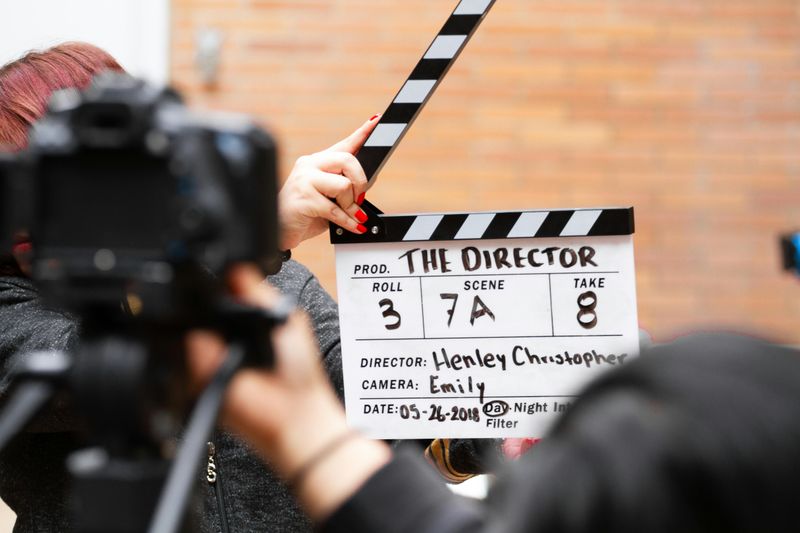
Working on a set sounds like you’re one step away from fame, especially when you’re surrounded by cameras, actors, and big creative energy.
Production assistants, however, are often doing the toughest work for the least money.
The role can involve long days, heavy lifting, constant errands, and being the person who solves small problems so the production doesn’t lose time.
Schedules can be unpredictable, overtime is common, and the work can be physically and mentally exhausting.
In many markets, the job is treated as an entry point, so low pay is normalized with the promise of future opportunities.
It looks exciting on paper, but the compensation is often closer to survival wages than people assume.
12. Radio Host / On-Air Personality

The idea of having a microphone, a loyal audience, and a recognizable voice sounds like a dream job with major earning potential.
The reality is that radio pay can vary wildly depending on the market, the station’s budget, and whether a host has a large following.
Many on-air personalities start out with modest salaries while doing a lot more than just talking on air.
The job can include writing segments, producing content, promoting the station at events, and managing social media presence to keep listeners engaged.
Job security can also be shaky, especially as media companies consolidate or shift strategies.
Unless you land a top spot in a major market or build additional income streams, the pay can be surprisingly low for such a public-facing role.
13. Personal Trainer

Helping people get fit sounds both respected and lucrative, especially when you see trainers working with motivated clients in sleek gyms.
What often gets overlooked is how inconsistent the income can be, particularly when you’re building a client list.
Many trainers are paid per session, which means cancellations, seasonal slowdowns, and schedule gaps can hit earnings hard.
Some gyms also take a large cut, leaving trainers with less than clients assume they’re paying.
On top of that, trainers spend unpaid time programming workouts, following up with clients, and marketing themselves online.
Certifications can also cost money, and continuing education is expected.
The job looks strong and professional, but the pay can be modest unless you specialize, go independent, or work in a high-income area.
14. Teacher (Especially Early Career)

Teaching is widely respected, and people often assume it comes with stable pay, strong benefits, and a manageable schedule.
The reality is that early-career salaries can be much lower than outsiders expect, especially compared to the education and emotional labor the job requires.
Teachers spend their days managing classrooms, creating lesson plans, grading, communicating with parents, and adapting to constant policy and curriculum changes.
Many also spend their own money on supplies, and the work frequently spills into evenings and weekends.
Salary growth often happens slowly over time, and pay can vary drastically depending on district funding and location.
It’s a job that carries real prestige in terms of impact, but it doesn’t always come with a paycheck that matches the responsibility.
15. Paralegal

This role sounds polished and professional, especially because it’s associated with law offices, court filings, and high-stakes cases.
Paralegals do substantial work, including drafting documents, organizing evidence, preparing filings, communicating with clients, and managing deadlines that have serious consequences.
Despite that responsibility, pay can be uneven depending on where you work and what type of law you’re in.
Large firms and major cities may offer higher salaries, but smaller practices often pay much less, even when the workload is heavy.
Some paralegals also end up doing tasks that go beyond their job description, which can increase stress without increasing compensation.
The title sounds like it should come with a big paycheck, but for many people, the earnings start lower than expected.
Comments
Loading…