
 Mila Ross
13 Jobs That Are Losing Their Place in the Market

The job market is changing faster than ever before. Technology, automation, and shifting consumer habits are reshaping which careers thrive and which ones fade away.
Many jobs that were once stable and in-demand are now disappearing, leaving workers searching for new opportunities in an evolving economy.
1. Travel Agents

Booking a vacation used to mean visiting a travel agent who would plan every detail of your trip.
Now, websites and apps let people book flights, hotels, and activities with just a few clicks.
Online platforms like Expedia and Kayak offer instant price comparisons and reviews from real travelers.
Most people prefer the convenience of planning trips from their phones rather than scheduling office appointments.
While some luxury travel planners still exist, the traditional travel agent role has shrunk dramatically.
The industry lost thousands of jobs as digital booking became the norm.
Those still working as agents now focus on specialized trips or corporate travel to stay competitive.
2. Bank Tellers

Remember when you had to go inside a bank to deposit a check or withdraw cash?
ATMs changed that decades ago, and mobile banking apps have made tellers even less necessary.
Today, you can deposit checks by taking a photo with your smartphone.
Money transfers happen instantly through apps like Venmo or Zelle without any human interaction.
Banks are closing branches and reducing staff as fewer customers visit in person.
The Bureau of Labor Statistics predicts continued decline in teller positions through the next decade.
Many banks now have just one or two tellers where they once employed five or six.
3. Postal Workers

Email transformed how we communicate, drastically reducing the volume of personal letters sent through the mail.
Bills, invitations, and holiday greetings now arrive digitally instead of in envelopes.
While package delivery has increased thanks to online shopping, it has not fully offset the loss of traditional mail volume.
The U.S. Postal Service has struggled financially for years as letter mail continues declining.
Automation in sorting facilities means fewer workers are needed to process mail.
Many post offices have reduced hours or closed entirely in smaller communities.
The workforce has shrunk significantly, with early retirement incentives offered regularly to reduce staffing levels.
4. Print Journalists

Newspapers were once the primary source of news for millions of Americans.
Today, most people get their information from websites, social media, and news apps on their phones.
Advertising revenue that once supported large newsroom staffs has shifted to online platforms like Google and Facebook.
Many newspapers have shut down completely, while others operate with skeleton crews.
Reporters who remain often work for digital publications or handle multimedia content rather than just writing articles.
The traditional beat reporter covering city hall or high school sports has become increasingly rare.
Journalism schools have adapted curricula, but fewer jobs await graduates than in previous generations.
5. Cashiers

Self-checkout lanes have become standard at grocery stores, pharmacies, and big-box retailers across the country.
Customers scan and bag their own items without interacting with a cashier.
Amazon Go stores took this concept further by eliminating checkout entirely through sensor technology.
Shoppers simply grab items and walk out while cameras and AI track purchases automatically.
Fast-food restaurants now use kiosks where customers place orders on touchscreens instead of speaking to a person.
These changes reduce labor costs for businesses but eliminate entry-level jobs that many young workers depend on.
Experts predict millions of cashier positions will disappear over the next fifteen years.
6. Telemarketers

Cold calling strangers to sell products or services has become increasingly ineffective and unpopular.
Caller ID and spam-blocking technology let people screen calls from unknown numbers.
Federal do-not-call registries restrict which consumers telemarketers can contact legally.
Automated robocalls have given the entire industry a terrible reputation, making legitimate callers less successful.
Companies now prefer digital marketing through social media ads, email campaigns, and targeted online advertising.
These methods cost less and often produce better results than phone calls.
Many call centers have moved overseas or replaced human callers with recorded messages.
The telemarketing workforce has shrunk dramatically as businesses abandon this outdated sales approach.
7. Data Entry Clerks

Typing information from paper documents into computer systems was once a common office job.
Optical character recognition software can now scan documents and extract data automatically with minimal human oversight.
Cloud-based systems allow information to be entered directly at its source rather than transferred later by a clerk.
Forms submitted online eliminate the need for manual data entry entirely.
Artificial intelligence continues improving at reading handwriting and interpreting various document formats.
Tasks that once required rooms full of clerks now happen in seconds through automated processes.
Companies have eliminated these positions as software became more reliable and affordable.
The few remaining data entry jobs typically involve verification rather than initial input.
8. Assembly Line Workers
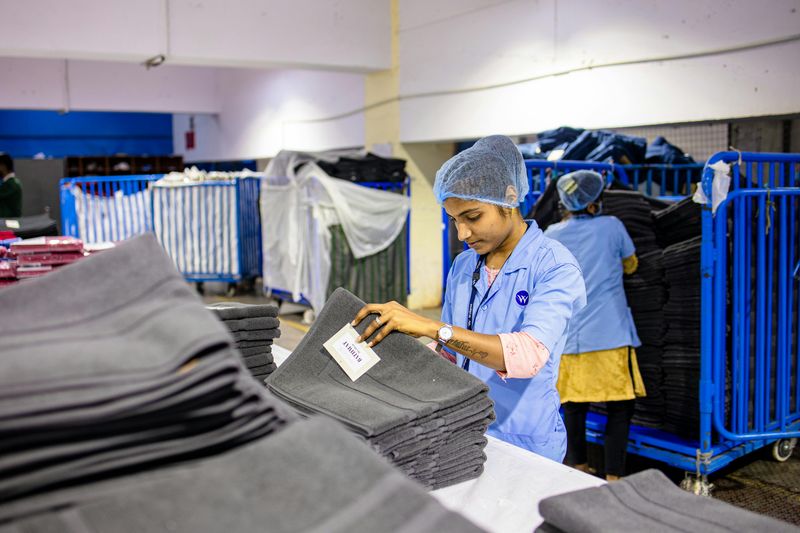
Robots have transformed manufacturing by performing repetitive tasks faster and more precisely than human workers.
Automotive factories now use robotic arms for welding, painting, and assembly operations that once employed thousands.
These machines work continuously without breaks, benefits, or wages, making them attractive to manufacturers focused on costs.
While some technicians are needed to maintain robots, far fewer workers are required overall.
Foreign competition and automation have combined to reduce American manufacturing jobs significantly.
Communities that once thrived around factories have struggled as plants closed or downsized.
Training programs now emphasize skills like robotics maintenance rather than traditional assembly work as the industry continues evolving.
9. Librarians

Google and other search engines have become the go-to source for finding information quickly.
Students who once relied on librarians to locate research materials now search online databases from home.
E-books and audiobooks have reduced the need for physical collections and the staff who maintain them.
Budget cuts have forced many libraries to reduce hours and staffing levels.
Some libraries have closed permanently as communities question the value of maintaining buildings when information is available digitally.
Librarians who remain have shifted toward technology support and community programming rather than traditional reference services.
Library science graduates face limited job prospects compared to previous decades as positions become increasingly competitive.
10. Taxi Drivers

Uber and Lyft revolutionized transportation by letting anyone with a car become a driver.
These ride-sharing apps offer convenience, transparent pricing, and cashless payments that traditional taxis struggled to match.
Taxi medallions that once sold for hundreds of thousands of dollars have plummeted in value as riders switched to app-based services.
Many career taxi drivers left the industry as income dried up.
Self-driving vehicles represent an even bigger threat to both taxi and ride-share drivers.
Several companies are testing autonomous taxis that could eventually eliminate the need for human drivers entirely.
The transition has been particularly hard on older drivers who invested heavily in medallions and licenses.
11. Textile Workers
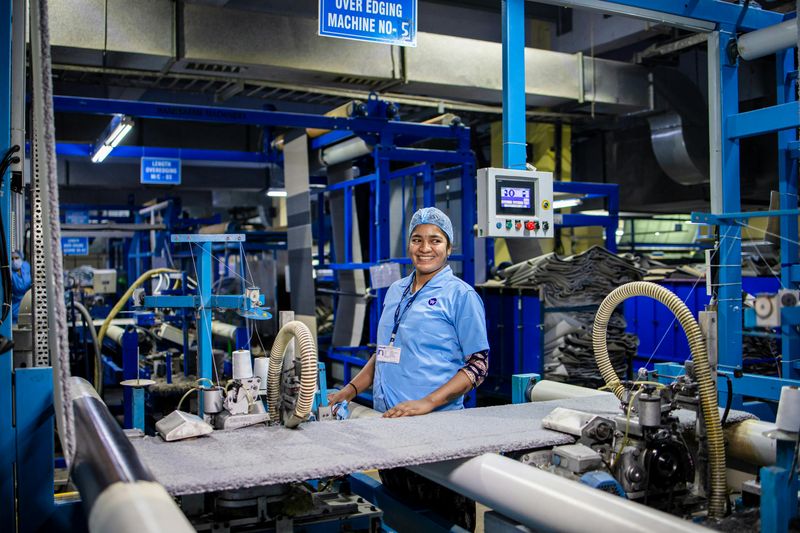
Clothing manufacturing has largely moved overseas where labor costs are lower.
American textile mills that once employed entire towns have closed as production shifted to countries like Bangladesh and Vietnam.
Automation has also reduced the number of workers needed in remaining facilities.
Computerized looms and cutting machines handle tasks that previously required skilled hands.
Fast fashion brands prioritize cheap production over domestic manufacturing, further reducing American textile jobs.
The few U.S. factories still operating focus on specialized or luxury items rather than mass-market clothing.
Communities in the Southeast particularly felt this decline as textile work had been a primary employer for generations.
Retraining programs help former textile workers transition to other industries.
12. Switchboard Operators

Before automated phone systems, operators manually connected calls by plugging cables into switchboards.
You would pick up the phone and tell an operator which number you wanted to reach.
Direct dialing technology eliminated the need for operators to connect most calls decades ago.
Automated systems now handle directory assistance and routing without human involvement.
Voice recognition software can understand requests and transfer calls in businesses that still use operators.
The few remaining operator positions typically involve specialized services like emergency dispatch.
This job serves as a reminder of how quickly technology can make entire occupations obsolete.
Younger generations have never experienced calling an operator for assistance with a phone call.
13. Photo Lab Technicians

Digital cameras and smartphones killed the film photography industry almost overnight.
People no longer drop off rolls of film to be developed and printed at photo labs.
Everyone now takes hundreds of photos that remain stored digitally rather than printed.
Social media provides instant sharing without needing physical copies.
Drugstores and retailers that once had busy photo departments have removed the equipment or shut down entirely.
The skills required to develop film and print photos have become nearly obsolete.
Some specialty labs still serve professional photographers who prefer film, but these represent a tiny fraction of former employment.
The transition happened so rapidly that many technicians had little time to prepare for different careers.
Comments
Loading…