
 Chloe Peterson
12 Signs Your Coworkers Secretly Can’t Stand You

Ever walked into the break room and felt the conversation suddenly go quiet? Workplace relationships can be tricky to navigate, and sometimes the signs that someone doesn’t like you aren’t obvious. Recognizing these subtle hints can help you improve your professional relationships and create a more comfortable work environment.
1. They Avoid Eye Contact With You

Body language speaks volumes, especially in the workplace.
When someone consistently looks away or down when you approach, it’s rarely accidental.
Eye contact is one of the most basic forms of human connection.
People naturally make eye contact with those they feel comfortable around.
If a coworker deliberately avoids your gaze during meetings or conversations, they might be uncomfortable around you.
This behavior often happens unconsciously when someone harbors negative feelings.
Pay attention to how they interact with others compared to you.
The difference can be quite telling.
2. Conversations End Abruptly When You Arrive

Walking up to a group only to have everyone suddenly stop talking feels awful.
Unfortunately, this classic sign suggests people were discussing something they don’t want you to hear.
Sometimes it’s about you, sometimes it’s just that they don’t trust you with certain information.
Either way, it shows a lack of comfort and openness.
Healthy workplace relationships include casual banter and easy conversation flow.
When that flow consistently stops at your presence, something’s off.
Notice if this happens repeatedly with the same people or across different groups.
3. You’re Left Out of Social Events

Hearing about the team lunch you weren’t invited to stings.
Exclusion from casual gatherings or after-work activities sends a clear message about where you stand.
While nobody is entitled to every invitation, patterns matter.
If you’re consistently the only one not included, it’s intentional.
Coworkers who like each other naturally want to spend time together outside formal work settings.
Being excluded repeatedly means they’re choosing not to include you.
This might stem from personality clashes or past conflicts.
Either way, the exclusion is deliberate and meaningful.
4. They Give You One-Word Answers

Communication styles reveal relationship quality instantly.
When someone responds to your questions with brief, cold answers, they’re putting up walls.
Compare how they talk to others versus you.
Do they laugh and chat freely with some people but barely respond to you?
Short answers like “fine,” “sure,” or “okay” without elaboration show minimal effort.
People naturally expand on topics with those they enjoy talking to.
This dismissive communication pattern suggests they want interactions with you to end quickly.
It’s a subtle but powerful way of creating distance.
5. Your Ideas Get Ignored in Meetings

Contributing to a discussion only to have everyone move on without acknowledgment feels dismissive.
When this happens consistently, it’s not coincidence.
Respectful colleagues build on each other’s ideas or at least acknowledge them.
Being systematically ignored suggests people don’t value your input.
Sometimes someone else will repeat your exact suggestion later and get credit.
This shows the issue isn’t your idea but rather how people perceive you.
Professional environments should encourage all voices.
Consistent dismissal indicates a lack of respect or possibly active dislike from the group.
6. They Never Ask About Your Life

Small talk builds workplace relationships. Questions about your weekend, family, or hobbies show genuine interest in you as a person.
When coworkers never inquire about your personal life, it demonstrates indifference.
They’re keeping you at arm’s length deliberately.
Meanwhile, you probably hear them asking others about their vacation plans or kids’ soccer games.
The contrast reveals their selective interest.
People naturally want to know more about those they like.
Lack of curiosity about your life outside work signals they prefer maintaining maximum distance from you.
7. Body Language Stays Closed Off
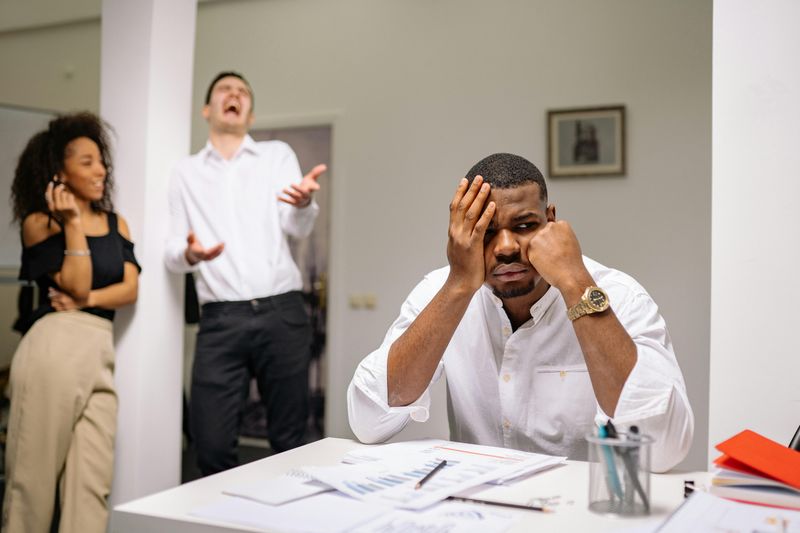
Crossed arms, turned shoulders, and physical distance all communicate discomfort.
These non-verbal cues happen automatically when people feel negative toward someone.
Watch how coworkers position themselves around you versus others.
Do they lean in with some people but lean back with you?
Open body language includes facing you directly, uncrossed arms, and relaxed posture.
Closed-off positioning creates literal and figurative barriers.
Most people aren’t consciously controlling these signals.
That makes them even more reliable indicators of true feelings beneath polite professional facades.
8. They Never Laugh at Your Jokes

Humor connects people and lightens workplace stress.
When coworkers consistently don’t laugh at your attempts at humor, they’re withholding positive response.
Maybe your jokes aren’t hilarious, but people typically offer courtesy laughs or smiles to be polite.
Complete lack of response suggests deliberate coldness.
Notice if they laugh easily at others’ jokes, even mediocre ones.
This comparison reveals whether the issue is your humor or their feelings toward you.
Shared laughter builds bonds.
By refusing to engage with your humor, they’re rejecting opportunities for connection and keeping you at a distance.
9. Important Information Doesn’t Reach You

Finding out about schedule changes, project updates, or office news last creates real problems.
Being kept out of the information loop is often intentional.
Coworkers share information freely with people they respect and like.
Excluding you from important updates demonstrates lack of consideration.
This might mean missing deadline changes, not knowing about cancelled meetings, or being surprised by decisions.
The pattern shows you’re not part of the inner circle.
Information is power in workplace settings.
Being systematically excluded from it suggests people don’t mind if you’re disadvantaged or caught off guard.
10. Requests for Help Get Declined

Collaboration makes work easier for everyone.
When coworkers consistently refuse to help you with reasonable requests, it’s personal.
Helpful colleagues share knowledge, offer assistance, and support each other.
Being repeatedly turned down shows unwillingness to invest in you.
They might claim they’re too busy, yet you see them helping others with similar requests.
The selective unavailability speaks volumes.
Workplace relationships thrive on mutual support.
When that support flows to everyone except you, the message is clear about how they feel toward you.
11. Compliments Never Come Your Way

Recognition and praise feel good and build positive relationships.
When coworkers acknowledge everyone’s contributions except yours, it’s deliberate.
Even small compliments like “good job” or “thanks for your help” strengthen workplace bonds.
Their absence creates emotional distance.
You might complete excellent work only to receive silence while others get praised for similar achievements.
This double standard reveals underlying negativity.
People naturally want to encourage and appreciate those they like.
Withholding all positive feedback shows they’re not invested in making you feel valued or welcome.
12. They Seem Relieved When You Leave

Subtle changes in atmosphere when you exit a room tell the whole story.
If people visibly relax or become more animated after you go, they were uncomfortable.
Maybe you’ve noticed conversations restart with more energy once you’re gone.
Or perhaps you’ve caught sight of relieved expressions as you walk away.
This reaction happens when your presence creates tension or stress for others.
They’re literally more comfortable without you around.
While painful to recognize, this sign is among the most honest.
Bodies don’t lie, and the collective sigh of relief when you leave speaks louder than words.
Comments
Loading…