
 Harper Hall
Some people light up in crowded rooms, while others feel most alive when they’re alone. Preferring solitude doesn’t mean being lonely or antisocial.
People who enjoy their own company often possess unique characteristics that shape how they see the world and interact with it. Understanding these traits can help you appreciate the quiet strength of those who choose solitude, or perhaps recognize these qualities in yourself.
1. Deep Self-Awareness

Spending time alone creates space for honest self-reflection.
People who prefer solitude often know themselves better than most because they regularly check in with their thoughts and feelings.
They understand their strengths, acknowledge their weaknesses, and accept both without needing constant outside validation.
This deep understanding helps them make decisions that truly align with their values.
Instead of following the crowd, they listen to their inner voice.
They rarely feel lost because they’ve spent countless hours exploring who they really are.
Their confidence comes from within rather than from external praise.
This makes them steady and grounded, even when life gets complicated.
2. Rich Inner World
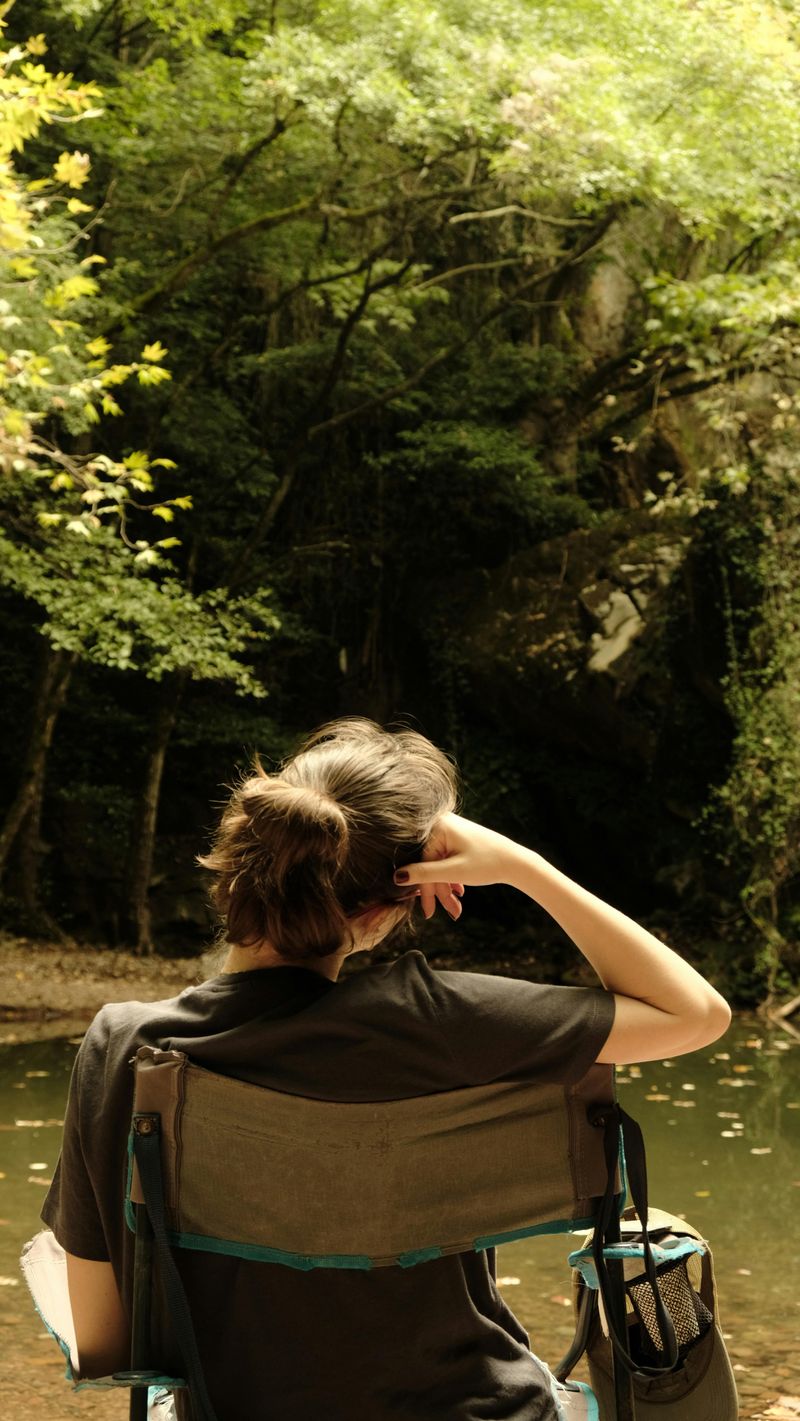
Solitary individuals often have incredibly active imaginations.
Their minds are like personal theaters where ideas, stories, and creative thoughts constantly play out.
They can entertain themselves for hours without external stimulation because their internal landscape is so vibrant and engaging.
Books, music, and art take on deeper meaning for them.
They don’t just consume entertainment; they fully immerse themselves in it.
A single song might spark an entire afternoon of reflection and emotional exploration.
This rich mental life means they’re rarely bored when alone.
Their thoughts provide endless fascination, making solitude feel less like isolation and more like an adventure.
3. Selective Social Energy

Quality beats quantity when it comes to relationships for solitude-seekers.
They’d rather have three genuine friends than thirty shallow acquaintances.
Social interactions drain their battery quickly, so they’re incredibly choosy about where they invest their energy.
Large gatherings feel exhausting rather than exciting.
They might attend occasionally but will need significant recovery time afterward.
Small, meaningful conversations energize them far more than loud parties ever could.
This selectiveness isn’t about being unfriendly or judgmental.
They simply recognize their limits and honor them.
They’d rather skip the event than show up half-present and overwhelmed.
4. Strong Independence

Asking for help feels unnecessary when you’ve learned to rely on yourself.
People who embrace solitude develop remarkable self-sufficiency over time.
They fix their own problems, make their own decisions, and create their own happiness without waiting for others to step in.
This independence extends to emotional needs too.
While they value close relationships, they don’t desperately need constant companionship to feel complete.
They’ve built a solid relationship with themselves first, which makes them stable partners and friends.
Their ability to stand alone actually makes them stronger in relationships.
They choose connection rather than needing it desperately, which creates healthier dynamics.
5. Heightened Observation Skills

Quiet people notice everything.
When you’re not constantly talking, you’re watching, listening, and absorbing details others overlook.
Solitude-lovers often pick up on subtle body language, tone shifts, and environmental changes that busier people miss entirely.
This observational superpower makes them excellent judges of character.
They can sense when something feels off or when someone isn’t being genuine.
Their silence isn’t empty; it’s filled with careful attention and thoughtful analysis.
Friends often seek their advice because they see situations clearly.
They’ve watched enough human behavior to understand patterns and motivations that escape more outwardly-focused individuals.
6. Comfortable With Silence

Awkward silences don’t exist for those who love solitude.
They find peace in quiet moments that make others fidget nervously.
While some people fill every gap with chatter, solitude-seekers let silence breathe and exist naturally without rushing to interrupt it.
This comfort extends to being alone with their thoughts.
They don’t need background noise or constant distraction to feel okay.
Quiet car rides, silent walks, and peaceful evenings feel restorative rather than uncomfortable or boring.
Their ease with silence often calms others too.
People feel less pressure to perform or entertain when someone genuinely appreciates shared quiet moments together.
7. Need For Mental Recharge
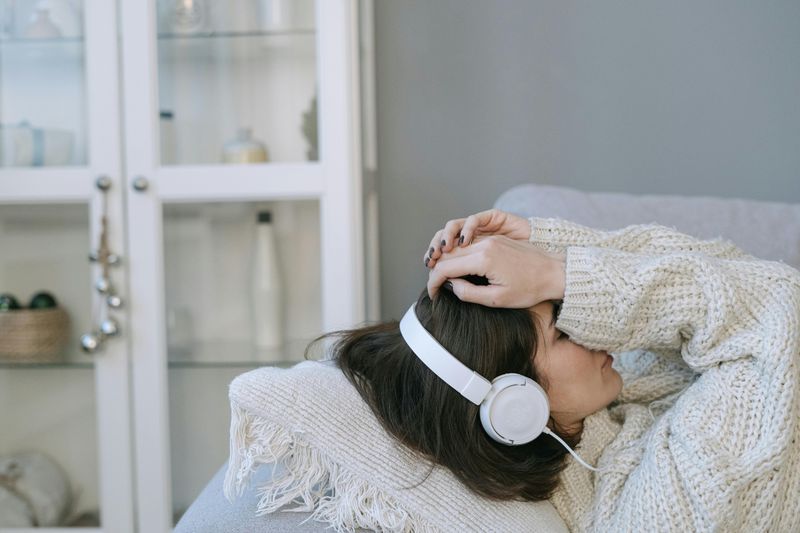
Everyone has an energy source, and for solitude-lovers, it’s alone time.
After social events, work meetings, or busy days, they desperately need isolation to refill their emotional tanks.
Without this recharge period, they become irritable, overwhelmed, and mentally foggy.
This isn’t about disliking people or being antisocial.
Their brains simply process stimulation differently and require downtime to function properly.
Skipping this recovery time affects their mood, productivity, and overall wellbeing significantly.
Smart solitude-seekers protect their alone time fiercely.
They schedule it like important appointments because they know it’s essential for maintaining their mental health and showing up fully for others.
8. Deep Focus Ability

Concentration comes naturally when you’re comfortable being alone with a task.
Solitude-preferring individuals often achieve flow states more easily because they’re not constantly seeking external stimulation or social interaction.
They can work on projects for hours without checking their phones or needing breaks.
This deep focus produces exceptional work quality.
They catch details others miss and think through problems thoroughly rather than superficially.
Their ability to block out distractions and dive deep gives them an advantage in creative and analytical tasks.
Coworkers might wonder how they accomplish so much.
The secret isn’t working harder; it’s working in solitude where their concentration powers fully activate.
9. Authentic Self-Expression

True authenticity emerges when nobody’s watching.
People who prefer solitude often develop a strong sense of who they are because they spend time away from social pressures and expectations.
They’re not performing for an audience or molding themselves to fit in constantly.
This authenticity shows up in their choices, style, and opinions.
They’re less influenced by trends and more guided by genuine preferences.
What they like, they truly like—not because it’s popular or impressive to others.
Their realness attracts quality relationships.
When they do connect with others, it’s deeply authentic because they’ve already figured out who they are in solitude.
Comments
Loading…