
 Hailey Watson
Your relationship with your body is shaped by small, everyday actions you might not even notice. These tiny habits can either boost your confidence or chip away at how you see yourself. Understanding which behaviors help or hurt your body image is the first step toward feeling better in your own skin.
1. Comparing Yourself to Social Media Photos

Scrolling through filtered images sets unrealistic standards that nobody can actually meet in real life.
When you constantly see perfect bodies online, your brain starts believing that’s normal.
Those photos are edited, posed, and carefully selected to look flawless.
Real bodies have rolls when sitting, stretch marks, and uneven skin tones.
Limiting your social media time or following accounts that show authentic bodies can change how you view yourself.
Remember that comparison steals joy, and those highlight reels don’t show the whole picture.
Your worth isn’t determined by likes or how closely you match an edited image.
Focus on what makes you unique instead.
2. Skipping Meals to Control Weight
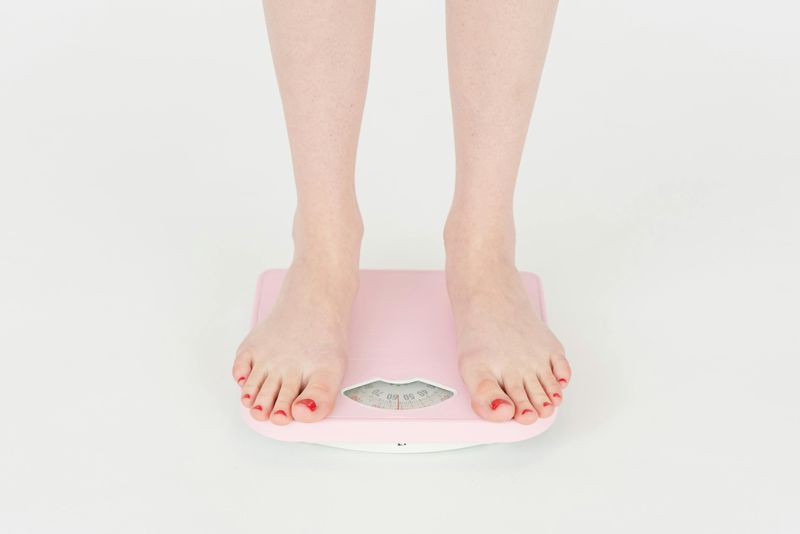
Hunger makes everything worse, including how you feel about your appearance and energy levels.
Your body needs regular fuel to function properly, and skipping meals slows down your metabolism.
When you’re hungry, you feel tired, cranky, and more likely to binge eat later.
This creates a harmful cycle that damages your relationship with food.
Eating balanced meals throughout the day keeps your energy stable and your mind clear.
Food isn’t the enemy; it’s what keeps you alive and thriving.
Nourishing your body regularly helps you appreciate what it does for you.
Treat meals as self-care, not punishment.
3. Negative Self-Talk in the Mirror
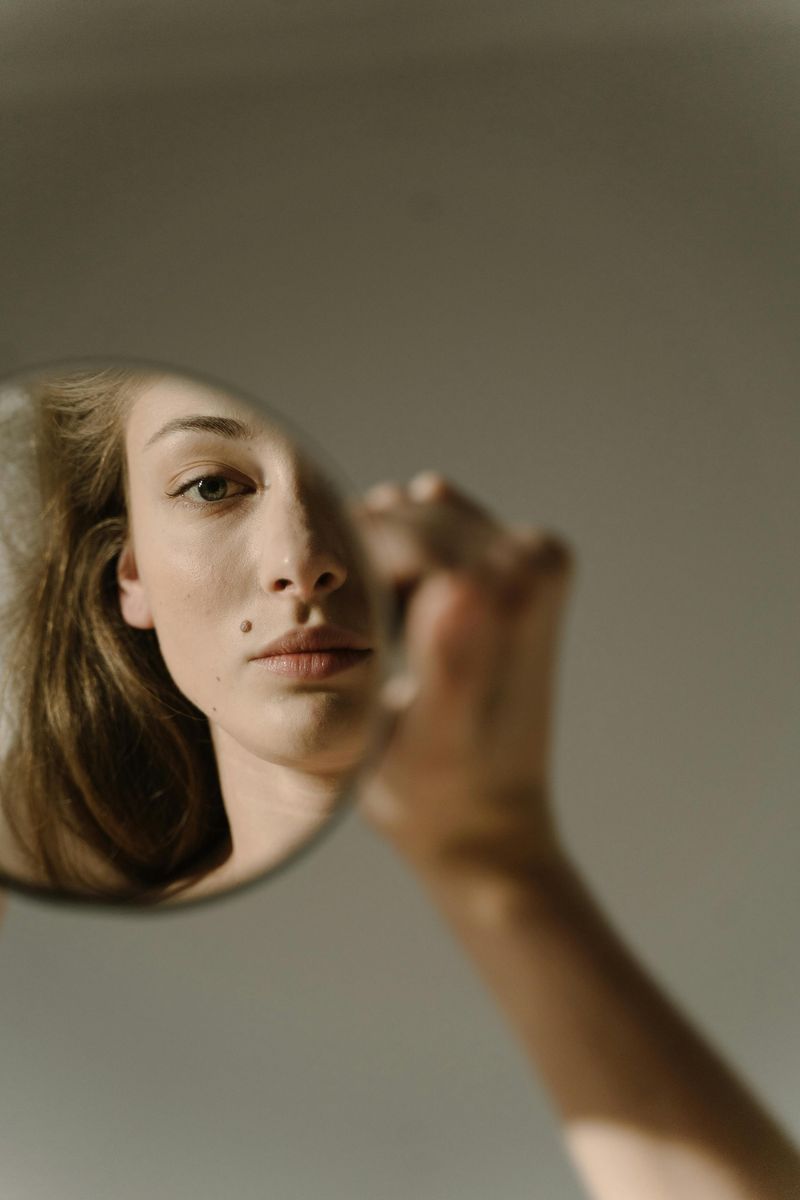
Words matter, especially the ones you say to yourself when nobody else is listening.
Standing in front of the mirror and criticizing every flaw trains your brain to focus on negatives.
Your inner voice becomes your biggest bully, pointing out problems that others don’t even notice.
This habit rewires your thoughts to always find fault.
Try switching to neutral or kind observations instead of harsh judgments.
Notice your eyes, your smile, or how your body moves rather than picking apart perceived imperfections.
Speaking kindly to yourself takes practice, but it gradually shifts your entire perspective.
You deserve the same compassion you’d give a friend.
4. Wearing Uncomfortable Clothes for Appearance

Squeezing into tight jeans or painful shoes just to look a certain way makes you miserable all day long.
Physical discomfort keeps you focused on your body in negative ways.
You can’t relax or enjoy activities when you’re constantly adjusting, tugging, or hurting.
Clothes should fit your body, not the other way around.
Choosing outfits that feel good helps you move confidently through your day.
Comfort doesn’t mean giving up style; it means respecting your body’s needs.
When you feel physically at ease, you naturally feel better about yourself.
Your body deserves clothing that celebrates it, not constricts it.
5. Avoiding Activities Because of Body Shame

Missing out on swimming, dancing, or sports because you’re worried about how you look robs you of joy and experiences.
Your body exists to be used, not just looked at.
When you sit on the sidelines due to insecurity, you reinforce the belief that appearance matters more than living.
Movement and fun create positive body memories.
Participating in activities you enjoy helps you appreciate what your body can do rather than just how it looks.
Everyone is too focused on themselves to judge you anyway.
Taking that first step feels scary but incredibly freeing.
Your body is an instrument, not an ornament.
6. Constantly Checking Your Reflection
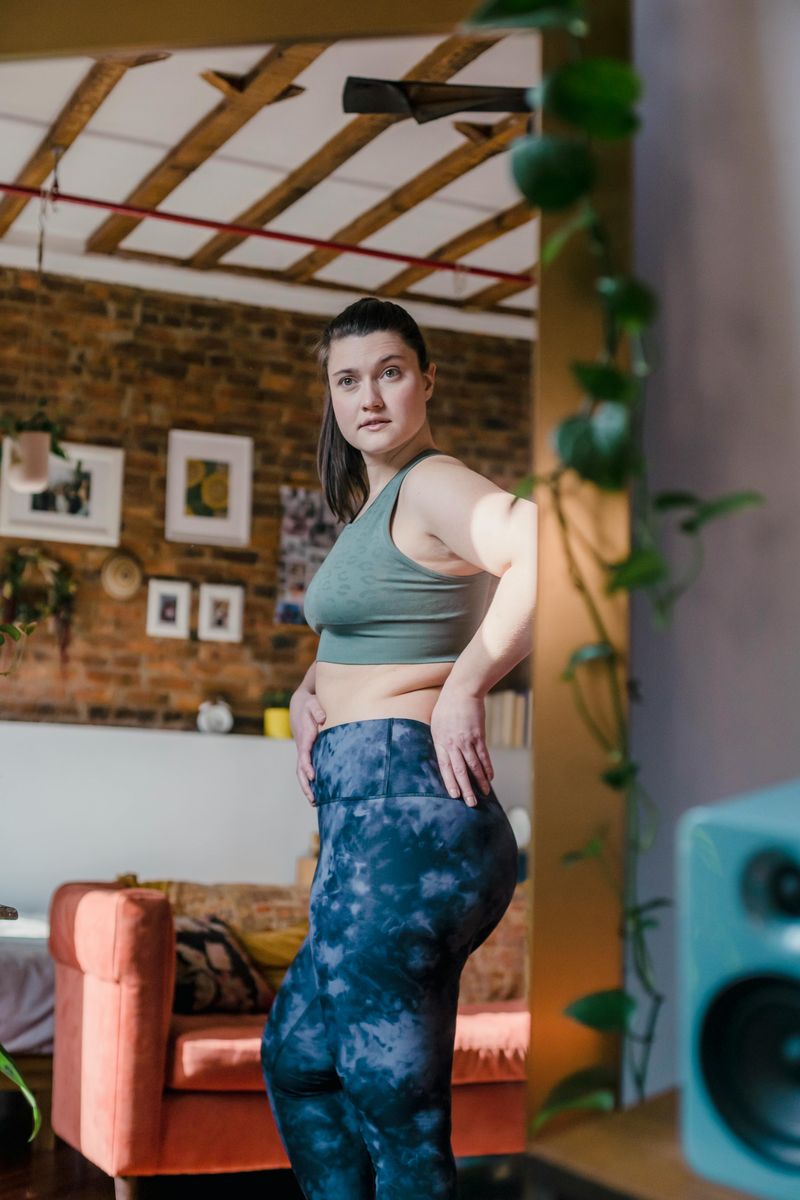
Glancing at every mirror, window, or phone screen keeps you trapped in appearance-focused thinking all day.
This habit pulls you out of the present moment and into self-criticism.
The more you check, the more flaws you find, creating an exhausting cycle of monitoring and judging.
Your appearance doesn’t change that much throughout the day.
Reducing reflection-checking frees up mental energy for more important things.
Try going a few hours without looking, and notice how it affects your mood.
Being present in your life matters more than monitoring your appearance.
You are so much more than what you see reflected back.
7. Following Extreme Diet Trends

Jumping from one restrictive eating plan to another teaches your body that food is complicated and stressful.
Extreme diets promise quick fixes but usually leave you feeling deprived, obsessed with food, and worse about yourself.
Your body needs variety and balance, not strict rules that eliminate entire food groups.
These plans rarely work long-term and damage your metabolism.
Building a healthy relationship with food means eating intuitively and without guilt.
Listen to hunger cues, enjoy treats occasionally, and focus on how foods make you feel.
Nourishment supports both physical and mental health.
Your body thrives on consistency, not deprivation.
8. Surrounding Yourself with Body-Focused Conversations

Listening to constant talk about diets, calories, and appearance keeps body image at the forefront of your mind.
When friends, family, or coworkers always discuss weight loss or criticize their bodies, it normalizes negative self-perception.
These conversations make you hyperaware of your own body and reinforce the idea that appearance is what matters most.
You absorb the attitudes of people around you.
Changing the subject or setting boundaries around body talk protects your mental space.
Surround yourself with people who value personality, kindness, and accomplishments over looks.
Positive influences create positive self-image.
Choose conversations that uplift rather than tear down.
9. Ignoring How Movement Makes You Feel

Exercising only to change your appearance misses the incredible mental and physical benefits that matter most.
When workouts become punishment for eating or tools for body transformation, you lose the joy of movement.
Exercise should make you feel strong, energized, and proud of what your body accomplishes.
Focusing solely on appearance makes fitness feel like a chore.
Find activities you genuinely enjoy, whether that’s dancing, hiking, or playing sports with friends.
Notice how movement improves your mood, sleep, and confidence.
Your body’s abilities deserve celebration.
Move because you love your body, not because you hate it.
Comments
Loading…