
 Hailey Watson
Social media can be fun and a great way to stay connected with friends and family.
But once you hit 50, it’s time to think more carefully about what you share online.
Some posts might seem harmless but can actually put your privacy, security, and reputation at risk.
Here are nine types of content you should avoid posting on Facebook to keep yourself safe and maintain your dignity online.
1. Your Full Birthday and Personal Identification Details

Sharing your complete birth date might seem like a nice way to get birthday wishes, but it’s actually handing thieves a key piece of information they need.
Identity thieves combine your birth date with other details from your profile to steal your identity or hack into accounts.
Many security questions use your birth date as verification.
When it’s publicly visible, anyone can answer those questions and potentially access your email, banking, or other sensitive accounts.
Instead of posting your full birthday, consider sharing just the day and month without the year.
You’ll still get those heartfelt birthday messages from friends without compromising your security or making yourself an easy target for criminals.
2. Upcoming Vacation Plans and Travel Itineraries
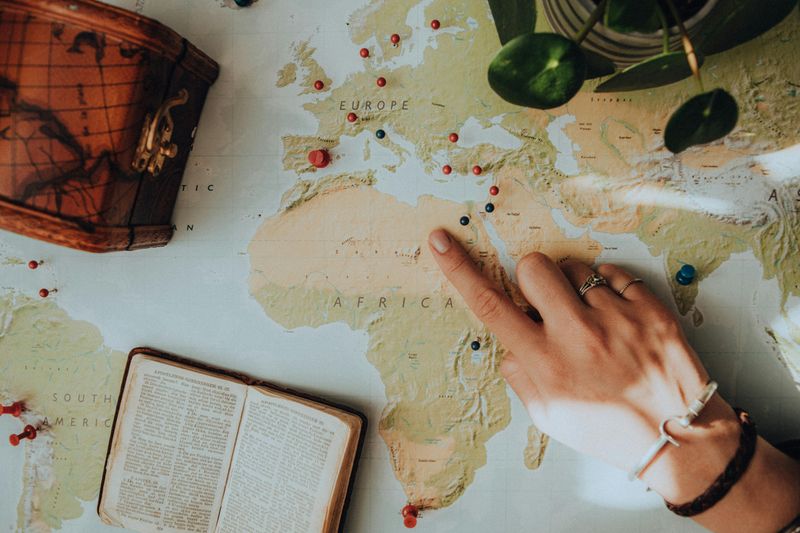
Announcing your two-week cruise to the Caribbean sounds exciting, but you’re basically telling burglars exactly when your house will be empty.
Criminals actively monitor social media looking for these opportunities, and your vacation photos can wait until you’re back home.
Even if your profile is set to friends only, you never know who might see your posts through shares or mutual connections.
One careless comment from a well-meaning friend could broadcast your absence to the wrong people.
Wait until you return to share those amazing sunset photos and travel stories.
Your memories will be just as special, and your home will be much safer when nobody knows you’re away.
3. Photos and Details About Your Grandchildren

Your grandkids are adorable, and you’re proud of them.
However, posting their photos, names, schools, or activities creates a digital footprint that could be dangerous.
Predators and scammers use this information in ways that put children at risk.
Kids today will grow up with a digital history they didn’t choose.
What seems cute now might embarrass them later or affect future college applications and job opportunities when employers search their names online.
Before posting anything about your grandchildren, always ask their parents for permission.
Share photos privately through messaging apps or closed family groups instead of making them public for the entire internet to see forever.
4. Bank Account Details and Financial Information
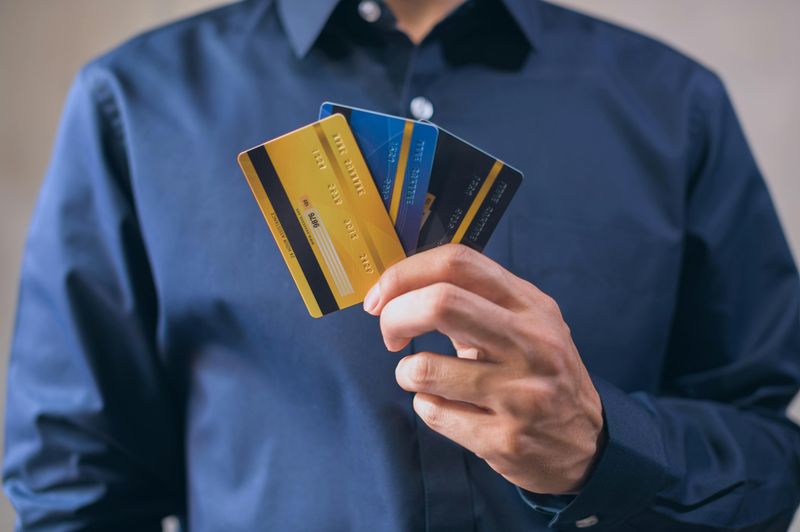
This might seem obvious, but you’d be surprised how many people accidentally reveal financial details online.
Posting a photo of a check, mentioning your bank name, or sharing excitement about a large deposit gives criminals valuable information.
Scammers are clever and piece together small bits of information from multiple posts.
Even mentioning where you bank or what credit cards you use helps them target you with sophisticated phishing schemes designed specifically for your situation.
Keep all financial matters completely off social media.
If you need to discuss money matters, pick up the phone or meet in person instead of broadcasting anything related to your finances on Facebook.
5. Embarrassing Photos or Compromising Situations

That funny photo from last night’s party might not seem so hilarious tomorrow morning.
Once something is posted online, it’s nearly impossible to completely erase, even if you delete it quickly.
Screenshots live forever, and so does your digital reputation.
At this stage of life, you’ve built credibility in your career and community.
One poorly chosen photo can damage relationships with family, hurt professional opportunities, or simply make people see you differently than you’d like.
Think before you post, and when in doubt, don’t share it.
If you wouldn’t want your boss, your children, or your neighbor seeing it, keep it off Facebook entirely and save yourself potential embarrassment.
6. Personal Arguments and Family Drama

Facebook isn’t the place to settle scores or air dirty laundry with family members, friends, or neighbors.
Public arguments make everyone uncomfortable and damage your reputation far more than they hurt the person you’re upset with.
People remember the drama long after the issue is resolved.
Venting online might feel satisfying in the moment, but it creates permanent records of temporary feelings.
Future employers, potential friends, and even your own family will judge you based on how you handle conflicts publicly.
Handle disagreements privately through phone calls, texts, or face-to-face conversations.
Your relationships will be stronger, your stress will be lower, and your Facebook feed will be a much more pleasant place for everyone who follows you.
7. Intimate Health Issues and Medical Conditions

Your health journey is personal, and while support from friends is valuable, Facebook isn’t the right venue for detailed medical updates.
Sharing specific diagnoses, treatments, or symptoms can affect your insurance, employment opportunities, and how people perceive you.
Medical information can be used against you in unexpected ways.
Employers might reconsider hiring decisions, insurance companies could flag your profile, and scammers often target people with health issues using fake treatments or sympathy schemes.
Create a private group for close family if you need to share health updates during a difficult time.
For everyone else, a simple “going through some health challenges” is enough without exposing intimate details to hundreds of casual acquaintances.
8. Real-Time Location Check-Ins and Tags
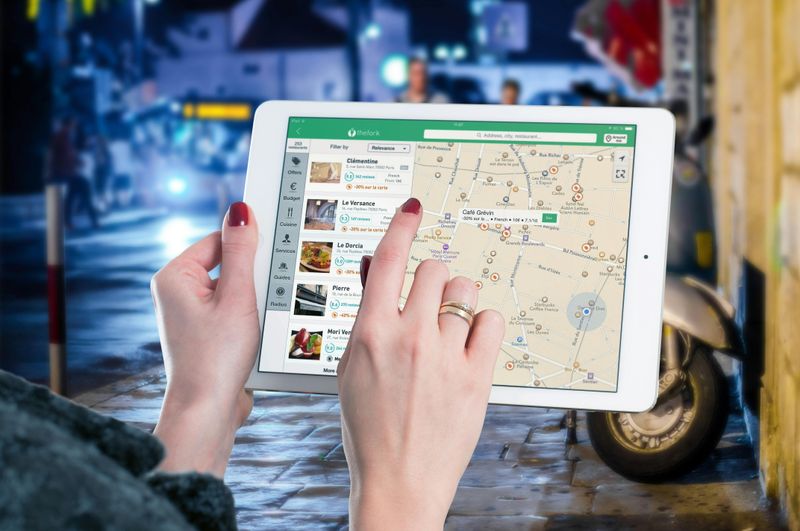
Checking in at your favorite restaurant or tagging yourself at the gym tells everyone exactly where you are right now.
This creates patterns that strangers can track, and it confirms that you’re not home, making your property vulnerable to theft.
Location data combined with other information from your profile helps criminals build a complete picture of your routine.
They know when you’re at work, when you exercise, and when your house sits empty and unprotected.
Share your experiences after you’ve left the location, not while you’re still there.
Post about that amazing dinner after you’re safely home, and your memories will be just as sweet without the security risk of broadcasting your every move.
9. Chain Posts, Hoaxes, and Unverified Information
Those posts promising free airline tickets if you share, or warnings about Facebook shutting down unless you copy and paste a legal notice, are always fake.
Sharing them makes you look gullible and clutters everyone’s feed with nonsense that spreads misinformation.
At this age, you should be seen as wise and trustworthy, not someone who falls for internet hoaxes.
Your friends and family trust your judgment, so when you share fake news or chain posts, it erodes that trust and credibility you’ve spent years building.
Before sharing anything, take thirty seconds to verify it through a quick search.
If something sounds too good to be true or creates urgent panic, it’s probably false and doesn’t deserve space on your timeline or in your friends’ feeds.
Comments
Loading…