
 Mila Ross
Every generation has its own set of rules about what’s worth spending time and money on. Baby Boomers, those born between 1946 and 1964, grew up in a very different world and often share advice that might sound outdated today.
Some of their warnings actually hold up pretty well, while others might make younger people scratch their heads. Here are nine things Boomers commonly say just aren’t worth your time or money.
1. Expensive Coffee Shop Drinks
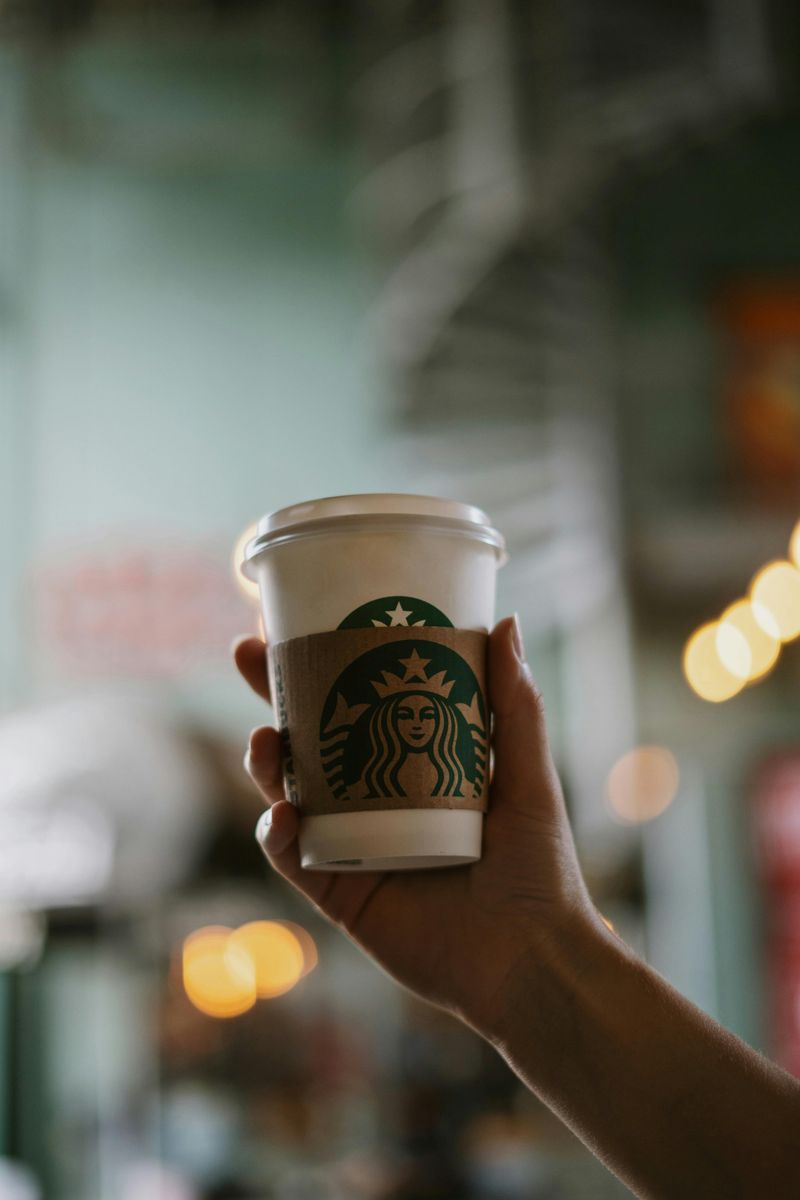
Your grandparents probably never spent $7 on a cup of coffee, and they want you to know about it.
Boomers often point out that daily specialty drinks can quietly drain your wallet faster than almost anything else.
A $6 latte every weekday adds up to over $1,500 a year.
That math is hard to argue with.
Still, for many younger people, that coffee shop visit is also a moment of calm in a busy day.
Brewing at home saves real money, but balance matters too.
Maybe cut back to a few times a week and watch your savings grow.
2. Extended Warranties
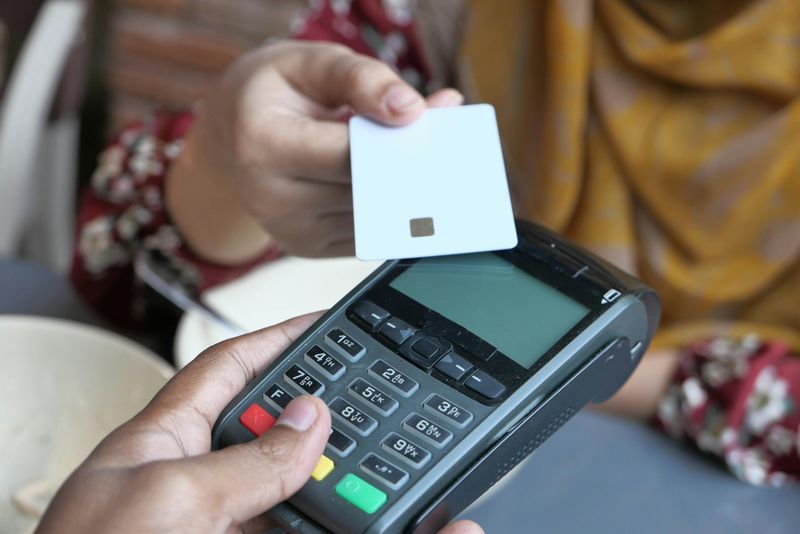
“Just say no” is basically the Boomer motto when it comes to extended warranties on electronics and appliances.
Retailers push these hard because they are extremely profitable for the store, not necessarily for you.
Boomers have seen enough broken toasters and TVs to know most products either fail early or last well beyond the warranty period anyway.
Consumer reports back this up repeatedly.
The money spent on warranties often exceeds the cost of simply replacing a broken item.
Before agreeing at checkout, check if your credit card already offers purchase protection.
That small pause could save you hundreds over time.
3. Lottery Tickets
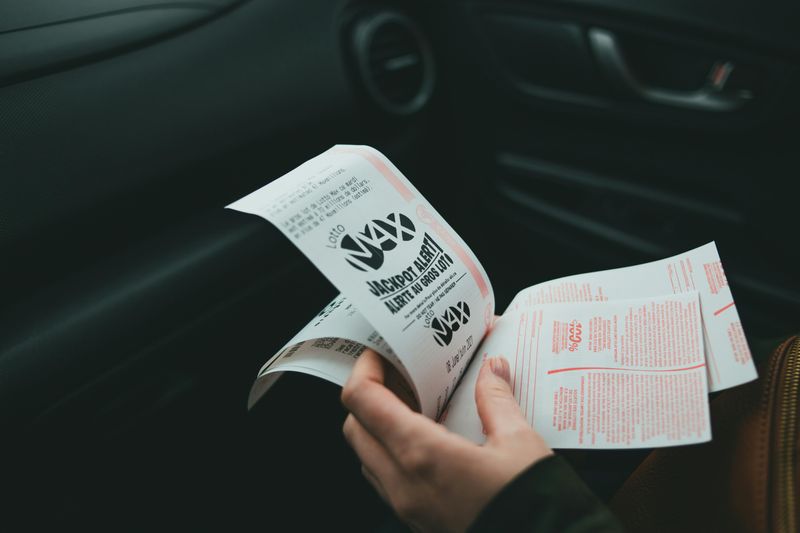
Boomers who lived through tight budgets will tell you straight up: the lottery is basically a tax on hope.
Statistically, your odds of winning a major jackpot are roughly one in 300 million.
You have a better chance of being struck by lightning twice than hitting the big prize.
Sure, buying a ticket once in a while is harmless fun.
The problem is when it becomes a weekly habit fueled by the idea that this time might be different.
That $10 a week spent on scratch-offs becomes $520 a year.
Invested wisely, that same money could actually grow into something real.
4. Gym Memberships You Never Use

January arrives, motivation is sky-high, and suddenly everyone needs a gym membership.
Boomers have watched this cycle repeat for decades and they are not impressed.
Studies show that roughly 67 percent of gym memberships go completely unused by the people who pay for them every single month.
The average membership costs around $50 a month, which means you could be throwing away $600 a year for absolutely nothing.
Before signing any contract, try working out consistently for a month using free resources like YouTube or outdoor spaces.
If the habit sticks, then the membership actually makes financial sense for you.
5. Brand New Cars

Few pieces of financial advice get repeated more passionately by Boomers than this one: never buy a brand new car.
The moment you drive off the lot, that vehicle loses roughly 20 percent of its value almost instantly.
Within five years, most new cars have lost over 60 percent of what you paid.
A reliable used car that is two or three years old gives you most of the same features at a fraction of the price.
Boomers watched their own parents stretch every dollar, and they learned that transportation is a tool, not a status symbol.
Function over flash saves a fortune.
6. Trendy Fast Fashion

Walk into any fast fashion store and everything looks affordable and tempting.
Boomers, who often repaired and rewore the same clothes for years, shake their heads at how quickly trendy pieces fall apart.
A $15 shirt that shrinks after two washes is not actually a bargain at all.
Fast fashion also carries a hidden environmental cost that adds up globally.
Buying fewer, better-made pieces saves money in the long run and fills your closet with things that actually last.
Thrift stores and quality basics offer real value.
Boomers did not build wardrobes on impulse buys, and their clothes often outlasted entire decades.
7. Subscription Services You Forget About

Streaming here, cloud storage there, a meditation app, a meal kit, a gaming pass.
Before you know it, subscriptions are quietly pulling money from your account every single month without you even noticing.
Boomers find this particularly baffling because they remember when you simply bought something once and owned it forever.
Research suggests the average person underestimates their monthly subscription spending by nearly 200 percent.
That means most people are paying double what they think.
Doing a quick audit of your bank statement once a month can reveal surprising leaks in your budget.
Cancel what you forgot you had and redirect that money somewhere meaningful.
8. Eating Out Every Day

Cooking at home was simply what you did back in the Boomer era, and they genuinely cannot wrap their heads around paying $15 for lunch every single workday.
That habit alone costs over $3,000 a year, not counting tips, delivery fees, or weekend dinners out.
Meal prepping a few times a week takes less time than most people expect and dramatically cuts food costs.
Home-cooked meals are also generally healthier and more satisfying because you control every ingredient.
Boomers are not saying never enjoy a restaurant meal.
They are saying make it a treat, not a daily default, and your bank account will thank you.
9. Chasing the Latest Smartphone
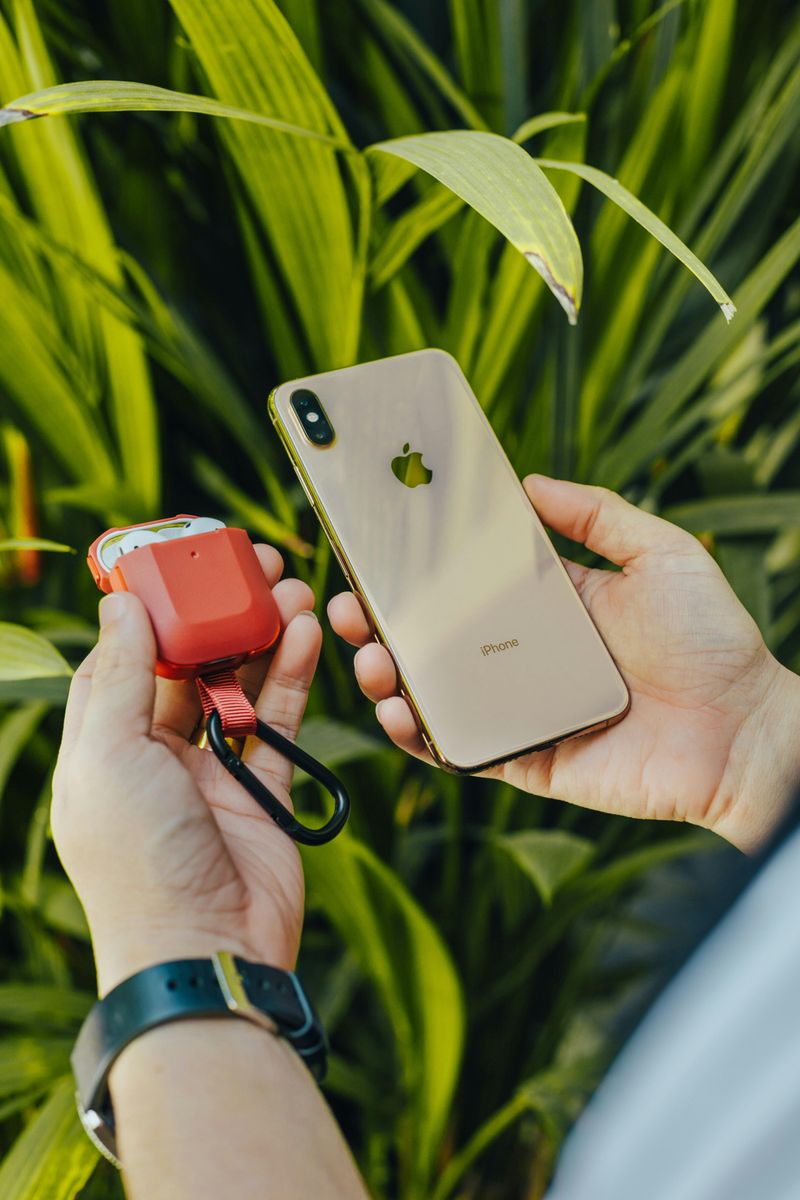
Every fall, a new phone drops and suddenly last year’s model feels ancient.
Boomers, who used the same landline for twenty years, genuinely struggle to understand upgrading a perfectly working device just because a slightly better camera exists.
The newest flagship smartphones now regularly cost over $1,000.
Most people keep their phones for about two years before upgrading, meaning they spend roughly $500 a year just staying current.
Phones from two or three generations ago handle nearly every daily task just as well.
Waiting an extra year or two before upgrading, or buying a certified refurbished model, can save you serious cash without any real sacrifice.
Comments
Loading…