
 Jade Reed
Saturday mornings in the 1960s had a rhythm all their own.
Before smartphones, streaming services, and endless digital distractions, weekends unfolded with simple pleasures that brought families and neighbors together.
These unhurried rituals created memories that still tug at the hearts of those who lived them, reminding us of a time when life moved just a little bit slower.
1. Reading the Actual Newspaper Over Breakfast
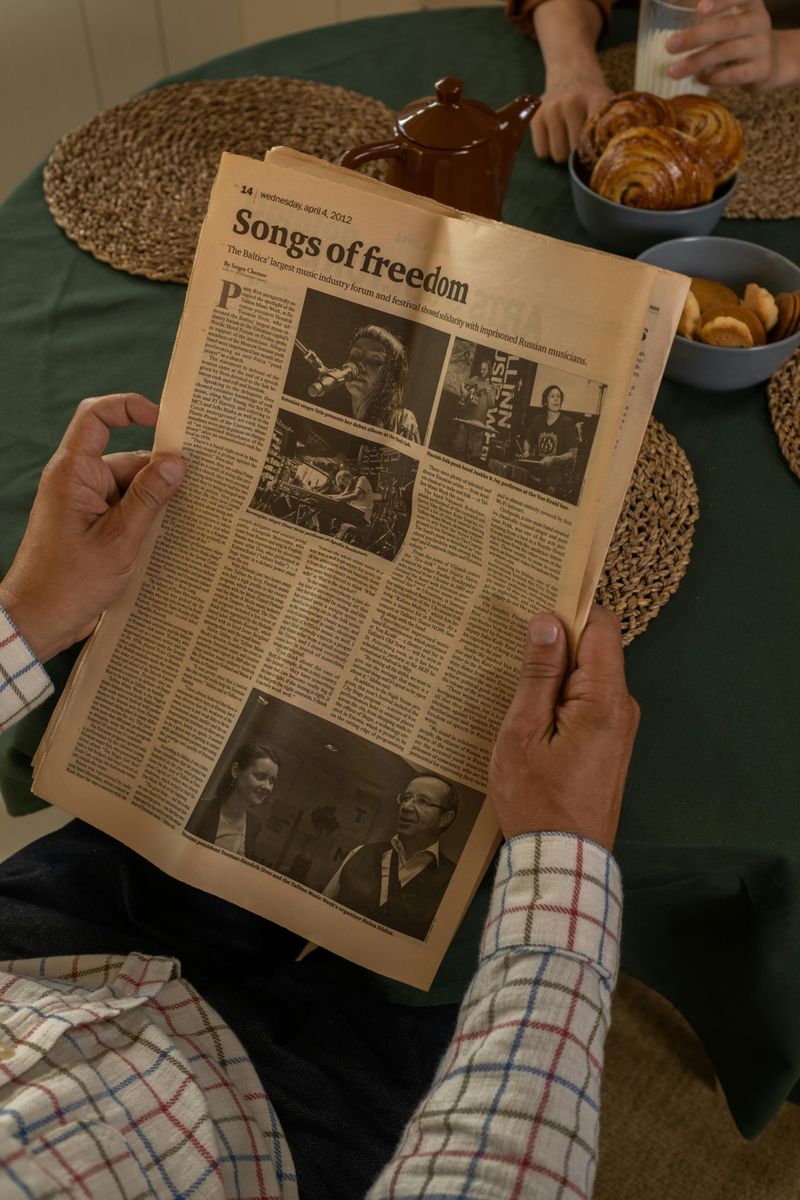
Black ink smudged on fingertips while steam rose from coffee cups.
Parents spread sections across the breakfast table, claiming their favorite parts first while kids reached for the comics.
The crossword puzzle became a family challenge, with everyone shouting answers between bites of toast.
Headlines sparked conversations that lasted long after the dishes were cleared.
This morning ritual created a shared experience that bound families together.
Unlike scrolling through individual phones today, everyone engaged with the same stories, debated the same issues, and laughed at the same cartoons in real time.
2. Listening to the Radio While Doing Chores
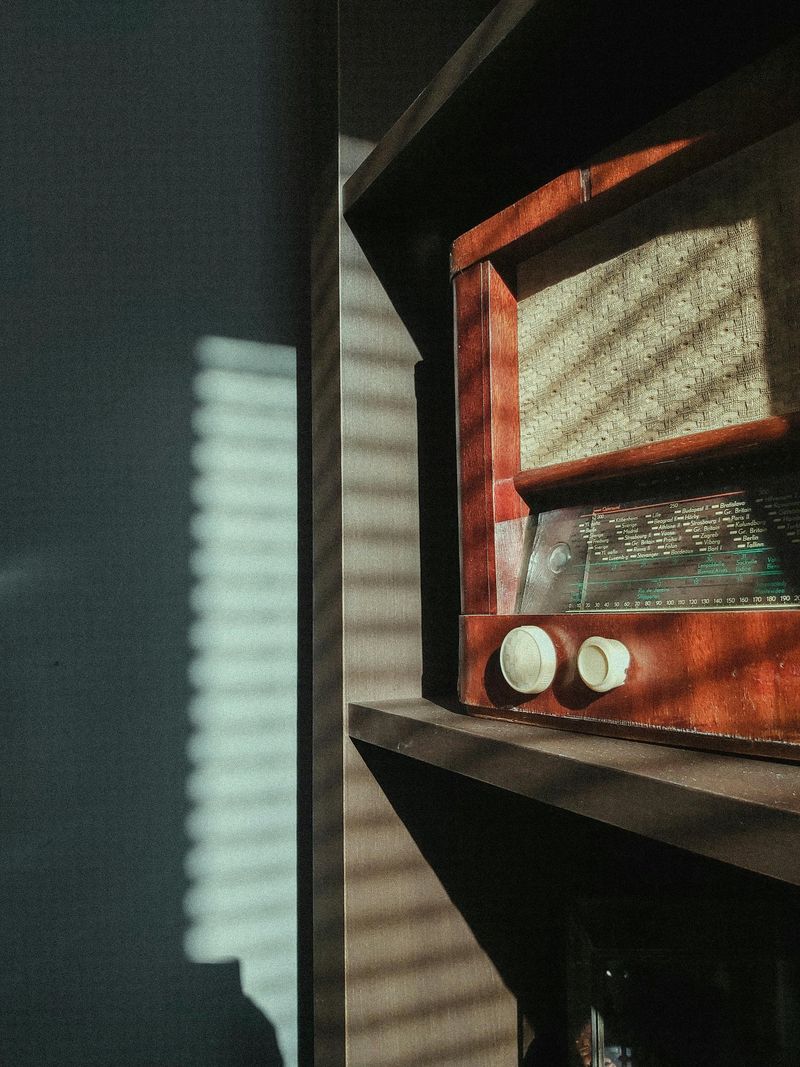
Familiar voices of local DJs filled homes as families tackled weekend cleaning.
The radio sat proudly on the kitchen counter or living room shelf, becoming the morning’s soundtrack while dust cloths swished and vacuum cleaners hummed.
Everyone knew the top hits because they heard them together.
Moms sang along while folding laundry, dads whistled while fixing things, and kids danced with brooms instead of complaining about chores.
Radio personalities felt like friends who visited every Saturday morning.
They told jokes, shared local news, and created a sense of community that made even mundane tasks feel connected to something bigger.
3. Going to the Bank and Chatting With the Teller
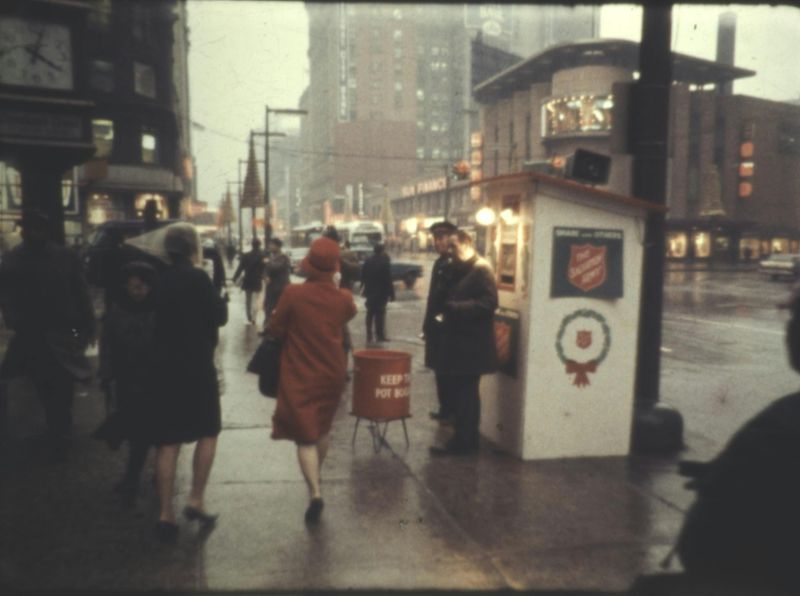
Banks hummed with conversation instead of beeping ATMs.
Tellers remembered your name, asked about your kids’ baseball games, and might even comment on the weather while counting out your cash.
Waiting in line meant chatting with neighbors you hadn’t seen all week.
These Saturday errands doubled as social gatherings where people actually looked each other in the eye and shared genuine moments.
Depositing a paycheck or withdrawing grocery money took longer, sure, but nobody minded.
The personal connection made banking feel less like a transaction and more like visiting an old friend who happened to handle your money.
4. Kids Playing Outside Unsupervised Until Lunch
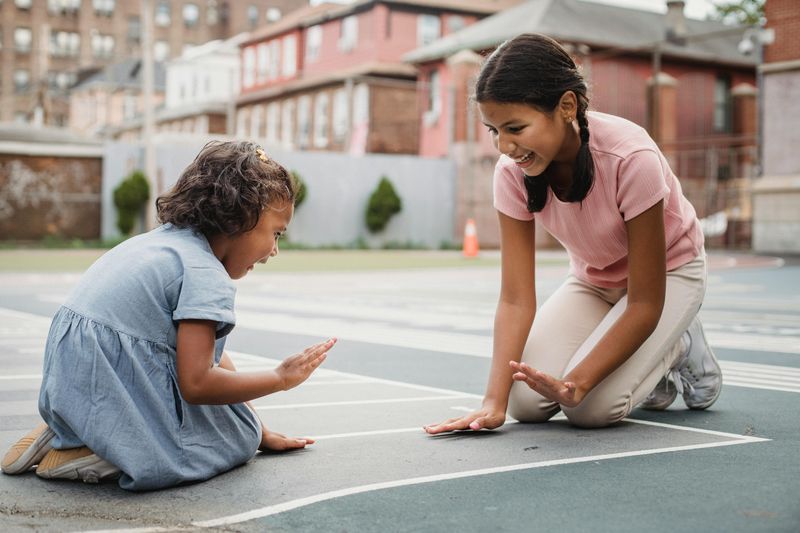
Screen doors slammed as kids poured into yards and streets right after breakfast.
No scheduled playdates, no hovering parents, just pure freedom to roam the neighborhood until hunger called them home.
They invented elaborate games with nothing but imagination and whatever they found lying around.
Sticks became swords, cardboard boxes transformed into forts, and the whole block served as their adventure playground.
Parents knew their kids were somewhere nearby, probably safe, definitely building independence.
This unsupervised time taught problem-solving, conflict resolution, and creativity in ways no organized activity ever could, creating resilient kids who learned through doing.
5. The Weekly Grocery Store Run
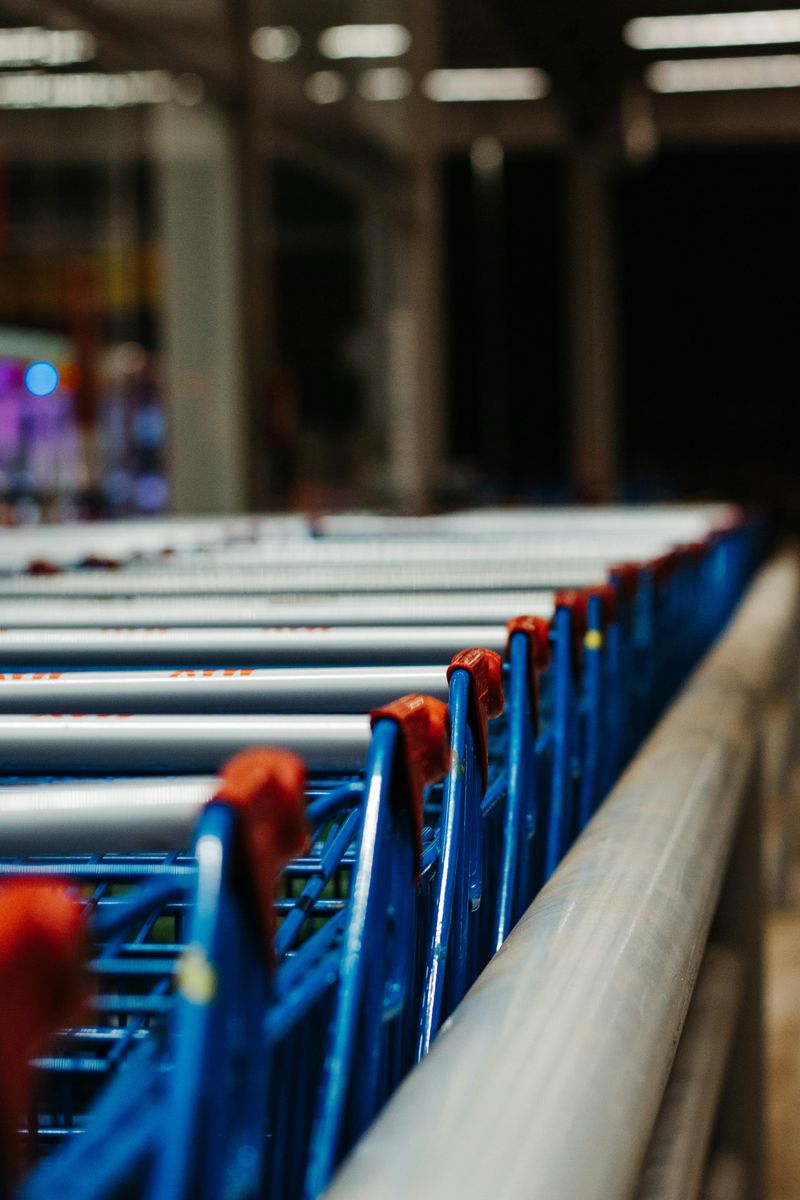
Grocery shopping meant more than grabbing items and scanning them yourself.
Clerks greeted regular customers by name, recommended recipes, and carefully bagged groceries while making small talk about the upcoming week.
Families wandered aisles together, discussing meal plans and comparing prices without rushing.
Kids learned about budgeting and food choices by watching parents thoughtfully select ingredients instead of tossing things into carts while distracted by phones.
The butcher knew how you liked your meat cut.
The produce manager would set aside the best tomatoes for loyal customers.
Shopping felt personal, unhurried, and connected to the community in meaningful ways.
6. Writing Letters and Paying Bills by Hand
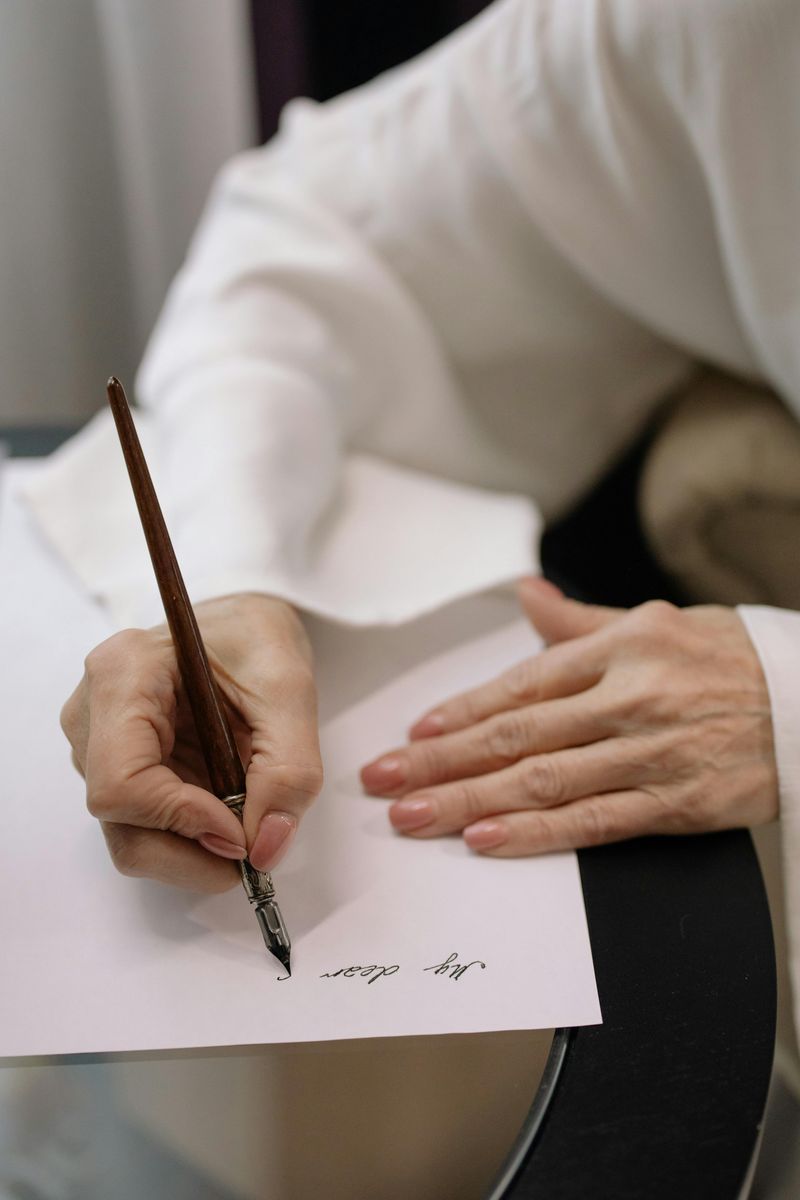
Saturday mornings included quiet desk time with pen, paper, and stamps lined up like soldiers.
Adults sat down to handwrite checks for utilities, mortgage payments, and department store bills, each signature a deliberate act of responsibility.
Letters to distant relatives got written between bill payments.
The physical act of writing slowed everything down, making people think carefully about their words and their finances.
Licking stamps and sealing envelopes might sound tedious now, but it created a meditative routine.
This analog task demanded focus and presence that today’s autopay systems never require, turning mundane responsibilities into mindful moments.
7. Coffee Klatches With Neighbors

Neighbors dropped by unannounced with fresh coffee cake or cookies still warm from the oven.
Kitchens became gathering spots where women especially found community, support, and genuine friendship over steaming cups and honest conversation.
These weren’t formal events requiring invitations or planning.
Someone would simply knock on the back door, coffee would get poured, and stories would flow freely for an hour or two.
Real problems got solved at these kitchen tables.
Advice was shared, gossip was exchanged, and bonds were strengthened through face-to-face connection that social media simply cannot replicate, no matter how many emojis we use.
8. Saturday Morning Cartoons as a Must-Watch Ritual
Kids woke themselves up before dawn without any alarm needed.
Saturday morning cartoons aired only once weekly, making them appointment viewing that felt earned and special rather than endless and available anytime.
Families gathered around a single television set, sharing the experience together.
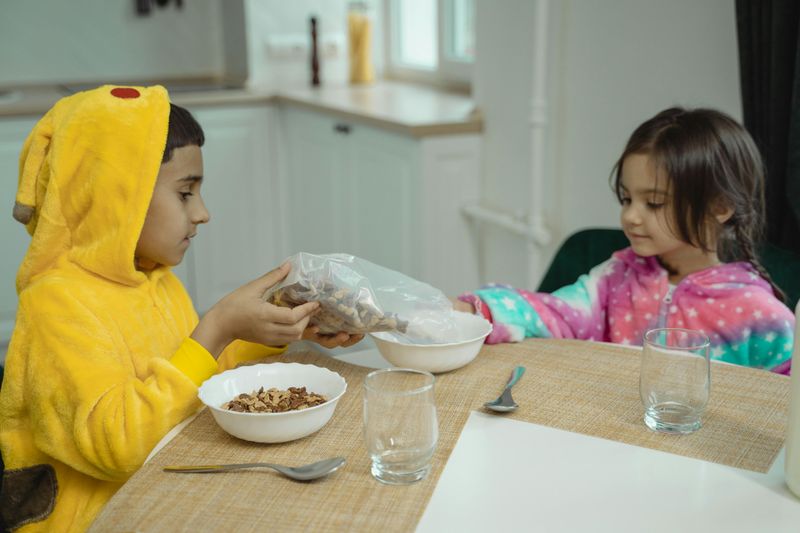
Kids sat cross-legged in pajamas, cereal bowls balanced carefully, completely absorbed in adventures that wouldn’t be repeated until next week.
The anticipation made it magical.
Missing an episode meant really missing it, with no streaming option to catch up later.
This scarcity created value and excitement that today’s unlimited entertainment simply cannot match.
9. Washing the Family Car in the Driveway
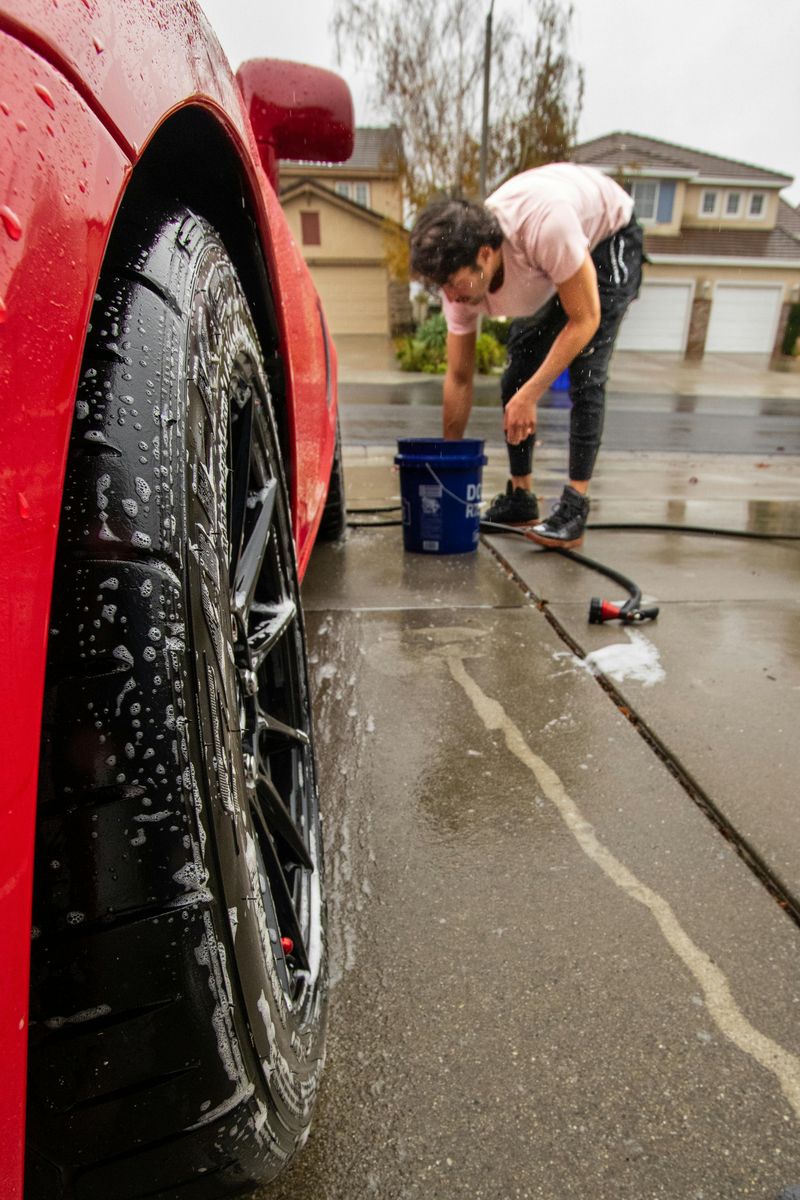
Buckets, sponges, and garden hoses came out as families tackled the weekly car wash together.
Dads supervised while kids splashed more water on each other than on the vehicle, turning a simple chore into quality family time.
Radios played from open garage doors while neighbors wandered over to chat.
Conversations about baseball games, local news, and weekend plans flowed naturally as soap suds dripped down driveways.
This ritual doubled as neighborhood bonding time.
The simple act of washing a car outdoors created opportunities for connection that automatic car washes and garage-parked vehicles have eliminated from modern suburban life.
Comments
Loading…