
 Hailey Watson
Americans are feeling the squeeze as prices climb across nearly every part of daily life.
From the grocery store to the gas pump, wallets are getting lighter while bills pile higher.
Many families now face tough choices about what they can afford and what they must cut back on.
The good news is that people aren’t taking these increases lying down—they’re finding creative ways to fight back and stretch every dollar.
1. Healthcare Costs

Medical bills have become a major source of stress for American families.
Insurance premiums are jumping by nearly 9% next year, the biggest spike in over a decade.
Even people with insurance are skipping doctor visits because they can’t afford the copays and deductibles.
About 41% of insured Americans postponed medical appointments last year due to cost concerns.
Families are now comparing prices for procedures, using telehealth services, and asking doctors about generic medications.
Some are even traveling to other countries for dental work and surgeries.
Many consumers are demanding transparency in medical pricing and pushing for legislation to cap out-of-pocket expenses.
2. Housing Expenses
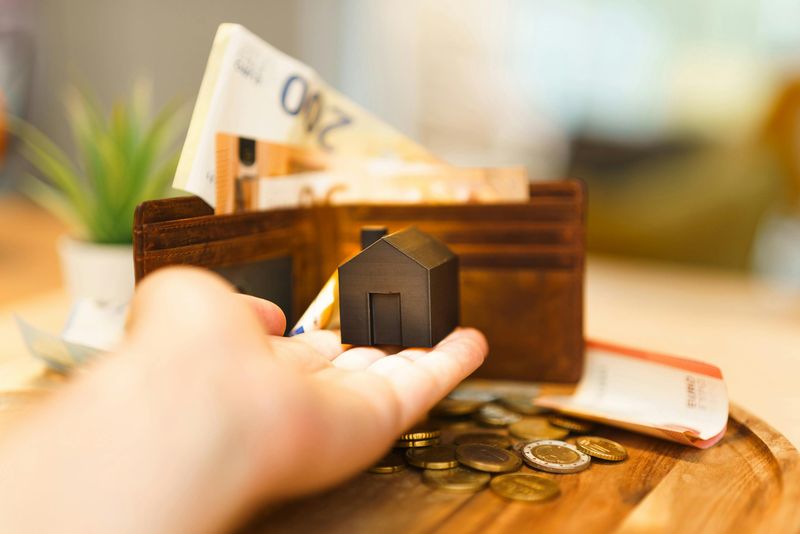
Finding an affordable place to live has become nearly impossible for many Americans.
Rents jumped 3.8% last year, the sharpest increase since 2011.
Meanwhile, buying a home now requires an annual income of over $121,000 for the average property.
Young adults are staying with parents longer, and roommates are becoming the norm even for people in their thirties.
Renters are negotiating lease terms more aggressively and looking at smaller towns where housing remains affordable.
Some are even converting vans and RVs into mobile homes.
Housing advocacy groups are pressuring local governments to build more affordable units and regulate rent increases in hot markets.
3. Food Prices
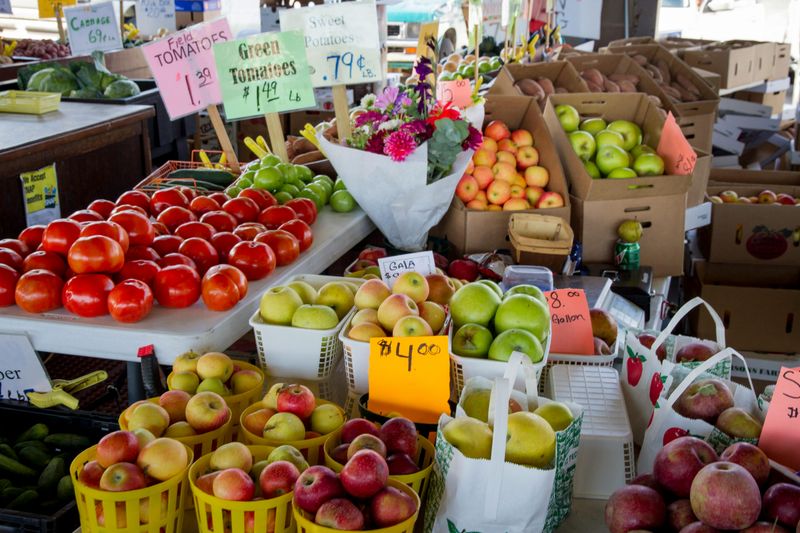
Grocery shopping has turned into a budgeting challenge as food prices continue their upward march.
A cart that once cost $100 now rings up closer to $130 or more.
Families are noticing smaller package sizes even as prices stay the same or increase.
Shoppers are getting creative by switching to store brands, clipping digital coupons, and buying in bulk when possible.
Meal planning has made a comeback as people reduce food waste and cook from scratch more often.
Community gardens and farmers markets are seeing increased traffic.
Some consumers are organizing buying clubs and boycotting brands that raise prices without clear justification from their suppliers.
4. Energy and Utility Costs
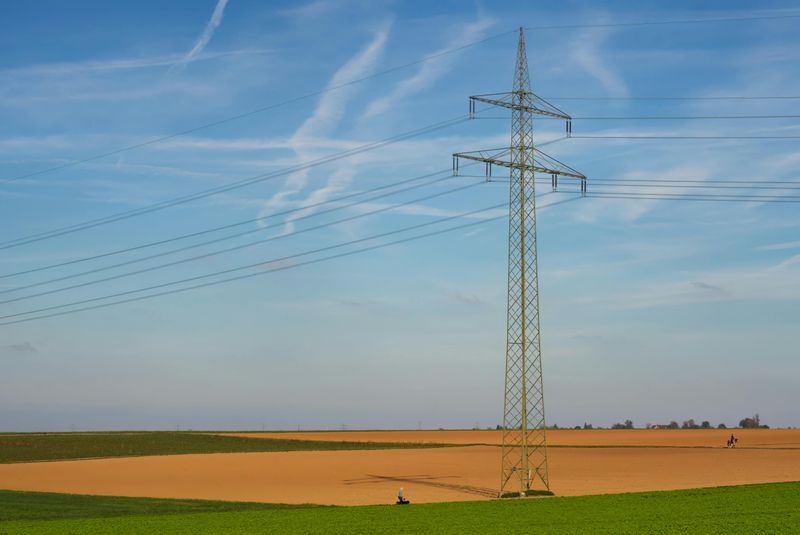
Opening the electric bill has become an unpleasant surprise for households nationwide.
Electricity prices rose 6.2% while natural gas jumped a whopping 13.8% over the past year.
Winter heating bills and summer cooling costs are forcing families to make uncomfortable choices.
People are investing in programmable thermostats, sealing drafts, and switching to LED bulbs throughout their homes.
Some are installing solar panels or joining community solar programs.
Unplugging devices and doing laundry during off-peak hours have become common practices.
Consumer groups are challenging utility rate hikes and demanding better energy efficiency programs from power companies.
5. Childcare Expenses

Childcare costs have skyrocketed to over $13,000 per year for one child, a 30% jump since 2020.
For many families, this expense rivals or exceeds their mortgage payment.
Working parents face impossible math when childcare costs nearly equal one person’s salary.
Some parents are coordinating schedules to work opposite shifts and avoid daycare altogether.
Others are forming childcare co-ops with neighbors or hiring nannies as a shared expense.
Grandparents are stepping in more often, sometimes relocating to help.
Advocacy groups are pushing for universal pre-K programs and tax credits that actually cover the real cost of quality childcare services.
6. Transportation Costs
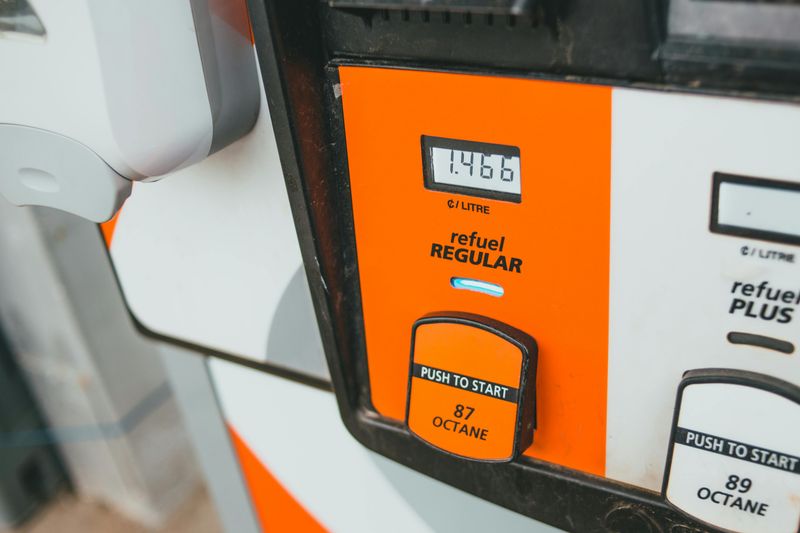
Getting around has become significantly more expensive whether you drive, take transit, or use rideshares.
New cars average $48,334 with monthly payments around $736.
Gas prices fluctuate wildly, and even used vehicles command premium prices.
Consumers are holding onto older vehicles longer and doing basic maintenance themselves when possible.
Carpooling apps and bike commuting are gaining popularity in urban areas.
Some families are downsizing to one vehicle or exploring electric options despite higher upfront costs.
Public pressure is mounting for better mass transit options and infrastructure that supports alternative transportation methods beyond personal vehicles.
7. Education Expenses

The dream of higher education is becoming financially nightmarish for many families.
Tuition, fees, textbooks, and room and board continue climbing faster than inflation.
Student loan debt has reached crisis levels, affecting graduates for decades after they leave campus.
Students are increasingly choosing community colleges for the first two years before transferring.
Others are exploring trade schools, apprenticeships, and online certification programs.
Families are having honest conversations about return on investment for different degree programs.
Parents and students alike are demanding more affordable options and questioning whether traditional four-year degrees justify their astronomical price tags anymore.
8. Insurance Premiums

Insurance premiums across the board are eating up bigger chunks of household budgets.
Health, auto, and homeowners insurance have all seen steep increases.
What was supposed to provide peace of mind is now causing financial anxiety.
Consumers are shopping around more frequently, comparing quotes from multiple providers annually.
Many are raising deductibles to lower monthly premiums, though this increases risk.
Some are bundling policies or dropping coverage types they consider less essential.
Regulators are facing pressure to investigate whether insurance companies are raising rates beyond what’s justified by their actual claim costs and risks.
9. Consumer Goods
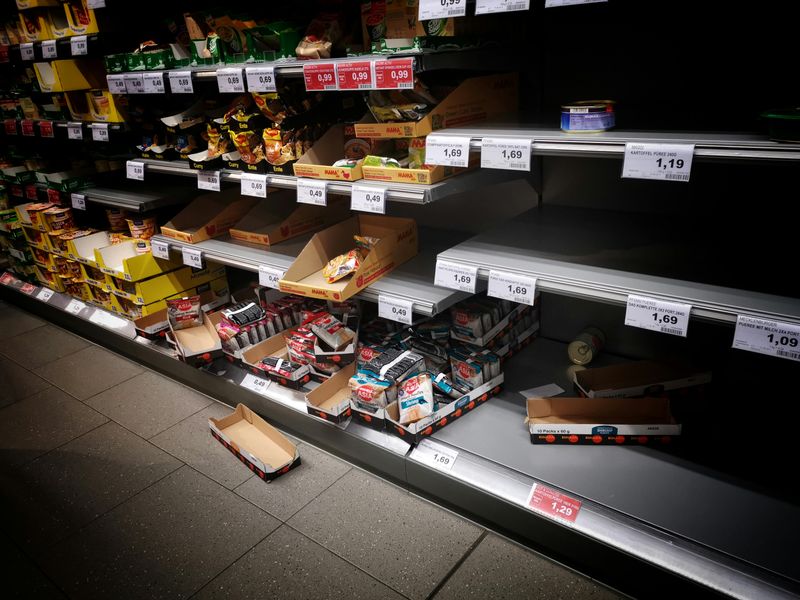
Even basic household items and clothing have joined the price increase parade.
That shirt that used to cost $20 now rings up at $28.
Household cleaners, paper products, and personal care items all cost noticeably more than just a few years ago.
Shoppers are embracing thrift stores, consignment shops, and online resale platforms.
DIY solutions for cleaning products and home goods are trending on social media.
People are buying fewer items but choosing higher quality pieces that last longer.
Consumer pushback includes boycotting brands with unjustified markups and supporting companies that maintain fair pricing even during inflationary periods.
Comments
Loading…