
 Chloe Peterson
Back in the 1970s, neighbors knew each other by name, shared what they had, and looked out for one another without hesitation.
Front porches were gathering spots, and simple acts of kindness created bonds that made entire streets feel like extended families.
Today, many of us barely wave as we rush from car to door, missing out on the warmth and support that once made neighborhoods thrive.
Bringing back these neighborly gestures could help us reconnect, build trust, and rediscover the joy of genuine community.
1. Porch Hellos

Porches used to be the heart of neighborhood life, where people sat outside on warm evenings and naturally connected with passersby.
A friendly wave or quick chat created familiarity without any pressure or awkwardness.
Neighbors learned each other’s names, faces, and daily routines just by being present and approachable.
This simple habit built trust over time, making streets feel safer and more welcoming.
Kids knew which adults to turn to if they needed help, and adults felt comfortable asking for small favors.
Today, we rush indoors and miss these organic moments that once wove communities together.
Reviving porch hellos could soften our isolated routines and remind us that connection doesn’t require formal plans or special occasions.
2. Borrowed Cups of Sugar

Running out of sugar or flour meant knocking on a neighbor’s door, not driving to the store.
These small requests created natural opportunities for conversation and cooperation that built lasting friendships.
Borrowing and lending became a rhythm that kept neighbors connected and interdependent.
People felt comfortable asking for help because they knew they’d return the favor someday.
This exchange fostered generosity and removed the stigma around needing something from someone nearby.
It also meant you always had a backup plan when life threw a curveball.
Bringing back this practice could break down barriers and remind us that asking for help strengthens relationships rather than weakening them.
3. Tool Lending

Not everyone owned a ladder, hedge trimmer, or power drill, so neighbors shared what they had freely.
Lending tools meant stopping by to chat, offering advice on the project, and sometimes even pitching in to help.
These interactions turned practical needs into bonding moments.
Instead of hoarding equipment in locked garages, people trusted each other to borrow and return items in good condition.
This mutual support saved money and encouraged cooperation over competition.
It also meant you didn’t have to own everything yourself to get things done.
Reviving tool lending could reduce waste, strengthen trust, and give us more reasons to knock on each other’s doors with gratitude and goodwill.
4. Potluck Dinners

Potlucks brought entire neighborhoods together without anyone shouldering the burden alone.
Everyone contributed a dish, which lowered the pressure and made hosting feel easy and inclusive.
These casual gatherings mixed families, ages, and personalities in ways that formal parties never could.
Sharing homemade food sparked conversations about recipes, family traditions, and cultural backgrounds.
Kids played together while adults laughed and swapped stories, building friendships that extended beyond the dinner table.
The relaxed vibe encouraged participation from even the shyest neighbors.
Bringing back potluck dinners could help us rediscover the joy of eating together, celebrating diversity, and creating memories that make neighborhoods feel like home.
5. Drop-In Chats
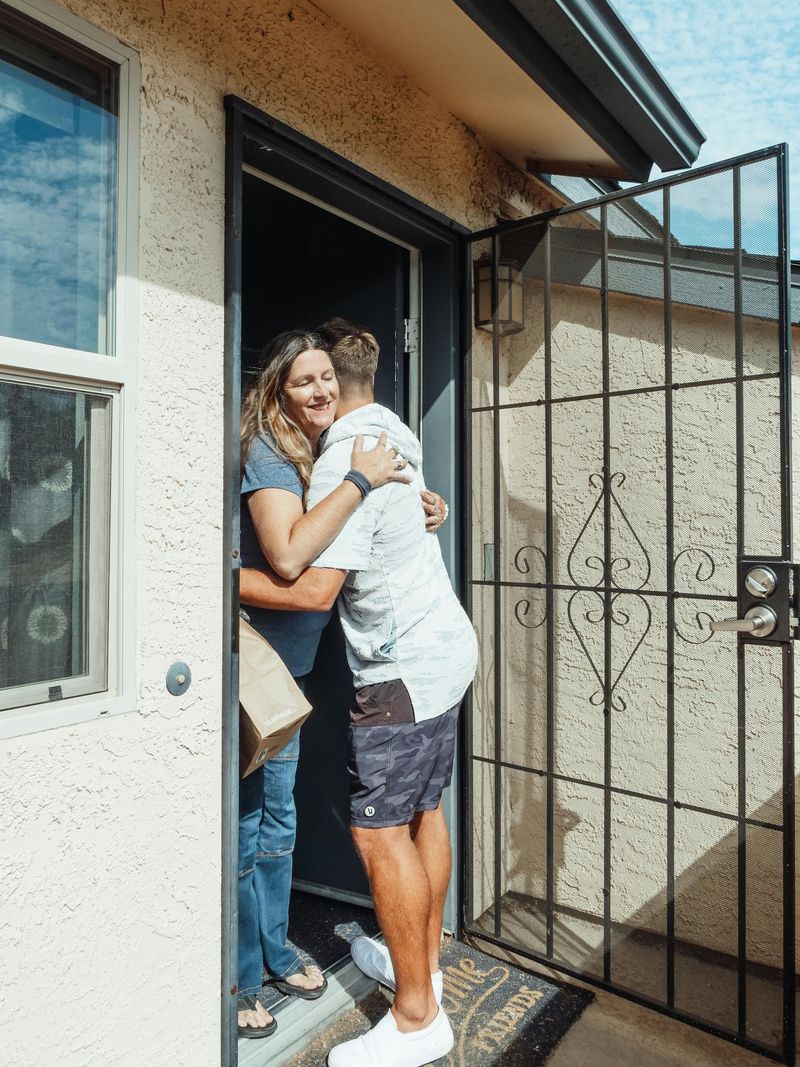
Stopping by a neighbor’s house unannounced wasn’t rude—it was normal and even expected.
These spontaneous visits kept relationships fresh and required no formal invitations or calendar coordination.
A quick hello at the door or a few minutes on the porch kept everyone connected without demanding too much time.
People felt comfortable saying, “Just checking in,” or “Thought I’d say hi,” without overthinking it.
This casualness removed social anxiety and made friendships feel effortless and genuine.
Neighbors knew they could count on each other without needing a reason or occasion.
Reviving drop-in chats could ease our over-scheduled lives and remind us that meaningful connection doesn’t always require planning ahead.
6. Errand Tag-Teams

Heading to the store meant asking neighbors if they needed anything picked up along the way.
This simple courtesy saved trips, built goodwill, and made errands feel less like chores.
People looked out for each other naturally, especially for elderly neighbors or busy parents.
Offering to grab milk, stamps, or prescriptions showed care without requiring grand gestures or significant effort.
Neighbors reciprocated freely, creating a web of mutual support that made daily life smoother for everyone.
It also meant you always had someone to rely on when you were stuck at home.
Bringing back errand tag-teams could lighten our loads, reduce isolation, and remind us that small acts of service strengthen entire communities.
7. Kids Playing Freely
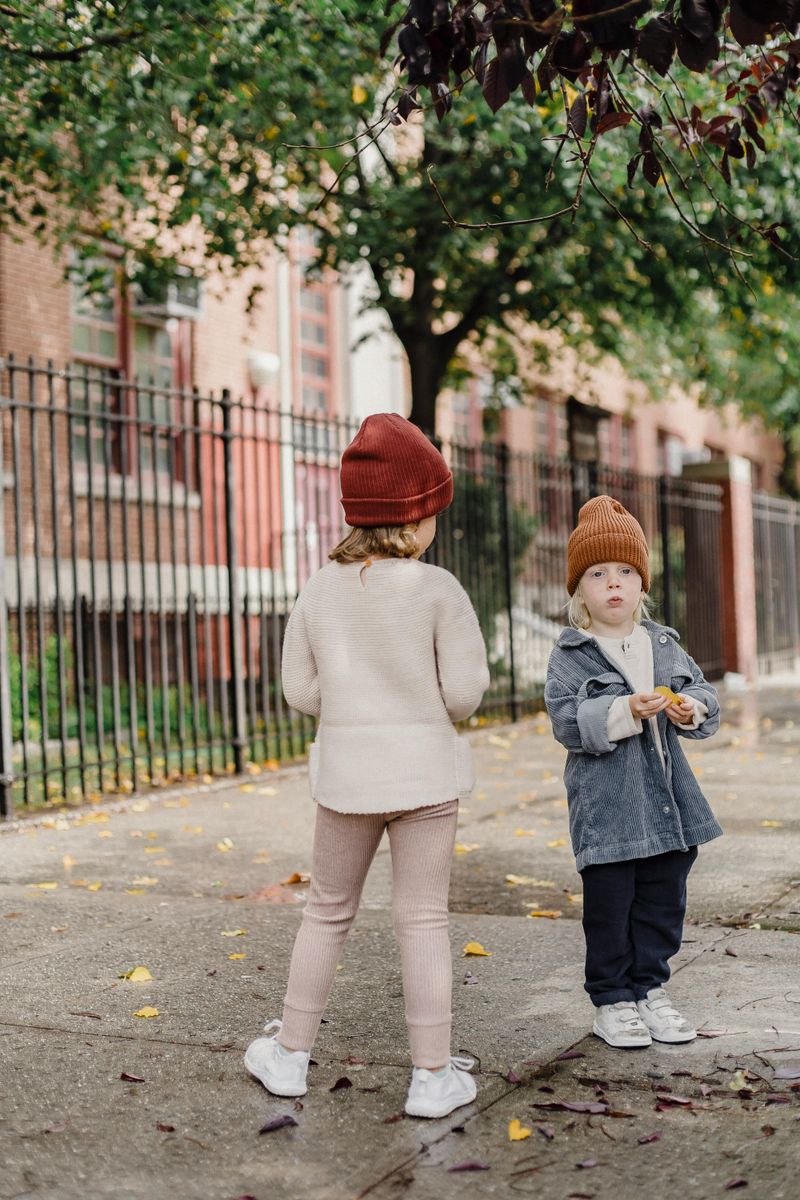
Children spent entire afternoons roaming the neighborhood, riding bikes, and inventing games without constant adult supervision.
Parents trusted that other adults on the block kept a quiet, watchful eye without hovering.
This shared sense of responsibility created a safety net that allowed kids to explore and grow independently.
Neighbors knew which children belonged to which families and felt comfortable gently correcting behavior or offering help when needed.
Kids learned social skills, problem-solving, and resilience through unstructured play with peers of all ages.
The freedom fostered creativity and confidence that structured activities couldn’t replicate.
Reviving this communal approach could give kids healthier childhoods and remind adults that raising children works best as a shared village effort.
8. Handwritten Notes and Letters

Leaving a handwritten note on a neighbor’s door to say thank you, check in, or share good news added a personal touch that texts and emails can’t match.
The effort of writing by hand showed genuine care and thoughtfulness.
These little messages brightened days and strengthened bonds in ways that felt intimate and lasting.
Notes didn’t require immediate responses, which made them less stressful than phone calls or unexpected visits.
People saved them as keepsakes, rereading words of encouragement or gratitude long after they were written.
The tangible nature of paper made the gesture feel more meaningful and intentional.
Bringing back handwritten notes could slow us down, deepen our connections, and remind us that thoughtful communication never goes out of style.
9. Sharing Homemade Treats or Recipes

Dropping off freshly baked cookies, a casserole, or a jar of homemade jam was a common way to show care and generosity.
These edible gifts required time and effort, which made them feel especially meaningful.
Neighbors also swapped family recipes, passing down culinary traditions and creating delicious reasons to stay connected.
Sharing food broke down social barriers and invited conversation about flavors, techniques, and memories tied to certain dishes.
It didn’t matter if the treats were fancy—what mattered was the thought and warmth behind them.
These gestures turned kitchens into places of community building.
Reviving this tradition could fill our neighborhoods with sweetness, gratitude, and the simple joy of tasting something made with love by someone who cares.
Comments
Loading…