
 Hailey Watson
Being a woman comes with a unique set of everyday struggles that often go unnoticed by everyone else.
From the pressure to look presentable at all times to the constant balancing act between work, relationships, and personal expectations, women face challenges that outsiders rarely think about.
Whether it’s dealing with unsolicited advice, managing emotional labor, or navigating safety concerns that men never have to consider, these daily frustrations are both universal and exhausting.
In this article, we highlight 9 everyday problems only women truly understand—the ones that make you sigh, laugh, or feel instantly seen.
If you’re a woman, you’ll relate.
If you’re not, you’ll finally understand what women deal with quietly every single day.
1. Finding Clothes with Real Pockets
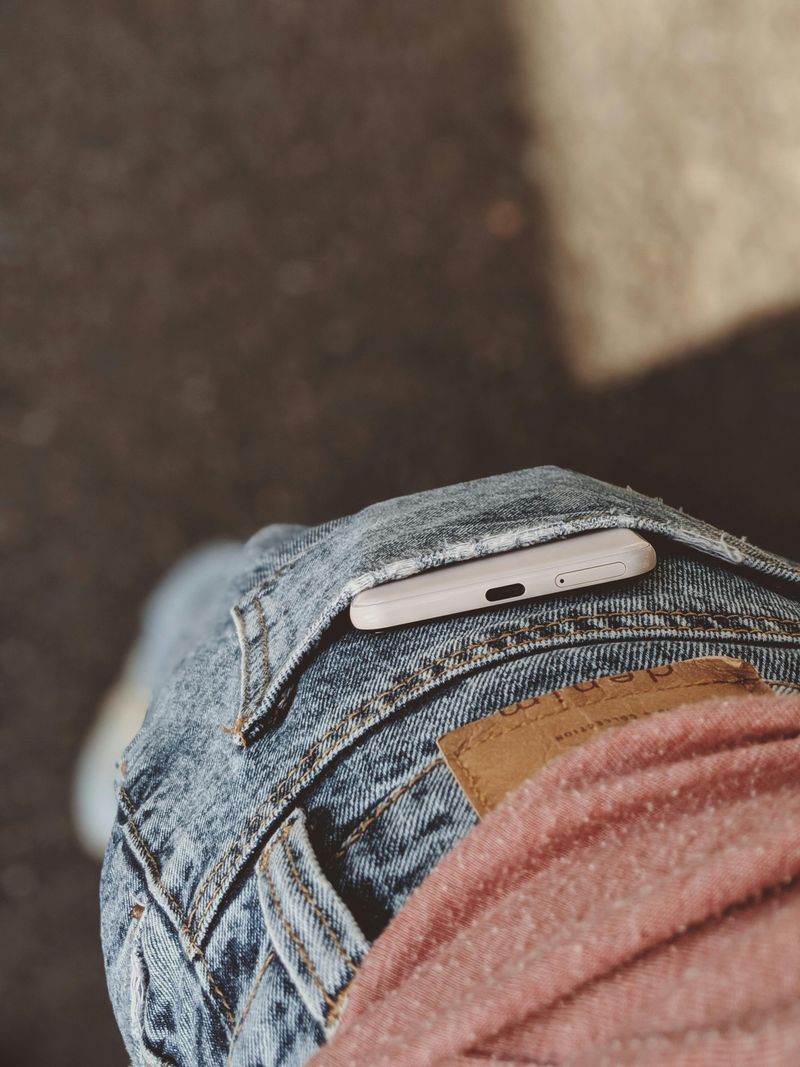
Ever bought a cute pair of pants only to discover the pockets are sewn shut or completely fake?
Women’s clothing designers seem to think pockets are optional accessories rather than essential features.
This frustrating reality means constantly carrying a purse or stuffing items into tiny, useless pocket spaces.
Men’s pants come with deep, functional pockets that can hold phones, wallets, and keys comfortably.
Meanwhile, women struggle to fit even a chapstick into their shallow pocket openings.
The lack of practical storage options affects daily convenience and forces reliance on bags.
This design choice prioritizes appearance over functionality, leaving women without simple solutions for carrying everyday items.
2. The Constant Fear of Walking Alone at Night
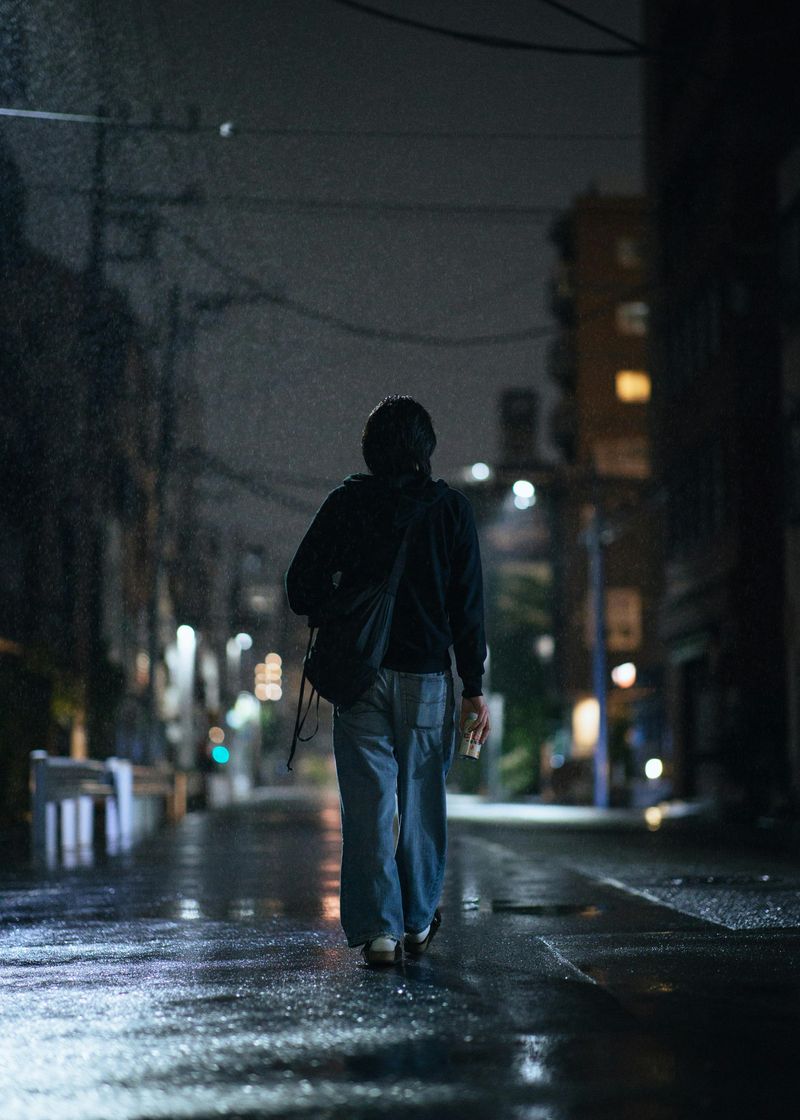
Walking home after dark transforms into a calculated risk assessment every single time.
Women instinctively clutch their keys like weapons, stay on well-lit paths, and constantly check behind them.
What should be a simple walk becomes an anxiety-filled journey.
Many women text friends their locations, fake phone conversations, or avoid certain routes entirely.
The mental exhaustion of staying alert and prepared for potential danger is draining.
This hypervigilance isn’t paranoia but a necessary survival strategy based on real concerns.
Did you know?
Studies show that over 70% of women feel unsafe walking alone after dark, compared to just 30% of men.
This fear limits freedom and independence in ways others rarely consider.
3. Dealing with Menstrual Cramps and Period Symptoms

Experiencing intense stomach cramps, back pain, headaches, and mood swings every single month.
For many women, periods bring debilitating discomfort that interferes with work, school, and daily activities.
Yet society often dismisses this pain as something to simply endure quietly.
Some women experience symptoms so severe they can barely get out of bed.
The unpredictability of flow, sudden cramps, and emotional rollercoasters make planning difficult.
Managing these symptoms while maintaining normal responsibilities requires incredible strength.
Period products are expensive, and the constant worry about leaks adds another layer of stress.
This monthly challenge affects millions of women worldwide, yet it remains inadequately addressed and understood.
4. Being Judged for Emotional Expression
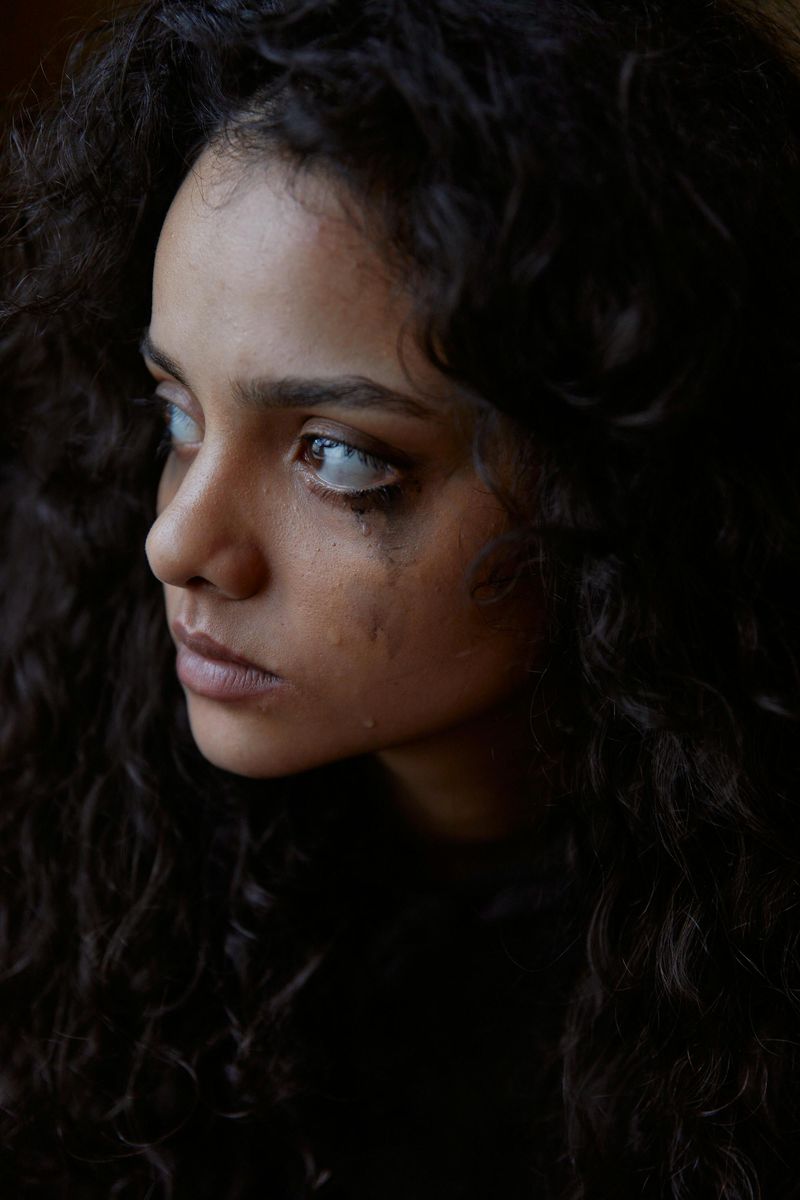
Crying at work?
You’re too emotional and unprofessional.
Standing firm on a decision?
You’re being aggressive or bossy.
Women navigate impossible standards when it comes to expressing feelings.
Any emotional response gets labeled and criticized in ways men rarely experience.
Showing passion about ideas can be misinterpreted as being overly sensitive.
Meanwhile, suppressing emotions leads to accusations of being cold or unfriendly.
This double standard creates exhausting mental gymnastics about how to appropriately react in different situations.
The pressure to appear pleasant and agreeable while also being taken seriously is a constant balancing act.
Women deserve the same freedom to express genuine emotions without facing unfair judgment or career consequences.
5. The Pressure to Meet Beauty Standards
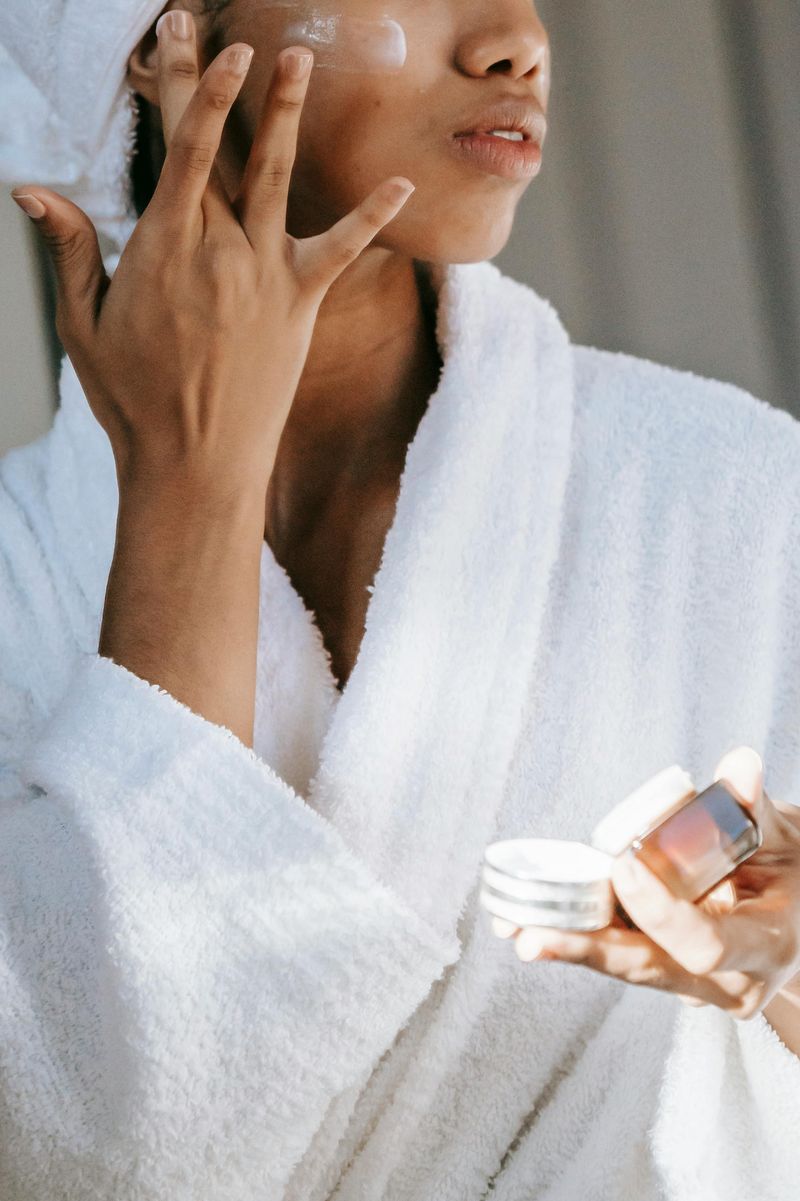
Society bombards women with impossible beauty expectations from every direction.
Smooth skin, perfect hair, flawless makeup, ideal body shape—the list never ends.
Maintaining these standards requires significant time, money, and mental energy that many people don’t recognize.
A simple morning routine can take an hour or more when factoring in skincare, makeup, and hair styling.
The financial burden of beauty products, salon visits, and treatments adds up quickly.
Women who choose not to participate face criticism for not making enough effort.
This constant pressure affects self-esteem and creates anxiety about appearance.
The expectation to look effortlessly beautiful while actually putting in tremendous effort is exhausting and unfair.
6. Workplace Gender Bias and Unequal Treatment
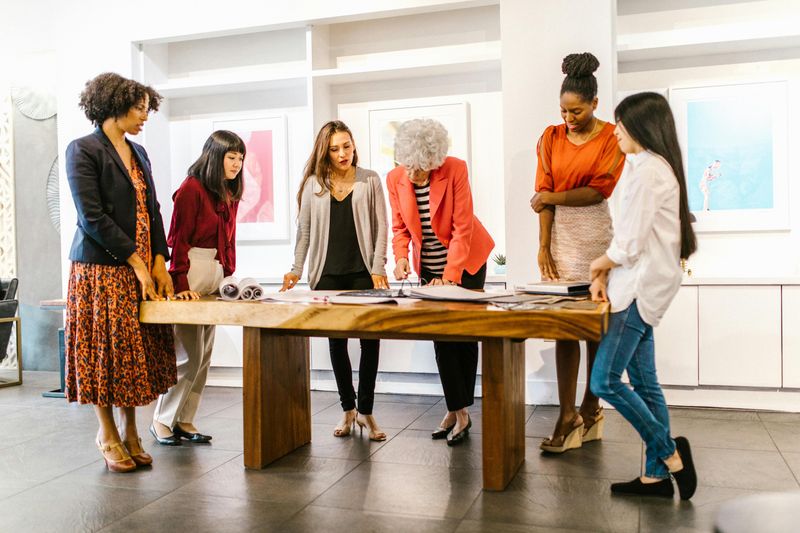
Speaking up in meetings only to have ideas ignored, then watching a male colleague say the exact same thing and receive praise?
This frustrating experience happens regularly to women in professional settings.
Gender bias shows up in subtle and obvious ways that undermine competence and contributions.
Women often work harder to prove their abilities while facing lower pay for the same roles.
Being perceived as less capable or too aggressive creates impossible situations.
The constant need to validate expertise and fight for recognition is mentally exhausting.
Advancement opportunities frequently favor men, even when women demonstrate equal or superior qualifications.
Breaking through these barriers requires persistence that shouldn’t be necessary in fair workplaces.
7. Hair Everywhere Except Where You Want It
Body hair grows abundantly on legs, underarms, and other areas requiring constant maintenance.
Meanwhile, eyelashes remain disappointingly short, and eyebrows need careful cultivation.
The irony of hair growth patterns frustrates women who spend countless hours managing unwanted hair.
Shaving, waxing, threading, and laser treatments consume time and money regularly.
Society judges women harshly for visible body hair while celebrating natural appearance on men.
This double standard creates pressure to maintain smooth skin constantly.
Hair removal methods often cause irritation, ingrown hairs, and discomfort.
The expectation to be hairless adds another burden to already lengthy grooming routines that many take for granted.
8. Being Interrupted and Talked Over
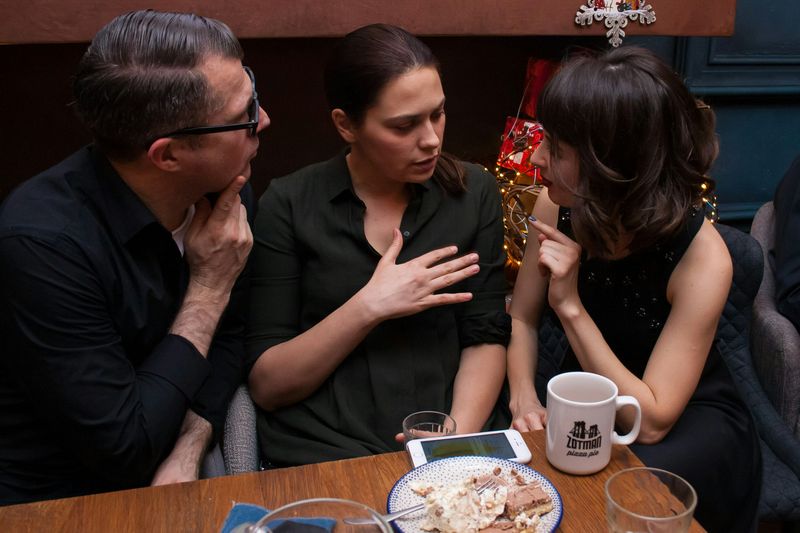
Starting to share an idea only to be cut off mid-sentence happens so frequently that many women stop trying.
Studies confirm that women get interrupted significantly more than men, especially in professional and mixed-gender settings.
This dismissive behavior communicates that their thoughts matter less.
The phenomenon even has a name: mansplaining occurs when men explain things to women in condescending ways, often about topics women already understand.
These interactions are insulting and diminish credibility.
Fighting to finish sentences shouldn’t be necessary in respectful conversations.
This pattern reinforces inequality and silences valuable perspectives.
Women deserve to speak without constantly battling for basic conversational respect and attention from others.
9. The Mental Load of Managing Everything
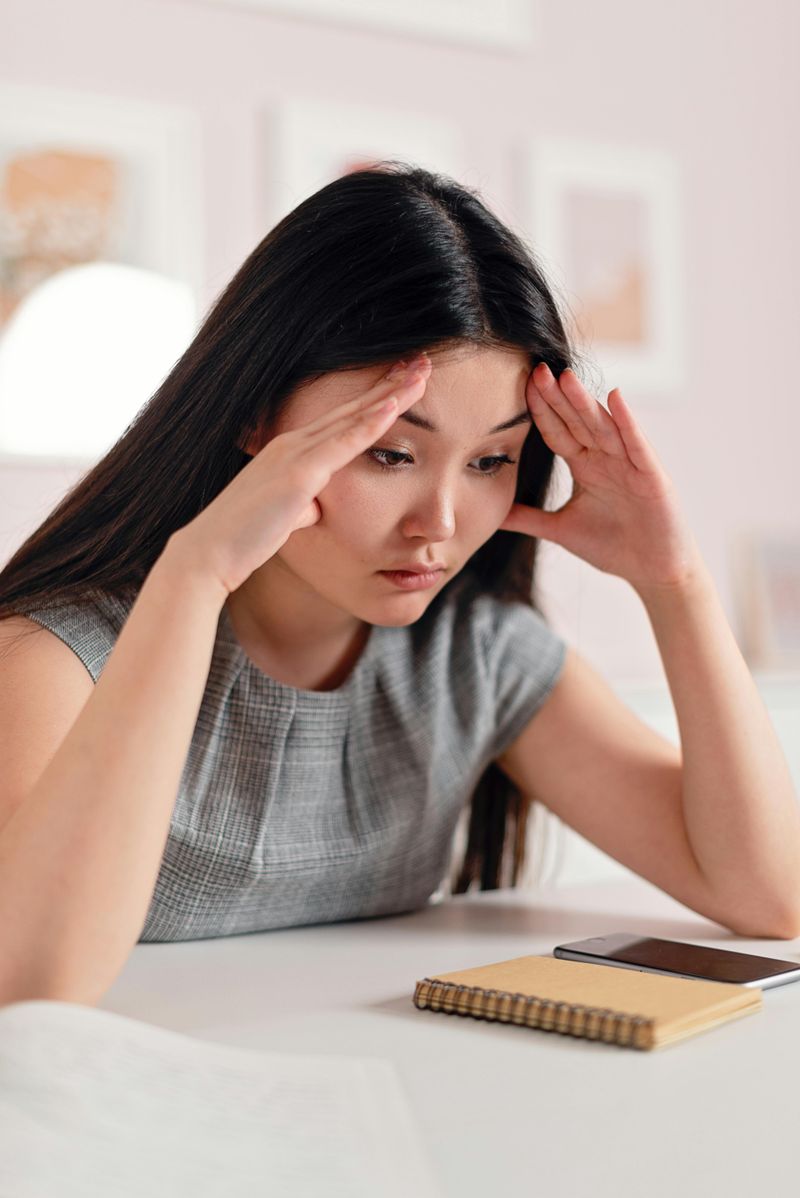
Remember doctor appointments, plan meals, track schedules, buy gifts, organize events, manage household supplies—the invisible labor of keeping life running falls disproportionately on women.
This mental load operates constantly in the background, creating exhaustion that others rarely acknowledge.
Even in partnerships where chores are shared, women typically carry the burden of remembering and planning what needs doing.
Being the default household manager means never truly relaxing.
The cognitive energy required for this ongoing coordination is substantial and undervalued.
This unpaid, unseen work affects mental health and career opportunities.
Recognition of this labor and equitable distribution would significantly improve women’s quality of life and reduce stress levels dramatically.
Comments
Loading…