
 Isabel Parker
Our grandparents and great-grandparents lived by a set of rules that shaped their daily routines and values. Many of these habits seem old-fashioned now, but they helped build strong communities and taught important life lessons.
Understanding what mattered to older generations can give us fresh perspective on our own fast-paced modern lives.
1. Writing Thank You Notes
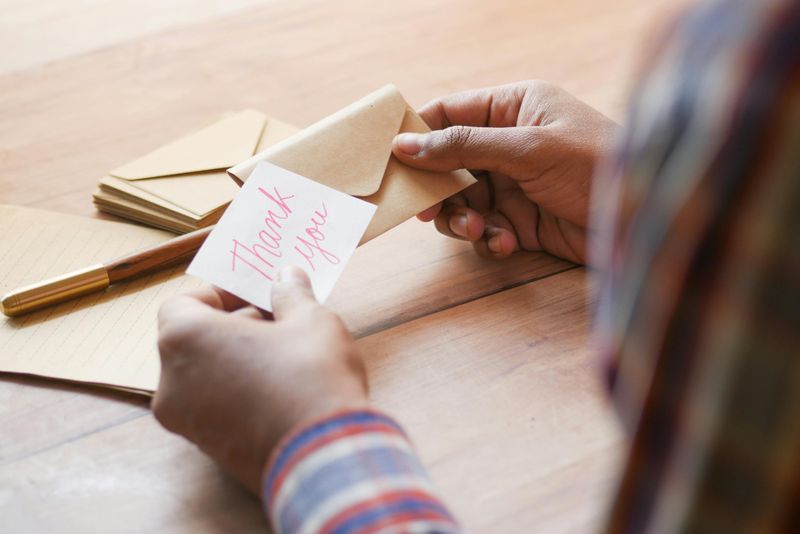
Gratitude had a paper trail back in the day.
Every birthday gift, dinner invitation, or kind gesture earned a handwritten note of thanks.
Grandma would sit at her desk with nice stationery, carefully choosing her words to show appreciation.
This wasn’t just about manners. Writing by hand forced people to slow down and truly think about what they wanted to say.
The receiver knew someone took real time and effort to acknowledge them.
Today, a quick text might seem easier, but it lacks that personal touch.
Those handwritten notes often became keepsakes, tucked away in boxes and rediscovered years later with a smile.
2. Keeping a Tidy Home
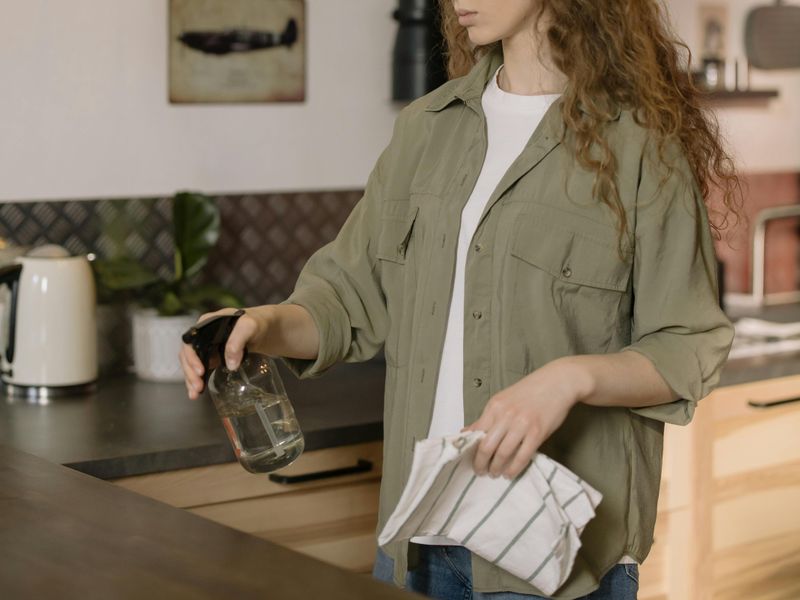
A messy house was considered a messy mind.
Older generations believed your home reflected who you were as a person.
Beds were made every morning without fail, dishes never sat in the sink overnight, and floors got swept daily.
Saturday mornings meant deep cleaning—dusting every surface, washing windows, and beating rugs outside.
Unexpected visitors could drop by anytime, so homes stayed guest-ready.
This constant upkeep taught discipline and pride in your space.
While modern life moves faster, that sense of order created calm environments.
A clean home meant you were responsible and respected yourself enough to maintain your surroundings properly.
3. Eating Dinner Together

Did you know families once turned off the TV for meals?
Dinnertime was sacred. Everyone gathered at the table at the same hour each evening, no excuses.
Parents asked about school, kids shared stories, and problems got discussed over pot roast and vegetables.
No one left until everyone finished eating.
This daily ritual kept families connected and informed about each other’s lives.
Arguments happened, sure, but so did laughter and important conversations.
Food tasted better when shared together. The habit built strong family bonds that lasted through tough times, creating memories that people cherished their whole lives.
4. Respecting Elders
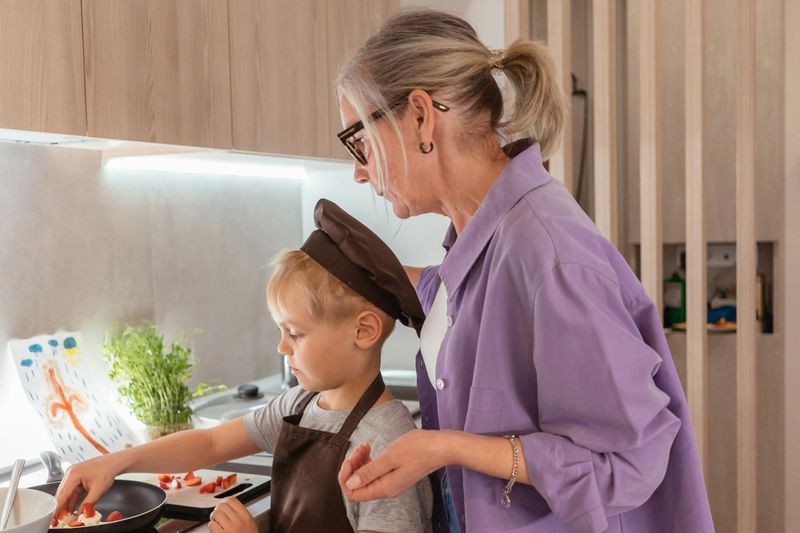
Children once stood when adults entered rooms.
Addressing older people as Sir or Ma’am wasn’t optional—it showed basic respect.
Kids gave up their seats on buses, helped carry groceries, and never interrupted when grown-ups talked.
Grandparents lived with families and their wisdom guided household decisions.
This respect wasn’t about fear. It recognized that older folks had survived wars, depressions, and hardships that taught valuable lessons.
Their experience mattered and deserved acknowledgment.
Young people learned patience and gained knowledge by listening instead of always talking.
This created stronger connections between generations and passed down important family stories and traditions.
5. Dressing Properly for Occasions

Sweatpants to the grocery store? Absolutely not.
People dressed according to where they were going.
Church meant your finest outfit, complete with polished shoes and pressed clothes.
Even running errands required looking presentable—men wore collared shirts and women put on dresses or nice slacks.
This wasn’t vanity. Dressing well showed you cared about yourself and respected others around you.
Kids learned early that appearance mattered and first impressions counted.
The effort people put into their clothing reflected the seriousness they gave to different activities and social situations, teaching responsibility and self-awareness from a young age.
6. Saving Money Regularly

Spare change never stayed in pockets long.
Every penny went into savings jars or bank accounts, no matter how small.
Older generations lived through hard times when money disappeared overnight, so they squirreled away whatever they could.
Payday meant immediately setting aside savings before spending on anything else.
People used cash envelopes for different expenses—groceries, utilities, entertainment—and when an envelope emptied, spending stopped.
Credit cards barely existed, so folks only bought what they could actually afford.
This discipline built financial security over time.
Emergencies didn’t cause panic because savings provided a cushion, teaching self-control and long-term thinking.
7. Maintaining Good Posture

Slouching earned immediate corrections from every adult nearby.
Stand up straight, shoulders back, chin up—these reminders came constantly.
Some girls even practiced walking with books balanced on their heads to perfect their posture.
Good posture wasn’t just about looks.
It showed confidence, self-respect, and good breeding.
People believed how you carried yourself affected how others treated you and even how you felt inside.
Sitting properly at tables, standing tall in photographs, and walking with purpose were expected behaviors.
This attention to physical presence taught body awareness and projected an image of capability and pride that opened doors professionally and socially.
8. Keeping Your Word

Handshakes sealed deals without lawyers or contracts.
When someone gave their word, that promise was binding.
Breaking commitments damaged your reputation permanently in small communities where everyone knew everyone.
If you said you’d help a neighbor move, you showed up.
Borrowing something meant returning it in better condition than you received it.
Being late was disrespectful, so people arrived early.
This reliability built trust that held communities together through difficult times.
Your word was your bond, and protecting that bond mattered more than convenience or personal comfort, creating networks of dependable people who supported each other consistently.
9. Learning Practical Skills
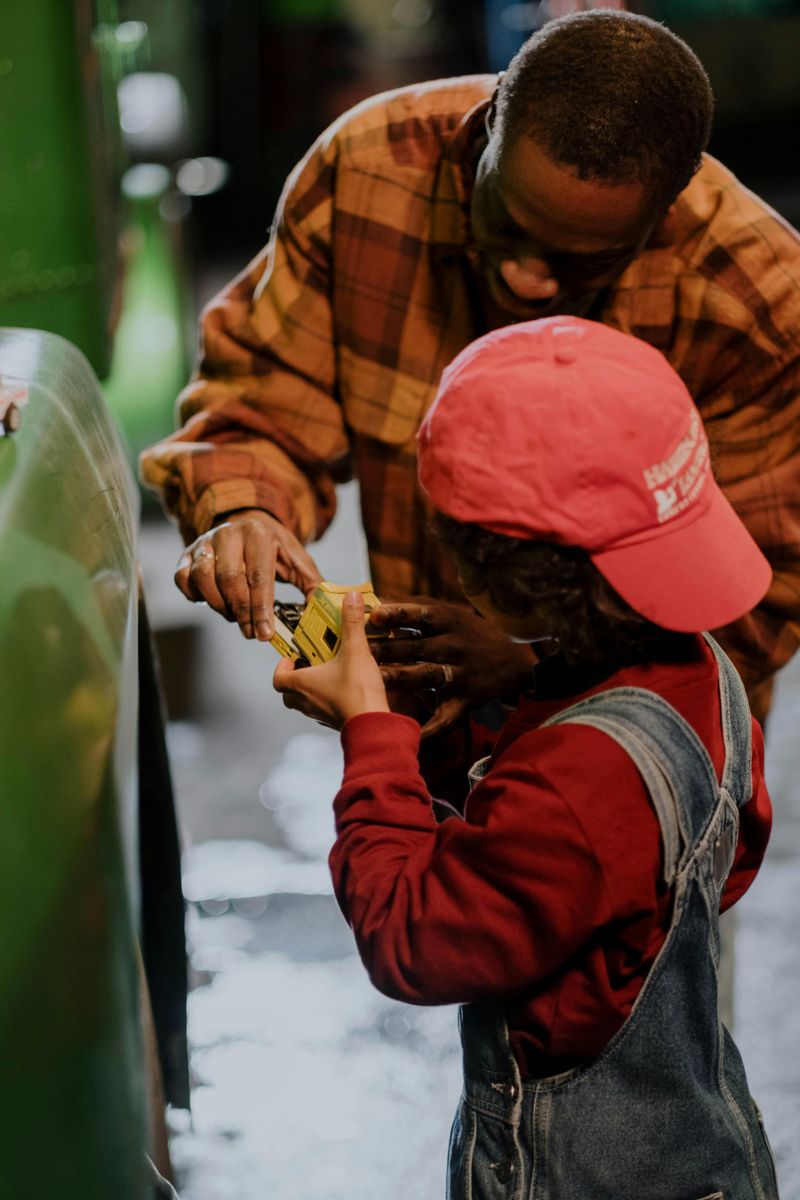
Nobody called repairmen for every little problem.
Fathers taught sons to fix cars, build furniture, and handle basic plumbing.
Mothers taught daughters to sew, cook from scratch, and preserve food for winter.
These skills weren’t hobbies—they were survival necessities that saved money and built independence.
Kids watched adults work and learned by doing, not from YouTube videos.
Making mistakes was part of the process.
Knowing how things worked gave people confidence and problem-solving abilities.
They could handle emergencies without panic and help neighbors in need, creating self-sufficient individuals who contributed meaningfully to their families and communities throughout their lives.
Comments
Loading…