
 Hailey Watson
Sharing a home with family members might sound old-fashioned, but millions of people around the world are discovering it’s actually a smart choice.
Whether you’re living with parents, grandparents, siblings, or extended relatives, this living arrangement brings surprising advantages that go way beyond just saving money. From stronger relationships to better health, the benefits of multigenerational households are worth exploring.
1. Built-In Emotional Support System

Life throws curveballs at everyone, and having family around means you never face challenges alone.
When you’re feeling down or stressed, there’s always someone nearby who genuinely cares about your wellbeing.
Your relatives understand your history and personality better than anyone else.
They can offer advice based on years of knowing you, not just surface-level observations.
This deep connection creates a safety net that’s hard to find elsewhere.
Studies show people living with family report lower anxiety levels and better mental health overall.
Having that immediate emotional backup makes tough days much easier to handle.
2. Significant Financial Savings

Splitting rent, utilities, and groceries among multiple people dramatically reduces everyone’s monthly expenses.
What might cost you $1,500 alone could drop to $500 or less when shared with family members.
Beyond basic bills, you’re also sharing costs for internet, streaming services, household supplies, and even transportation.
These seemingly small savings add up to thousands of dollars annually.
Many families use this extra money to pay off debt, save for emergencies, or invest in their futures.
Housing costs continue rising nationwide, making solo living increasingly unaffordable for many.
Pooling resources with family provides financial breathing room that’s becoming essential for building wealth.
3. Shared Household Responsibilities
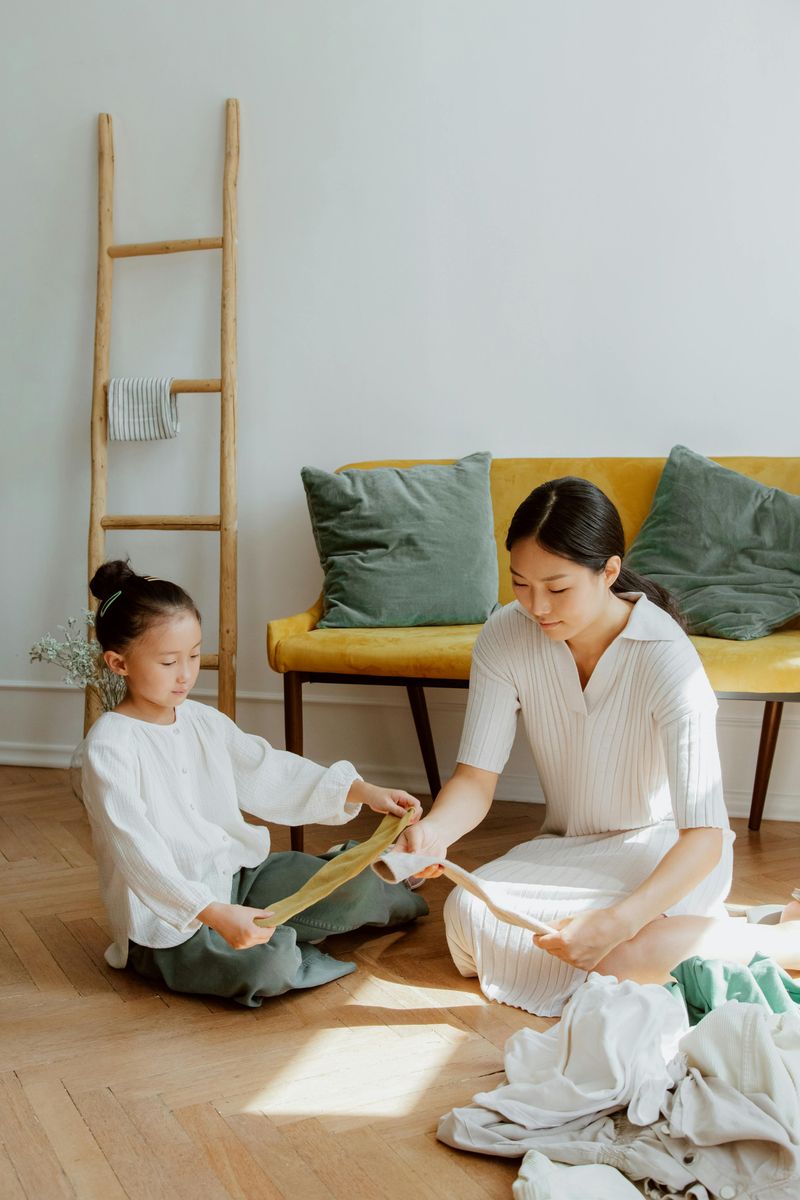
Imagine never having to tackle every single chore yourself again.
Living with family means dividing tasks like cooking, cleaning, yard work, and grocery shopping among multiple capable hands.
One person might excel at meal preparation while another prefers handling laundry or yard maintenance.
Playing to everyone’s strengths makes household management more efficient and less exhausting.
Nobody gets stuck doing everything alone, which prevents burnout and resentment.
This arrangement also teaches younger family members valuable life skills through observation and participation.
Children who grow up sharing responsibilities become more independent and capable adults.
4. Enhanced Child Care Options
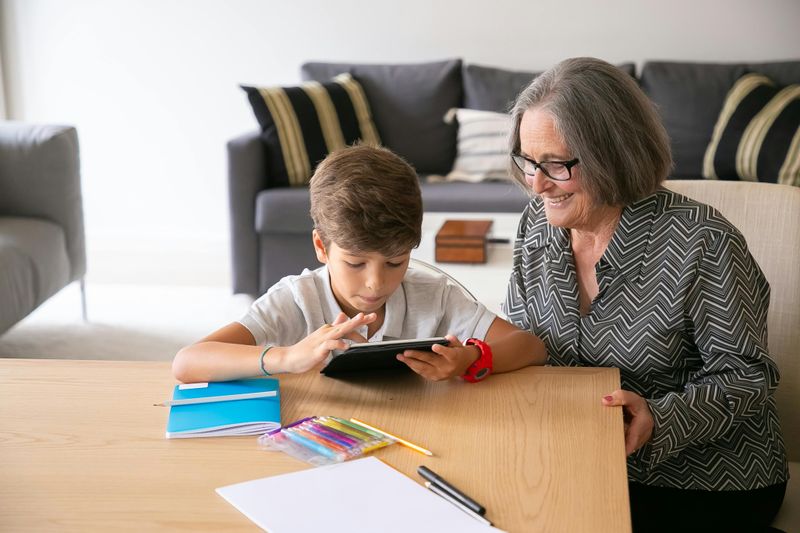
Daycare costs can easily exceed $1,000 monthly per child, putting enormous strain on working parents.
Having grandparents, aunts, uncles, or older siblings available creates reliable, loving childcare without the hefty price tag.
Kids benefit tremendously from these relationships too.
They form stronger bonds with extended family and learn from different generations’ perspectives and experiences.
Research indicates children raised around multiple family members develop better social skills and emotional intelligence.
Parents gain peace of mind knowing their children are with trusted family rather than strangers.
This arrangement also provides flexibility when work schedules change unexpectedly or emergencies arise.
5. Improved Health and Wellness

Research consistently shows people living with family members enjoy better physical health and longer lifespans.
Having others around encourages healthier habits, from regular meals to staying active together.
Older adults particularly benefit from this arrangement, as family members can monitor their wellbeing and help with medical needs.
Quick assistance during health emergencies can literally save lives.
Younger family members also gain valuable caregiving experience and appreciation for their elders.
Social isolation is a serious health risk, especially for seniors.
Daily interaction with loved ones combats loneliness and keeps minds sharp through conversation and shared activities.
6. Stronger Family Bonds

Nothing strengthens relationships quite like sharing daily life together.
You’ll create countless memories through ordinary moments that might seem insignificant but build deep connections over time.
Living together means being present for both celebrations and struggles, not just occasional holiday visits.
You witness each other’s growth, support personal goals, and develop inside jokes that become family legends.
These shared experiences create bonds that last lifetimes.
Younger generations also learn family history and traditions directly from elders who lived them.
This cultural transmission preserves heritage in ways that video calls or occasional visits simply cannot match.
7. Cultural and Generational Learning
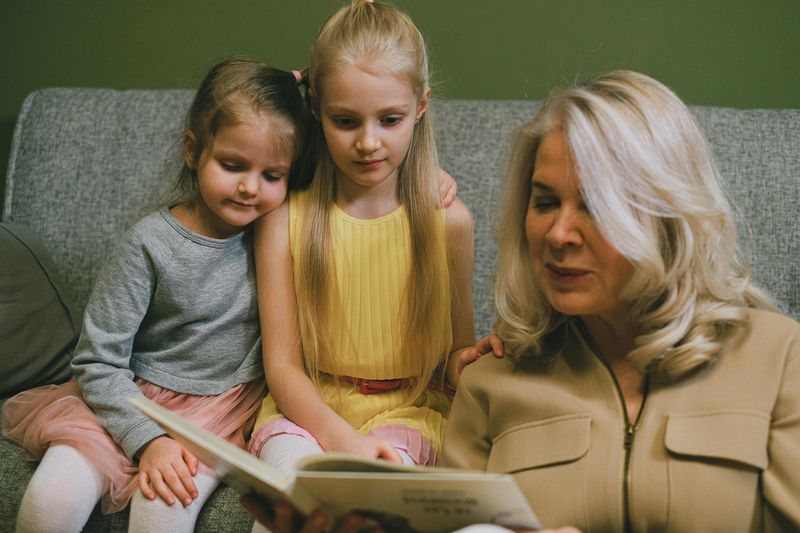
Every generation brings unique knowledge, skills, and perspectives shaped by their era.
Grandparents can teach traditional cooking methods, crafts, or languages that might otherwise be lost to younger family members.
Meanwhile, tech-savvy younger relatives help older family members navigate smartphones, social media, and modern conveniences.
This mutual exchange creates respect and appreciation across age groups.
Everyone becomes both teacher and student in different contexts.
Kids growing up in multigenerational homes develop greater empathy and understanding for people of all ages.
They learn that wisdom comes from experience, not just formal education or internet searches.
8. Greater Sense of Security
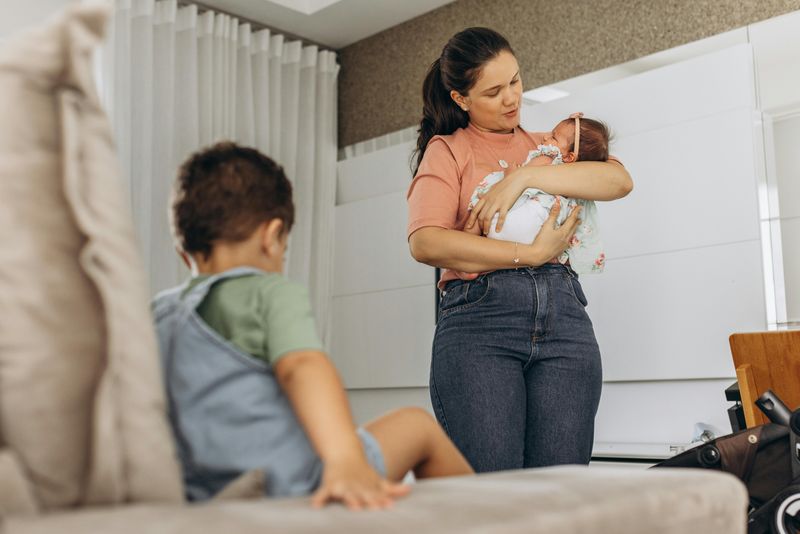
Coming home to an empty house every day creates vulnerability that many people don’t consider until they’ve experienced an alternative.
With family around, there’s always someone present to notice unusual activity or handle emergencies.
This security extends beyond physical safety to include practical matters.
Someone’s available to receive deliveries, let in repair workers, or handle unexpected situations.
You’re never completely on your own when problems arise, whether it’s a medical issue or a broken water heater.
For elderly family members especially, this presence provides crucial peace of mind.
They can maintain independence while knowing help is immediately available if needed.
Comments
Loading…