
 Hailey Watson
Meditation has a reputation for being a “nice-to-have” wellness habit, but for a lot of people it becomes the one small routine that changes everything else.
It’s not about forcing your mind to go blank or sitting perfectly still for an hour.
It’s about practicing how to return to the present when your thoughts sprint ahead, your stress spikes, or your day starts running you instead of the other way around.
Even a few minutes at a time can create a noticeable shift in how you handle pressure, sleep, focus, and emotional triggers.
Over time, meditation can feel like building an inner reset button you can press whenever life gets loud.
If you’ve been curious but skeptical, these benefits show why so many busy people keep coming back to it.
1. Less stress (and a calmer nervous system)
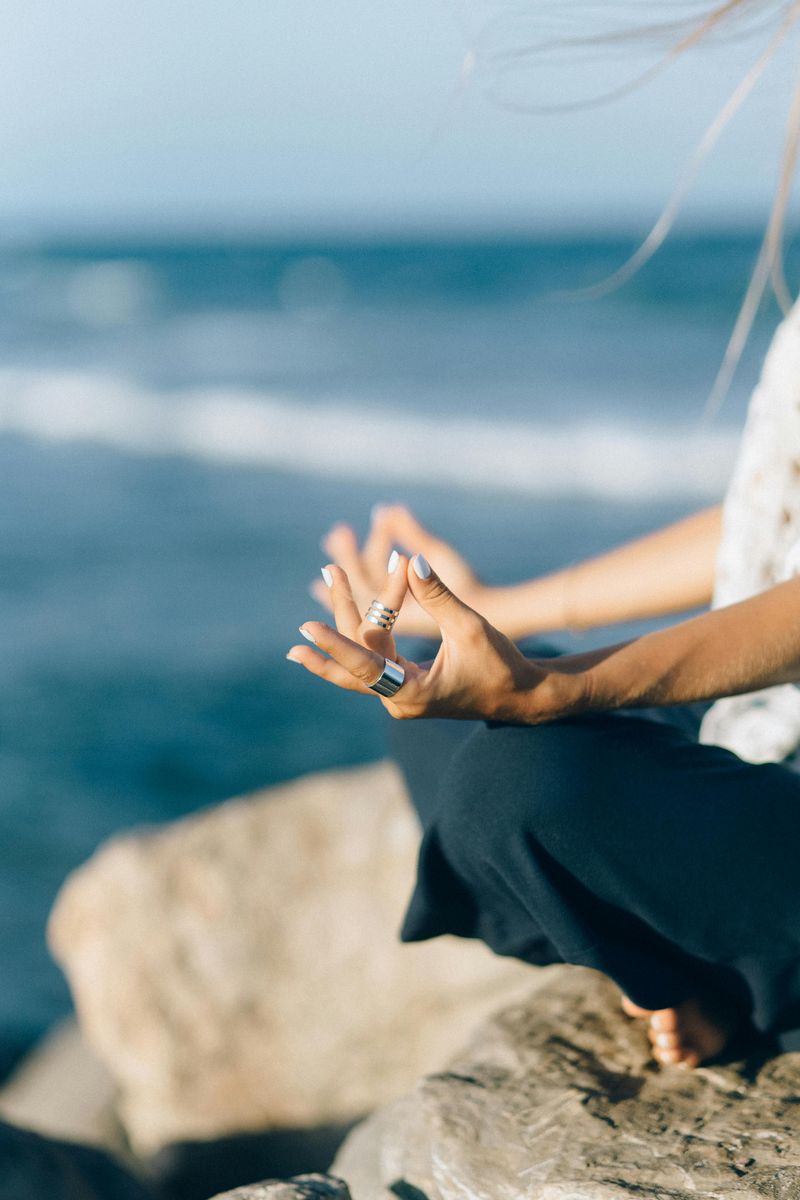
Life doesn’t always slow down, but your body can learn to stop treating every email, errand, and awkward conversation like an emergency.
Meditation supports that shift by teaching you to notice stress signals—tight shoulders, shallow breathing, racing thoughts—before they take over your entire day.
When you practice returning your attention to the breath or to physical sensations, you’re training your nervous system to move out of fight-or-flight more efficiently.
That matters because chronic stress isn’t just unpleasant; it can make you more irritable, less patient, and more likely to crash at night.
With consistent practice, many people feel steadier during high-pressure moments, and they recover faster after something stressful happens.
The result is a calmer baseline that makes daily life feel less like a sprint.
2. Reduced anxiety and overthinking
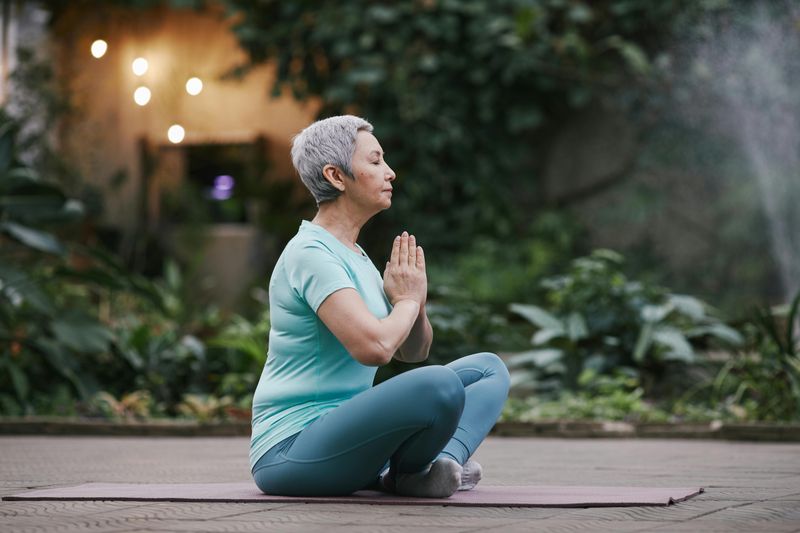
Anxiety often shows up as a never-ending loop of “what if” thoughts, and it can feel impossible to shut off once it starts.
Meditation doesn’t magically erase worries, but it helps you relate to them differently so they don’t run the show.
Instead of treating every thought as a prediction or a warning, you practice observing your mental chatter as information passing through.
That small change can reduce the urgency you feel around anxious thoughts, which makes them easier to tolerate and less likely to snowball.
Over time, you may notice fewer spirals that steal your attention for hours, and more moments where you can pause and choose what to do next.
It’s a skill that helps you respond with intention rather than reacting from fear.
3. Better focus and productivity
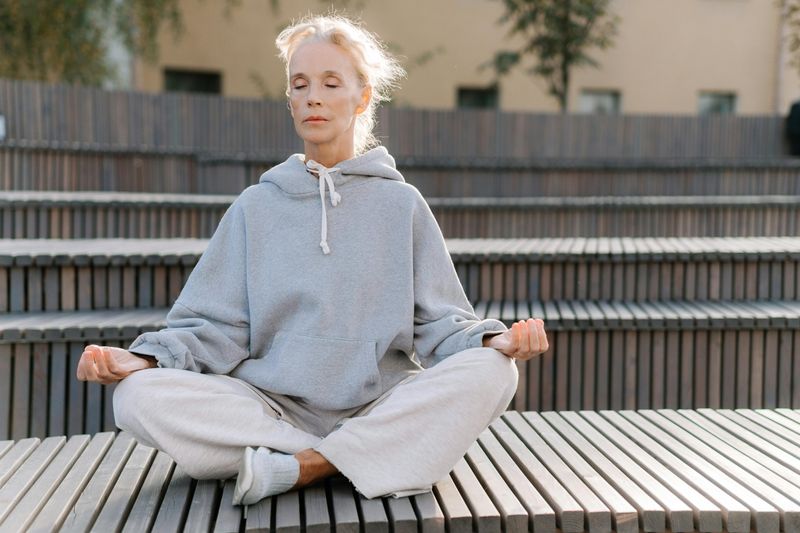
Concentration is hard when your mind is constantly bouncing between notifications, unfinished tasks, and the pressure to do more.
Meditation strengthens attention by giving you repeated practice in noticing distraction and gently coming back to a single point of focus.
That might sound simple, but it’s essentially the same mental “muscle” you use when you’re trying to finish a project, listen fully to someone, or avoid doom-scrolling.
With regular practice, many people find it easier to start tasks without procrastinating, and to stay with them longer before switching to something else.
This can also reduce mental fatigue because you spend less energy fighting your own wandering thoughts.
Instead of needing perfect motivation, you build the ability to guide your attention where you want it to go.
4. Improved sleep quality
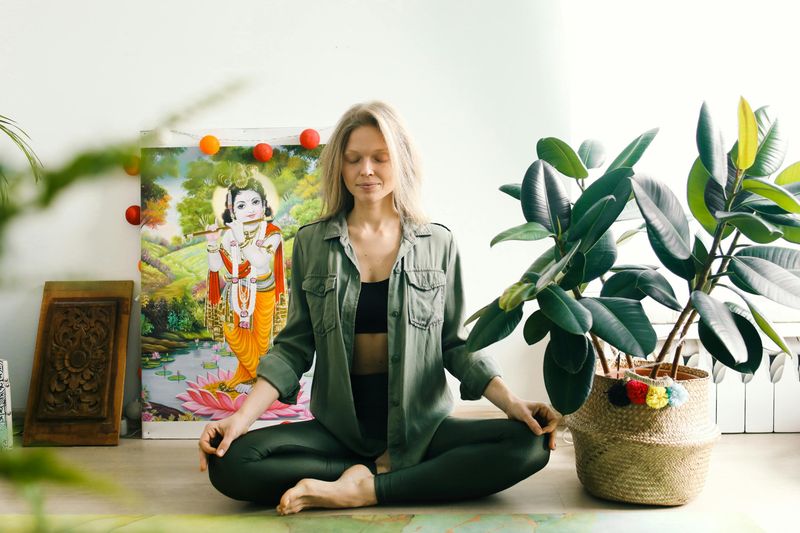
When your body is exhausted but your brain won’t stop narrating every decision you made that day, sleep can feel frustratingly out of reach.
Meditation helps by creating a smoother transition from stimulation to rest, especially when it becomes part of your evening routine.
Paying attention to the breath and relaxing the body signals that it’s safe to power down, which can reduce the stress hormones that keep you wired.
It also gives you a practical way to handle nighttime thoughts, because you learn to notice them without following each one into a new mental rabbit hole.
Over time, you may fall asleep faster, wake less often, or at least feel calmer when you do wake up.
It’s not a cure-all for insomnia, but it’s a gentle tool that supports better sleep hygiene.
5. Emotional regulation (fewer snap reactions)
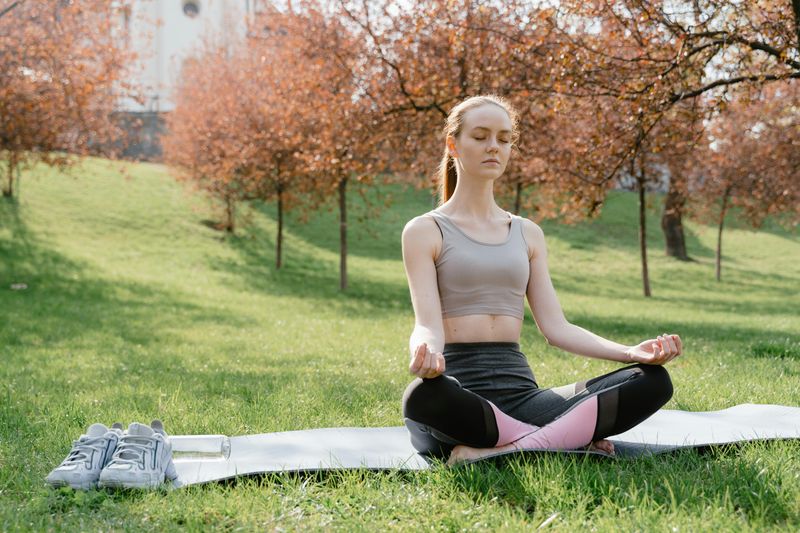
Small annoyances can hit harder when you’re already depleted, and that’s often when you find yourself snapping, shutting down, or saying things you don’t mean.
Meditation builds awareness of what you feel in the moment, which gives you a little more space between an emotion and your reaction.
Instead of going straight from irritation to an argument, you might notice the heat in your chest, the tension in your jaw, or the story your mind is telling—and that awareness makes it easier to choose a different response.
Over time, this skill can improve relationships because you become less reactive and more consistent, even during stressful seasons.
It also helps you trust yourself, since you’re less likely to feel hijacked by moods that come out of nowhere.
The goal isn’t to be emotionless; it’s to be steadier and more intentional.
6. Higher self-awareness and confidence
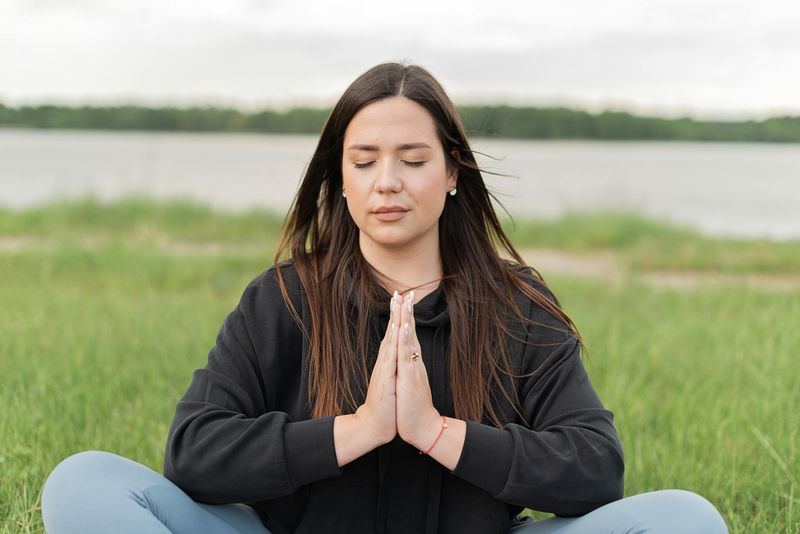
It’s difficult to feel confident when you’re constantly second-guessing yourself or living on autopilot.
Meditation increases self-awareness by helping you recognize patterns—like people-pleasing, negative self-talk, or the habit of numbing out when you’re overwhelmed.
Once you can see those patterns clearly, you’re more able to make choices that match your real priorities instead of reacting to stress or expectations.
This creates a quieter kind of confidence, because you start trusting your judgment and noticing what actually works for you.
Many people also become more aware of their needs, which makes setting boundaries feel less dramatic and more necessary.
When you stop ignoring your own signals, you’re less likely to burn out and more likely to show up as the version of yourself you respect.
That self-trust tends to spill into work, money decisions, and relationships.
7. Better mood and resilience
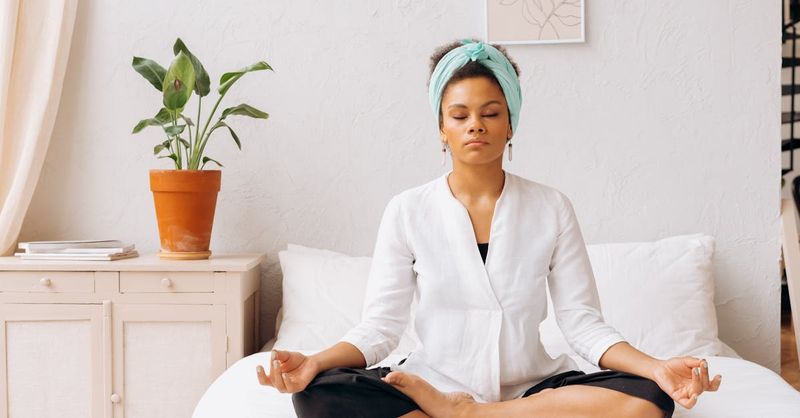
Even when nothing is “wrong,” it’s easy to slip into a low-grade funk when life feels repetitive, exhausting, or emotionally heavy.
Meditation supports mood by helping you create more distance from harsh inner commentary and by encouraging a steadier mental baseline.
You’re not trying to force happiness; you’re building the ability to experience a bad moment without turning it into a bad day.
Over time, many people notice they recover faster after setbacks, and they don’t stay stuck in frustration, shame, or discouragement as long.
Some styles of meditation, like loving-kindness, also emphasize compassion and gratitude, which can soften the way you talk to yourself.
That matters because your inner voice shapes your energy and your choices more than you realize.
Resilience isn’t about never struggling; it’s about bouncing back with less damage and more perspective.
8. Physical health perks (tension, blood pressure, headaches)
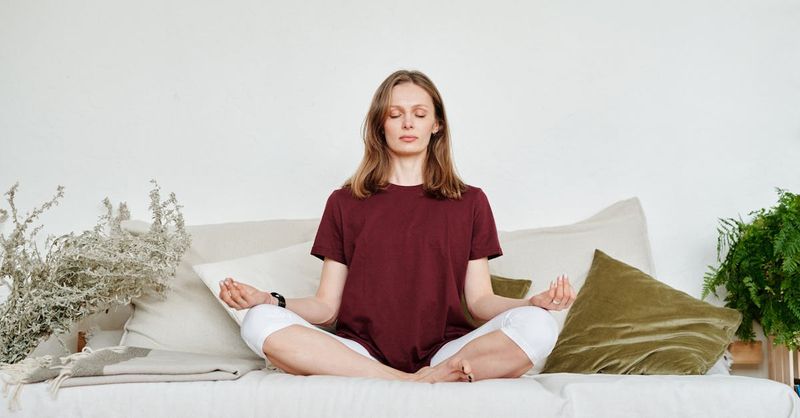
Stress doesn’t only live in your mind; it shows up in your body through tight muscles, digestive issues, headaches, and that constant feeling of being on edge.
Meditation can help reduce those physical symptoms by lowering overall stress activation and encouraging relaxation that many people don’t get during a normal day.
When you learn to check in with your body and soften areas of tension, you may notice fewer stress-related aches, especially in the neck, shoulders, and jaw.
Some people also see improvements in blood pressure over time, likely because they’re spending more minutes each day in a calmer physiological state.
While meditation isn’t a replacement for medical care, it can be a supportive habit that reduces the wear-and-tear of chronic stress.
The biggest win is that it teaches you to notice early warning signs so you can respond before your body forces you to.
Comments
Loading…