
 Hailey Watson
Have you ever been trapped on a bus or train while someone has a loud conversation on speakerphone?
It happens all the time, and it drives people crazy.
Some countries are now fining people who do this because it disrupts everyone around them.
Here are eight solid reasons why this kind of punishment makes perfect sense.
1. It Violates Basic Public Courtesy

Nobody wants to hear your personal business while they’re trying to enjoy their commute or lunch break.
When you blast your conversation through speakerphone, you’re forcing everyone nearby to become unwilling participants in your call.
This behavior shows a lack of respect for the people sharing your space.
Countries like France have already started issuing fines for this exact problem.
In February 2025, someone at a train station paid €200 for disrupting others with speakerphone use.
Portugal charges between €50 and €250 for similar violations on public transportation.
Basic manners mean considering how your actions affect those around you.
Using headphones or stepping away to take calls demonstrates thoughtfulness and consideration for your community.
2. Half-Conversations Are Mentally Exhausting

Scientists have discovered something fascinating about overhearing phone calls.
When you hear only one side of a conversation, your brain works harder trying to fill in the missing pieces.
Psychologists call this phenomenon a “halfalogue,” and it’s significantly more distracting than hearing a complete dialogue between two people.
Your mind automatically tries to predict what the other person is saying, which uses up mental energy.
This constant guessing game increases stress levels and makes it nearly impossible to concentrate on your own tasks.
Students trying to study, workers attempting to focus, and travelers hoping to relax all suffer when exposed to these one-sided conversations.
The cognitive burden isn’t fair to impose on strangers.
3. It Creates Unnecessary Noise Pollution

Public spaces already have enough background noise without adding amplified phone conversations to the mix.
Speakerphone calls often reach volumes much louder than necessary, creating an acoustic assault on everyone within earshot.
The tinny, distorted quality of speakerphone audio makes it even more grating to hear.
Quiet zones exist in places like trains and libraries for good reason.
People need peaceful environments to think, work, or simply decompress from their busy lives.
Sound pollution affects mental health and wellbeing just as much as air or water pollution.
Amtrak’s quiet cars specifically prohibit phone calls altogether, requiring headphone use with low volumes.
These designated spaces prove how valuable silence is to many travelers.
4. It Compromises Everyone’s Privacy

Personal information shouldn’t be broadcast to random strangers on the street or subway.
When people use speakerphone in public, they often share private details about themselves, their families, or their business matters.
Medical appointments, financial discussions, relationship drama—all of it becomes public knowledge.
This carelessness puts both the caller and the person on the other end at risk.
Identity thieves and scammers love when people announce sensitive information in crowded places.
Even without malicious intent, nearby listeners remember embarrassing or awkward details they never wanted to know.
Protecting privacy benefits everyone in society.
Fines would encourage people to think twice before exposing their personal lives to complete strangers who didn’t ask to hear it.
5. It Shows Self-Centered Behavior

Etiquette experts consistently point out that speakerphone use in shared spaces signals self-centered thinking.
Someone who does this essentially broadcasts the message that their convenience matters more than everyone else’s comfort.
This attitude erodes the social contract that helps communities function smoothly.
Think about it from another angle: would you play music out loud on a crowded bus?
Would you watch videos without headphones in a doctor’s waiting room?
Most people recognize these behaviors as rude.
Talking on speakerphone falls into the same category of inconsiderate actions.
Financial penalties would remind people that public spaces require compromise and mutual respect.
Your phone call can wait, or you can use headphones like a considerate human being.
6. It Disrupts Professional Environments

Coffee shops, airport lounges, and coworking spaces serve as offices for countless professionals today.
Remote workers and traveling businesspeople need these locations to stay productive.
Loud speakerphone conversations make it impossible to conduct their own calls, attend virtual meetings, or concentrate on important projects.
The disruption costs real money in lost productivity and missed opportunities.
Someone might lose a client because they couldn’t hear properly during a crucial negotiation.
A freelancer might miss a deadline because constant interruptions broke their focus.
Professional courtesy extends beyond traditional office buildings.
Fining speakerphone abusers would protect these modern workspaces and the livelihoods of people who depend on them.
Respect for others’ work matters everywhere.
7. Other Countries Already Fine This Behavior
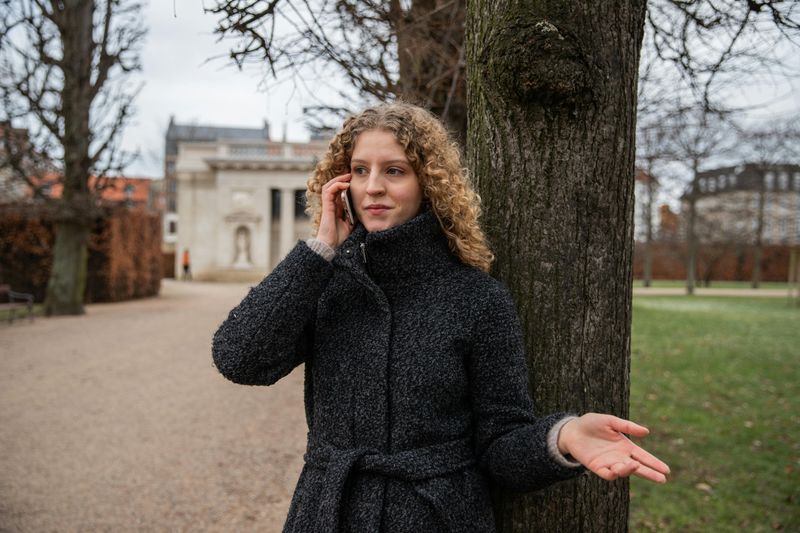
Multiple European nations have recognized this problem and taken action.
France issues €200 fines for disturbing others with speakerphone use in transportation areas.
Portugal’s penalties range from €50 to €250 for what they call “lack of civility” on public transit, including loud phone behavior.
These aren’t arbitrary rules created by grumpy officials.
They respond to widespread complaints from citizens tired of dealing with inconsiderate phone users.
The fines work as both punishment and deterrent, making people think before broadcasting their conversations.
If these policies succeed in improving quality of life in European cities, why shouldn’t other countries adopt similar measures?
Proven solutions deserve serious consideration when they address genuine social problems affecting millions of people daily.
8. Simple Alternatives Already Exist

Here’s the thing: nobody needs to use speakerphone in public because better options are readily available.
Earbuds cost less than ten dollars at most stores.
Wireless headphones have become incredibly affordable and convenient.
Even holding the phone to your ear like people did for decades still works perfectly fine.
Technology has made it easier than ever to take calls privately without bothering anyone.
Bluetooth devices connect instantly, and most smartphones include basic earbuds in the box.
The barrier to considerate behavior has never been lower.
When simple solutions exist but people refuse to use them, enforcement becomes necessary.
Fines would push stubborn individuals toward readily available alternatives that respect everyone’s right to peaceful public spaces.
Comments
Loading…