
 Jade Reed
Modern technology has completely transformed how we live, work, and communicate. Tasks that once consumed hours of our time have been simplified into quick taps on a screen. For Baby Boomers, however, memories of these vanished routines remain vivid—a reminder of how much everyday life has evolved.
1. Rewinding VHS Tapes
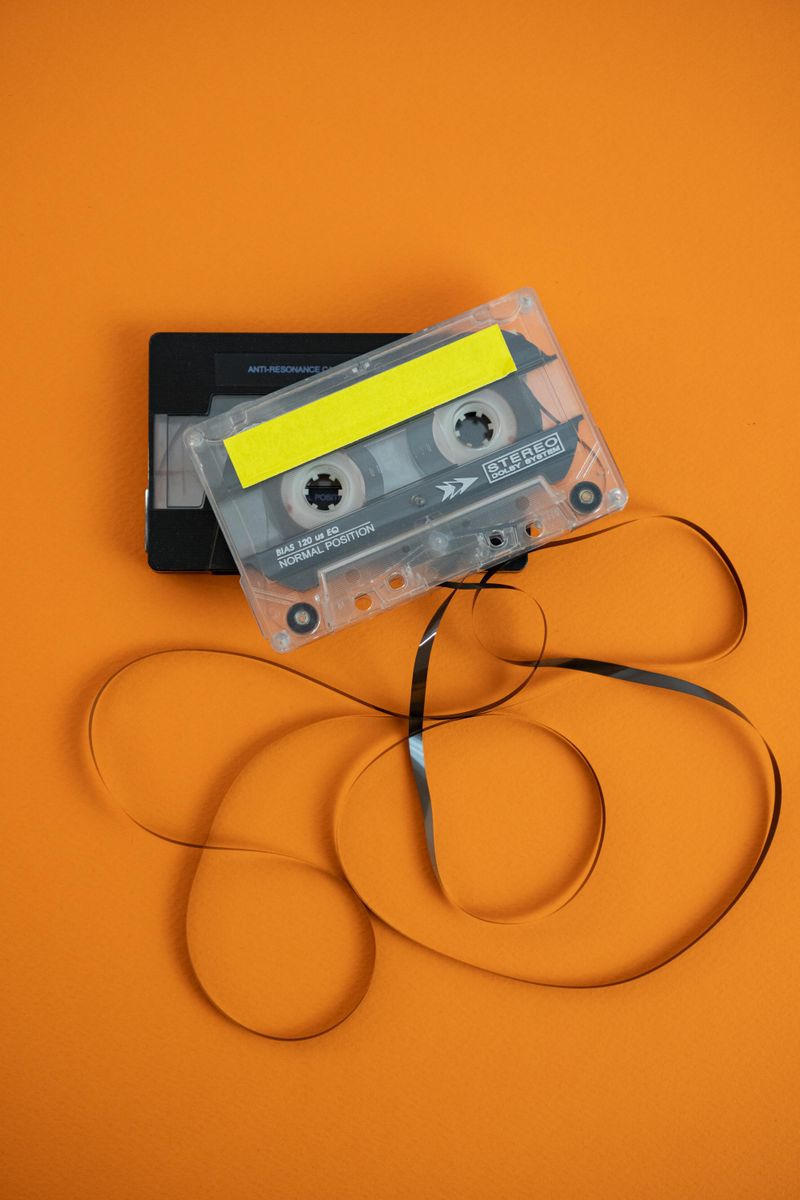
Remember rushing home from the video store, eager to watch a movie, only to find the previous renter didn’t rewind the tape? That frustration was real. You’d either wait several minutes for it to rewind or face a small fee when returning it.
VHS players had a rewind function, but some people bought separate rewinding machines to save wear on their main device. The whirring sound became a familiar background noise in living rooms everywhere.
Blockbuster and other rental stores posted signs reminding customers to “Be Kind, Rewind.” Forgetting this simple courtesy could mean annoying the next person in line. Today’s instant streaming feels like magic compared to those clunky plastic cassettes that defined home entertainment for decades.
2. Using Paper Maps
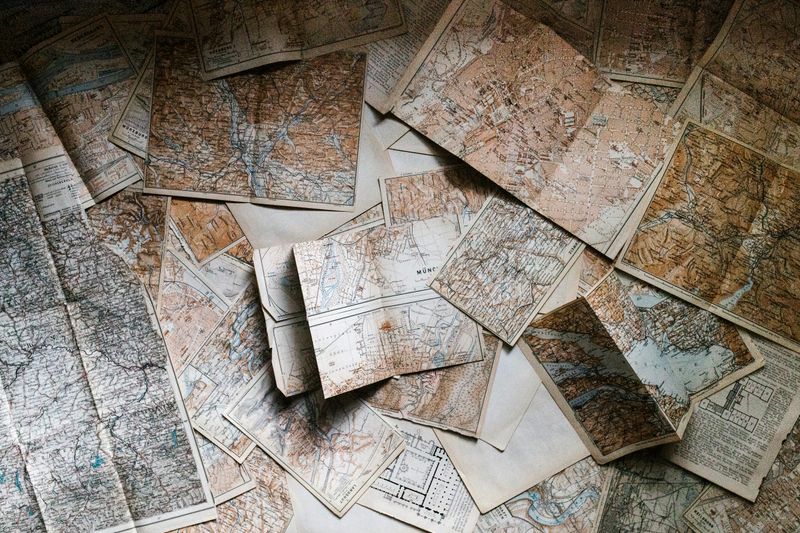
Picture yourself pulled over on a highway shoulder, wrestling with a massive paper map that refuses to fold back correctly. One wrong turn meant stopping again to figure out where you went wrong. No friendly voice told you to make a U-turn when possible.
Gas stations sold regional maps, and glove compartments overflowed with crinkled, coffee-stained navigation guides. Passengers became unofficial co-pilots, tracing routes with their fingers while the driver squinted at tiny road names.
Road trips required planning sessions around kitchen tables, with highlighters marking the intended path. Getting lost was part of the adventure, though not always a welcome one. GPS technology eliminated this entire ritual, making spontaneous travel infinitely easier than Boomers ever imagined possible during their younger years.
3. Manually Rolling Down Car Windows
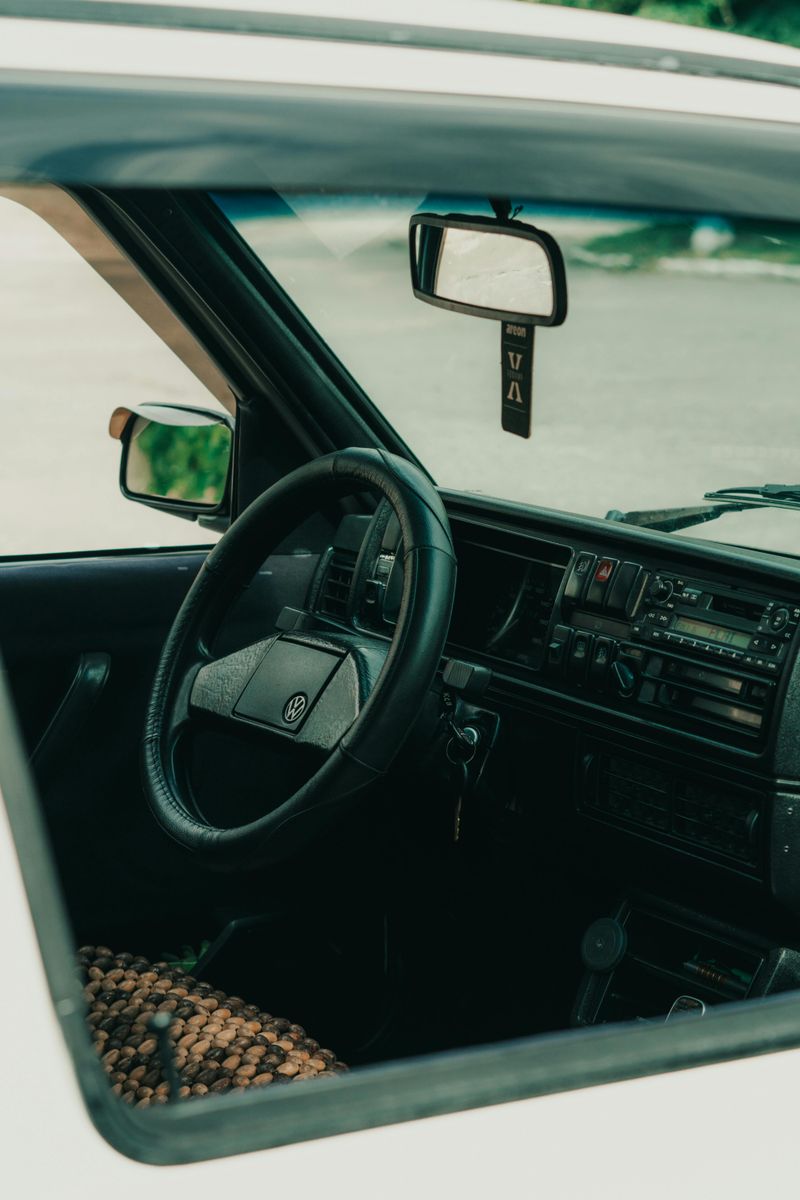
Cars once required actual physical effort just to get fresh air. A metal crank handle protruded from each door, and you’d twist it round and round to lower or raise the window. Your arm got a mini workout during every drive.
Winter mornings were especially challenging when frozen mechanisms made cranking nearly impossible. Kids in the backseat often competed to see who could roll their window fastest.
The satisfying mechanical click of the handle was replaced by silent electric buttons that seem almost too easy. Drivers today can control all windows simultaneously with a single touch. That convenience would have seemed like pure science fiction to someone cruising in a 1970s sedan, manually adjusting airflow one laborious rotation at a time during hot summer drives.
4. Dialing on a Rotary Phone

Making a phone call was once a deliberate, time-consuming process. You’d stick your finger in the numbered hole and rotate the dial clockwise until it stopped, then wait for it to spin back before dialing the next digit. Long-distance numbers with lots of nines and zeros tested your patience.
Messing up even one digit meant hanging up and starting the entire sequence over from scratch. There was no redial button to save you.
The mechanical clicking sound echoed through homes as the dial returned to position after each number. Teenagers spent ages dialing their crushes, building anticipation with every rotation. Touchstone phones eventually sped things up, but rotary models remained common well into the 1980s, connecting conversations one circular motion at a time.
5. Recording Songs from the Radio
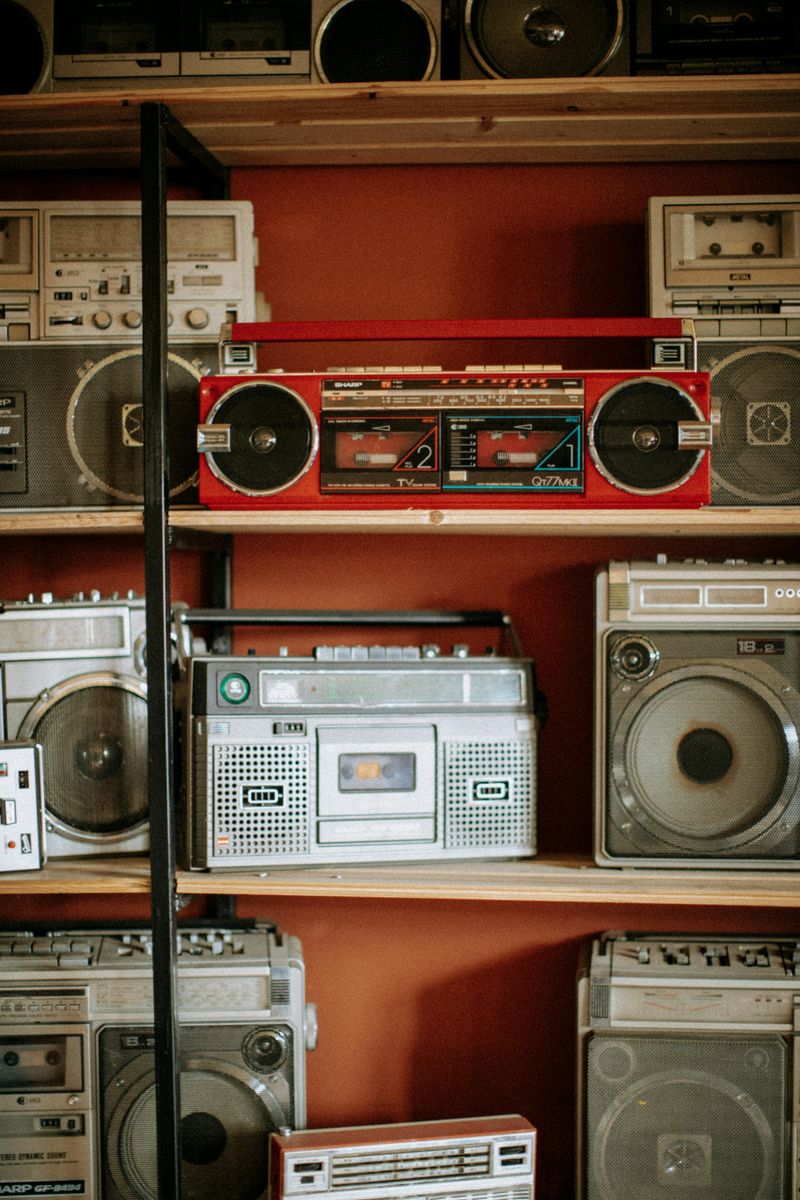
Creating the perfect mixtape was an art form requiring ninja-like reflexes and endless patience. You’d camp out by the radio with a blank cassette loaded, finger hovering over the record button, waiting for your favorite song to play. Timing was everything.
Hit record too early, and you’d capture the DJ’s voice. Too late, and you’d miss the opening notes. Commercial breaks interrupted the flow, forcing you to stop and restart.
Friends traded homemade compilation tapes like treasures, each one representing hours of dedicated listening and recording. The thrill of finally capturing that elusive hit song made the effort worthwhile. Streaming services now offer millions of songs instantly, but they lack the personal investment and excitement that came with crafting your own radio-recorded music collection.
6. Developing Film from Cameras
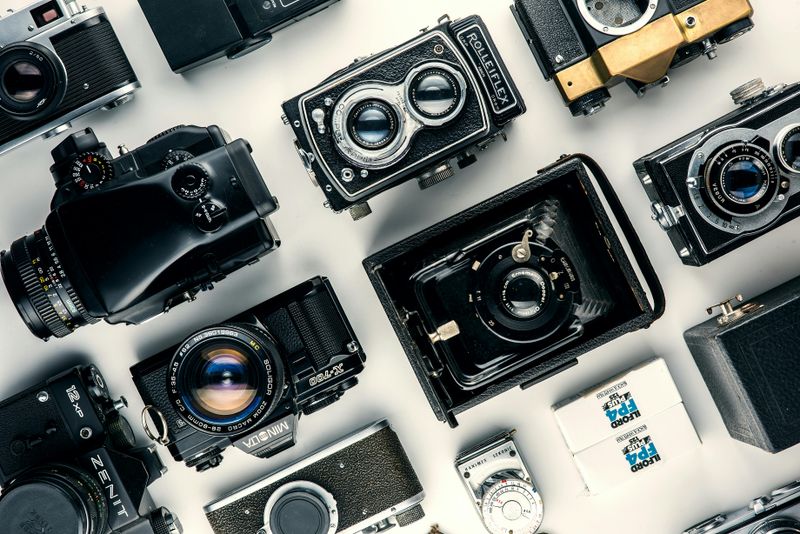
Photography required faith and patience in equal measure. After snapping your 24 or 36 exposures, you’d rewind the film canister and drop it off at a drugstore or photo lab. Then came the agonizing wait—sometimes a week or more—to see if your pictures turned out.
Blurry shots, closed eyes, and accidental thumb appearances were discovered only after paying for development. No previews, no do-overs, no instant gratification.
Special occasions meant carefully rationing your limited exposures, making each shot count. The excitement of picking up your developed photos and flipping through them for the first time created memorable moments. Digital cameras and smartphones eliminated this entire process, letting us snap thousands of images and delete the bad ones immediately without spending a dime.
7. Balancing a Checkbook

Managing money meant becoming your own accountant with nothing but a pen and a calculator. Every purchase, withdrawal, and deposit got recorded by hand in your check register. Then you’d subtract and add each amount, hoping your math matched the bank’s records.
Monthly bank statements arrived by mail, triggering an evening of reconciliation. You’d compare your register against their numbers, hunting for discrepancies and forgotten transactions.
Bouncing a check due to poor record-keeping meant embarrassment and fees. Balancing required discipline and attention to detail that many people struggled to maintain. Online banking transformed this tedious chore into automatic tracking with real-time updates. Younger generations will never experience the mild panic of wondering if that last check cleared or the satisfaction of finally getting your register to balance perfectly.
8. Typing on a Typewriter
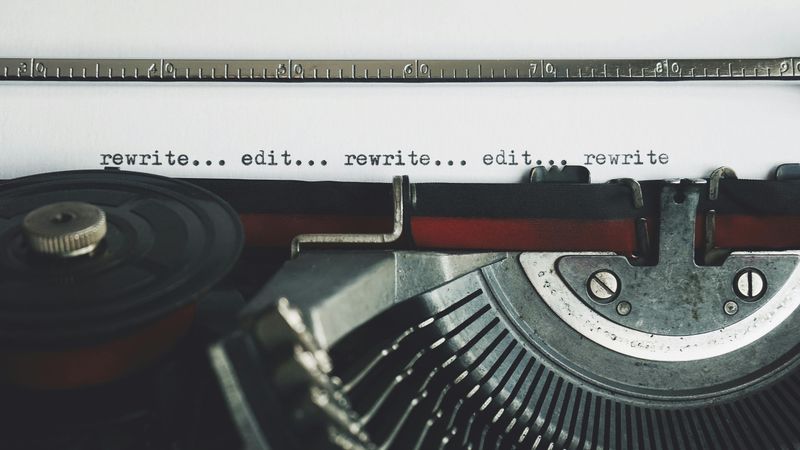
Every keystroke was permanent, making typing a high-stakes activity that demanded concentration and accuracy. Mechanical keys struck an inked ribbon against paper, leaving indelible marks that couldn’t be undone. Mistakes meant reaching for the correction fluid or starting the entire page over from scratch.
The rhythmic clacking of keys filled offices and homes, accompanied by the satisfying ding signaling the end of each line. You’d manually push the carriage return to start a new row.
Students typed term papers with white-out stains and visible corrections, hoping teachers wouldn’t dock points for messy presentation. Carbon paper created duplicate copies, leaving fingertips smudged with ink. Word processors and computers revolutionized writing, offering unlimited editing freedom that makes typewriters seem almost primitive by comparison despite their nostalgic charm.
Comments
Loading…