
 Isabel Parker
8 Behaviors That Often Show Up When Someone Has No Close Friends

Not everyone who lacks close friends is unfriendly or doing anything “wrong.”
Sometimes it’s a season of life, a move, a demanding job, or an old disappointment that made someone pull back.
Other times, a few repeated habits quietly keep relationships from ever deepening into real closeness.
These patterns can look like independence, privacy, or being low-maintenance, which is why they’re easy to miss.
The goal isn’t to judge or label anyone, because plenty of people feel lonely while still being surrounded by acquaintances.
Instead, think of this list as a gentle way to notice what might be getting in the way of meaningful connection.
If you recognize yourself in a few of these, consider it information, not a verdict.
Small shifts can make a surprisingly big difference in building an inner circle over time.
1. They rarely initiate plans (and mostly “wait to be invited”)

A common pattern is being friendly in the moment but not taking the next step afterward.
They may enjoy talking at work or at events, yet they rarely text first to suggest a coffee or a walk.
Over time, other people stop extending invitations because it feels one-sided or uncertain.
This habit can come from fear of rejection, social fatigue, or simply not knowing how to turn casual conversation into plans.
They might tell themselves they don’t want to bother anyone, even when others would actually be happy to hear from them.
When they do get invited, they may say yes, but the relationship still stays dependent on someone else’s initiative.
The result is a calendar that looks empty even though their interactions seem pleasant.
Initiating in small ways, like proposing a specific day, often changes everything.
2. Their social life is almost entirely online
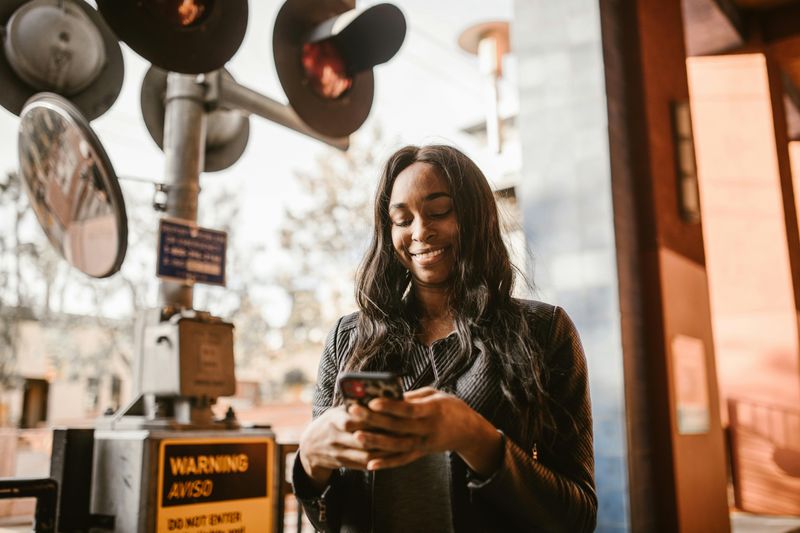
Many people stay connected through comments and DMs, but real closeness usually needs more than a feed.
They might know everything about everyone’s life updates, yet rarely share a genuine moment face-to-face or on a real call.
Online interaction can feel safer because there’s time to think, edit, and disengage without awkwardness.
It can also become a substitute for connection, especially after busy weeks or disappointing friendships.
They may spend hours “keeping up,” but still feel strangely unseen when the phone goes dark.
Friends and acquaintances might assume they’re socially fulfilled because they’re active and responsive digitally.
Meanwhile, no one becomes the person who checks in when something goes wrong.
Swapping a few messages for a short voice note or a low-pressure meet-up can help bridge the gap.
3. They keep everything surface-level, even when you try to get closer
Some people are warm and funny, yet the conversation never quite moves into real vulnerability.
They talk about shows, errands, and work stories, but dodge questions about feelings, relationships, or fears.
If someone shares something personal, they might respond politely and then pivot back to safer topics.
This can come from being raised to “keep it to yourself,” past betrayal, or anxiety about being judged.
The tricky part is that closeness often grows through small disclosures, not one dramatic heart-to-heart.
When they always stay on the surface, others may feel like there’s a wall they can’t get past.
Eventually people stop trying, not out of anger, but because the connection never deepens.
Practicing one honest sentence, like admitting stress or excitement, can invite the kind of reciprocity friendships need.
4. They’re “always busy” but not in a specific, believable way

A subtle sign is when plans are constantly postponed without a clear reason or alternative.
They might say, “This week is crazy,” but never offer a concrete time when things calm down.
Sometimes they truly are overloaded, yet vague busyness can also be a shield against intimacy.
It can feel easier to cancel than to show up and risk awkwardness, judgment, or emotional effort.
Over time, people stop asking because they assume the answer will be no.
They may not realize that relationships require small, repeated moments, not just good intentions.
Even a packed schedule usually has pockets, like a lunch break or a quick Saturday morning errand together.
Being specific, such as proposing two possible days, signals genuine interest and makes it easier for others to meet them halfway.
5. They don’t have a “person” for good news or bad days

One clue is how they handle emotional moments, both exciting and difficult, entirely on their own.
When something great happens, they might celebrate privately or post online rather than texting someone who truly knows them.
When life feels heavy, they may disappear, power through, and tell themselves they’re fine.
This can look like strength, but it often masks the belief that support isn’t available or safe.
Without a go-to person, emotions don’t get processed in conversation, which can make loneliness feel sharper.
Friends often form through repeated “I thought of you first” moments that build trust over time.
If those moments never happen, the relationship stays in acquaintance territory.
Creating one small ritual, like messaging someone after a win or a hard day, can slowly build that missing sense of being held.
6. They avoid group settings and default to opting out

Some people can manage one-on-one chats but shut down when gatherings get bigger.
They may skip birthdays, office lunches, and group trips because crowds feel draining or unpredictable.
It can be social anxiety, sensory overload, or fear of feeling like the odd one out.
The problem is that group settings are where friendships often “stick” through shared memories and inside jokes.
When they consistently opt out, others bond without them, not because anyone is mean, but because they were simply absent.
They might later feel excluded, even though the distance formed naturally over time.
Avoiding groups also limits chances to meet friends-of-friends who could be a perfect fit.
Choosing smaller group events, arriving early, or bringing one familiar person can make participation feel safer without forcing extroversion.
7. They protect their space a little too hard

A pattern that stands out is when someone never hosts, never invites people in, and keeps their home life locked down.
They might prefer meeting only in public places, or they avoid giving details about where they live and how they spend their weekends.
Privacy is healthy, but extreme guarding can signal discomfort with being truly known.
Sometimes it comes from shame about finances, mess, family dynamics, or the fear that people will judge their lifestyle.
Other times it’s simply habit from living alone for a long time and liking complete control.
The issue is that closeness often grows when people share everyday life, not just curated outings.
If no one is ever invited into their world, relationships stay formal and limited.
Starting small, like hosting a simple coffee or a casual movie night, can feel manageable while still opening a door.
8. They act unusually self-reliant, even when help would be normal

Some people pride themselves on independence so strongly that it leaves no room for connection.
They refuse rides, decline favors, and insist they’re fine, even when they’re clearly stretched thin.
This can come from past experiences where asking for help led to disappointment, guilt, or control.
It can also be a protective strategy, because needing people feels risky if you’re not sure they’ll stay.
The problem is that friendships deepen through mutual support, not just shared laughs.
When someone never lets others show up for them, relationships remain polite but shallow.
Others may assume they’re not needed, and then they stop offering, which reinforces the cycle.
Letting someone help in a small way, like accepting a favor or admitting a tough week, can create the kind of closeness they secretly crave.
Comments
Loading…