
 Mila Ross
Have you ever noticed someone with two different colored eyes or an extra row of eyelashes?
These fascinating physical traits make certain people stand out in a crowd.
While most of us share common features, some individuals are born with remarkable characteristics that occur in only a small percentage of the population.
From unusual toe lengths to rare hair colors, these seven unique features remind us just how diverse and interesting human bodies can be.
1. Heterochromia Iridum: Two Different Eye Colors
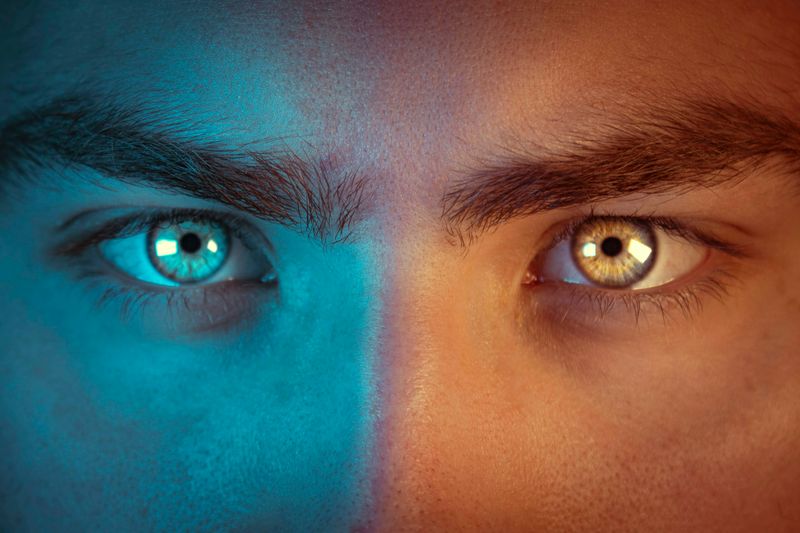
Looking in the mirror and seeing two completely different eye colors staring back at you.
That’s exactly what happens with heterochromia iridum, a captivating condition affecting less than 1% of people worldwide.
One eye might be deep brown while the other sparkles blue, or you could even have two colors swirling within a single iris.
This stunning trait occurs when melanin distributes unevenly during development.
Some babies are born with it, while others develop it later due to injury or illness.
Famous celebrities like Mila Kunis and Kate Bosworth have brought attention to this mesmerizing feature.
Most people with heterochromia have perfectly healthy vision and no medical concerns.
It’s simply nature’s way of creating a one-of-a-kind masterpiece.
2. Distichiasis: An Extra Row of Eyelashes
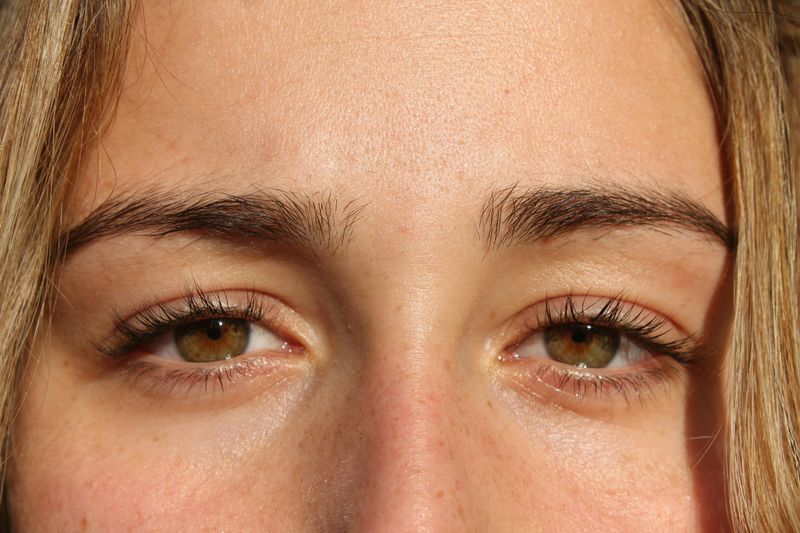
Having twice as many eyelashes as everyone else—sounds glamorous, right?
Distichiasis gives people an additional row of lashes growing from unusual spots on the eyelid.
Elizabeth Taylor famously had this condition, which contributed to her legendary beauty and striking appearance on screen.
These bonus lashes sprout from oil gland openings rather than the normal lash line.
While it might seem like a cosmetic blessing, the extra hairs can actually irritate the eye surface.
They may grow at odd angles, poking the eyeball and causing discomfort or redness throughout the day.
Some people need medical treatment to remove problematic lashes.
Others simply enjoy their naturally fuller fringe without any issues whatsoever.
3. Supertasters: Enhanced Taste Perception
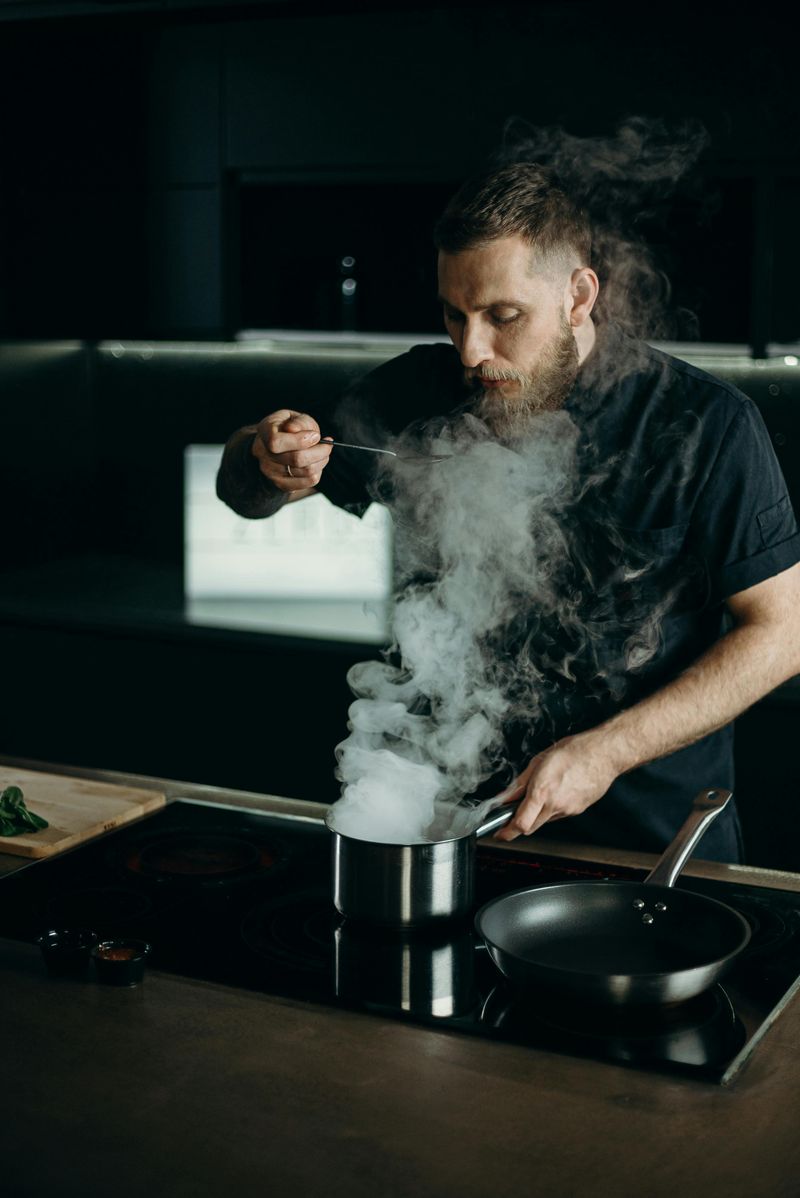
About one in four people experiences flavors with superhero-level intensity.
Supertasters possess significantly more taste buds than average folks, making every meal an adventure of heightened sensations.
Bitter vegetables like Brussels sprouts might taste unbearably strong, while sweet desserts explode with sugary intensity on their tongues.
Scientists discovered this trait by studying tongue papillae under magnification.
Supertasters have densely packed taste receptors that pick up subtle flavor notes others completely miss.
This genetic gift particularly amplifies bitter, sweet, and salty tastes beyond normal ranges.
Many supertasters become picky eaters during childhood because overwhelming flavors feel uncomfortable.
However, some channel this sensitivity into careers as professional food critics or chefs.
4. Preauricular Pit: A Tiny Ear Hole
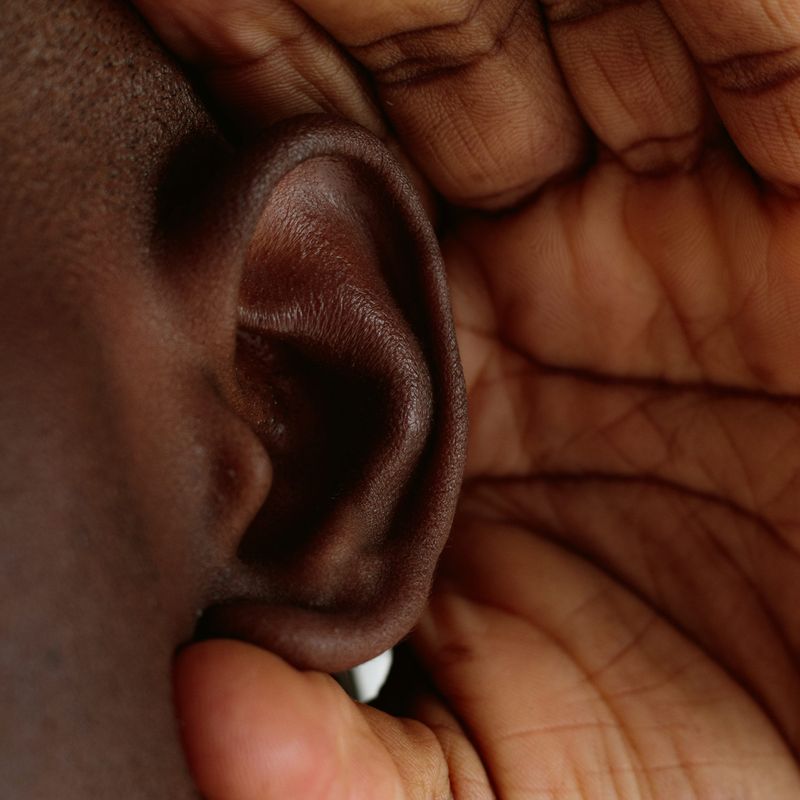
A mysterious little dimple sits near the front of some people’s ears, looking like nature forgot to finish the design.
This preauricular pit appears in roughly 1% of the population, though it’s more common in certain ethnic groups.
The tiny opening connects to a short tunnel under the skin that formed during early fetal development.
Ancient folklore suggested these pits held mystical significance or marked individuals with special abilities.
Modern science explains them as harmless evolutionary remnants from when our ancestors had gills.
Most people never experience any problems with their preauricular pits throughout their entire lives.
Occasionally, the tract can become infected and require medical attention.
Otherwise, it’s just an interesting conversation starter.
5. Morton’s Toe: When Your Second Toe Takes Charge

Glance down at your feet—is your second toe longer than your big toe?
If so, you share this trait with roughly 10% of humanity and even the Statue of Liberty herself!
Morton’s toe has fascinated sculptors throughout history, appearing frequently in classical Greek and Roman art as a symbol of beauty and aristocratic heritage.
This toe configuration happens when your first metatarsal bone is shorter than your second one.
Despite myths suggesting otherwise, it doesn’t cause any inherent foot problems for most people.
Athletes with Morton’s toe sometimes excel at certain sports because of how their weight distributes across their feet.
Shoe shopping might require extra attention to toe box room, but that’s typically the biggest challenge.
6. Outie Belly Button: A Protruding Navel

Only about 10% of adults sport an outie belly button that protrudes instead of creating an inward dimple.
Contrary to popular belief, doctors cutting the umbilical cord don’t determine whether you’ll have an innie or outie.
The shape depends entirely on how your body heals the connection point after birth, making it completely random and unpredictable.
Some outies form when extra scar tissue develops during healing.
Others occur if a small umbilical hernia pushes tissue outward as the area closes up.
Neither situation typically causes health concerns or requires medical intervention unless discomfort develops later.
Fashion trends come and go, but belly buttons remain wonderfully diverse.
Your navel tells the story of your very first scar.
7. Natural Red Hair: A Fiery Genetic Rarity
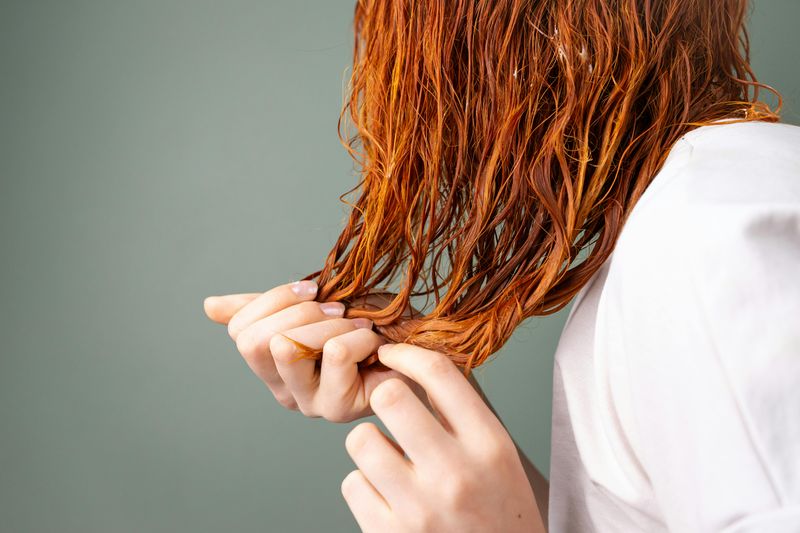
Fiery red locks crown only 1-2% of people worldwide, making natural redheads rarer than pandas!
This stunning hair color results from a genetic mutation affecting the MC1R gene, which controls pigment production.
Scotland and Ireland claim the highest concentrations of redheads, where up to 13% of the population carries this distinctive trait.
Redheads typically have fair, freckled skin that’s more sensitive to sunlight and UV damage.
Their bodies produce pheomelanin instead of eumelanin, creating those gorgeous copper, auburn, and strawberry blonde shades.
Interestingly, redheads often require more anesthesia during medical procedures because their altered pain receptors process sensations differently.
This rare coloring has inspired countless legends, from Irish folklore to modern pop culture celebrations.
Comments
Loading…