
 Hailey Watson
Younger generations are changing the workplace, relationships, and society in ways we have never seen before. They are speaking up about what they value and what they will no longer accept.
From outdated workplace rules to harmful social norms, Gen Z and Millennials are drawing clear boundaries and demanding better treatment for everyone.
1. Toxic Work Environments

Bullying bosses and disrespectful coworkers are no longer something young workers will quietly endure.
Millennials and Gen Z prioritize mental health and recognize that no paycheck is worth constant stress and mistreatment.
Companies that ignore workplace toxicity are losing talented employees at record rates.
Young professionals are choosing jobs where they feel valued, supported, and heard.
Social media has made it easier than ever to expose bad employers, so businesses are being held accountable like never before.
Workers now understand that respect should be the foundation of every professional relationship, not just a bonus.
2. Unpaid Overtime and Exploitation

Working extra hours without compensation is something younger generations refuse to normalize anymore.
They believe that if you work, you deserve to be paid fairly for every minute of your time.
Unlike previous generations who often sacrificed personal time for their careers, young workers are setting firm boundaries.
They log off when their shift ends and do not answer work emails during personal time.
This shift is forcing companies to rethink their expectations and hire enough staff to cover workloads properly.
Young employees understand that their time has value, and they will not let employers take advantage of their dedication.
3. Discrimination and Inequality
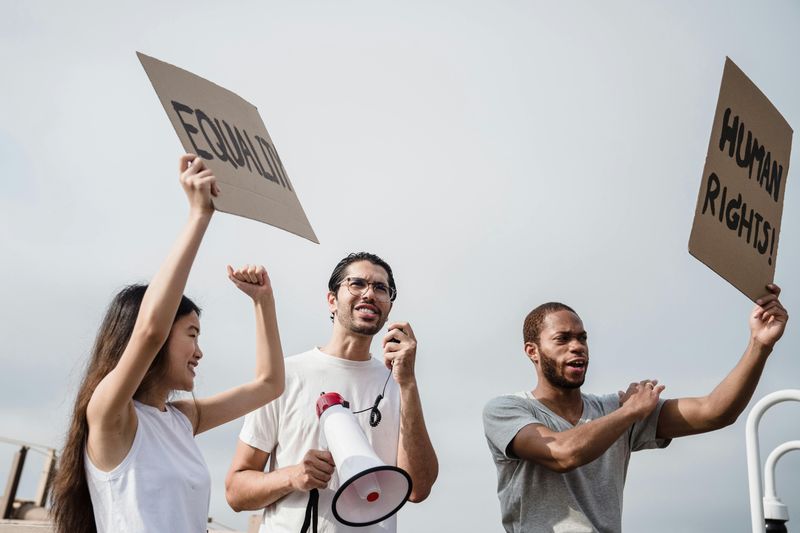
Racism, sexism, homophobia, and other forms of discrimination are being called out loudly by younger people everywhere.
They grew up in a more diverse world and expect everyone to be treated with equal respect and dignity.
When they witness unfair treatment based on identity, they speak up immediately rather than staying silent.
Social movements led by young activists have brought important conversations about justice into mainstream culture.
Companies and institutions that fail to address inequality are facing public backlash and losing customers.
Young generations believe that diversity is not just a buzzword but a necessary foundation for a fair society.
4. Lack of Work-Life Balance

Sacrificing personal happiness for career success is an old mindset that young workers are rejecting completely.
They want jobs that allow them to enjoy hobbies, spend time with loved ones, and take care of their well-being.
Remote work options and flexible schedules are now deal-breakers when choosing employers.
Younger generations understand that life is too short to spend every waking moment chained to a desk.
This perspective is reshaping corporate culture and proving that productivity does not require burnout.
Employers who offer balance are attracting the best talent, while those stuck in old ways are struggling to fill positions.
5. Environmental Destruction
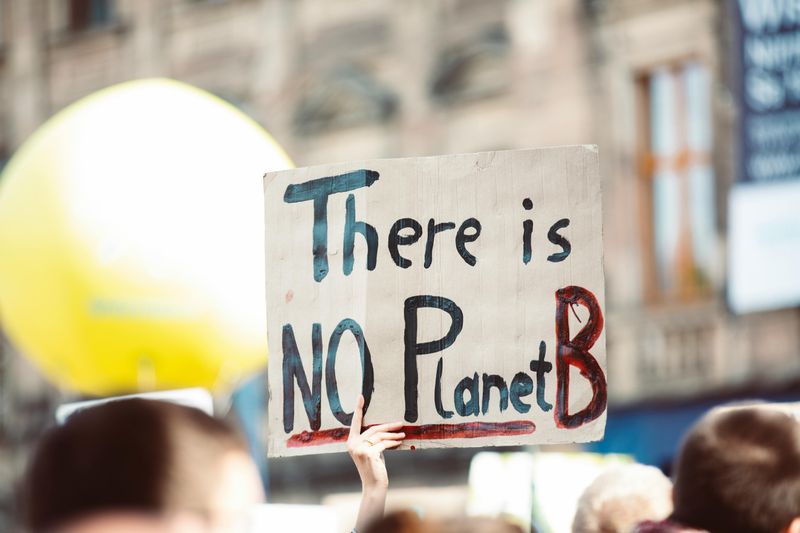
Climate change is not a distant problem for younger generations; it is their future at stake.
They refuse to tolerate companies and governments that prioritize profits over the health of the planet.
From boycotting wasteful brands to supporting sustainable businesses, young consumers are voting with their wallets.
They demand transparency about environmental practices and hold corporations accountable for pollution and waste.
Activism around climate issues has never been stronger, with young voices leading global movements.
This generation knows that protecting the environment is not optional but essential for survival, and they will not accept excuses anymore.
6. Outdated Gender Roles

Expectations that women should handle all housework or that men cannot be emotional are being challenged by younger people daily.
They believe everyone should be free to live authentically without being boxed into stereotypes.
Relationships are becoming more equal partnerships where responsibilities are shared based on preference, not gender.
Young men are embracing caregiving roles, and young women are pursuing ambitious careers without apology.
This shift is creating healthier dynamics in families and workplaces across the board.
Younger generations understand that outdated gender norms limit everyone, and they are building a more inclusive world where people can simply be themselves.
7. Silence Around Mental Health

Pretending everything is fine when struggling emotionally is something younger generations refuse to do anymore.
They talk openly about anxiety, depression, and therapy without shame or embarrassment.
Mental health is finally being recognized as just as important as physical health, thanks to young advocates.
They demand access to affordable counseling and support systems in schools and workplaces.
By normalizing these conversations, they are breaking down stigma that prevented older generations from seeking help.
Young people understand that asking for support is a sign of strength, not weakness, and they encourage everyone to prioritize emotional well-being.
Comments
Loading…