
 Jade Reed
You never know when an unexpected situation might put you in a tough spot — a storm, a power outage, or getting lost on a hike. Knowing basic survival skills can make the difference between panic and staying calm and safe.
These aren’t just skills for adventurers or soldiers; they’re practical tools every person should have tucked away. Being prepared doesn’t mean expecting the worst — it means being ready for anything life throws your way.
1. Building a Fire
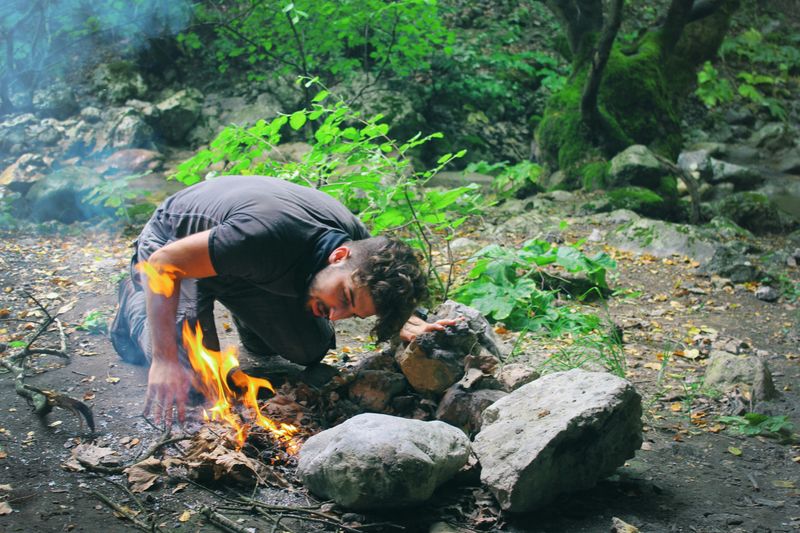
Picture this: it’s getting dark, the temperature is dropping fast, and you need warmth — fast.
Knowing how to build a fire could literally save your life.
Fire provides heat, a way to cook food, and even a signal for rescuers to find you.
Start by gathering dry leaves, small twigs, and larger sticks.
Arrange them in a teepee or log-cabin shape to allow airflow.
A spark from flint or even friction between two dry sticks can ignite the tinder.
Practice this skill before you ever need it.
The more you do it, the faster and more reliable you become.
2. Finding and Purifying Water
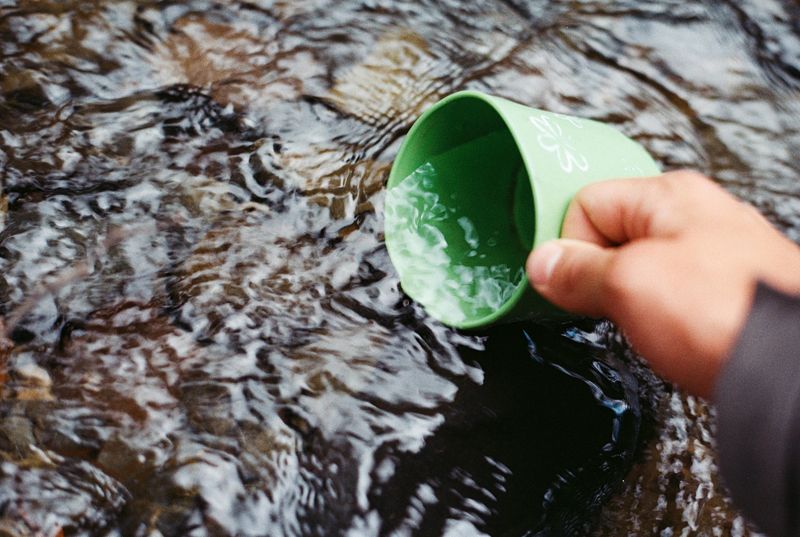
Water is your body’s number one need in any emergency — you can only survive about three days without it.
But not all water you find in the wild is safe to drink.
Drinking contaminated water can make you seriously ill, which is the last thing you need in a crisis.
Look for moving water sources like streams or rivers, which are generally cleaner than stagnant ponds.
Boiling water for at least one minute kills most harmful bacteria and viruses.
Portable water filters and purification tablets are also great tools to keep in your emergency kit, just in case.
3. Navigating Without a Phone
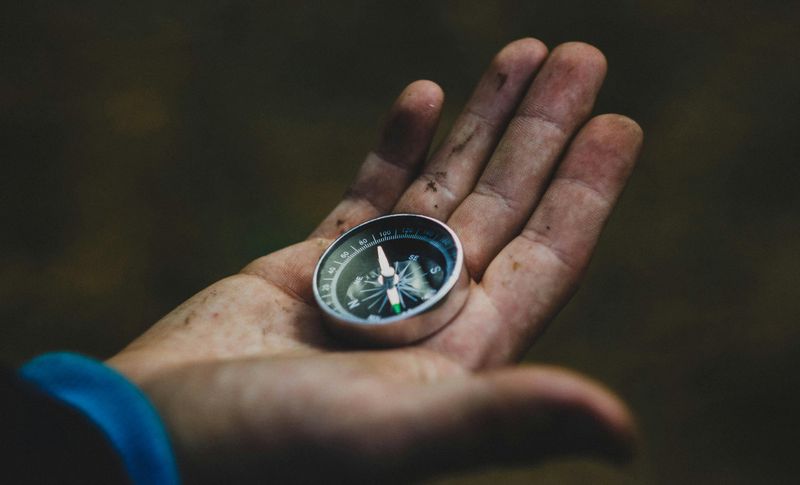
Here’s a humbling truth: when your phone dies or loses signal, most people have no idea where they are.
Learning to navigate using a map and compass is one of the most underrated survival skills out there.
Ancient sailors crossed entire oceans with just the stars — you can handle a hiking trail.
A basic compass tells you which direction is north, and a topographic map shows the land’s shape and features.
Together, they help you figure out where you are and where you’re headed.
Even learning to use the sun’s position as a rough guide can get you moving in the right direction.
4. Basic First Aid
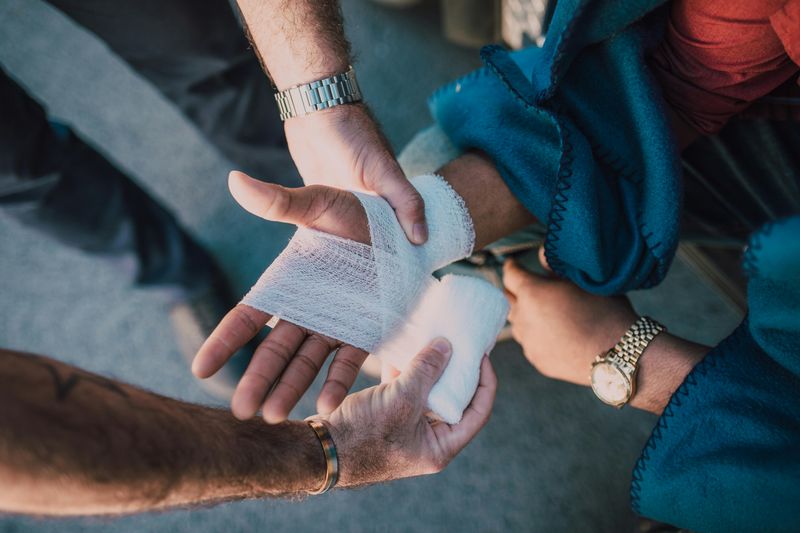
Accidents happen when you least expect them — a cut from a sharp rock, a twisted ankle on a trail, or a bee sting that causes a reaction.
Knowing basic first aid means you can handle these moments calmly and effectively.
Every second counts when someone is hurt.
Learn how to clean and bandage wounds, treat burns, and recognize signs of shock or allergic reactions.
CPR is another essential skill that could save a life during cardiac emergencies.
Many communities offer free or low-cost first aid classes.
Taking even a short course gives you confidence and the knowledge to act when it matters most.
5. Finding or Building Shelter
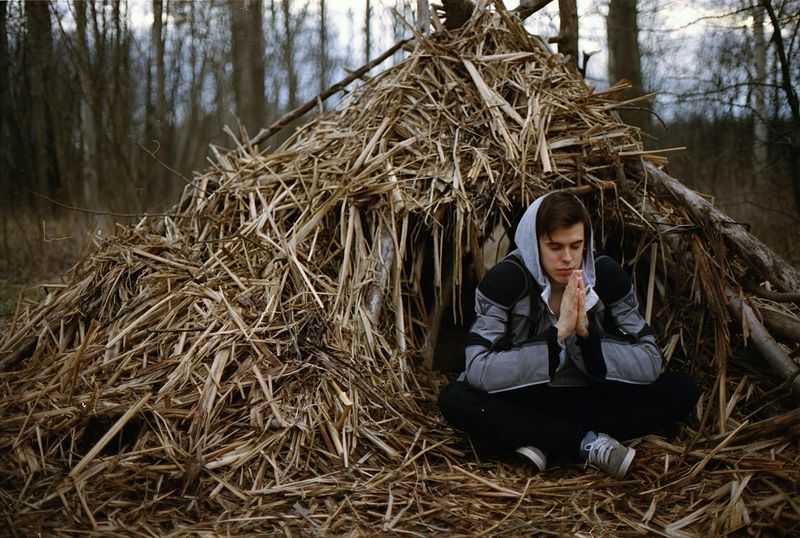
Exposure to cold, wind, and rain can become dangerous in just a few hours without proper shelter.
Your body loses heat quickly in wet or windy conditions, and hypothermia can set in faster than most people realize.
Shelter is often more urgent than food in a survival situation.
A lean-to shelter is one of the easiest to build — prop a long branch against a tree and layer smaller sticks and leaves against it.
Even a pile of leaves can insulate your body from cold ground.
Always look for natural windbreaks like boulders or thick bushes before building, saving you time and energy.
6. Signaling for Help

Getting rescued quickly depends on how well rescuers can find you — and that’s where signaling skills become a game-changer.
Many survival experts say that signaling for help is just as important as any other skill.
The goal is to make yourself as visible and noticeable as possible.
Three of anything — three whistle blasts, three fires in a triangle, or three flashes of light — is the universal distress signal.
A small mirror can reflect sunlight for miles, catching a pilot’s or hiker’s attention.
Bright-colored clothing, noise, and smoke from a fire are all effective ways to say, “I’m here, come find me!”
7. Foraging for Food
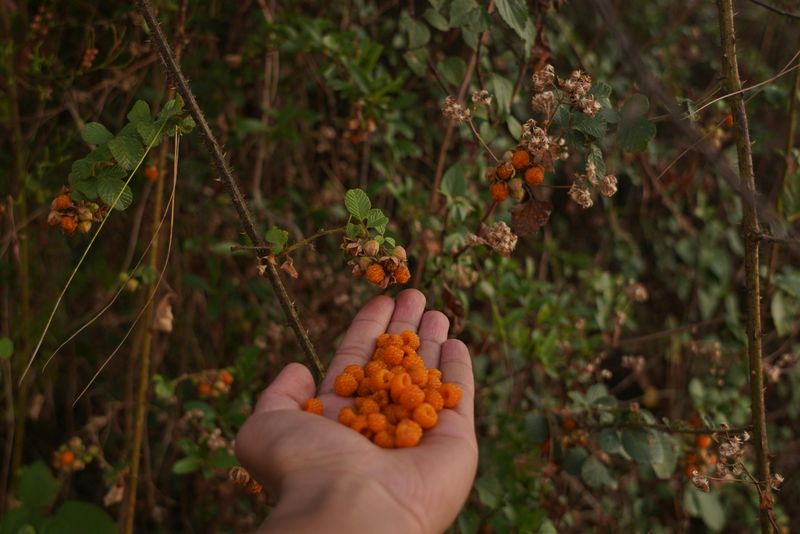
Hunger is rarely the first emergency in a survival situation, but after a couple of days without food, your energy and thinking ability start to fade.
Knowing which wild plants are safe to eat could give you the fuel you need to keep going.
The tricky part?
Many edible plants have toxic look-alikes.
Start by learning a few easy-to-identify plants in your region, like dandelions, blackberries, or pine nuts.
Never eat anything you aren’t completely sure about — when in doubt, leave it out.
Carrying a pocket field guide to edible plants is a smart move for any outdoor adventure.
Comments
Loading…