
 Isabel Parker
Children are constantly watching, absorbing every gesture, word, and emotion around them—even when we think they’re too young to understand.
They notice the unspoken truths we carry, the feelings we try to hide, and the values we demonstrate through our actions.
These small, seemingly invisible moments shape how they see themselves, their relationships, and the world.
1. How You Feel About Your Partner or Co-Parent

Kids can sense the emotional weather between the adults in their lives.
A rolled eye, a heavy sigh, or even silence that feels thick can signal tension they absorb like a sponge.
They don’t need to hear an argument to know something’s off.
When warmth and respect flow between caregivers, children feel grounded and secure.
But when resentment lingers beneath polite words, they pick up on it and may start to question their own safety in relationships.
Even small shifts in tone or body language send powerful messages.
Your connection with your co-parent becomes their model for love, conflict, and partnership.
They learn what’s normal, what’s acceptable, and what feels safe based on what they witness daily.
2. How You Feel About Your Body
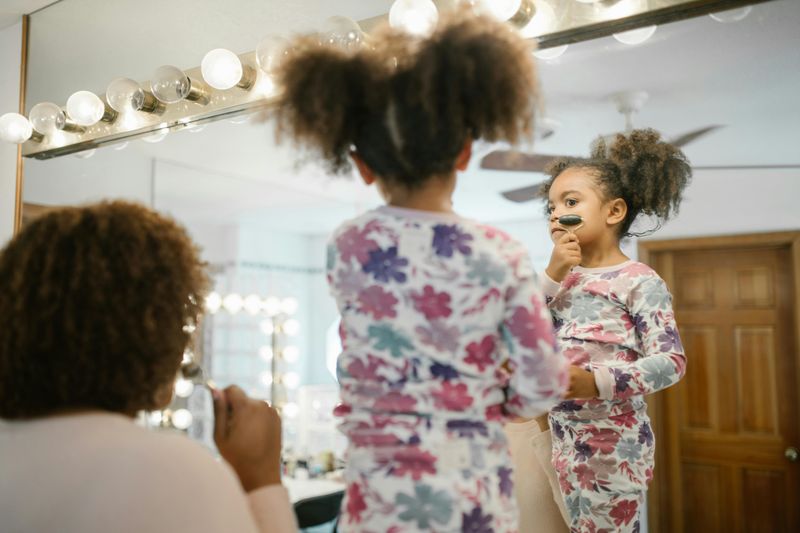
Every glance in the mirror, every comment about needing to lose weight, every frustrated sigh over clothing fit—children are listening.
They notice when you avoid photos, criticize your appearance, or praise someone for being thin.
These moments quietly teach them how to judge their own bodies.
When you speak kindly about yourself, they learn self-acceptance.
When you express shame or dissatisfaction, they internalize that bodies are something to fix or hide.
Kids don’t yet have their own critical voice, so they borrow yours.
Your relationship with your body becomes their earliest lesson in self-worth.
They watch how you treat yourself and assume that’s how they should treat themselves too.
3. What You Actually Value
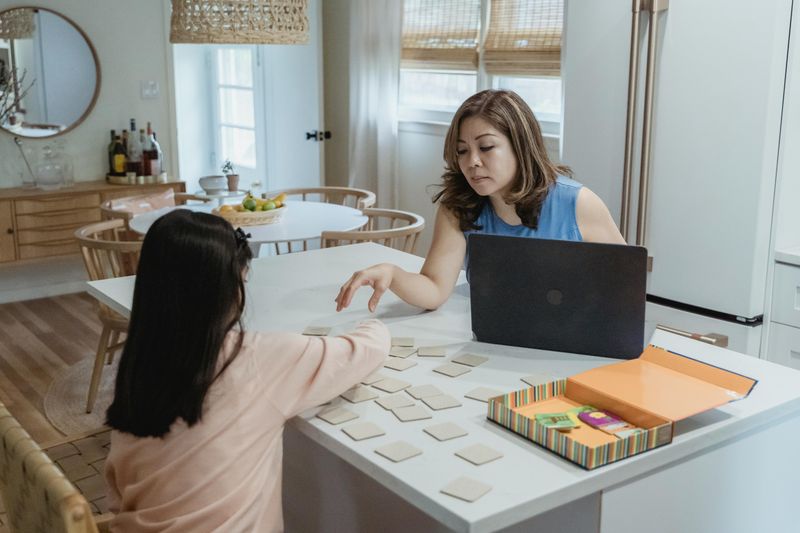
Children don’t believe what you say—they believe what you do.
If you talk about kindness but snap at service workers, they notice.
If you say family matters most but work through every dinner, they notice that too.
Your daily choices reveal your true priorities more than any speech ever could.
They watch where your time goes, what makes you light up, and what you protect fiercely.
Actions become their compass for what really matters in life.
Words fade, but patterns stick.
When your behavior aligns with your stated values, kids feel trust and clarity.
When there’s a gap, they feel confused and may stop believing what you say altogether.
4. Your Self-Compassion or Lack of It

When you spill something and call yourself stupid, your child files that away.
When you make a mistake at work and spiral into shame, they’re learning how to treat themselves when things go wrong.
Kids absorb your inner dialogue and make it their own.
If you practice self-compassion—acknowledging mistakes without harsh judgment—they learn resilience and grace.
But if you beat yourself up, they assume that’s the correct response to failure.
Your self-talk becomes their blueprint for handling imperfection.
Children need to see that mistakes are part of being human, not proof of worthlessness.
How you recover from setbacks teaches them more than any pep talk ever could.
5. Your Relationship with Food

Kids notice when you skip meals, label foods as good or bad, or eat with guilt instead of enjoyment.
They watch you restrict, binge, or stress over every bite, and they start forming their own beliefs about nourishment, pleasure, and control.
No formal lesson is needed—they’re learning by observation.
When you eat with ease and balance, they develop a healthy relationship with food.
When you treat eating like a moral issue, they internalize anxiety and shame around something that should be simple and nourishing.
Your approach to food quietly shapes their future habits, self-image, and emotional well-being around eating.
6. How You Talk About Your Kid to Other Adults
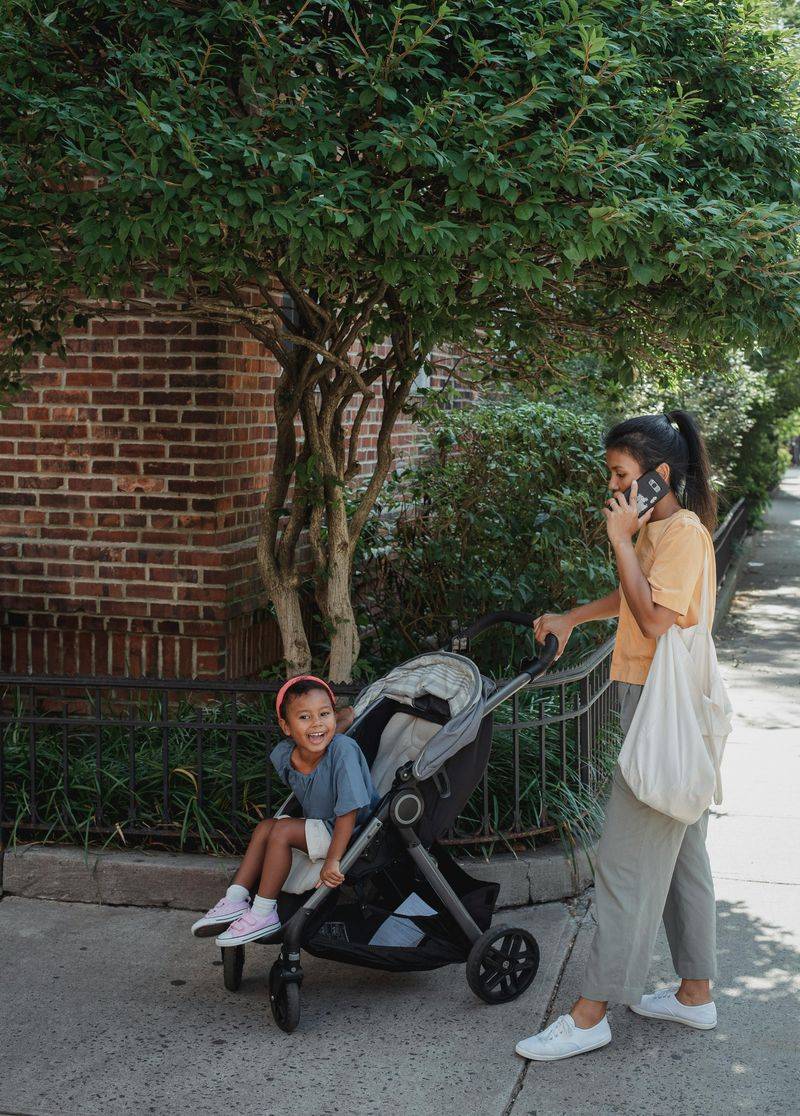
Even when they seem absorbed in play, children are listening.
They hear how you describe them to friends, family, or strangers—whether you defend them, joke at their expense, or dismiss their feelings.
These overheard conversations shape their sense of identity and safety in profound ways.
When you speak about them with warmth and respect, they feel valued and seen.
When you complain or mock them, even lightheartedly, they internalize shame and doubt.
Your words about them become their inner narrative.
Kids need to know they’re safe in your stories, not the punchline.
How you represent them to the world tells them how you truly see them.
7. How You Handle Mistakes and Frustration

When something breaks or plans fall apart, your child is watching closely.
Do you take a breath and problem-solve calmly, or do you shut down, blame yourself, or lash out?
These moments become their reference point for managing disappointment and failure.
If you model calm resilience, they learn that setbacks are manageable and temporary.
If you spiral into frustration or self-blame, they assume that’s the appropriate response when life doesn’t go as planned.
Your emotional regulation becomes their emotional education.
Children need to see that mistakes don’t define you and that frustration can be felt and released without chaos.
Your response teaches them how to navigate their own struggles.
Comments
Loading…