
 Hailey Watson
Ever catch yourself wishing you could go back to simpler times?
You’re not alone, but here’s the truth: those “good old days” weren’t as great as your brain makes them seem.
When we’re feeling down, it’s easy to romanticize the past and forget all the things that actually made life harder back then.
Before you decide the present is the worst, let’s take an honest look at what life was really like before smartphones, modern medicine, and equal rights.
1. Communication Was a Nightmare
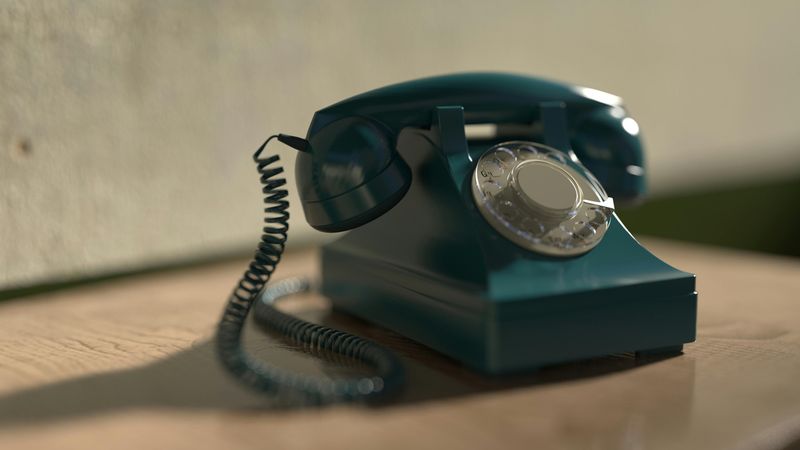
Waiting weeks just to hear back from your best friend who moved across the country.
That was reality for most of human history.
No texts, no video calls, no instant updates about what everyone’s doing.
Long-distance phone calls cost a fortune, so people saved them for emergencies or special occasions.
Writing letters took time, and you never knew if they’d actually arrive.
Families were often separated for years with minimal contact.
Today, you can talk to anyone, anywhere, anytime for free.
Your grandparents would have considered that actual magic.
The ability to stay connected has transformed relationships and made the world feel smaller in the best way possible.
2. Entertainment Required Actual Effort
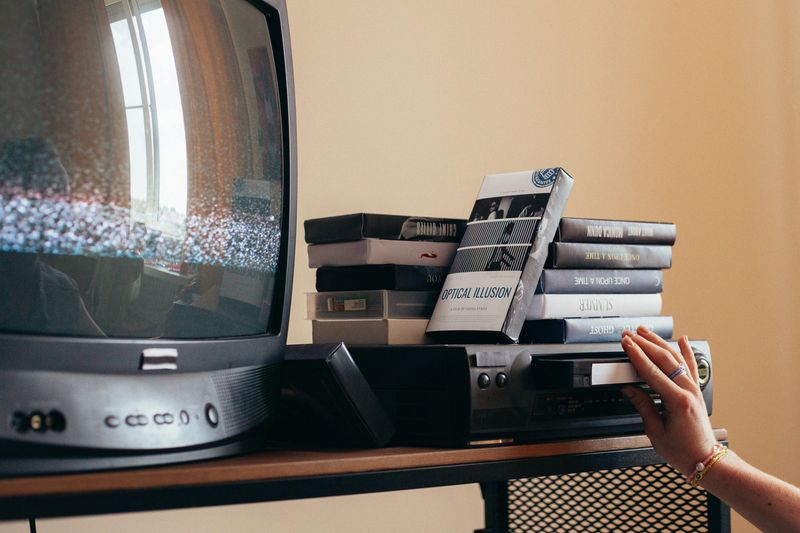
Bored on a Tuesday night?
Too bad.
You had maybe three TV channels, and they all shut down at midnight.
No streaming services, no YouTube, no on-demand anything.
Want to see a movie?
You had to actually go to the theater or wait months for it to maybe show up on TV.
Music meant buying expensive records or tapes, and you couldn’t skip songs you didn’t like.
Reading was great, but libraries had limited hours and selections.
People spent their evenings staring at walls or making awkward small talk with family members.
The entertainment options we have now would blow their minds.
Being bored is basically a choice today.
3. Travel Was Brutal and Dangerous
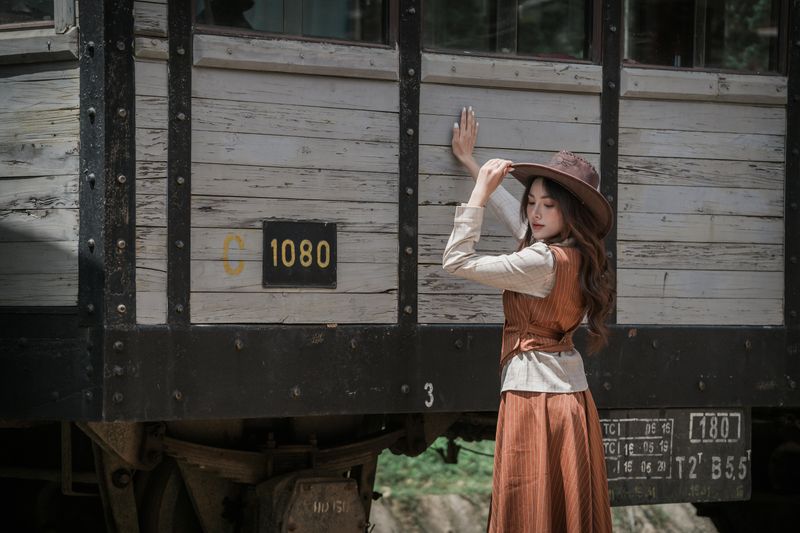
Road trips meant no air conditioning, unreliable maps, and cars that broke down constantly.
Forget about GPS telling you the fastest route or warning about traffic.
You just hoped you’d figure it out.
Air travel was incredibly expensive and only for the wealthy.
Most people never left their home state, let alone their country.
Trains were slow, uncomfortable, and often unsafe.
Even visiting relatives a few towns over required serious planning.
Today, you can fly across the world for a few hundred bucks and track your ride in real-time.
Travel has become accessible and relatively safe.
The freedom to explore is something previous generations could only dream about experiencing.
4. Everything Was Lower Quality
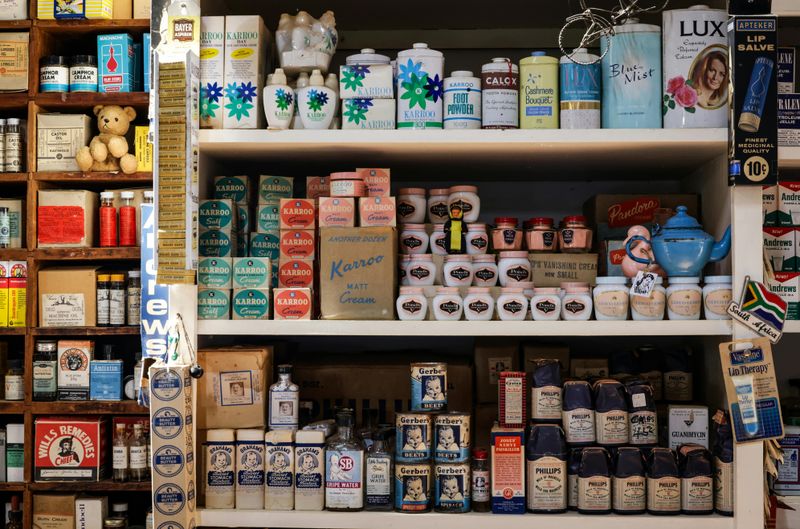
Did you know most clothes fell apart after a few washes?
Quality control barely existed, so you never knew what you were getting.
Products were made locally with whatever materials were available, which often meant poor craftsmanship.
Food spoiled quickly because refrigeration was expensive and unreliable.
Medicine was hit-or-miss, with many remedies being completely useless or even dangerous.
Tools and appliances broke constantly, and finding replacement parts was a nightmare.
Mass production and global trade have given us access to better products at lower prices.
Sure, some things aren’t built to last forever, but they work way better than the junk our ancestors had to deal with daily.
5. Women and Minorities Had Almost No Rights
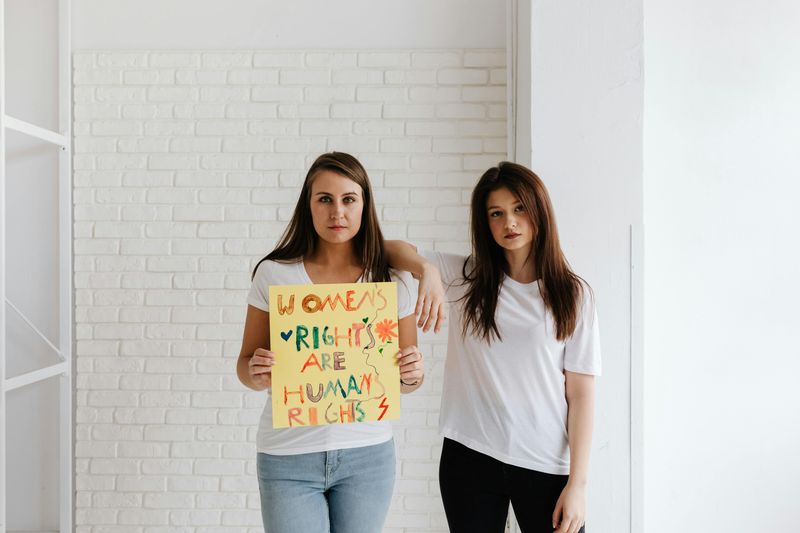
Here’s something that definitely wasn’t better: systematic discrimination was completely legal and socially acceptable.
Women couldn’t open bank accounts without their husband’s permission.
They were expected to stay home and had limited career options beyond teaching or nursing.
Racial segregation was enforced by law in many places.
LGBTQ+ individuals had to hide who they were or face violence and imprisonment.
People with disabilities were often institutionalized and forgotten.
Religious minorities faced constant persecution.
The progress we’ve made toward equality isn’t perfect, but it’s light-years ahead of where we were.
Anyone who thinks those times were better is ignoring the suffering of millions who were denied basic human dignity and rights.
6. Mental Health Was Completely Ignored
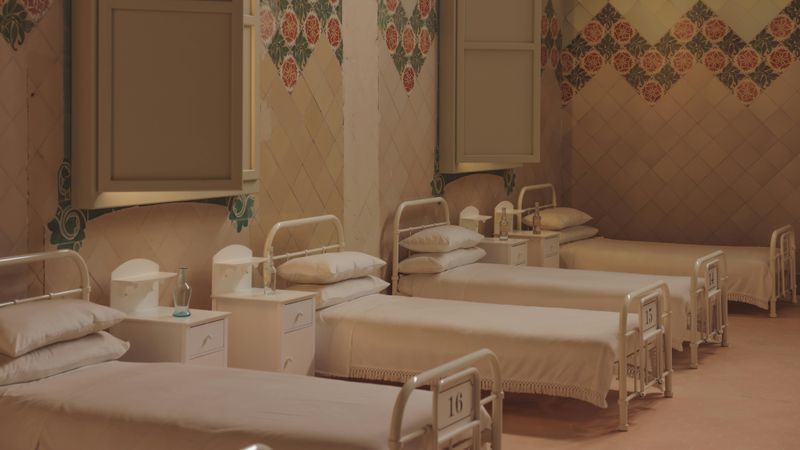
Feeling anxious or depressed?
Back then, you’d be told to snap out of it or pray harder.
Mental illness was seen as weakness, possession, or moral failure.
People suffering were often locked away in horrifying institutions.
Therapy was only for the wealthy or the severely ill.
Medications were primitive and had terrible side effects.
There was no understanding of trauma, PTSD, or neurodivergence.
Kids with ADHD or autism were labeled as problem children and punished.
Today, we understand mental health is just as important as physical health.
Resources exist, stigma is decreasing, and people can get help.
The progress in understanding and treating mental illness has saved countless lives and reduced immeasurable suffering.
7. Nobody Cared About the Environment

Rivers literally caught on fire from pollution.
Cities were covered in smog so thick you couldn’t see across the street.
Companies dumped toxic waste wherever they wanted, and nobody questioned it.
The environment was treated like an infinite garbage dump.
Lead was in gasoline, paint, and pipes, poisoning entire generations.
Pesticides like DDT killed wildlife and contaminated food supplies.
Deforestation happened at alarming rates with zero regulation.
People didn’t understand or care about long-term consequences.
Environmental awareness has transformed how we treat the planet.
We’re not perfect, but at least we’re trying.
Recycling programs, clean energy, and conservation efforts didn’t exist back then.
Future generations will judge us, but they’d judge the past even harder.
Comments
Loading…