
 Harper Hall
More women today are choosing a life without children, and this shift is reshaping families and societies around the world.
What once seemed like an unusual choice is now becoming more common and accepted. Understanding why women are making this decision helps us see the changing priorities and challenges of modern life.
1. Career Ambitions and Professional Growth

Building a successful career takes time, energy, and dedication that many women prefer to invest fully without interruption.
Climbing the corporate ladder or starting a business often requires long hours, travel, and flexibility that parenthood can complicate.
Women in demanding fields like medicine, law, or technology sometimes face an impossible choice between advancement and motherhood.
The gender pay gap already puts women at a disadvantage, and taking maternity leave can further slow career progress.
Choosing to focus on professional goals allows women to reach their full potential without compromise.
Many find deep satisfaction and purpose in their work that fulfills them completely.
Financial independence and career success provide security and freedom that feel more valuable than traditional family roles.
2. Financial Concerns and Economic Pressures

The cost of raising a child from birth to college can reach staggering heights, often making women reconsider.
Skyrocketing home prices and stagnant wages make it harder to secure the space children require.
Healthcare expenses, childcare costs, and education fees add up quickly, creating financial stress that can last decades.
Student loan debt already burdens millions of young women, leaving little room for additional expenses.
Economic uncertainty and job instability make the long-term commitment of parenthood feel risky.
Some women prefer to use their money for travel, hobbies, retirement savings, or helping aging parents instead.
Financial freedom without dependents offers flexibility and peace of mind that feels increasingly precious.
3. Environmental and Climate Anxiety

Did you know that having one fewer child is one of the most impactful ways an individual can reduce their carbon footprint?
This fact weighs heavily on environmentally conscious women who worry about bringing children into an uncertain world.
Climate change, pollution, and resource depletion create genuine fear about what future generations will face.
Wildfires, floods, extreme heat, and food shortages are becoming more common, painting a scary picture of tomorrow.
Some women feel it would be irresponsible to have children when the planet is already overpopulated and struggling.
Others simply cannot shake the anxiety about their potential children suffering through environmental disasters.
Choosing not to have kids becomes an ethical decision rooted in love for the planet and future humanity.
4. Desire for Personal Freedom and Flexibility

Parenthood means surrendering spontaneity and personal time for at least two decades, a sacrifice not everyone wants to make.
Sleeping in on weekends, traveling on a whim, or pursuing hobbies without interruption becomes nearly impossible with children.
Women who value autonomy and independence often find the constant demands of motherhood unappealing.
The ability to make decisions based solely on personal desires rather than a child’s needs feels liberating and essential.
Many women enjoy quiet evenings, maintaining tidy homes, and having uninterrupted conversations with partners or friends.
Social activities, exercise routines, and creative pursuits require time and mental space that children consume.
Freedom to live life on their own terms without guilt or obligation brings genuine happiness and fulfillment to many women.
5. Lack of Partner or Suitable Co-Parent

Finding the right partner is challenging enough without adding the pressure of finding someone who also wants children.
Many women refuse to settle for an incompatible relationship just to have kids before their biological clock runs out.
Single motherhood by choice is an option, but it comes with enormous financial and emotional challenges that not everyone can handle.
Co-parenting with the wrong person can lead to decades of conflict, stress, and regret.
Some women never meet someone they trust enough to raise children with, or they prefer being single altogether.
Dating apps and modern relationships often feel shallow and unstable, making long-term family planning seem unrealistic.
Without a solid partnership, many women decide that remaining childfree is the wiser, healthier choice for everyone involved.
6. Mental Health and Emotional Well-Being Priorities
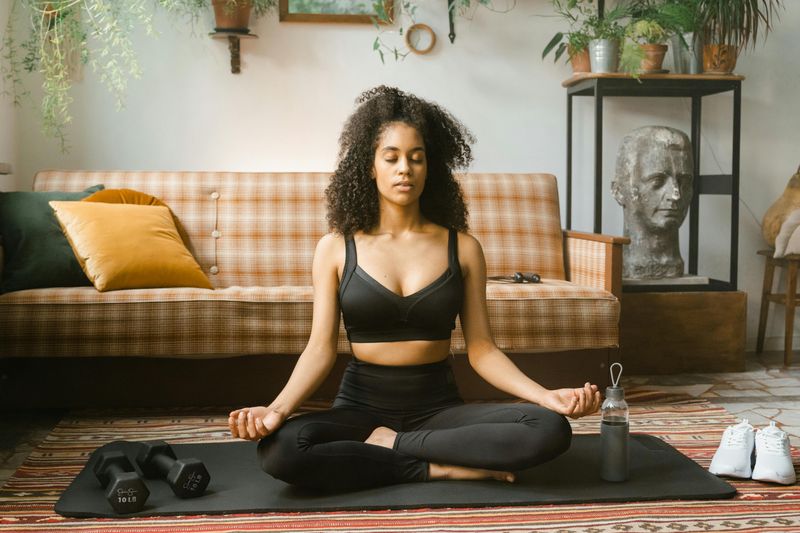
With a history of anxiety or depression, some women recognize that the stress of parenting could seriously harm their mental health.
Pregnancy hormones, sleep deprivation, and constant responsibility can trigger or worsen existing conditions.
Therapy, medication, and self-care routines that keep women stable might become impossible to maintain with children demanding attention.
The guilt and pressure to be a perfect mother can feel overwhelming even for those without mental health challenges.
Choosing not to have children allows women to protect their emotional well-being and maintain the balance they have worked hard to achieve.
Many find that prioritizing their own mental health is not selfish but necessary for living a happy, functional life.
Recognizing personal limitations shows wisdom and self-awareness rather than weakness.
7. Changing Social Norms and Reduced Pressure

Society once expected every woman to become a mother, but those rigid expectations are finally loosening their grip.
Previous generations faced judgment and isolation for choosing childlessness, but today it is becoming normalized and respected.
Social media and online communities connect childfree women, helping them feel less alone in their decision.
Friends and family members are increasingly supportive rather than critical when women announce they do not want kids.
The outdated idea that motherhood defines womanhood is being challenged and rejected by younger generations.
Women now have permission to design lives that reflect their true desires rather than societal scripts.
This cultural shift empowers women to make authentic choices without shame, guilt, or apology, celebrating diverse paths to fulfillment and happiness.
Comments
Loading…