
 Harper Hall
Every generation follows its own social rules, and what once felt perfectly normal can seem surprisingly off-putting today.
Many habits that were friendly and common in the 1960s and 1970s now raise eyebrows among Gen Z.
From unexpected doorbell rings to unsolicited comments about appearance, the gap between old-school manners and modern expectations is clear.
Recognizing these differences can help bridge the generational divide and encourage more respectful interactions.
1. Showing Up at Someone’s House Unannounced

Back in the day, dropping by a neighbor’s house without calling ahead was practically a love language. It meant you were close enough not to need an invitation.
People would swing by with a pie, a smile, and zero warning.
Today, Gen Z sees this very differently.
Showing up unannounced can feel like a violation of personal space and time.
Many younger people have schedules, anxiety, or simply need advance notice to feel comfortable hosting someone.
A quick text goes a long way.
It shows respect for someone’s time and makes the visit something to look forward to, not dread.
2. Calling Without Texting First

Picture this: your phone rings out of nowhere, no warning, no context.
For Gen Z, that can feel like someone just burst through the door uninvited.
Older generations grew up in a world where calling was simply how you communicated.
But younger people tend to treat unexpected calls as stressful interruptions.
A surprise phone call can feel pushy, especially when someone is working, studying, or just recharging.
Texting first is the modern courtesy that says, “Hey, is now a good time?”
It keeps communication low-pressure and lets the other person respond on their own terms without feeling put on the spot.
3. Commenting on Someone’s Weight or Appearance

In the 1960s and 1970s, remarks about someone’s body were often tossed around like casual small talk at family dinners and neighborhood cookouts.
“You’ve lost weight! You look amazing!”
Sounds like a compliment, right?
Gen Z has grown up in a culture that actively challenges body shaming, and many younger people find these comments deeply uncomfortable, even when they’re well-intentioned.
Tying someone’s worth to their appearance, even positively, can sting in unexpected ways.
Modern etiquette leans toward complimenting character, effort, or style instead of body shape.
It’s a small shift that makes a big difference in how people feel seen.
4. Assuming Traditional Gender Roles

For decades, society operated on a fairly rigid script: men went to work, women managed the home, and nobody questioned it much.
Those expectations were baked into everything from TV commercials to school textbooks in the 1960s and 1970s.
Gen Z pushes back hard against this kind of thinking.
Assuming someone will cook because they’re a woman, or that a man shouldn’t show emotion, feels dismissive and outdated to younger generations who value individual expression over social scripts.
Stereotypes based on gender can quietly limit people before they even get a chance to discover who they truly are.
That matters more now than ever.
5. Pressuring People About Marriage or Kids

Asking couples when they plan to get married used to be a go-to question at family reunions, holiday dinners, and neighborhood barbecues.
Older generations often meant it warmly, viewing it as a friendly way to show interest and care in someone’s life.
For Gen Z, though, questions like these can feel like a crowbar prying into deeply personal territory.
Marriage, children, and life milestones are choices that look different for everyone, and not everyone follows the same timeline, or wants to.
Pushing these topics can make younger people feel judged or rushed.
Respecting someone’s path, even if it looks different from your own, is one of the most meaningful forms of kindness.
6. Dismissing Mental Health Struggles

Phrases like “toughen up” or “stop overthinking it” were common responses to emotional struggles in the 1960s and 1970s, when mental health was rarely discussed openly.
At the time, pushing through pain and staying quiet about personal difficulties was often seen as a sign of strength.
Gen Z has grown up with far more awareness around anxiety, depression, and emotional wellbeing.
Brushing off someone’s mental health concerns can feel not just dismissive, but genuinely harmful to younger people who take these issues seriously.
Therapy is no longer seen as a last resort.
It’s a tool, and a respected one.
Treating it otherwise sends a message that someone’s inner struggles simply do not matter.
7. Forcing Attendance at Religious Services
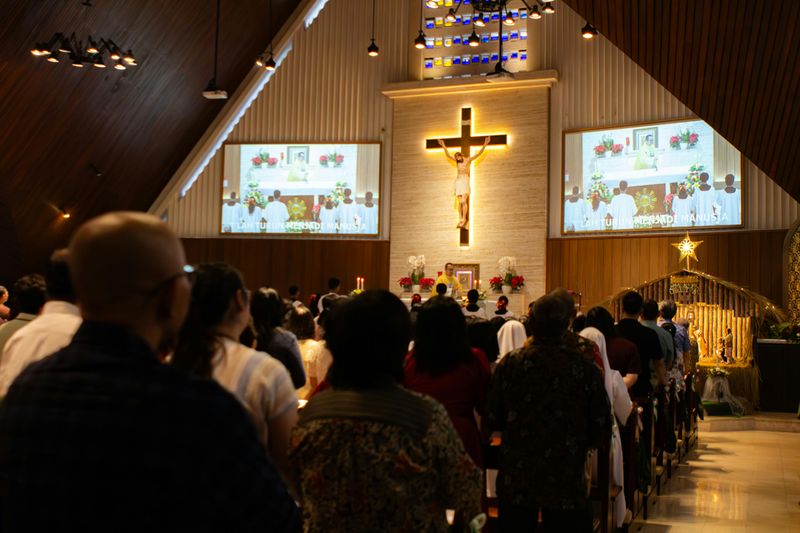
For many families in the 1960s and 1970s, Sunday church attendance was as automatic as breakfast.
Spirituality was woven into daily life, and skipping a service was rarely an option, especially for kids and teenagers.
Gen Z tends to approach religion as a personal journey rather than a family obligation.
Being required to attend services they don’t believe in can feel like a violation of their individual identity and right to choose their own values.
Sharing faith is beautiful when it’s an open invitation, not a mandate.
Giving younger people space to explore spirituality on their own terms often builds more genuine connection than any forced attendance ever could.
Comments
Loading…