
 Mila Ross
Luxury brands used to mean quality, exclusivity, and timeless style.
But lately, some of these famous names have been charging more while offering less.
Whether it’s cheaper materials, mass production, or prices that make your jaw drop, these brands aren’t delivering the value they once did.
Here are seven luxury labels that might not deserve your hard-earned cash anymore.
1. Michael Kors
Walk into almost any mall and you’ll spot Michael Kors bags everywhere.
What started as a sleek American luxury brand became way too common for its own good.
The company expanded so fast that exclusivity vanished overnight.
Outlet stores flooded with MK products at steep discounts, making full-price purchases feel silly.
Quality hasn’t kept pace with the brand’s former reputation either.
Materials feel cheaper, stitching seems rushed, and designs look mass-produced rather than carefully crafted.
When your “luxury” bag shows up at discount stores within months of release, something’s gone wrong.
The brand lost what made it special: that feeling of owning something rare and well-made.
2. Burberry
Remember when owning a Burberry trench coat meant you’d arrived?
Those days feel distant now.
The British brand tried reinventing itself as ultra-luxury, pushing prices sky-high while alienating loyal customers who loved the accessible elegance.
Their famous check pattern got slapped on everything imaginable, from dog collars to baby bibs.
Overexposure killed the mystique.
Now the brand sits awkwardly between affordable luxury and high fashion, satisfying neither audience particularly well.
Recent financial reports show declining brand value as shoppers question whether a Burberry coat justifies its $2,000-plus price tag.
Heritage alone doesn’t equal value when quality and design feel uninspired.
3. Louis Vuitton
Louis Vuitton dominates luxury fashion worldwide, but that success created problems.
The iconic monogram appears so frequently that spotting a fake versus real bag becomes a guessing game.
Prices climbed dramatically—some bags doubled in cost over just five years.
Yet customers report quality hasn’t improved accordingly.
Canvas bags with plastic-coated finishes command $2,000 or more, while leather options push $5,000 easily.
For those prices, people expect perfection, not peeling edges or loose stitching reported by disappointed buyers.
The brand banks on its name recognition rather than innovation.
When you’re paying mostly for a logo rather than craftsmanship, that’s a red flag your money could work harder elsewhere.
4. Gucci
Gucci experienced wild swings in creative direction recently, leaving customers confused about what the brand even represents anymore.
One season brings maximalist prints and bold colors; the next tries minimalism.
This identity crisis shows in declining sales figures.
The double-G logo plastered on everything from sneakers to socks made Gucci feel less special and more desperate for attention.
Collaborations with unexpected partners brought publicity but diluted brand prestige.
When luxury becomes a meme, exclusivity dies.
Quality complaints surfaced too—leather goods showing wear surprisingly quickly given their $1,500-plus price points.
Gucci rode the hype wave hard but forgot that lasting luxury requires consistency and craftsmanship, not just Instagram buzz.
5. Chanel
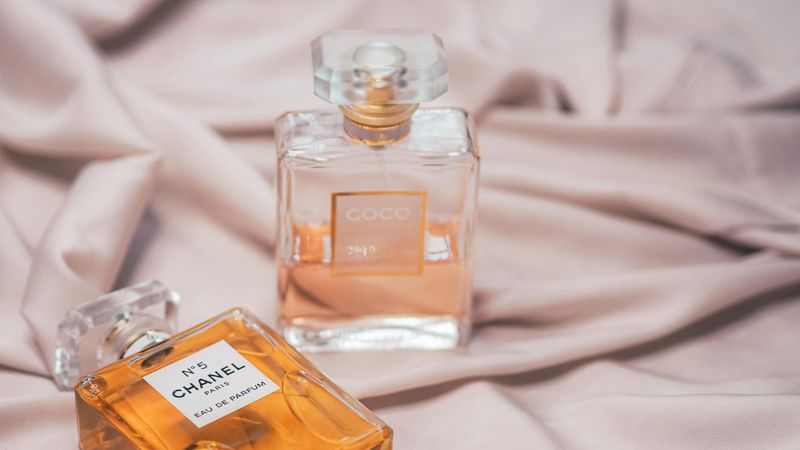
Chanel’s Classic Flap bag once symbolized timeless elegance at a premium but reasonable price.
Fast-forward to today, and that same bag costs around $11,300—nearly double what it was just a few years ago.
Annual price increases have become predictable and excessive.
The brand justifies these hikes by claiming superior craftsmanship and exclusivity.
However, many longtime customers feel priced out rather than valued.
Materials and construction haven’t dramatically improved to match the skyrocketing costs.
Chanel seems more interested in becoming ultra-exclusive than maintaining customer loyalty.
When a handbag costs as much as a used car, you start questioning whether any bag truly deserves that price, regardless of the name stamped on it.
6. Rolex
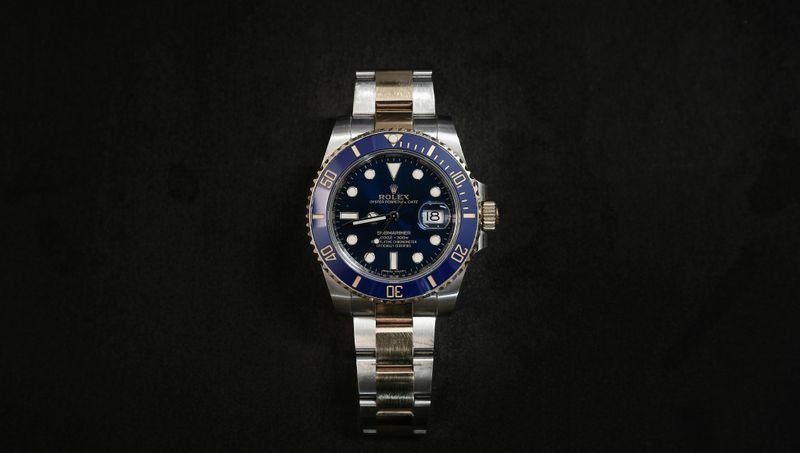
Rolex watches represent success and achievement in popular culture, but are you paying for engineering or just a name?
Critics argue the brand’s astronomical prices reflect status symbolism more than the actual value of materials and craftsmanship inside.
Comparable Swiss watchmakers offer similar mechanical movements and build quality at significantly lower prices.
Rolex’s waiting lists and artificial scarcity drive up secondary market prices to absurd levels.
Some models sell for triple their retail price—if you can even get on the list.
The watches themselves are excellent, no doubt.
But when you’re paying $15,000 for something that tells time as well as a $500 alternative, you’re funding brand prestige, not superior function.
7. Balenciaga

Few brands spark as much debate as Balenciaga.
Their marketing strategy involves creating outrageous products that go viral—think $2,000 bags resembling IKEA totes or $1,800 “destroyed” sneakers that look like trash.
Controversy generates publicity, but does it justify the prices?
The brand leans heavily into irony and social commentary through fashion.
That’s fine for art, but when customers pay luxury prices for items intentionally designed to look cheap or ridiculous, something feels off.
Are you buying quality or just an expensive joke?
Recent scandals damaged Balenciaga’s reputation further, making consumers question whether supporting the brand aligns with their values.
Shock value fades quickly, leaving buyers with overpriced items that haven’t aged well.
Comments
Loading…