
 Harper Hall
Blue eyes have captivated people for centuries with their striking appearance.
But did you know that everyone with blue eyes shares more than just eye color?
Scientists have discovered fascinating connections between blue-eyed individuals that go far beyond looks.
From ancient ancestry to unique abilities, these shared traits reveal surprising secrets hidden in those sparkling irises.
1. We All Share One Ancient Ancestor
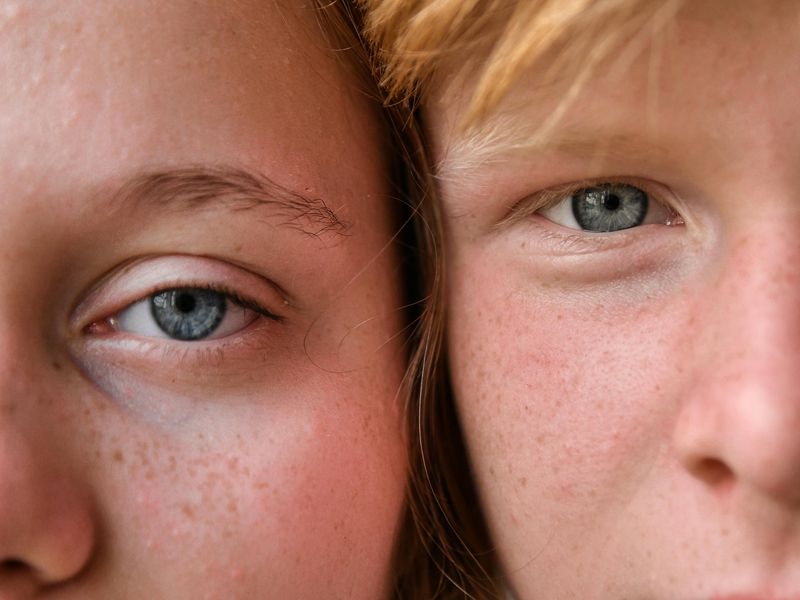
Tracing your family tree back thousands of years to find one special person who started it all.
Every single person with blue eyes today can trace their lineage to one individual who lived between 6,000 and 10,000 years ago.
A tiny change in the OCA2 gene caused this person’s eyes to turn blue instead of brown.
This genetic mutation spread across generations, creating the blue-eyed population we see today.
Scientists discovered this connection by studying DNA patterns in people from different countries.
It’s like being part of an exclusive club with millions of distant cousins you never knew existed!
2. Bright Lights Bother Us More

Have you ever noticed someone with blue eyes squinting more than others on sunny days?
There’s a scientific reason behind this common experience.
Lower melanin levels in blue eyes mean less natural protection against harsh light and glare.
This condition, called photophobia, makes everyday activities like driving or being outdoors more challenging without sunglasses.
Think of melanin as your eye’s built-in sunscreen—blue-eyed people simply have less of it.
Many blue-eyed individuals keep sunglasses handy year-round, not just as a fashion statement but as a genuine necessity for comfort.
3. Alcohol Affects Us Differently
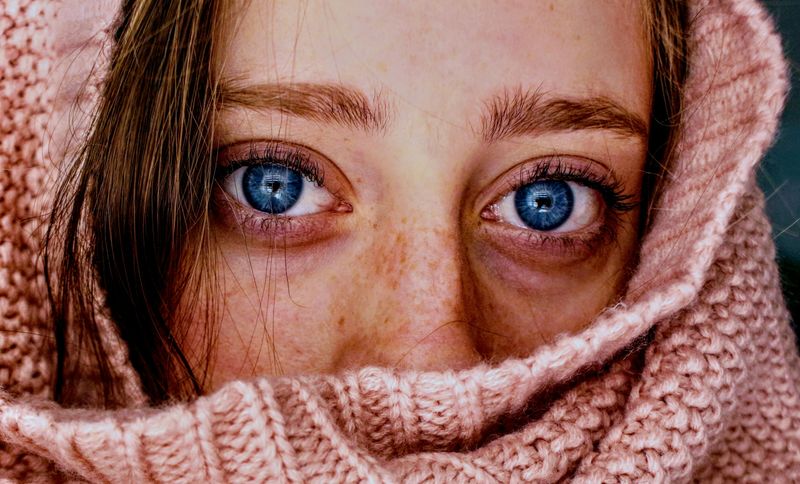
Research has uncovered a startling connection between eye color and alcohol dependency that surprises many people.
Studies show that European Americans with blue eyes face up to 83% higher risk of developing alcohol dependency compared to those with darker eyes.
Scientists aren’t entirely sure why this link exists, but genetic factors related to the same chromosomes that determine eye color might play a role.
Understanding this connection helps doctors identify at-risk individuals earlier.
If you have blue eyes, being aware of this increased vulnerability can encourage more mindful decisions about alcohol consumption and seeking support when needed.
4. We Might See Better in Darkness

Who needs night-vision goggles when you’ve got blue eyes?
The same lack of melanin that causes light sensitivity during the day might actually provide an advantage when darkness falls.
More light can enter blue eyes because there’s less pigment blocking the way.
This biological quirk potentially enhances vision in dim environments, giving blue-eyed people a slight edge during evening activities.
Think of it as nature’s trade-off—sensitivity to brightness balanced by better performance in shadows.
While the difference isn’t dramatic enough to grant superhero powers, it’s still a cool evolutionary adaptation worth noting!
5. People Often Trust Us More Easily

First impressions matter, and blue eyes might give an unexpected advantage in building trust.
Cultural studies reveal that people often perceive blue-eyed individuals as more trustworthy than those with darker eye colors.
The contrast between light irises and dark pupils makes facial expressions easier to read.
When someone can clearly see your pupil movements and eye changes, they feel more connected to your emotions and intentions.
This isn’t about blue eyes being inherently more honest—it’s about visibility and perception.
Understanding this phenomenon helps explain why blue-eyed people sometimes find it easier to establish rapport in social and professional situations.
6. Our Personalities Share Common Traits

Could your eye color influence your personality?
Fascinating research suggests that blue-eyed individuals often display similar behavioral patterns.
Studies link lighter eye colors to traits like competitiveness, skepticism, and self-reliance.
Blue-eyed people may be perceived as less agreeable but more independent-minded compared to their brown-eyed counterparts.
Before you protest, remember these are general tendencies, not absolute rules—plenty of blue-eyed people are warm and agreeable!
Scientists theorize that genes affecting eye color might sit near genes influencing brain chemistry and behavior.
Whether nature or nurture plays the bigger role remains debatable, but the connection between blue eyes and certain personality characteristics continues to intrigue researchers worldwide.
Comments
Loading…