
 Jade Reed
5 Common Old Wives’ Tales That Are Surprisingly True (and 5 That Aren’t)
For generations, grandmothers and great-aunts have shared wisdom that seemed too simple to be real.
Some of these old wives’ tales sound like pure fiction, while others have become so common we never question them.
Scientists have now tested many of these age-old beliefs, and the results might surprise you—some are backed by solid research, while others are completely bogus.
1. An Apple a Day Keeps the Doctor Away
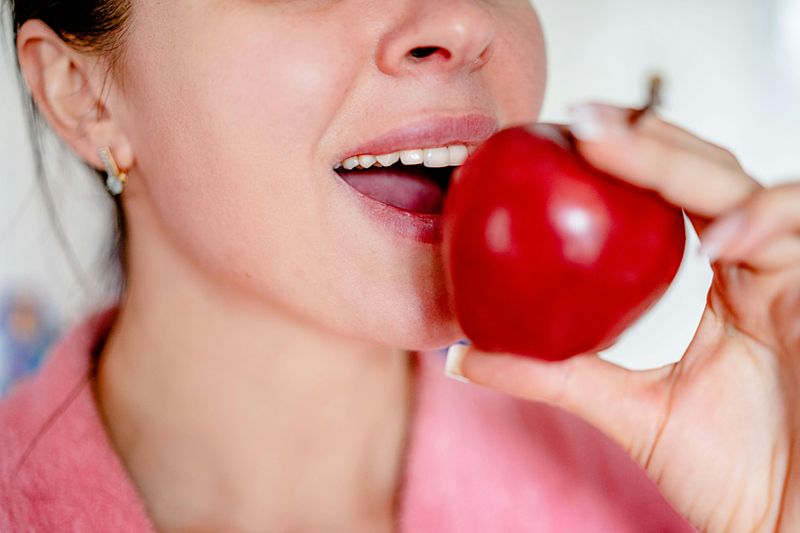
Turns out your grandmother was onto something with this fruity advice.
Apples pack a serious nutritional punch with fiber, vitamin C, and powerful antioxidants that work together to keep your body running smoothly.
Studies show that people who munch on apples regularly have healthier hearts and better digestion.
The fiber helps your stomach feel full and keeps things moving through your system.
While eating apples won’t replace actual medical care, they’re definitely a smart snack choice.
Your doctor might not go out of business, but your body will thank you for the vitamins and nutrients these crunchy fruits provide every single day.
2. Chicken Soup Makes You Feel Better When You’re Sick

When you’re sniffling and miserable with a cold, a warm bowl of chicken soup really does help.
Scientists discovered that this comfort food has mild anti-inflammatory properties that actually reduce cold symptoms.
The hot broth soothes your scratchy throat while the steam helps clear out your stuffy nose.
Plus, the vegetables and chicken provide nutrients your body needs to fight off illness.
Grandma’s recipe wasn’t just about making you feel loved—though that helps too!
The combination of warmth, moisture, and nutrition makes chicken soup a genuine remedy, not just an old superstition passed down through kitchens everywhere.
3. Honey Is Good for Your Wounds
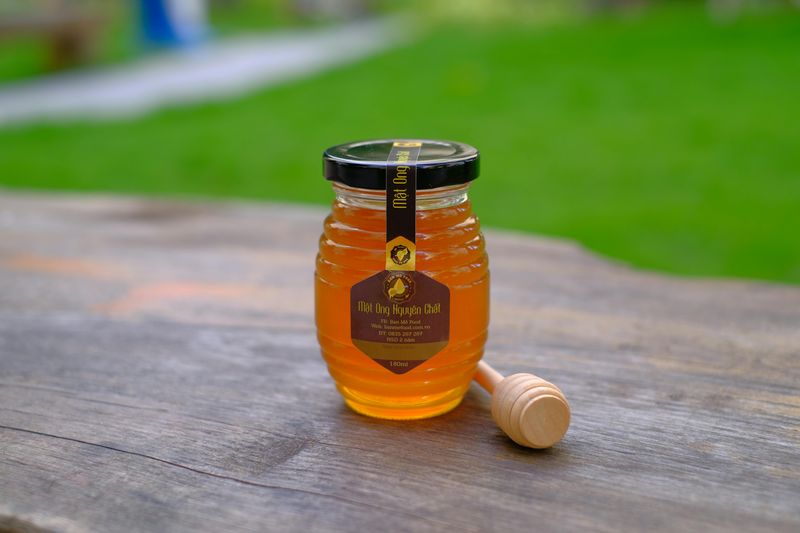
Before fancy antibiotic creams existed, people slathered honey on cuts and scrapes—and they were absolutely right to do so.
Honey contains natural antibacterial compounds that kill germs and help wounds heal faster.
The thick, sticky texture creates a protective barrier while special chemicals in honey fight infection.
Hospitals now use medical-grade honey in wound dressings because research proves it works.
Don’t raid your kitchen cabinet for regular honey to treat serious injuries, though.
Medical professionals use specially processed honey that’s extra clean and potent.
Still, for minor cuts, this sweet remedy has been scientifically validated after thousands of years of traditional use.
4. Sucking Your Thumb Ruins Your Teeth

Parents have warned thumb-suckers for decades, and dentists confirm this old wives’ tale is absolutely true.
Constant thumb sucking pushes teeth out of their natural position, creating gaps and alignment problems.
Kids who keep this habit past age five often develop an “anterior open bite” where their front teeth don’t touch.
The pressure from sucking also affects how the tongue rests, which can cause speech difficulties later on.
Breaking the habit early saves families thousands in orthodontic bills down the road.
If your little one still sucks their thumb after their permanent teeth start coming in, it’s definitely time to help them stop this damaging behavior.
5. Mayonnaise Is Good for Your Hair
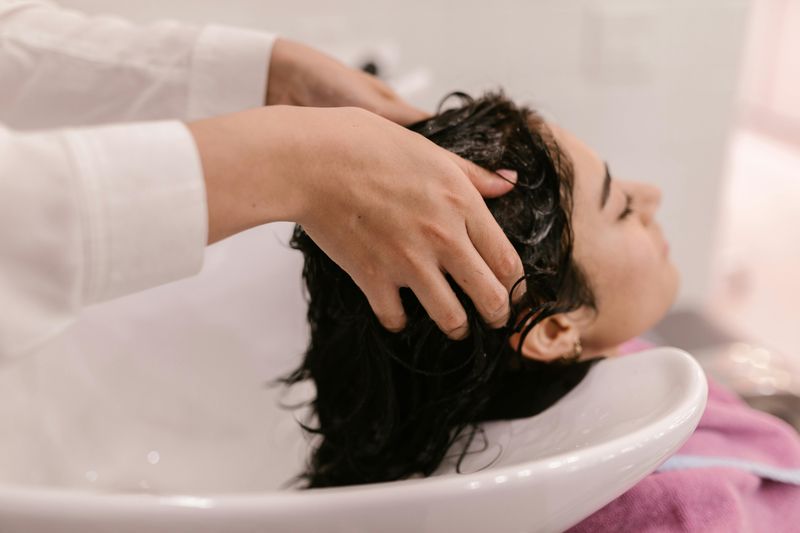
Slathering sandwich spread on your head sounds ridiculous, but this beauty trick actually works.
Real mayonnaise contains eggs and oil—two ingredients that professional hair masks use for strengthening and moisturizing.
The protein in eggs helps repair damaged hair strands while the oils penetrate deep to add moisture.
People with dry, brittle hair notice their locks become softer and shinier after mayo treatments.
Just make sure you’re using pure mayonnaise without extra additives or sugar.
Leave it on for about twenty minutes, then shampoo thoroughly—nobody wants to smell like a deli!
This weird-sounding remedy has been keeping hair healthy long before expensive salon products existed.
6. Feed a Cold, Starve a Fever
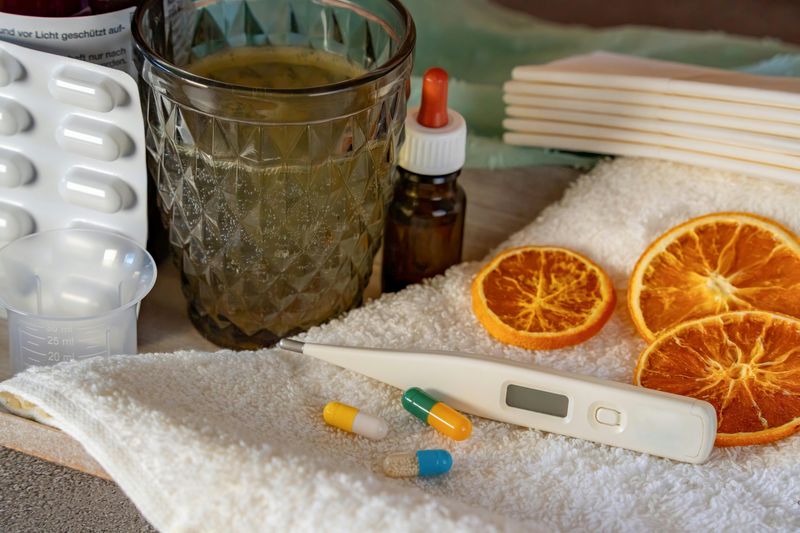
This famous saying has been repeated so many times that people assume it must be true.
Unfortunately, it’s completely wrong and could actually make you feel worse when you’re sick.
Both colds and fevers come from viruses that your immune system needs to fight off.
Your body requires energy and nutrients to battle illness, regardless of whether you’re coughing or running a temperature.
Skipping meals when you have a fever deprives your body of the fuel it desperately needs.
Doctors recommend eating nutritious foods and drinking plenty of fluids whenever you’re under the weather, no matter what symptoms you’re experiencing at the time.
7. Eating Spicy Food Causes Ulcers
If you love hot sauce and jalapeños, you can relax—spicy foods don’t actually cause stomach ulcers.
Scientists discovered that most ulcers come from bacterial infections or from taking too many pain medications like ibuprofen.
The burning sensation you feel after eating spicy food is temporary irritation, not permanent damage.
While spicy dishes might bother an ulcer that already exists, they won’t create new ones.
This myth probably started because people with ulcers feel worse after eating spicy meals.
The truth is, bland food won’t prevent ulcers either.
If you’re worried about stomach problems, see a doctor instead of blaming your favorite spicy snacks for something they didn’t do.
8. Drinking Water Before Meals Helps with Weight Loss

Fitness gurus love recommending this trick, but drinking water before eating isn’t a magic weight-loss solution.
While water can make your stomach feel fuller, it doesn’t directly burn fat or speed up your metabolism.
Some studies show people eat slightly fewer calories when they drink water first, but the effect is pretty small.
Real weight loss comes from eating balanced meals and exercising regularly, not from water-drinking schedules.
Staying hydrated is definitely important for overall health, and choosing water over sugary drinks saves calories.
However, don’t expect the pounds to melt away just because you drank a glass before dinner—that’s wishful thinking, not science.
9. Eating Carrots Will Make You See Better

Carrots contain beta-carotene that your body converts into vitamin A, which is essential for healthy eyes.
However, munching carrots won’t fix nearsightedness or let you throw away your glasses.
This myth actually started as wartime propaganda when British forces wanted to hide their radar technology.
They claimed their pilots ate lots of carrots to see enemy planes at night, and people believed it.
Vitamin A deficiency can cause vision problems, so carrots help maintain normal eyesight.
But if you already get enough vitamin A from your diet, extra carrots won’t give you superhuman vision or correct existing eye problems that need medical attention.
10. Going Out with Wet Hair Will Make You Sick

Your mom probably warned you about this a million times, but wet hair doesn’t cause colds or flu.
Viruses make you sick, not temperature or dampness—you’d need to actually catch a germ from someone else.
This persistent myth exists because cold and flu season happens during winter when people are more likely to go outside with wet hair.
The timing is just a coincidence, not a cause-and-effect relationship.
That said, wet hair in freezing weather can give you a headache and make you uncomfortable.
Your body loses heat through your head, so you might feel chilly.
Just don’t blame your sniffles on your damp hair—blame the person who sneezed near you instead.
Comments
Loading…