
 Hailey Watson
17 Social Rules That No Longer Apply Today
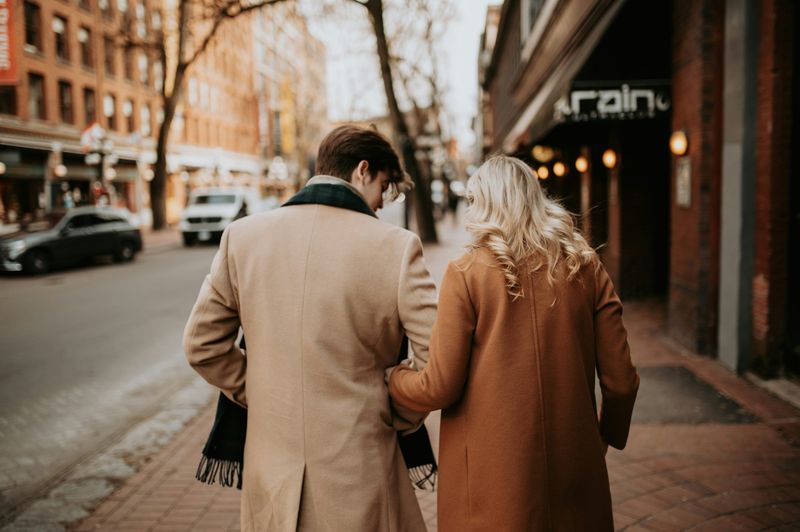
Social rules have always been part of how we interact with each other, but times have changed dramatically.
Many of the old-fashioned manners and expectations that our grandparents followed now seem strange or even unfair.
As society has moved toward greater equality and inclusivity, we have left behind rules that no longer make sense in our modern world.
1. Formal Courting Rituals
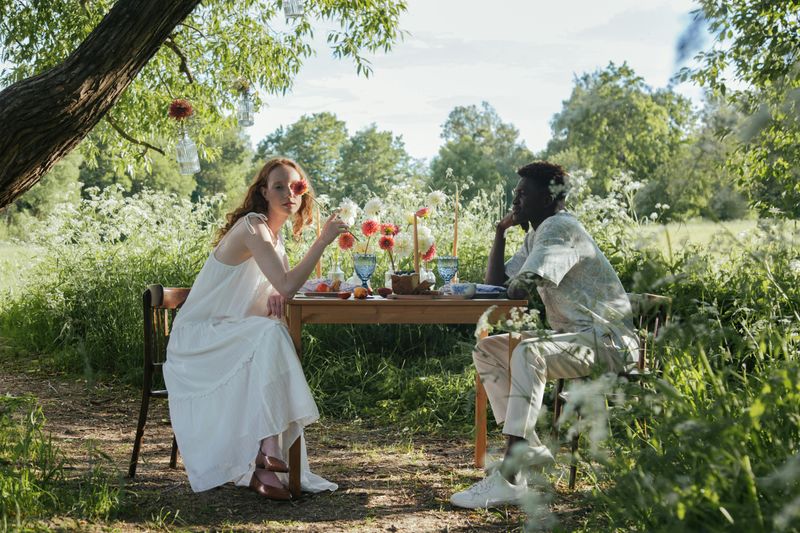
Remember when people needed a chaperone just to spend time together?
Those days are long gone.
Dating used to follow strict rules where men had to ask permission from a woman’s father and couples couldn’t be alone together.
Now, people meet in all kinds of ways, from coffee shops to dating apps.
You can text someone you like, video chat before meeting in person, or even start a relationship entirely online.
The freedom to get to know someone on your own terms has replaced the rigid courtship process.
Modern dating focuses on genuine connection rather than following a script written generations ago.
2. Gender-Specific Handshake Rules
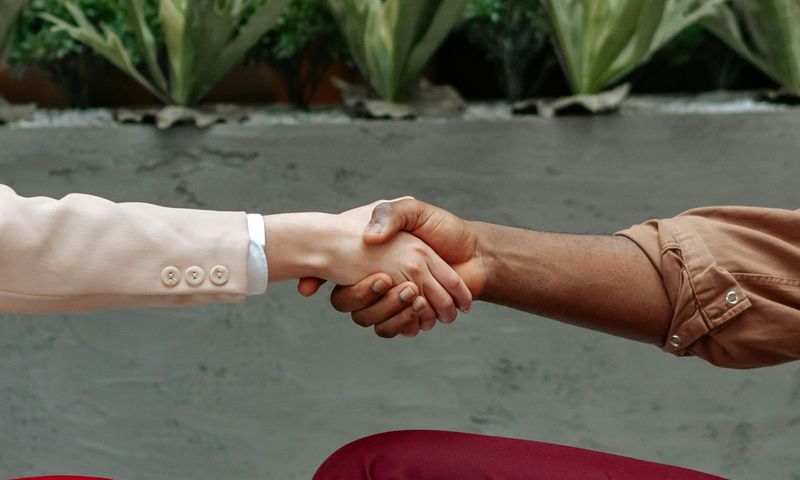
Back in the day, men were taught to wait for women to extend their hand first before shaking it.
If she didn’t offer, he was supposed to just nod politely.
Talk about awkward!
Today, everyone shakes hands equally.
Whether you’re meeting a teacher, a new friend, or a business contact, a firm handshake is a sign of respect and confidence for everyone.
Gender doesn’t determine who initiates the greeting anymore.
Professional settings especially value this equal approach.
A good handshake shows you’re friendly and confident, regardless of whether you’re male or female.
3. Kissing a Lady’s Hand

Once upon a time, a gentleman might greet a woman by bowing and kissing her hand.
While this seems romantic in old movies, it would be pretty weird today.
Most people would find it overly dramatic or even uncomfortable.
Cultural contexts matter, of course.
In some European countries, hand-kissing still happens at very formal events, but even there it’s becoming rare.
In everyday American life, it’s essentially disappeared.
A simple hello, hug, or handshake works much better now.
Save the hand-kissing for historical reenactments or costume parties where everyone knows what to expect!
4. Men Standing When Women Enter

Your grandfather probably stood up every time a woman entered or left the room.
While respectful in its time, this rule treated women as delicate creatures who needed special acknowledgment.
Modern society recognizes that women are equals, not fragile beings requiring constant attention.
Standing to greet someone is still polite, but it’s now based on the situation rather than gender.
You might stand to greet an important guest, your boss, or an elderly person regardless of whether they’re male or female.
The key is showing respect to everyone equally, not singling out people based on outdated gender roles.
5. Chivalrous Acts Only for Women
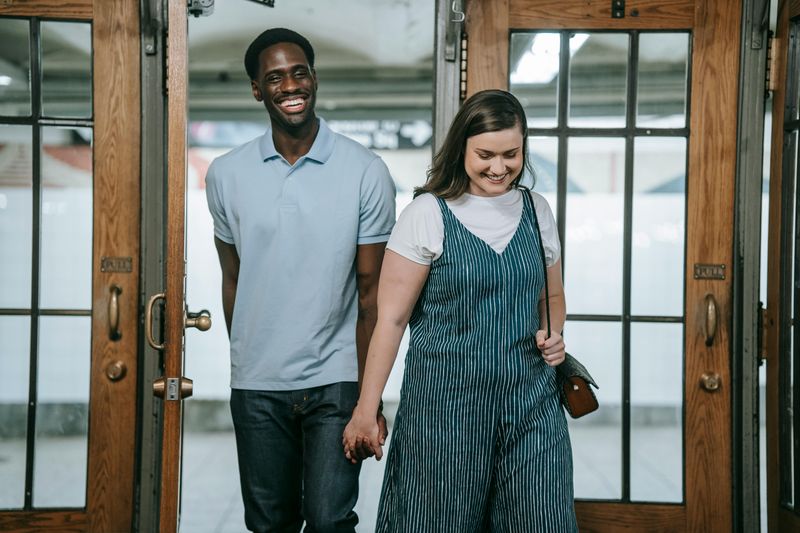
Holding doors, carrying bags, and helping with coats used to be things men did exclusively for women.
While kindness is always appreciated, these acts are now understood as basic politeness that everyone can extend to anyone.
Women hold doors for men, men help other men with heavy items, and people of all genders offer assistance when they see someone struggling.
Helpfulness isn’t gendered anymore—it’s just being a decent human being.
When you see someone who needs help, offer it.
When someone helps you, say thank you.
Gender doesn’t factor into the equation of everyday kindness and consideration.
6. Serving Women First at Meals

Traditional dining etiquette dictated that women always received their food before men, even if the men were guests of honor.
Restaurants and formal dinners followed this rule religiously.
The idea was that women deserved special treatment at the table.
Nowadays, restaurants typically serve food as it’s ready or based on who ordered first.
At home dinners, people often serve themselves buffet-style or pass dishes around without worrying about gender order.
Some families let kids go first, others serve the oldest person first.
What matters now is that everyone gets fed and enjoys the meal together, not following outdated serving protocols.
7. Men Always Paying the Bill

For decades, men were expected to pay for everything on dates, from dinner to movies to coffee.
Women who offered to pay were often seen as insulting their date’s masculinity.
How times have changed!
Today, couples handle bills in many different ways.
Some split everything down the middle, others take turns treating each other, and some still prefer traditional arrangements.
The difference is that it’s now a choice, not an obligation.
Many women want to pay their share to maintain independence and equality.
Talking openly about money expectations early in dating helps avoid awkwardness and ensures both people feel comfortable.
8. Men Walking on the Street Side
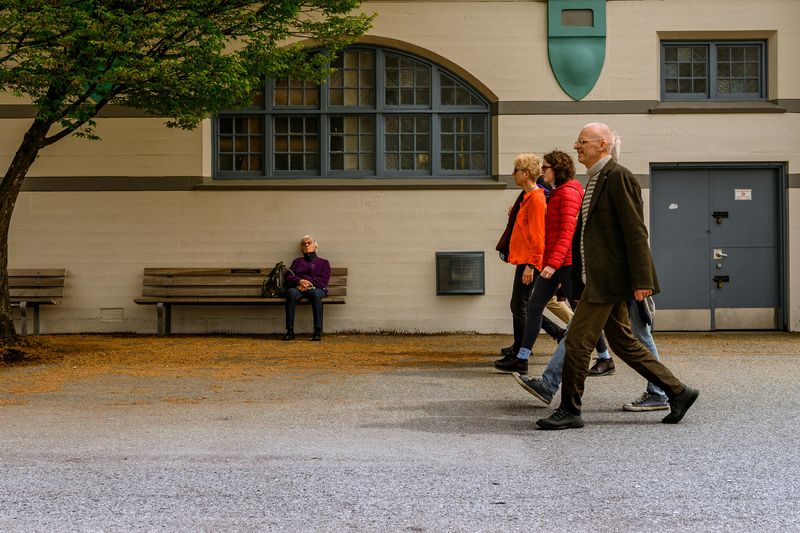
Here’s a strange one: men were supposed to walk on the side closest to the street when accompanying women.
The origin dates back to when knights wore swords on their left hip and needed that side free, or when streets were muddy and men would protect women’s dresses from splashing carriages.
Since we don’t have sword-wielding knights or horse-drawn carriages anymore, this rule is completely pointless.
People walk wherever is comfortable and convenient.
Sometimes you naturally end up on the street side, sometimes you don’t.
Safety still matters, of course.
If someone is walking in a genuinely dangerous area, the stronger or more alert person might position themselves strategically, regardless of gender.
9. No Elbows on the Table

Did your parents ever swat your elbows off the dinner table?
This rule was drilled into generations of children.
The reasoning was that resting elbows on the table looked lazy, took up too much space, and was generally poor manners.
While formal dining situations might still frown on elbow-resting during the actual eating, casual meals are much more relaxed now.
Between courses or during conversation, resting your elbows is perfectly acceptable.
Most people do it without thinking twice.
The real focus has shifted to more important table manners: not talking with your mouth full, saying please and thank you, and being present with your dining companions rather than staring at your phone.
10. Sunday Best for Public Outings
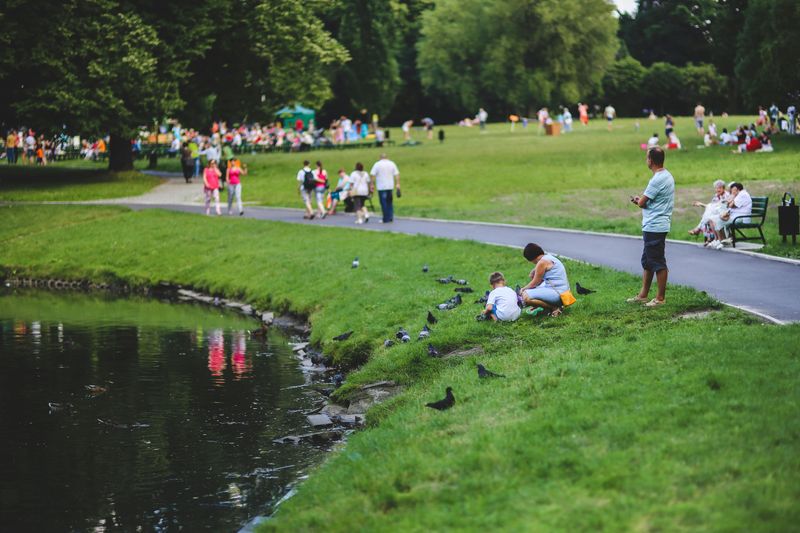
Imagine having to dress up in your fanciest clothes just to go shopping or take a walk in the park.
That was reality for previous generations!
People wore suits, dresses, hats, and gloves for everyday errands.
Leaving the house in casual clothes was considered disrespectful.
Fast forward to today, and you’ll see people grocery shopping in yoga pants, running to the bank in jeans, or attending casual restaurants in t-shirts.
Comfort has largely replaced formality in daily life.
We save our dressy clothes for truly special occasions.
Of course, certain situations still call for nice attire—job interviews, weddings, or fancy restaurants—but everyday life is wonderfully casual now.
11. Leaving Calling Cards
Before phones were common, people actually carried special cards with their name and address printed on them.
When visiting someone who wasn’t home, you’d leave your calling card so they’d know you stopped by.
Elaborate social rules governed when and how to leave these cards.
Can you imagine doing that now?
We have phones, text messages, emails, and social media.
If you want someone to know you’re thinking of them, you can reach them instantly from anywhere in the world.
While business cards still exist for professional networking, the social calling card has gone the way of the dinosaur.
A quick text saying “Stopped by but missed you!” accomplishes the same thing in seconds.
12. Always Using Formal Titles

Addressing adults as Mr., Mrs., or Ms. followed by their last name used to be non-negotiable, especially for children speaking to adults.
Using someone’s first name without permission was shockingly rude.
Workplaces were especially formal, with employees addressing bosses by title even after years of working together.
Modern culture has become much more casual.
Many teachers ask students to use their first names, workplaces encourage informal communication, and even doctors often introduce themselves by first name.
The stuffiness has largely disappeared from everyday interactions.
That said, it’s still smart to start formally with new acquaintances and let them tell you what they prefer.
Some people still appreciate titles, especially in certain professional or cultural contexts.
13. Gender-Specific Letter Greetings
Opening a letter with “Dear Sir” was standard practice when you didn’t know the recipient’s name.
This assumed the important person on the other end was male, which seems ridiculous now.
Women were often left out or addressed differently based on marital status—Miss versus Mrs.
Today’s business communication uses inclusive language like “Dear Hiring Manager,” “To Whom It May Concern,” or “Hello Team.” Even better, people make the effort to find out the actual person’s name and use it.
Gender-neutral language respects everyone.
Email has also made communication more casual overall.
Many people skip formal greetings entirely and just start with “Hi” or “Hello” followed by a name or simple greeting.
14. Returning Borrowed Dishes Full
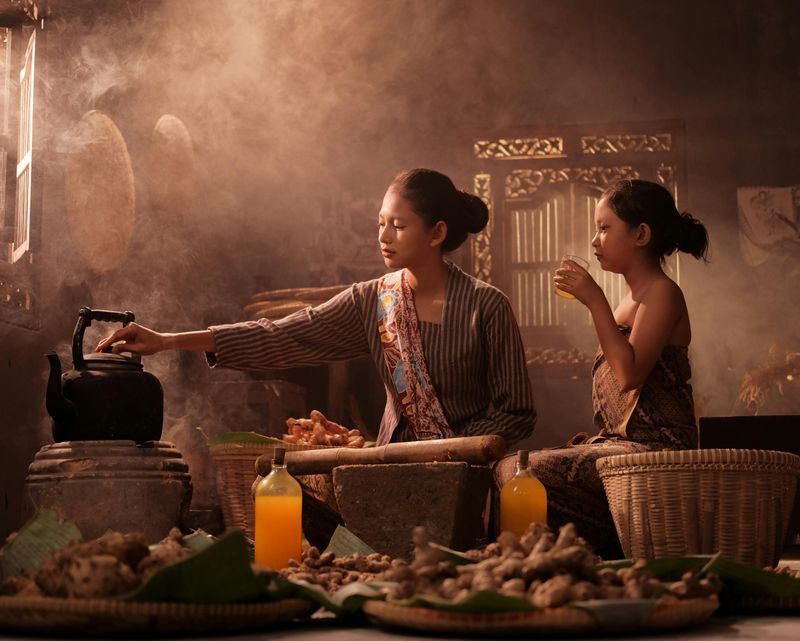
When someone gave you food in a dish, proper etiquette required you to wash the dish and return it filled with homemade food.
Returning it empty was considered rude and ungrateful.
People would stress about what to make to fill the container before returning it.
While still a nice gesture, this rule has relaxed considerably.
Many people now use disposable containers specifically so recipients don’t have to worry about returning them.
If you do borrow a real dish, returning it clean with a thank-you note is perfectly acceptable.
Some people still enjoy the tradition of returning dishes with treats, but it’s a choice, not an obligation.
A simple thank-you and clean dish show plenty of appreciation.
15. One Year to Send Wedding Gifts
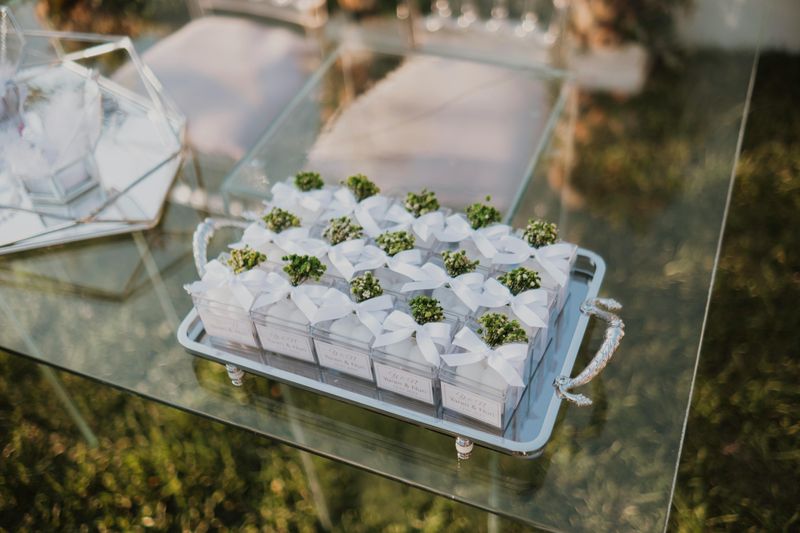
Old etiquette books claimed you had up to one year after a wedding to send a gift.
While this sounds generous, it actually created problems.
Couples would receive random gifts months after their wedding when they’d already settled into their new life together and forgotten who hadn’t sent anything yet.
Modern gift-giving happens before or during the wedding celebration.
Most couples create registries so guests know exactly what they need.
Giving gifts at the wedding or shortly before ensures couples receive items when they’re actually setting up their household.
Waiting months to send a gift now seems forgetful rather than acceptable.
If you miss the wedding window, a thoughtful gift with an apology for the delay works much better than assuming you have a year.
16. Never Discussing Money

Talking about money used to be incredibly taboo.
People wouldn’t discuss salaries, debt, savings, or financial struggles even with close friends.
This silence often left people feeling alone with money problems and prevented them from learning important financial information from others’ experiences.
Younger generations have started breaking this taboo.
Friends discuss salaries to ensure they’re being paid fairly, couples talk openly about finances before marriage, and people share budgeting tips and debt-payoff strategies.
Financial transparency helps everyone make better decisions.
While you probably shouldn’t announce your salary at a dinner party, having honest money conversations with trusted people is healthy and increasingly normal.
Financial literacy grows when people share knowledge instead of keeping everything secret.
17. No White After Labor Day
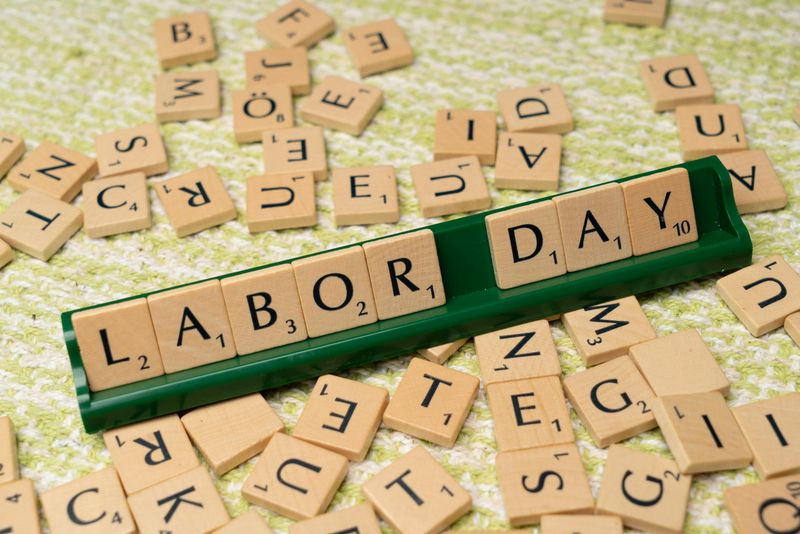
Fashion rules once dictated that wearing white clothing after Labor Day was a serious mistake.
This rule supposedly separated the wealthy (who had different wardrobes for different seasons) from everyone else.
White was for summer only, and breaking this rule meant you didn’t understand proper fashion.
Modern fashion has completely abandoned this silly restriction.
White jeans, sweaters, and dresses appear in fall and winter collections.
Fashion designers and everyday people wear white year-round without anyone batting an eye.
Color choices now depend on personal preference and what looks good, not arbitrary calendar dates.
The related rule about brides wearing white only for first weddings has also disappeared.
Brides wear whatever color makes them feel beautiful, regardless of whether it’s their first, second, or third marriage.
Comments
Loading…