
 Hailey Watson
15 Grocery Staples That Have Quietly Tripled in Price Since 2022

Your grocery bill feels heavier these days, and you’re not imagining it.
Many everyday items you toss in your cart without thinking have seen their prices skyrocket since 2022.
From breakfast basics to dinner essentials, some staples have nearly tripled in cost, leaving families scrambling to adjust their budgets and meal plans.
1. Eggs
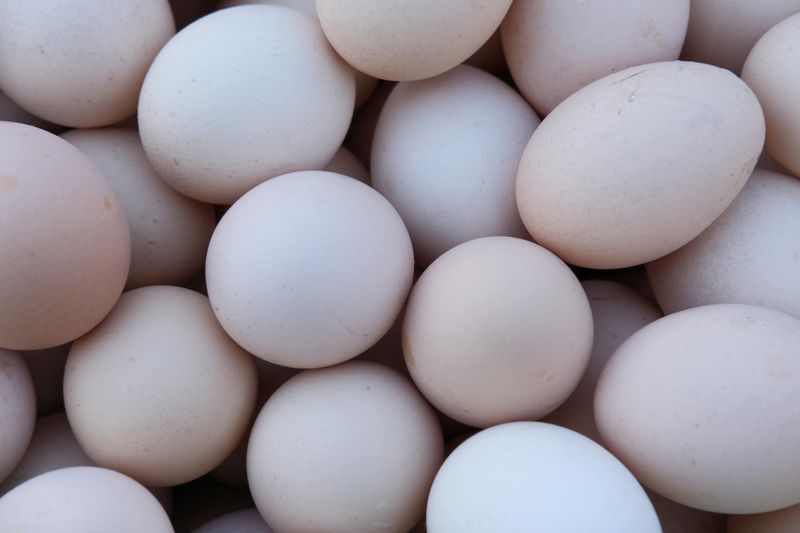
Remember when a dozen eggs cost less than your morning coffee?
Those days are long gone.
Prices jumped from around $1.80 to nearly $3.50, and sometimes even higher depending on where you shop.
Avian flu outbreaks swept through chicken farms, wiping out millions of birds.
Feed costs climbed too, making it more expensive to raise the chickens that lay your breakfast eggs.
Many families now buy fewer eggs or switch to alternative proteins.
Smart shoppers look for sales and compare prices between stores.
Some people even started raising backyard chickens, though that comes with its own costs and challenges.
2. Butter
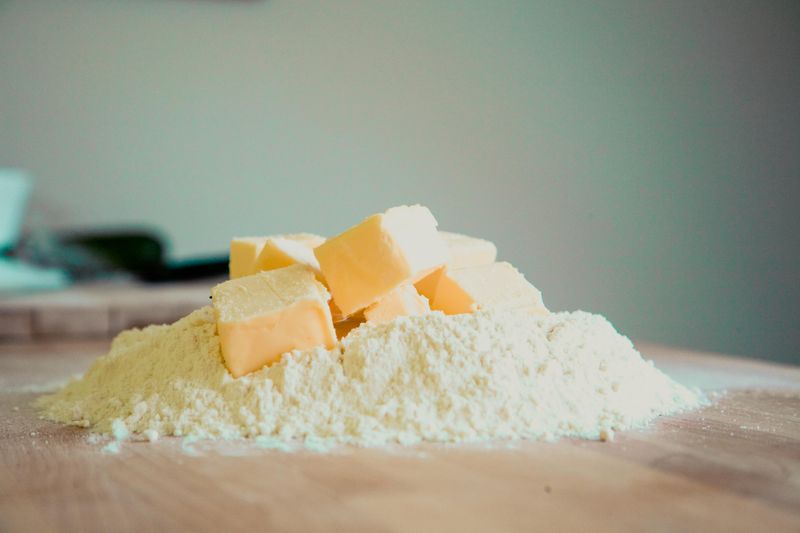
Butter prices have melted away our budgets faster than butter melts on hot toast.
The average retail price soared to $6.20 per pound from $4.10, marking a jaw-dropping 51% increase that caught most families off guard.
Dairy farmers faced higher feed costs and labor shortages.
Producing butter requires lots of cream, and when milk production gets expensive, butter follows suit.
The supply chain struggles didn’t help matters either.
Bakers and home cooks now use butter more sparingly.
Some switch to margarine or oil-based spreads for everyday cooking, saving real butter for special recipes where it truly matters.
3. Coffee
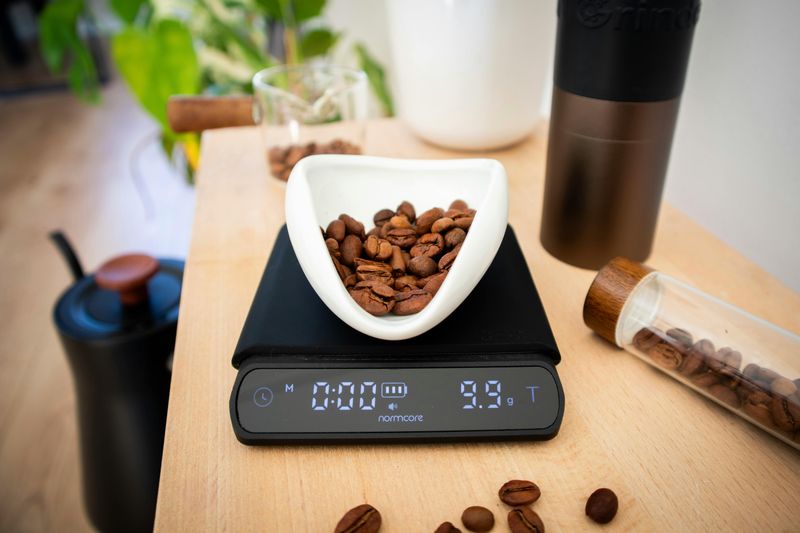
Your morning cup of joe now costs significantly more to brew at home.
Ground coffee and whole beans jumped 30-40% depending on quality and where the beans come from, turning your daily ritual into a luxury expense.
Droughts in South America, where much of the world’s coffee grows, devastated crops.
Brazil and Colombia, major coffee producers, struggled with weather patterns that reduced their harvests dramatically.
Global shipping problems made everything worse.
Coffee lovers are getting creative to save money.
Some buy in bulk when sales happen, switch to store brands, or reduce their daily cups.
Others discovered that making coffee at home still beats café prices.
4. Ground Beef
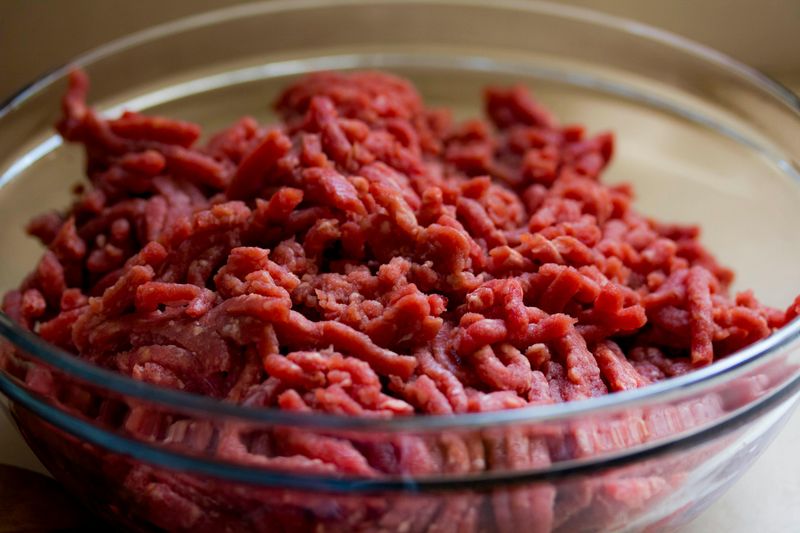
Taco Tuesday and burger nights hit household budgets harder than ever before.
Ground beef costs jumped 52.5% since March 2020, with prices continuing to climb throughout 2022 and beyond.
Cattle ranchers faced drought conditions that made feeding livestock incredibly expensive.
Hay and grain prices shot up, and ranchers had to spend more to keep their cattle healthy.
Labor shortages at processing plants created bottlenecks too.
Families now stretch ground beef further by mixing it with beans, lentils, or mushrooms in recipes.
Buying larger packages when on sale and freezing portions helps manage costs.
Some switched to plant-based alternatives or chicken for certain meals.
5. Beef Steaks
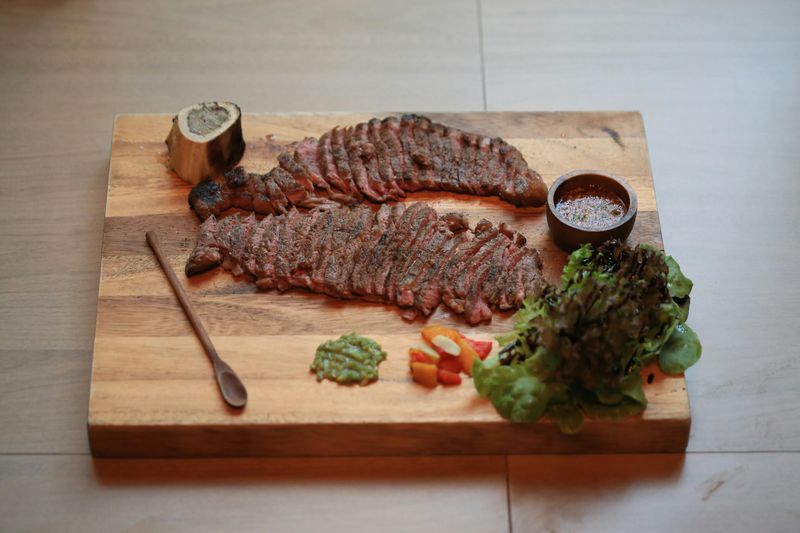
Grilling season became significantly more expensive as steak prices climbed 57% since March 2020.
What used to be a regular dinner option transformed into a special occasion splurge for most families.
The same factors affecting ground beef hit steaks even harder.
Premium cuts require more resources and time to produce, making them especially vulnerable to cost increases.
Supply chain disruptions meant fewer steaks reached stores when demand stayed high.
Budget-conscious shoppers now wait for sales or special occasions to buy steaks.
Some discovered less popular cuts that cost less but taste great with proper cooking.
Marinating tougher cuts makes them tender and delicious without the premium price.
6. Beef Roasts
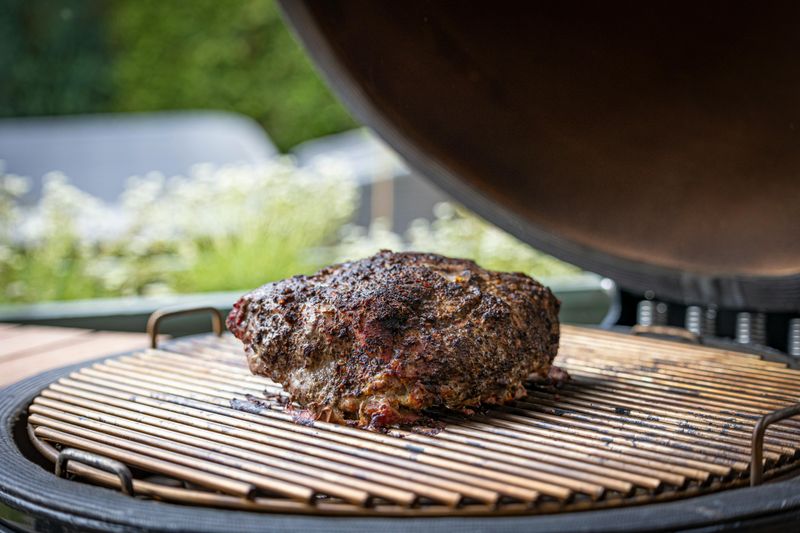
Sunday roast dinners became a rare treat rather than a weekly tradition.
Beef roast prices increased 56% since March 2020, forcing families to rethink their meal planning strategies.
Larger cuts like roasts require significant time and resources to raise and process.
When cattle feed costs tripled and processing became more expensive, roasts saw some of the steepest price hikes in the meat department.
Slow cooker enthusiasts found that cheaper cuts work wonderfully with long, slow cooking methods.
Pot roasts made with chuck or round cuts cost less but deliver satisfying meals.
Some families now save roasts for holidays and special gatherings only.
7. Bacon

Breakfast lovers watched in dismay as bacon prices sizzled upward.
Rising feed costs, labor shortages, and supply chain issues in the pork industry combined to make this breakfast favorite significantly more expensive.
Pork producers struggled with disease outbreaks in some regions, though not as severe as the avian flu affecting chickens.
Processing plants couldn’t find enough workers, slowing production even as demand remained strong.
Transportation costs added another layer of expense.
Many families now treat bacon as a special addition rather than an everyday protein.
Turkey bacon offers a sometimes-cheaper alternative.
Buying larger packages on sale and freezing portions helps stretch the budget further.
8. Chicken
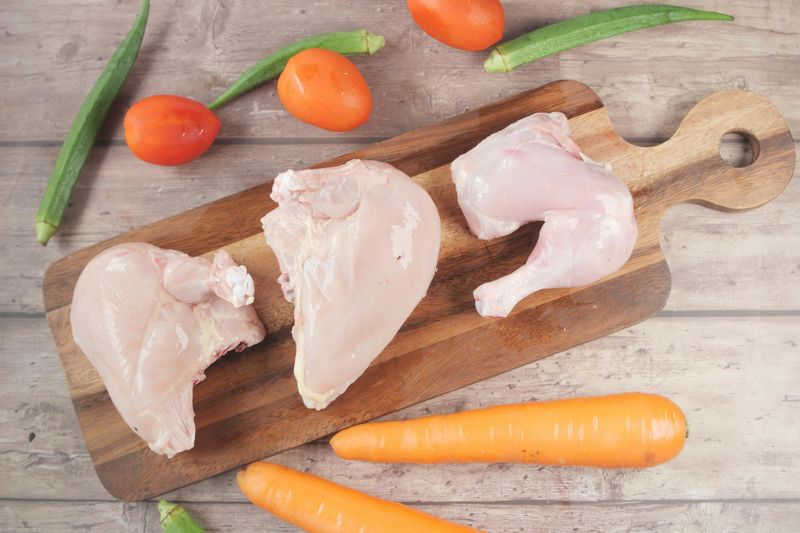
Chicken used to be the budget-friendly protein everyone relied on.
Now, a pound of chicken breast costs around $3.50 on average, making it less affordable for families trying to stretch their food dollars.
Avian flu outbreaks forced farmers to destroy entire flocks, drastically reducing supply.
Feed costs climbed steadily, and processing facilities faced the same labor shortages affecting other meat producers.
Even “cheap” chicken became expensive.
Thrifty cooks now buy whole chickens instead of pre-cut pieces, saving money by doing the butchering themselves.
Chicken thighs cost less than breasts and work in most recipes.
Buying in bulk and freezing remains a smart strategy.
9. Milk

A gallon of milk now costs around $4 on average, putting serious strain on household budgets.
Families who go through multiple gallons weekly feel the pinch especially hard.
Dairy farmers faced skyrocketing costs for feed, fuel, and equipment maintenance.
Labor shortages meant fewer workers to handle milking and processing.
Transportation costs added to the final price consumers pay at checkout.
Some families switched to plant-based milk alternatives, though those have also increased in price.
Buying store brands instead of name brands helps save a bit.
Powdered milk works for cooking and baking, stretching the budget further.
10. Bread

A loaf of bread, once a humble staple in every household, now averages around $3 per loaf.
This simple carbohydrate that anchored countless meals became surprisingly expensive.
Wheat prices climbed due to droughts and global conflicts affecting major grain-producing regions.
Yeast shortages during pandemic lockdowns never fully resolved.
Energy costs for baking, packaging, and transportation all increased significantly.
Home bakers discovered that making bread from scratch costs less, though it requires time and effort.
Buying day-old bread at discount bakeries offers savings.
Some families switched to tortillas or rice as their main carbohydrate, depending on sales.
11. Rice
Rice prices rose 5.5% between summers, outpacing overall inflation rates.
This pantry staple that feeds billions worldwide became noticeably more expensive, affecting families who rely on it for affordable meals.
Weather patterns disrupted rice production in major growing regions across Asia.
Droughts in some areas and flooding in others reduced harvests.
Export restrictions from some countries tightened global supply, driving prices higher everywhere.
Buying larger bags when on sale provides better value per pound.
Some shoppers switched between white and brown rice depending on which costs less.
Ethnic grocery stores sometimes offer better prices than mainstream supermarkets.
12. Apples

Even as food inflation supposedly subsided, apple prices climbed 8.5% between summers.
This lunchbox staple and healthy snack became less accessible for budget-conscious families trying to eat nutritious foods.
Apple orchards faced labor shortages during harvest season, leaving fruit unpicked.
Extreme weather damaged crops in key growing regions.
Transportation and cold storage costs increased, adding to the final price consumers see.
Buying apples in season provides the best value, though prices still shock compared to previous years.
Purchasing slightly imperfect “ugly” apples when available costs less.
Applesauce and frozen apple slices offer alternatives when fresh fruit seems too expensive.
13. Crackers

Cracker prices rose nearly 7% between Septembers, turning this simple snack into a budget consideration.
Lunchboxes and cheese boards got more expensive to assemble.
Wheat flour costs increased, affecting all grain-based products.
Packaging materials became pricier, and energy costs for baking facilities climbed steadily.
Even cardboard boxes for packaging cost manufacturers significantly more.
Store-brand crackers often cost considerably less than name brands with similar taste and quality.
Buying larger boxes provides better value per ounce.
Some families started making homemade crackers, discovering it’s easier than expected and much cheaper.
14. Cooking Oils

Edible fats and oils, including peanut butter, jumped 5.6% year over year.
These cooking essentials that every kitchen needs became noticeably more expensive, affecting everything from frying to baking.
Vegetable oil production depends on crops like soybeans, canola, and sunflowers.
Droughts and reduced harvests drove raw material costs higher.
Peanut crops faced similar challenges, pushing peanut butter prices up alongside other oils.
Using oils sparingly and choosing based on sales helps manage costs.
Generic brands often match quality at lower prices.
Some cooks switched to butter or lard for certain applications, though those have their own price challenges.
15. Sugar

Sugar costs rose quickly and steadily since the pandemic, reaching a record $0.97 per pound in September.
Starting from $0.60 at the beginning of 2020, this represents a staggering increase for such a basic ingredient.
Sugar cane and sugar beet crops faced weather challenges and disease pressures.
Processing facilities struggled with labor shortages and higher energy costs.
Global demand remained strong while production couldn’t keep pace.
Bakers learned to reduce sugar in recipes without sacrificing too much taste.
Buying larger bags provides better value per pound.
Some people switched to alternative sweeteners, though those come with their own costs and considerations.
Comments
Loading…