
 Mila Ross
14 Inventions From History That Shaped How We Live Today

It’s easy to forget how many “normal” parts of modern life are actually the result of a few breakthrough inventions that changed everything.
We flip a switch, store groceries for a week, message someone across the world, or take medicine that would’ve seemed miraculous a century ago, and none of it feels extraordinary anymore.
That’s the funny thing about truly transformative inventions: once they become common, we stop noticing them.
But each of the inventions below didn’t just add convenience—they reshaped how we work, travel, eat, communicate, and even how long we can expect to live.
Some changed daily routines inside the home, while others rebuilt entire economies and cultures around new possibilities.
Here are 14 inventions that didn’t just improve life, but permanently rewrote what “everyday life” looks like.
1. The Printing Press
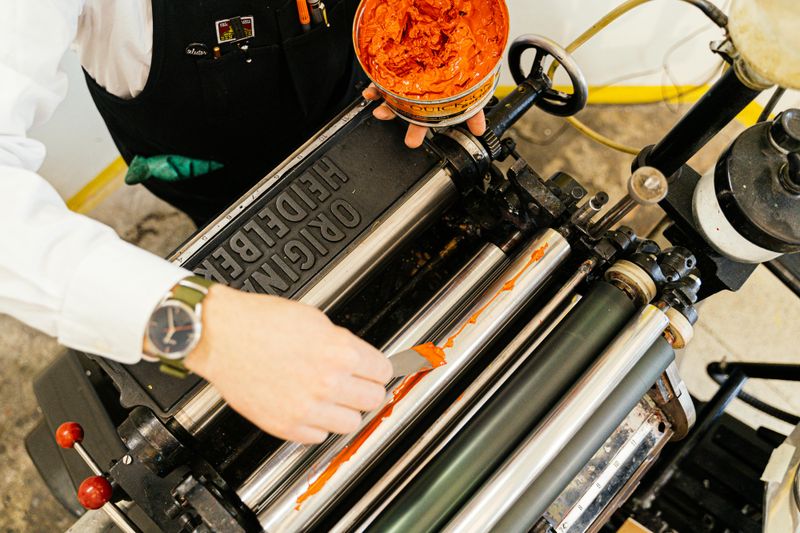
Long before people had instant access to information, knowledge was slow, scarce, and expensive because copying books by hand took ages.
The printing press changed that bottleneck overnight by making written material reproducible at scale, which meant ideas could spread far beyond monasteries, universities, and elite circles.
As books became more available, literacy became more practical, and education started to feel less like a privilege and more like a tool people could reach for.
Beyond reading, mass printing helped standardize languages, record laws, distribute scientific discoveries, and fuel social movements by letting ordinary people encounter new arguments and perspectives.
It’s hard to overstate how much modern life depends on rapid information sharing, and this invention laid the groundwork for everything from newspapers to textbooks to instruction manuals that teach us how to do almost anything.
2. Electric Power & the Light Bulb

Nights used to end the workday.
Electric power stretched the clock, letting homes glow and factories hum when the sun clocked out.
Light bulbs replaced smoky lamps, cutting fire risks while making reading and detailed tasks easier at any hour.
Flip a switch and everything behaves.
Refrigerators cycle, laptops charge, and music slips from speakers without a match or wick.
Cities rose vertically because elevators and safe lighting made tall buildings practical, and streets became safer with consistent illumination.
Most modern comforts piggyback on reliable grids.
From hospitals relying on life-support systems to corner cafes running espresso machines, electricity underwrites productivity and culture.
You plan evenings freely because your environment no longer bows to sunset, and that changed how work, leisure, and learning fit together.
3. Indoor Plumbing & Modern Sewage Systems
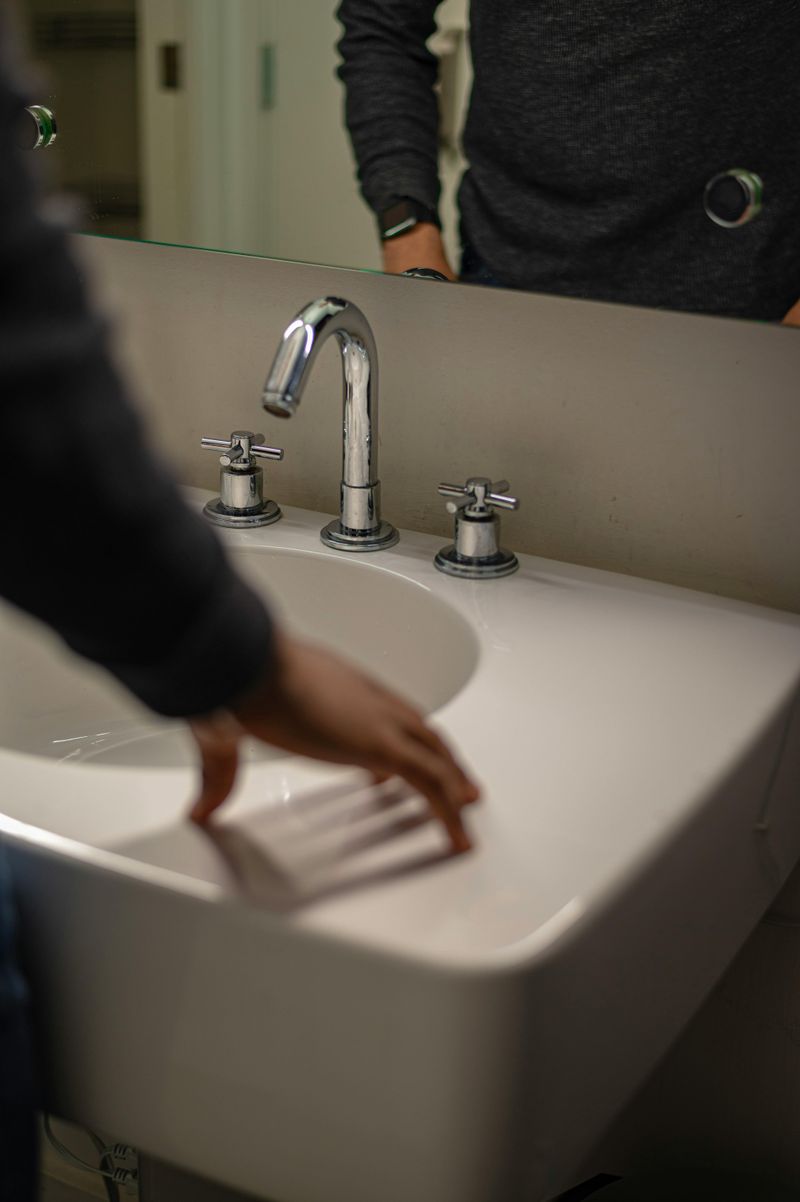
The biggest upgrades to quality of life aren’t always glamorous, but clean water and sanitation might be the most important daily conveniences we rarely thank.
Indoor plumbing turned the simple act of washing hands, bathing, and cooking into something that didn’t require hauling water or planning around limited supply.
Even more transformative was sewage infrastructure, which removed waste safely and dramatically reduced the spread of disease in crowded areas.
That shift changed cities, allowing them to grow without becoming constant public-health disasters, and it improved life expectancy in ways many people don’t connect to pipes and drains.
It also changed household labor, because daily cleaning became more realistic when water was accessible and disposal was hygienic.
When you think about how often water touches your routine—drinking, laundry, dishes, showers—it becomes clear that modern life is built on this invention’s invisible reliability.
4. Refrigeration (Fridge + Cold Chain)
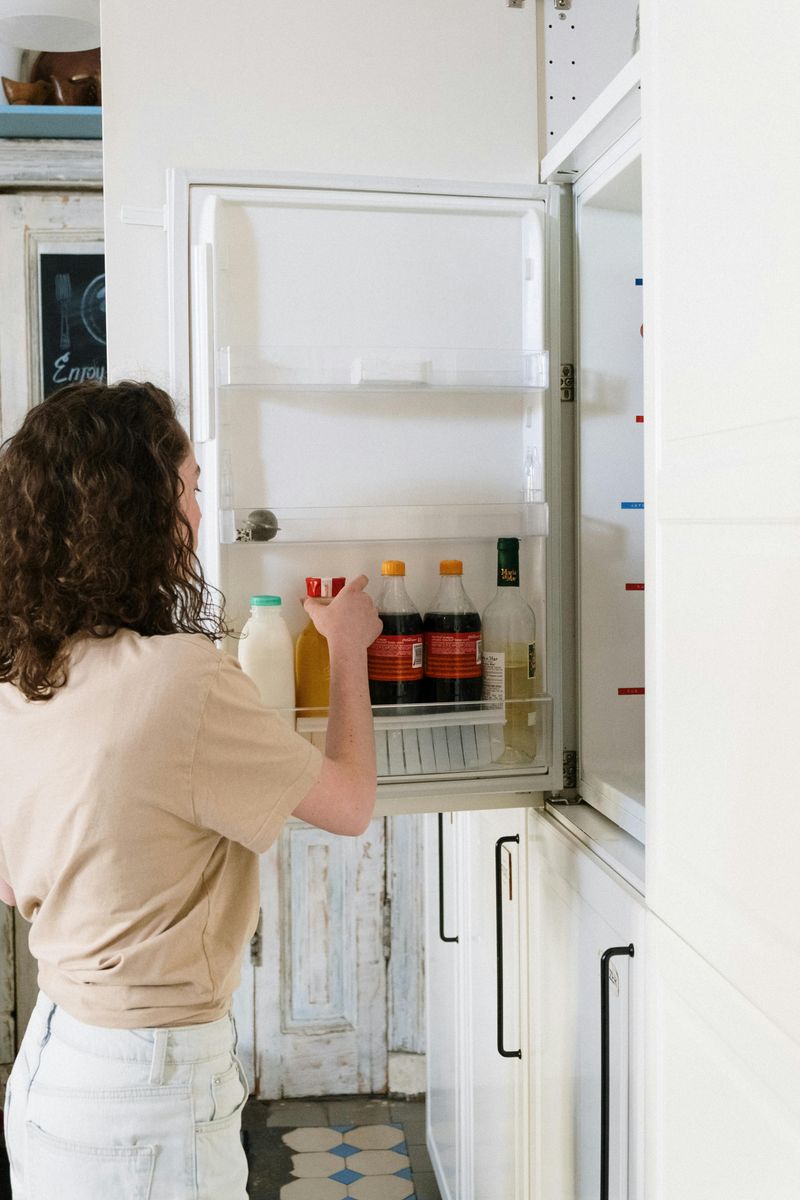
Freshness used to be a race against rot.
Refrigeration slowed the clock, letting groceries wait for your schedule and not the other way around.
The home fridge partners with the cold chain, a quiet highway of chilled trucks, warehouses, and display cases.
That system shrank seasons and expanded menus.
Strawberries in winter, safe poultry year round, and vaccines kept viable during transport all rely on controlled temperatures.
Food waste plummets when you can plan meals across days instead of hours.
Restaurants scale reliably, supermarkets exist, and farmers reach distant markets without sacrificing safety.
You get leftovers that still taste like dinner, and the fridge door becomes a short-term archive of your week.
Behind the hum, refrigeration makes nutrition, convenience, and global trade play nicely together.
5. Vaccines

Preventing illness is often more powerful than treating it, and vaccines fundamentally changed what societies could expect from childhood and public health.
Before widespread immunization, diseases that are now rare or manageable could move quickly through communities, causing long-term disability or death, especially among children.
Vaccines helped flip that reality by training the immune system to recognize threats before they became full-blown infections, which reduced outbreaks and created safer environments in schools, workplaces, and public spaces.
This shift didn’t just save individuals; it also reduced strain on families, hospitals, and economies by preventing waves of sickness that could disrupt daily life.
Routine immunization made it more realistic to gather in large groups, travel, and live in dense cities without the same level of constant fear.
Modern life’s baseline sense of safety and stability is deeply tied to the protective power vaccines provide.
6. Antibiotics (Penicillin and beyond)

A minor cut, a sore throat, or a simple infection used to carry a frightening level of risk, because the body didn’t always win those battles on its own.
Antibiotics changed that reality by giving medicine a way to stop bacterial infections before they spread and become life-threatening.
Once drugs like penicillin became widely available, survival rates improved for illnesses that once killed quickly, and medical procedures became safer because infections could be treated more effectively.
This also transformed childbirth outcomes, surgical recovery, and even dental care, since bacterial complications became less likely to spiral into emergencies.
Of course, antibiotics must be used carefully to avoid resistance, but their impact on modern life is still enormous.
The everyday confidence that a routine infection can be handled with a prescription is something people in earlier generations simply didn’t have, and it reshaped how we think about health, risk, and recovery.
7. The Telephone

Talking to someone who isn’t physically near you now feels effortless, but the telephone was the first invention to make real-time voice communication across distance an everyday possibility.
Before it, urgent messages depended on letters, couriers, or telegraphs, which often introduced delays that could change outcomes.
The phone made personal and professional life faster by letting families coordinate plans, businesses make decisions quickly, and emergency services respond with crucial information in minutes rather than hours.
Over time, telephone networks also helped shape modern customer service, long-distance relationships, and the expectation that you can reach people when something matters.
It’s not just about convenience, either; it changed how communities functioned by creating a new sense of connectedness across cities and countries.
Even today’s video calls and voice notes are extensions of the same core idea: communication becomes radically more powerful when distance stops being a barrier.
8. The Automobile

Roads tell the story of freedom and sprawl.
Automobiles let people choose homes beyond walking distance and jobs beyond the next street.
Weekend trips, roadside diners, and the culture of parking lots all spun out of four wheels and an engine.
Factories built cars on assembly lines, making ownership possible for the middle class. Suburbs grew, delivery routes multiplied, and cities reoriented around traffic lights and parking supply.
Logistics gained the agility to drop packages where rail lines never reached.
Cars bring headaches too, from congestion to emissions, but they reshaped personal time. You decide when to leave, where to stop, and how many detours to take.
That flexible control still defines how many communities plan and live.
9. The Airplane

International travel used to be a rare, expensive, and time-consuming event, but airplanes made crossing oceans and continents a realistic part of modern life.
That shift transformed more than vacations; it changed business, trade, migration, and the way families stay connected across long distances.
Fast air travel also made global supply chains possible, allowing goods to move quickly and making certain products more accessible in places where they aren’t produced locally.
Beyond economics, it altered cultural exchange, because people could experience other countries firsthand and bring ideas home more easily than previous generations could.
It also changed expectations around time, since trips that once took weeks by ship could be done in hours.
Even if you don’t fly often, the modern world’s interconnectedness—everything from fresh produce imports to international careers—rests heavily on the ability to move people and cargo through the air at speed.
10. The Washing Machine
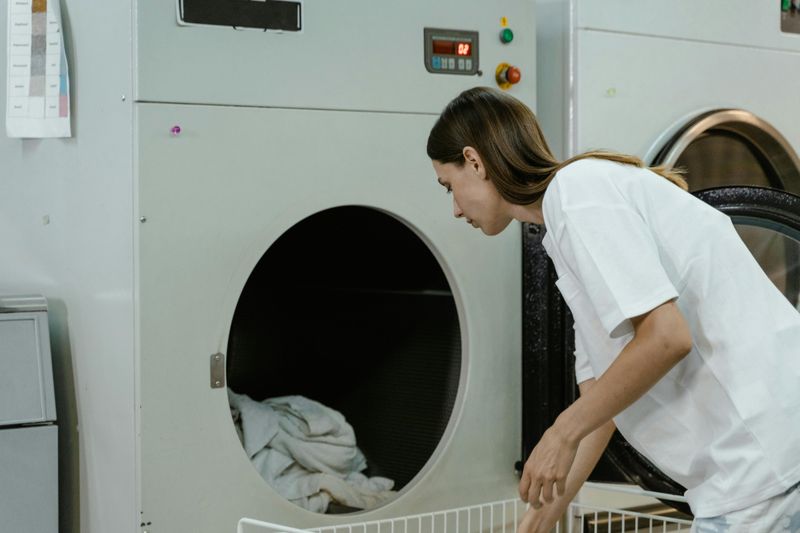
Hours once vanished into scrubbing boards and sore hands. Washing machines handed that time back, and entire weekly rhythms changed.
Clean clothes became predictable, not dependent on weather or access to a river and stamina.
Domestic labor shifted, opening doors for education and paid work, especially for women who bore the brunt of laundry.
Urban apartments could stay tidy without yards for drying lines, thanks to spin cycles and later, dryers.
Hygiene improved because washing regularly became realistic.
Today, you toss in a load and plan something else while it swirls. That automation sounds small but compounds over years into freedom.
Modern wardrobes, gyms, and school uniforms all assume the reliability this machine quietly delivers.
11. The Microwave Oven
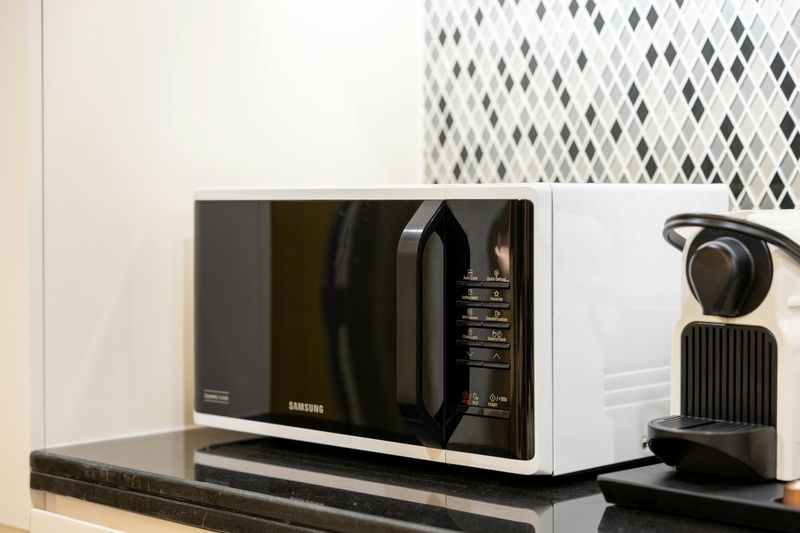
Busy schedules and modern eating habits are closely tied to how quickly we can prepare food, and the microwave oven changed that expectation in a big way.
By heating meals in minutes, it made leftovers more appealing, quick snacks more practical, and weeknight dinner less dependent on long cooking times.
This invention also helped normalize convenience foods, because packaged meals became more useful when a fast heating method existed in nearly every kitchen.
Even for people who enjoy cooking, the microwave supports daily life in small but meaningful ways, like softening butter, steaming vegetables, or reheating coffee without pulling out extra pots and pans.
It’s easy to dismiss it as a shortcut, but it’s really a time-management tool that keeps households moving when energy is low and the clock is not on your side.
In a world where time often feels expensive, the microwave is an invention that made “good enough” meals easier to achieve.
12. Computers (Personal Computing)

The shift from paper-based life to digital life didn’t happen by accident; personal computers made it possible to store, process, and create information in ways that would have been unthinkable for most households.
Once computers became common, tasks like writing, budgeting, designing, researching, and managing records could happen faster and with fewer physical resources.
Workplaces were transformed as entire roles evolved around spreadsheets, databases, and digital communication, and schools changed because learning materials and assignments moved onto screens.
Computers also reshaped entertainment, from gaming to streaming, while enabling new careers in software, design, and online business.
Even if you don’t think of yourself as “techy,” many everyday systems you rely on—banking, healthcare records, travel booking, and customer service—are powered by computing behind the scenes.
The modern world’s efficiency, for better or worse, runs on the ability to process information at scale, and personal computing brought that power into ordinary life.
13. The Internet
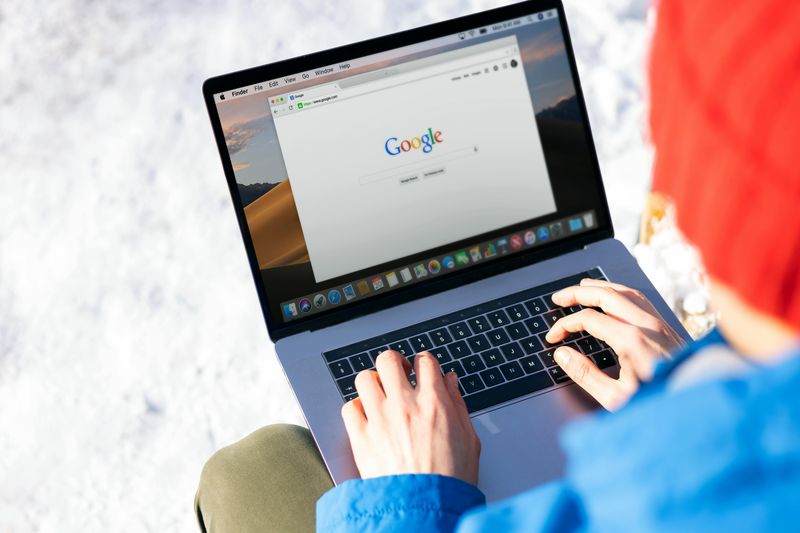
Being online changed the definition of here.
The internet made information persistent, searchable, and social.
Queries that once meant library trips became seconds-long habits, and communities formed around interests rather than addresses.
Ecommerce shrank storefronts into tabs.
Streaming replaced broadcast schedules with your timeline, while cloud services moved files out of drawers and into a shared everywhere.
Businesses reengineered everything from hiring to help desks around instant connectivity.
Always-on brings both magic and noise.
You gain conversations, tutorials, and services at 2 a.m., but also distractions and misinformation that require healthy skepticism.
Still, the net is the grand plaza where modern life negotiates meaning.
14. The Smartphone
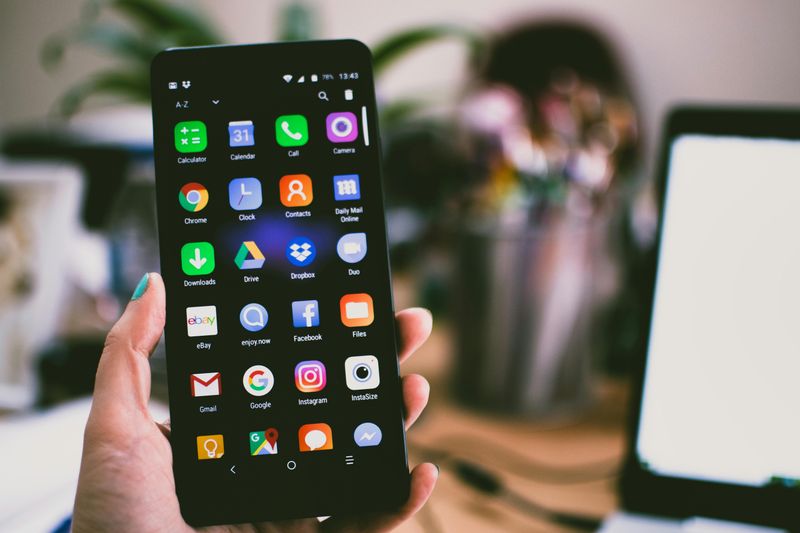
Carrying a powerful computer in your pocket has changed daily life so thoroughly that it’s hard to separate the device from the routines built around it.
Smartphones combined phone calls, texting, internet access, cameras, navigation, and countless tools into one object, which turned “being connected” into a constant default rather than an occasional event.
This invention reshaped how we travel, because maps and ride apps made it easier to get around unfamiliar places without planning ahead.
It also changed shopping and money management through mobile banking, digital wallets, and instant price comparisons, while making social life more immediate through group chats and quick updates.
Even mundane tasks like setting reminders, tracking habits, and scanning documents became simpler, which reduced small everyday friction.
Of course, it also introduced downsides like distraction and screen fatigue, but there’s no question that the smartphone redefined what we expect from convenience, access, and communication in a single day.
Comments
Loading…