
 Chloe Peterson
13 Things People Start Valuing As They Get Older

Getting older has a funny way of reshaping what truly matters to us. Things we once ignored, rushed past, or took completely for granted slowly begin to feel like some of life’s greatest gifts.
With time comes perspective, and the small, simple moments often start to mean far more than the things we once chased. Whether it’s a quiet morning, a genuine friendship, peace of mind, or simply good health, our priorities shift in ways we never expected. Here are 13 things people tend to value more and more as the years go by.
1. Quality Sleep

Remember when you could stay up until 2 a.m. and feel completely fine the next day?
Those days tend to fade fast.
As people get older, a good night’s sleep stops being a luxury and starts feeling like a lifeline.
Sleep affects your mood, memory, focus, and even your immune system.
Adults who prioritize rest tend to feel sharper and handle stress better.
It turns out that pulling all-nighters is something most people look back on and wonder how they ever survived.
Creating a solid bedtime routine becomes one of the best investments you can make in yourself.
2. Genuine Friendships

Somewhere along the way, the number of friends you have starts to matter a whole lot less than the quality of those friendships.
A crowd of acquaintances can feel lonelier than one truly loyal friend who actually knows you.
Older adults often talk about pruning their social circles, and not out of bitterness, but out of wisdom.
Energy is precious, and spending it on people who genuinely care about you just makes sense.
Real friendships are built on honesty, history, and showing up during hard times.
Those are the connections people treasure most as life gets more meaningful.
3. Good Health
When you’re young, health feels automatic.
You eat whatever you want, skip workouts, and still bounce back quickly.
But the body starts sending different signals as the decades pass.
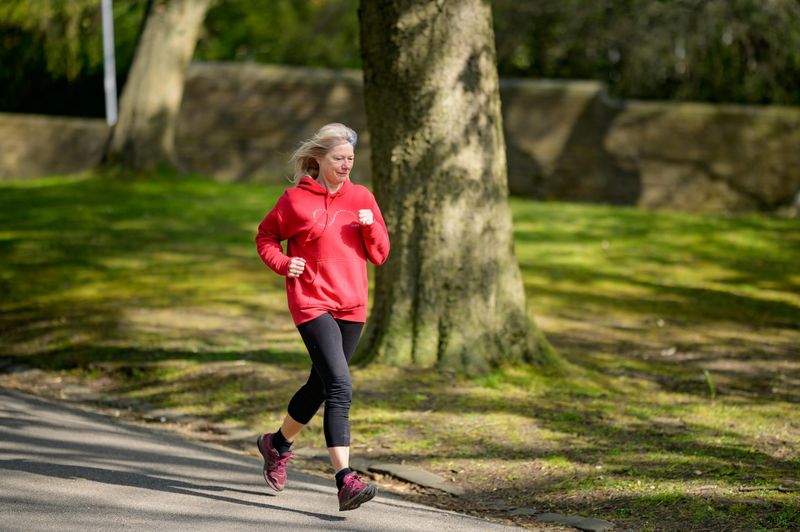
People who once ignored their health begin paying close attention to what they eat, how much they move, and whether they’re getting regular checkups.
It’s not about vanity anymore; it’s about feeling good enough to enjoy life fully.
Studies show that small, consistent habits like daily walks and drinking enough water can add years of quality living.
Good health becomes the foundation that everything else is built upon.
4. Meaningful Experiences Over Material Things

That shiny new gadget or designer bag might feel thrilling for a week, but the memory of a road trip with someone you love?
That sticks around forever.
Research in psychology consistently shows that experiences bring more lasting happiness than possessions.
Older adults tend to figure this out through trial and error, often after years of accumulating stuff that ends up in a garage sale.
Choosing a weekend adventure over another impulse purchase starts to feel natural.
Life becomes less about collecting things and more about collecting moments that genuinely fill you up from the inside out.
5. Alone Time and Solitude

Solitude used to feel like punishment.
Now, for many people, it feels like a reward.
There is something deeply refreshing about having quiet space to think, recharge, and simply be yourself without performing for anyone.
As social energy becomes more limited with age, people learn to guard their alone time carefully.
It is not antisocial; it is self-aware.
Knowing when you need to recharge is a sign of emotional maturity.
Whether it is a solo morning walk, a quiet cup of tea, or an afternoon with a good book, solitude becomes one of life’s most underrated pleasures.
6. Financial Stability

Blowing a paycheck on a spontaneous splurge feels exciting at 22.
At 45, the idea of a solid savings account and zero credit card debt feels far more thrilling.
Financial priorities shift dramatically with age and experience.
People start thinking about emergency funds, retirement savings, and living within their means.
The stress of financial uncertainty is something most older adults have experienced firsthand, and they will do almost anything to avoid it again.
Building financial stability is not about being boring.
It is about buying yourself freedom, options, and the peace of mind to actually enjoy the life you have worked hard to build.
7. Family Connections
There is a certain urgency that creeps into family relationships as people age.
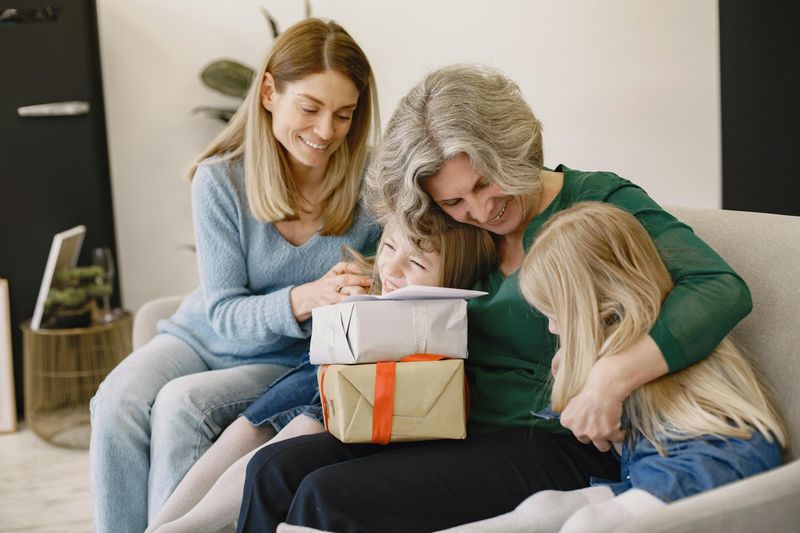
You start noticing that time with the people you love is not unlimited, and that awareness changes everything about how you show up for them.
Phone calls become more frequent.
Holiday gatherings feel more precious.
Old grudges start to seem smaller compared to the warmth of simply being together.
Family, whether biological or chosen, becomes an anchor.
People often say they wish they had spent more time with family earlier.
Age has a way of making that regret loud enough to finally act on it before it is too late.
8. Personal Boundaries

Saying yes to everything used to feel like the only way to be liked or needed.
But overcommitting has a cost, and most people learn that lesson the hard way after years of burnout and resentment.
As people mature, setting boundaries stops feeling selfish and starts feeling essential.
Knowing your limits, communicating them clearly, and sticking to them is actually one of the healthiest things you can do for yourself and everyone around you.
Boundaries protect your time, energy, and emotional well-being.
The older you get, the more you realize that saying no to the wrong things means saying yes to the right ones.
9. Gratitude for Small Moments

A warm cup of coffee.
The sound of rain on a rooftop.
A dog curling up next to you on the couch.
These tiny moments used to fly by unnoticed, but something shifts with age that makes them feel almost sacred.
Gratitude is not just a feel-good concept; science backs it up.
People who regularly practice thankfulness report lower stress levels, better sleep, and stronger relationships.
The habit rewires the brain toward noticing the good.
Getting older teaches you that life is made up of ordinary moments.
Learning to appreciate them fully is one of the most quietly powerful things a person can do.
10. Lifelong Learning
Curiosity does not have an expiration date.
In fact, many people find that their hunger for knowledge grows stronger as they age, not weaker.
There is something deeply satisfying about picking up a new skill or finally understanding something that puzzled you for years.
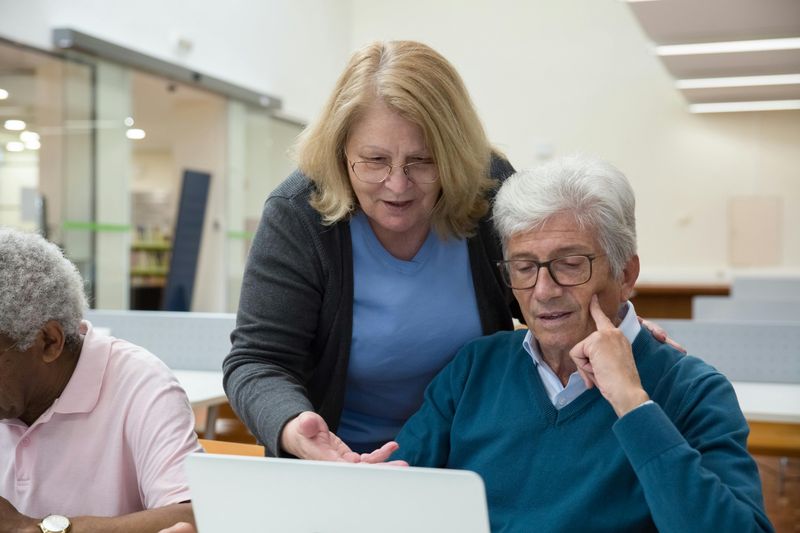
Older adults who keep learning tend to stay mentally sharper longer.
Whether it is taking an online class, learning a language, picking up an instrument, or reading widely, the act of growing keeps life interesting.
Age strips away the pressure to learn for grades or approval.
You get to learn purely because it brings you joy, and that makes all the difference.
11. Letting Go of Grudges

Holding onto a grudge is like carrying a heavy backpack everywhere you go.
For a while, the anger might feel justified, even energizing.
But over time, it just gets exhausting, and the weight adds up in ways that affect your mood, health, and relationships.
With age comes the quiet realization that forgiveness is not about excusing someone else’s behavior.
It is about freeing yourself from the emotional burden of staying angry.
Most older adults can name at least one relationship they wish they had repaired sooner.
Letting go takes courage and practice.
But the relief that follows is almost always worth every uncomfortable step of the process.
12. Slowing Down and Being Present

Life moves fast when you are always rushing toward the next thing.
The promotion, the vacation, the weekend, the milestone.
But somewhere in the middle of all that rushing, the present moment quietly slips away unnoticed.
Older adults often describe a turning point where they stopped racing through life and started actually living it.
Mindfulness, once thought of as a trend, starts to feel like common sense.
Slowing down is not falling behind; it is catching up with yourself.
Noticing what is right in front of you, a conversation, a meal, a sunset, turns out to be one of the richest experiences available to anyone willing to pause.
13. Self-Acceptance

For years, many people spend enormous energy trying to be someone slightly different from who they actually are.
Taller, quieter, funnier, more ambitious, less sensitive.
The list of imagined improvements can feel endless and exhausting.
Age has a way of softening that inner critic.
People begin to recognize their quirks as part of their character rather than flaws to fix.
There is a quiet confidence that comes from finally deciding you are enough exactly as you are.
Self-acceptance does not mean giving up on growth.
It means growing from a place of kindness toward yourself rather than shame.
That shift changes everything about how you move through the world.
Comments
Loading…