
 Hailey Watson
13 Surprising Benefits of Keeping Plants Indoors
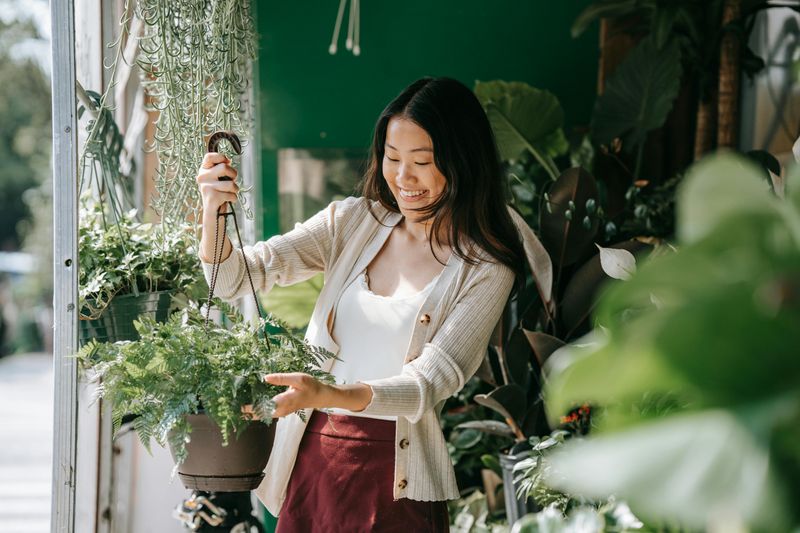
Most people add plants to their homes simply because they look nice, but the benefits go far beyond decoration. Indoor plants can quietly improve your health, mood, and even how well you focus.
Science has backed up what plant lovers have known for years: having greenery inside your home makes a real difference. Whether you have a tiny succulent on your desk or a leafy pothos trailing down a shelf, your plant is doing more for you than you might think.
1. They Quietly Clean the Air You Breathe
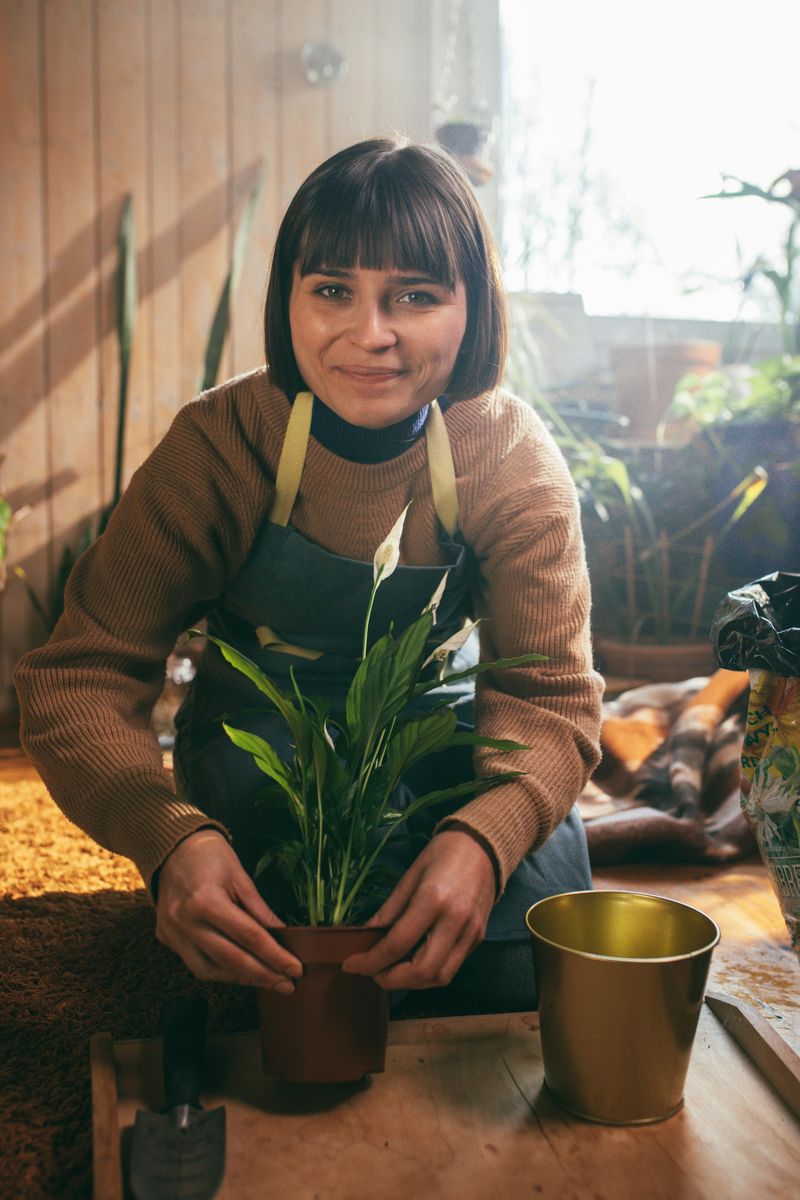
Back in the 1980s, NASA discovered something remarkable: certain houseplants can filter toxins right out of the air.
Chemicals like benzene and formaldehyde, which sneak in from furniture and cleaning products, can be absorbed by plant leaves and roots.
That means every breath you take near a leafy roommate might be a little cleaner.
Plants like peace lilies, spider plants, and snake plants are especially good at this job.
You do not need a jungle to see results.
Even one or two well-placed plants can make a noticeable difference in the air quality of a small room.
2. Stress Levels Drop When Greenery Is Around
Feeling overwhelmed after a long day?
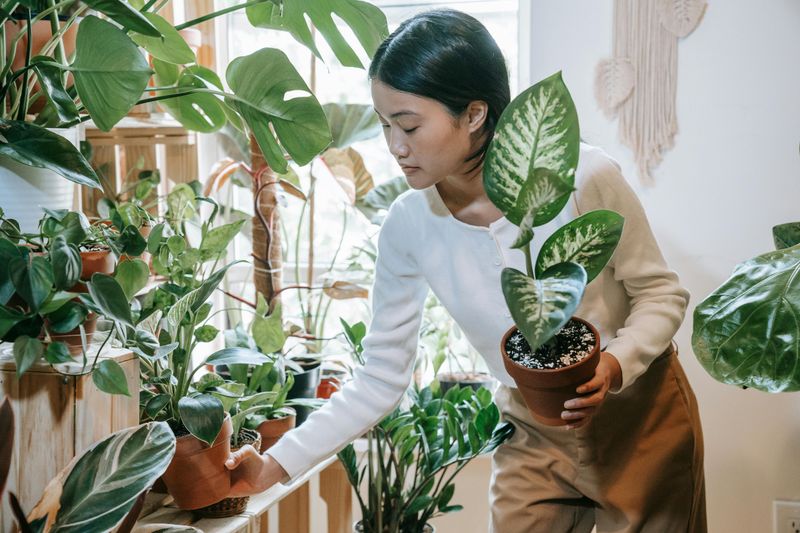
Research published in the Journal of Physiological Anthropology found that simply touching or tending to a houseplant can lower both heart rate and blood pressure.
There is something deeply calming about interacting with living, growing things.
Plants trigger a natural relaxation response in the human brain, reducing levels of cortisol, which is the hormone linked to stress.
Offices that added plants reported employees feeling less anxious and more at ease throughout the workday.
Keeping even one small plant on your nightstand or desk can serve as a tiny, daily mood reset.
3. Your Focus and Productivity Actually Improve

Students and office workers who added plants to their study or work spaces reported sharper attention and fewer mental errors.
A University of Exeter study found productivity jumped by up to 15 percent when workspaces included greenery.
That is a meaningful boost for something that just sits there looking pretty.
Plants seem to engage what researchers call “involuntary attention,” giving your brain a gentle, restorative break without pulling you away from your task.
Think of them as a soft reset button your eyes can rest on between paragraphs or spreadsheet rows.
A small succulent next to your laptop might just be your secret study weapon.
4. Humidity Levels in Your Home Stay Balanced
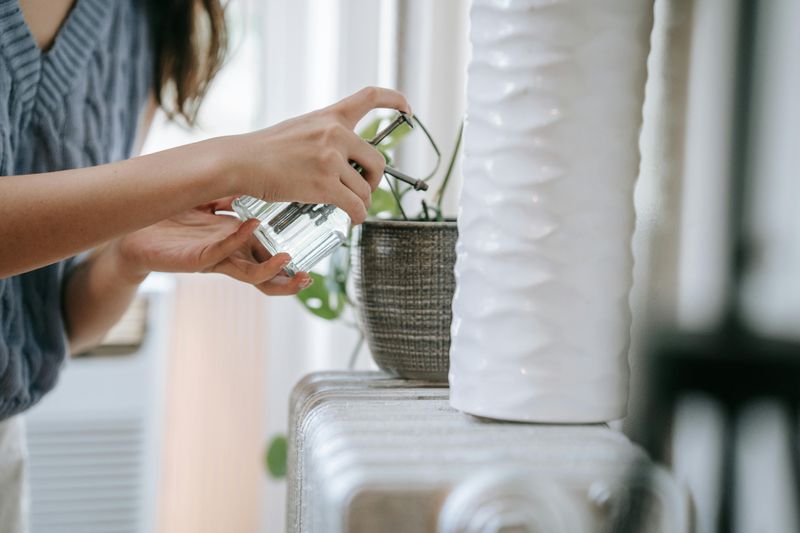
Plants release moisture into the air through a process called transpiration, where water travels up from the roots and exits through tiny pores in the leaves.
This natural humidifying effect can raise indoor humidity levels by up to 10 percent in a closed room.
During dry winters when heating systems suck all the moisture out of the air, that matters a lot.
Low indoor humidity is linked to dry skin, scratchy throats, and even more frequent colds.
Grouping several plants together amplifies the effect noticeably.
Tropical varieties like peace lilies and ferns are especially generous when it comes to releasing moisture back into your space.
5. Sleep Quality Can Get a Genuine Upgrade
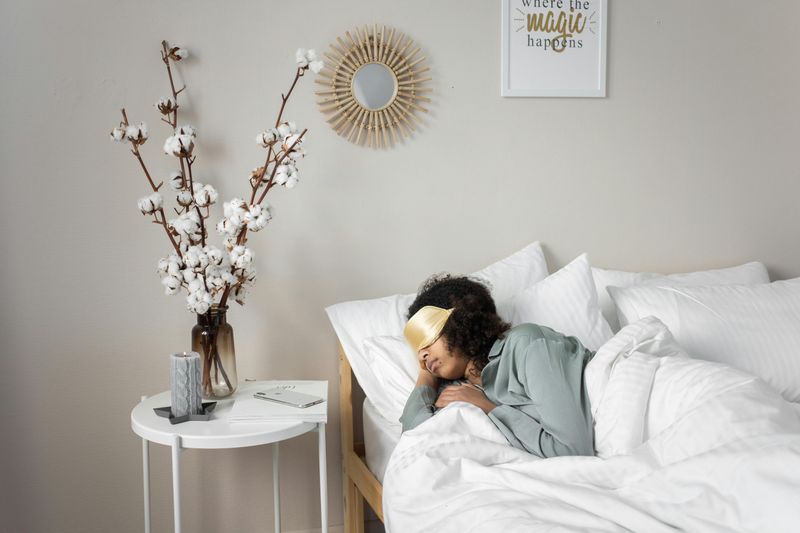
Certain plants do something most people do not expect: they release oxygen at night instead of during the day.
Snake plants and aloe vera are famous for this reverse schedule, making them ideal bedroom companions.
Having a steady supply of fresh oxygen while you sleep can lead to deeper, more restful nights.
Lavender plants also earn a spot in the bedroom thanks to their well-documented calming scent, which has been shown in studies to slow heart rate and ease anxiety before sleep.
The combination of cleaner air and soothing fragrance creates a bedroom environment that genuinely supports better rest.
Your sleep hygiene routine just got a green upgrade.
6. Recovery From Illness Happens Faster

Hospitals have long placed flowers and plants in patient rooms, and it turns out that tradition is backed by real science.
A Kansas State University study found that patients recovering from surgery who had plants in their rooms requested less pain medication and were discharged sooner than those without plants.
That is a striking finding from something so simple.
Researchers believe the calming visual effect of greenery reduces perceived pain and anxiety, which in turn supports the body’s healing process.
Even at home, having a plant nearby when you are sick or recovering from an injury can lift your spirits and help your body bounce back a little faster.
7. Mental Health Gets a Quiet, Steady Boost
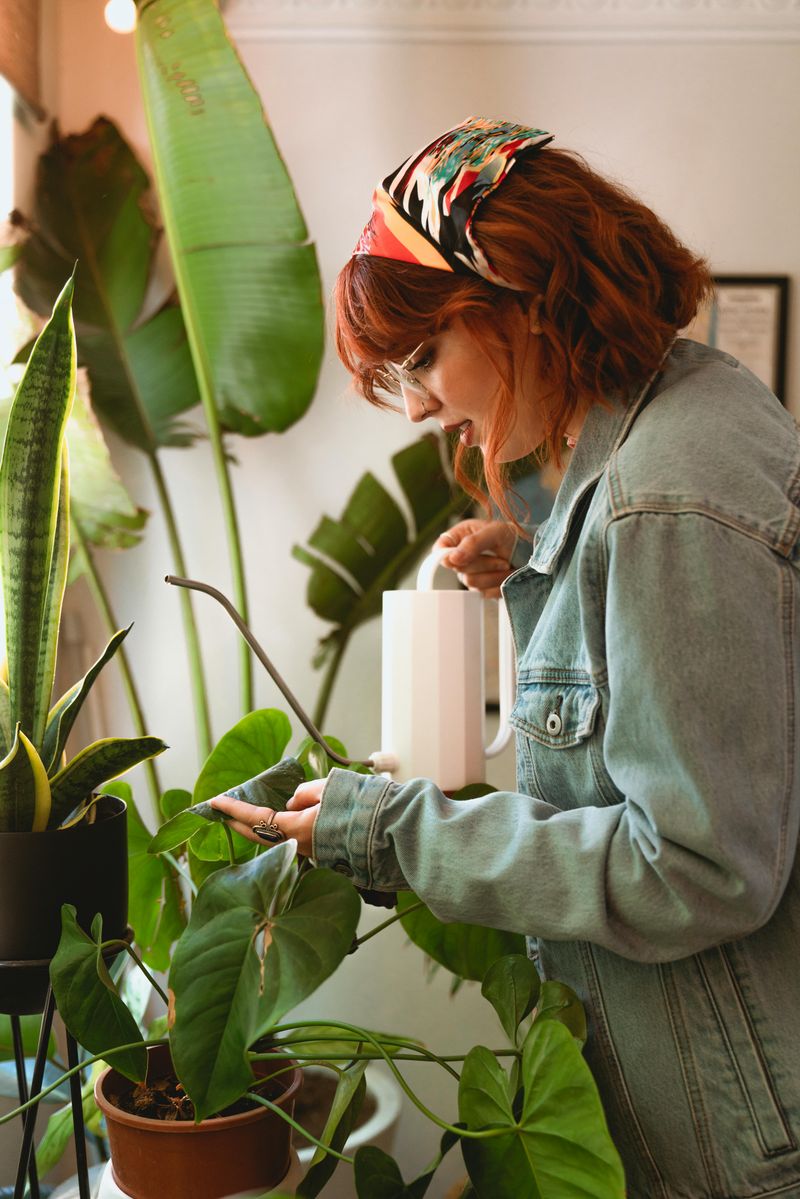
Caring for a living thing gives people a sense of purpose that is surprisingly powerful.
Horticultural therapy, which uses plant care as a form of treatment, has been used successfully with patients dealing with depression, anxiety, and even PTSD.
Tending to something that depends on you creates a gentle but meaningful daily routine.
The small wins add up quickly.
Watching a new leaf unfurl or a cutting take root delivers a genuine hit of satisfaction.
Psychologists describe this as “nurturing behavior,” and it activates reward pathways in the brain.
You do not need to be in therapy to benefit; simply keeping a plant alive can quietly brighten your emotional baseline.
8. Background Noise Feels Less Annoying

Here is one that genuinely surprises most people: plants can absorb and deflect sound waves, reducing background noise in a room.
Their leaves, stems, and soil all play a role in scattering sound, which makes spaces feel noticeably quieter.
Larger plants with broad leaves are the most effective at this.
Placing plants near walls, especially in rooms with hard floors or high ceilings, can soften the echo effect that makes spaces feel loud and harsh.
Offices and restaurants have used this trick for years.
At home, a row of tall plants near a busy street-facing window can take the edge off traffic noise without any construction required.
9. Creativity Flows More Freely Around Plants
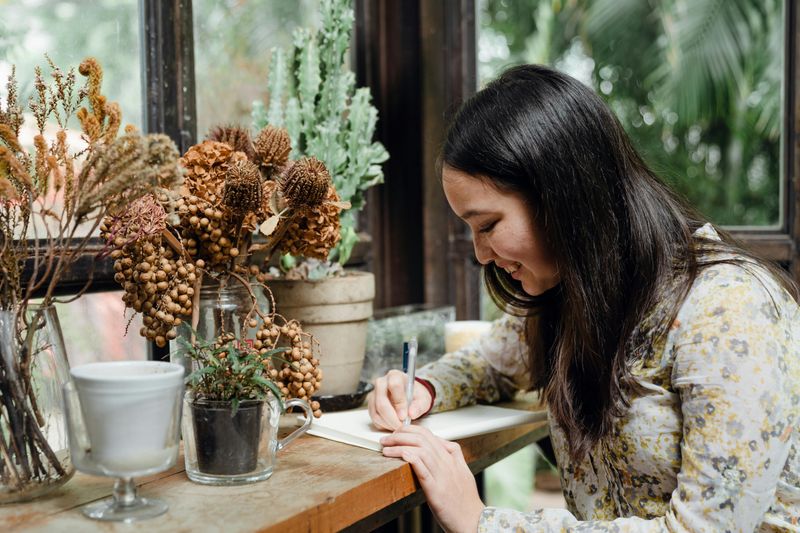
Color psychology has long established that green is associated with creativity, balance, and growth.
Being surrounded by natural greenery activates a mental state researchers call “soft fascination,” where the brain is gently stimulated without being overwhelmed.
That sweet spot is where creative thinking tends to flourish.
Writers, designers, and artists frequently report that working near plants helps ideas come more naturally.
One study from Texas A&M University found that people generated more creative solutions to problems when plants were present in the room.
Adding a plant to your creative workspace is one of the cheapest and most attractive ways to encourage fresh thinking and inspired problem-solving.
10. Allergy Symptoms May Actually Ease Up

This one comes with a twist.
While outdoor plants are often blamed for seasonal allergies, certain indoor plants can actually help by trapping dust particles and airborne allergens on their leaves.
Regular cleaning of those leaves removes the trapped irritants from your environment entirely.
Plants also add moisture to dry indoor air, which helps prevent the nasal dryness that makes allergy symptoms feel worse.
Peace lilies and dracaenas are popular choices for allergy-prone households because they do not produce pollen in the way outdoor plants do.
Choosing the right varieties is key, but the right plant in the right spot can make breathing indoors genuinely more comfortable.
11. Kids Learn Responsibility in a Low-Stakes Way
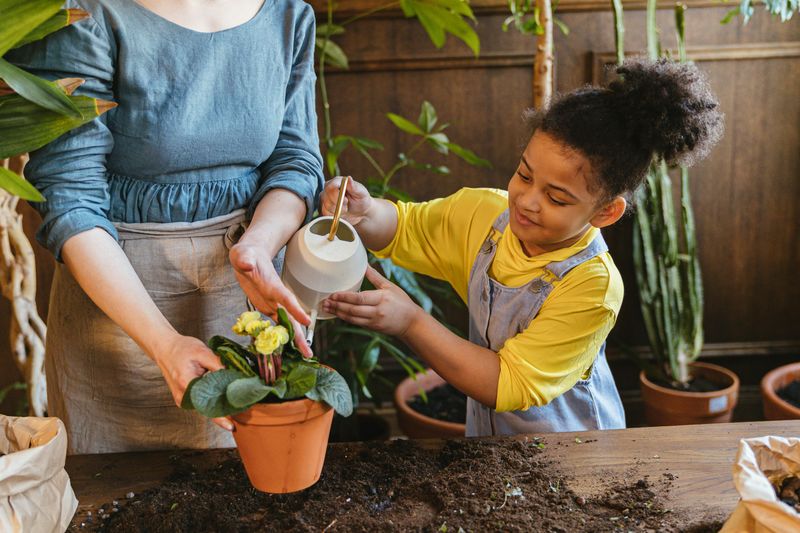
Giving a child a plant to care for is one of the most effective ways to teach responsibility without the pressure of a pet.
Plants need water, light, and attention on a schedule, which teaches kids about consistency and cause and effect in a very tangible way.
Forgetting to water a plant has consequences they can see and learn from.
Watching something grow because of their effort builds genuine confidence and pride.
Many teachers use classroom plants for exactly this reason.
At home, even a simple bean sprout in a cup on the windowsill can spark curiosity about science, nature, and the quiet satisfaction of nurturing something from seed to leaf.
12. Your Space Looks and Feels More Welcoming
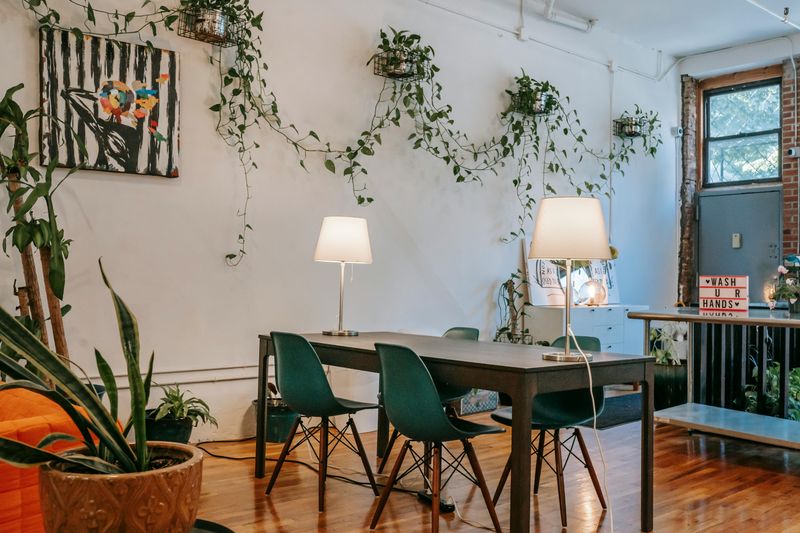
Walk into a room with plants and you immediately feel something shift.
There is a warmth and life to a plant-filled space that no amount of furniture or paint can fully replicate.
Interior designers consistently use greenery to make rooms feel more finished, layered, and lived-in.
Plants add texture, color, and natural asymmetry that softens the hard lines of modern interiors.
A trailing pothos on a high shelf, a bold fiddle-leaf fig in the corner, or a cluster of small succulents on a coffee table each bring something distinct to a room’s personality.
The best part is that this kind of decor actually grows and evolves with you over time.
13. A Deeper Connection to Nature Stays With You

There is a concept called biophilia, which is the idea that humans have an innate, biological need to connect with other living things and the natural world.
Modern life pulls most of us indoors and away from nature for hours, sometimes days at a time.
Indoor plants are one of the simplest ways to keep that connection alive.
Studies show that people with more nature exposure, even indoors, report higher life satisfaction and a stronger sense of well-being.
Plants remind us that life is cyclical, patient, and quietly resilient.
Tending to them daily is a small but meaningful ritual that grounds you in something real, slow, and genuinely alive.
Comments
Loading…