
 Jade Reed
13 Skills Boomers Mastered Before Age 12 That Are Rare Today
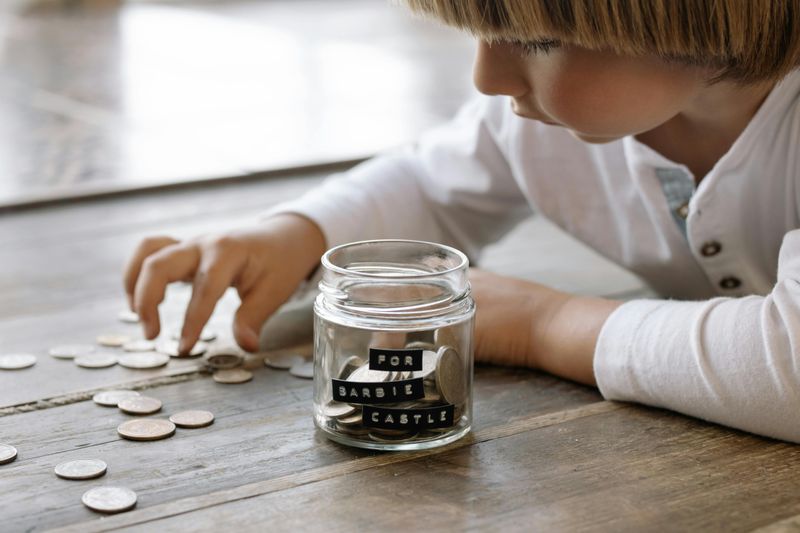
Baby boomers grew up in a different world, one without smartphones, GPS, or instant answers at their fingertips. By the time they turned twelve, many had already learned practical skills that helped them navigate daily life with confidence and independence.
Today, these abilities have faded into the background as technology handles tasks that once required hands-on know-how and real-world experience.
1. Reading a Paper Map

Long before GPS became standard, kids learned to unfold giant maps and trace routes with their fingers.
Parents would hand over the map during road trips, trusting their children to call out turns and keep everyone on track.
This skill taught spatial awareness and the ability to visualize directions without digital assistance.
Folding the map back correctly was almost as tricky as reading it!
Getting lost meant pulling over to study street names and landmarks, not just refreshing a screen.
Map reading built problem-solving abilities and a sense of adventure that made every journey feel like an exploration.
2. Writing in Cursive
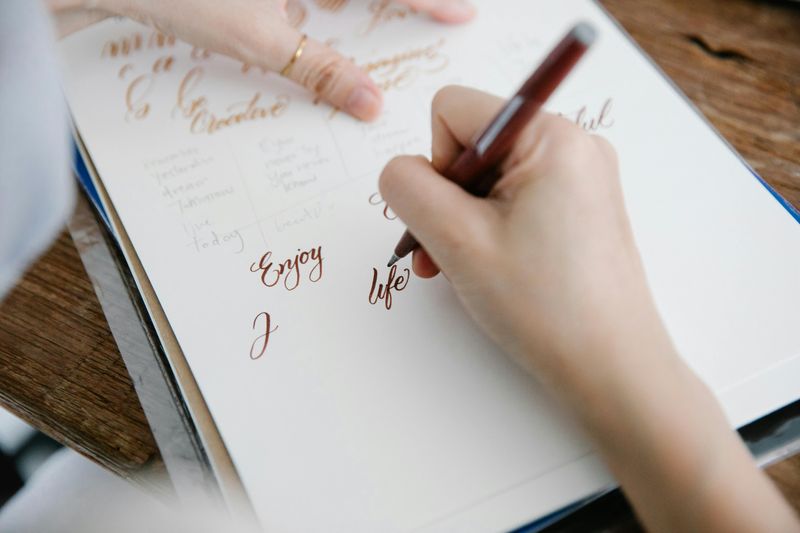
Cursive handwriting was a mandatory part of elementary school, with teachers dedicating weeks to perfecting each looping letter.
Students practiced on lined paper, connecting letters in fluid motions that made writing faster and more elegant.
By fifth grade, most boomers could sign their names beautifully and write entire essays without lifting their pens.
Today, many schools have dropped cursive from the curriculum entirely, favoring typing skills instead.
The art of handwritten notes and personalized signatures is becoming a lost tradition.
Yet cursive wasn’t just about pretty writing—it improved fine motor skills and helped kids develop their own unique style on paper.
3. Balancing a Checkbook
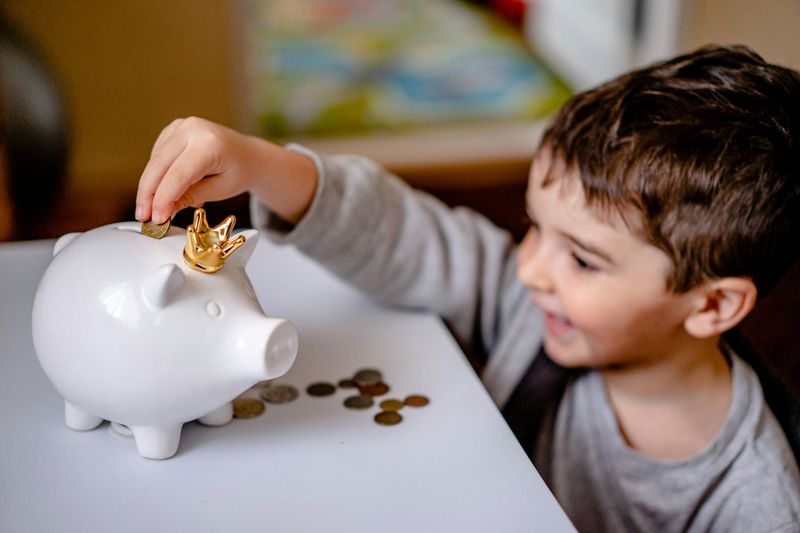
Managing money started early for boomer kids, who learned to track every dollar in a small ledger or checkbook register.
Parents taught them to write down deposits, subtract expenses, and keep a running balance to avoid overdrafts.
This habit instilled financial discipline and made math feel practical and important.
Banks didn’t offer instant balance checks through apps, so accuracy mattered immensely.
One mistake could mean bounced checks and embarrassing fees.
Learning to balance accounts by hand gave kids a clear understanding of where their money went and how to save for future goals, skills that automated banking has made less urgent today.
4. Dialing a Rotary Phone

Rotary phones required patience and precision, with each number demanding a full circular turn before returning to position.
Kids memorized important phone numbers because there was no contact list to rely on, and dialing a single wrong digit meant starting over from scratch.
The clicking sound and physical effort made calling someone feel more intentional.
Party lines sometimes meant waiting for neighbors to finish their conversations before making your own call.
Emergency numbers had to be memorized perfectly since speed dial didn’t exist.
This hands-on experience taught kids responsibility and the value of clear communication, turning phone calls into events rather than casual taps on a screen.
5. Sewing and Mending Clothes
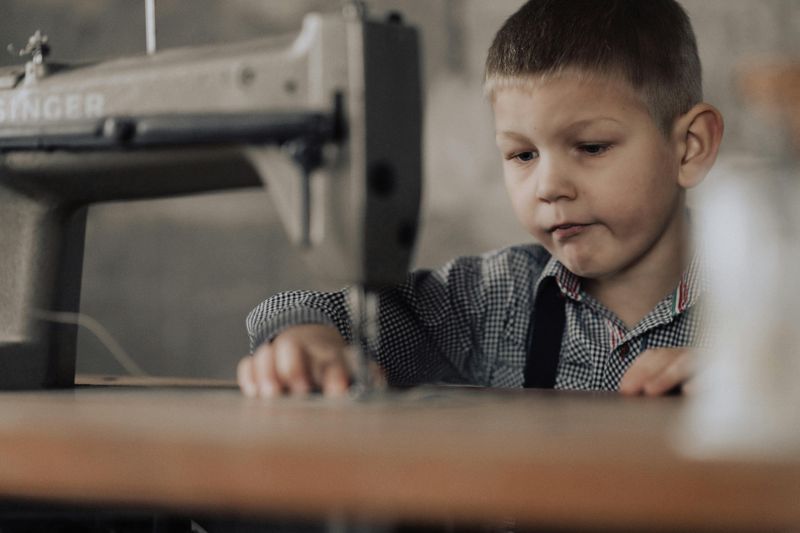
Torn jeans and missing buttons didn’t mean a trip to the store—they meant grabbing a needle and thread.
Both boys and girls learned basic sewing in home economics class, mastering stitches that could repair hems, patch holes, and reattach buttons securely.
These skills saved money and extended the life of favorite outfits.
Sewing by hand also taught patience and attention to detail, as one wrong stitch could unravel quickly.
Kids took pride in fixing their own clothes, sometimes adding creative patches to make repairs look intentional.
Today, fast fashion makes it easier to replace than repair, but the satisfaction of mending something yourself is a joy many have never experienced.
6. Changing a Tire
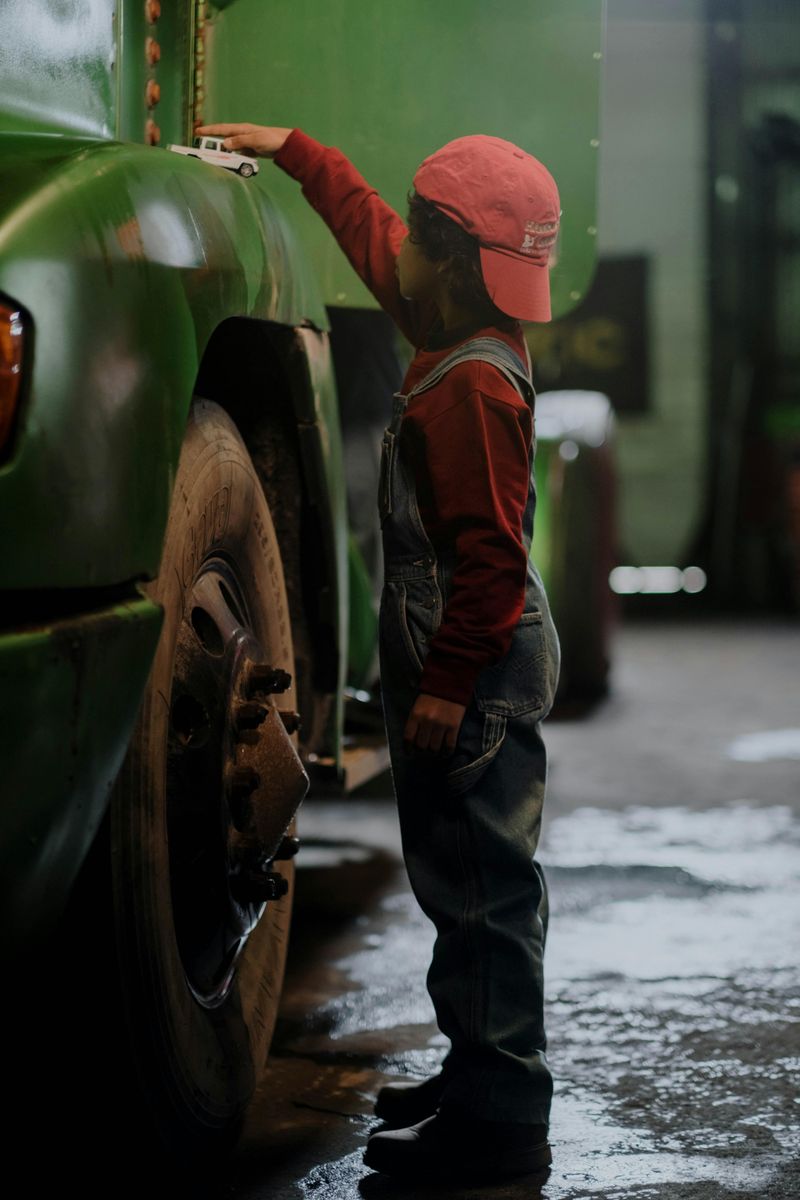
Flat tires were common, and waiting for roadside assistance wasn’t always an option.
Parents taught their kids how to use a jack, loosen lug nuts, and swap out a flat for a spare tire safely.
By twelve, many boomers could handle this task independently, turning a potential disaster into a manageable inconvenience.
Getting dirty and using physical strength were part of the process, building confidence and self-reliance.
Knowing how to change a tire meant freedom to drive anywhere without fear of being stranded.
Modern cars often come with run-flat tires or emergency services, making this once-essential skill feel unnecessary to younger generations who’ve never touched a lug wrench.
7. Starting a Fire Without Matches
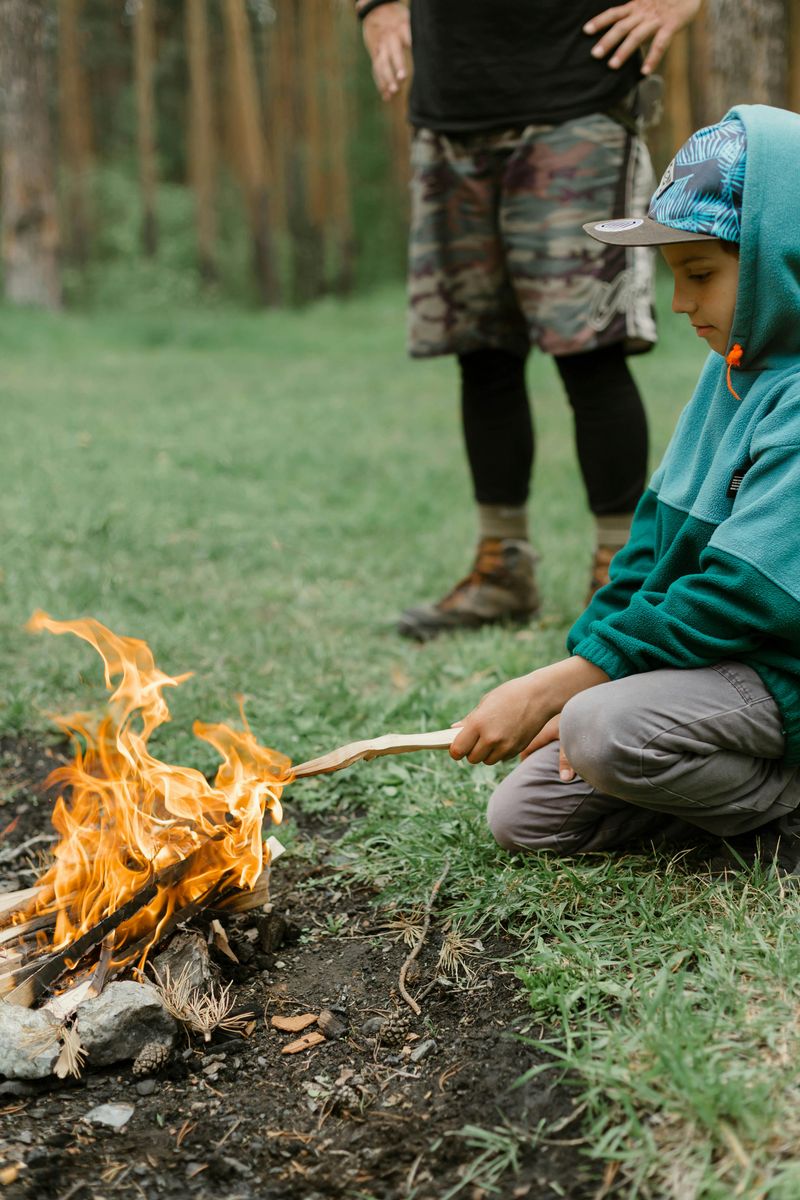
Camping trips and backyard adventures taught kids how to start fires using friction, flint, or magnifying glasses.
This survival skill required patience, the right materials, and understanding how oxygen feeds flames.
Success meant warmth, cooked food, and bragging rights around the campfire.
Learning fire-starting connected children to nature and ancient survival techniques passed down through generations.
Safety lessons came with the skill, teaching respect for fire’s power and how to extinguish it properly.
Today, lighters and camp stoves have replaced these methods, but the thrill of creating fire from scratch remains unmatched for those who’ve tried it.
8. Using a Card Catalog
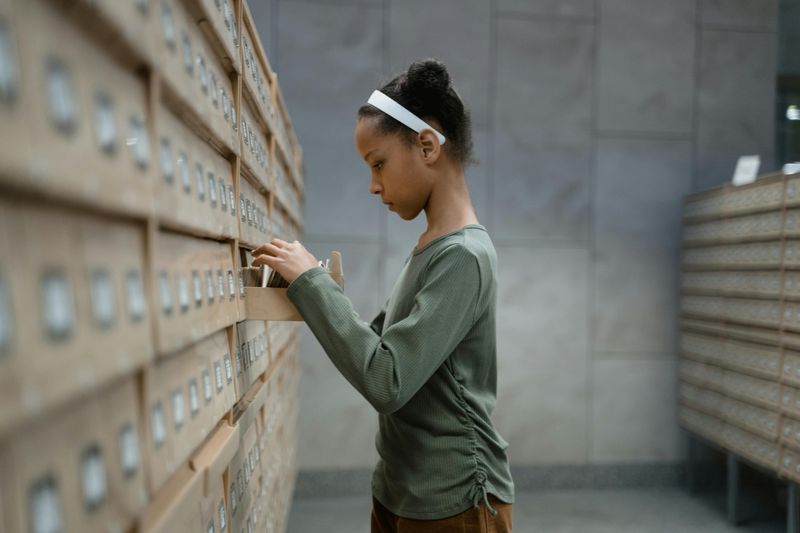
Libraries were treasure hunts, and the card catalog was the map.
Kids learned to search through alphabetized drawers filled with index cards, each listing a book’s title, author, and location.
Finding the right card meant you could track down any book in the building, making research feel like detective work.
Dewey Decimal numbers became second nature, guiding students through endless shelves organized by subject.
There was no search bar or instant results—just patient flipping through cards and wandering through aisles.
This system taught organizational skills and the satisfaction of discovering exactly what you needed through effort and persistence, something online catalogs can’t quite replicate.
9. Cooking a Full Meal from Scratch

Boxed dinners and takeout weren’t daily options, so kids learned to cook real meals using fresh ingredients.
They peeled potatoes, seasoned meat, and followed handwritten recipes passed down from grandparents.
By age twelve, many could prepare a complete dinner for the family without adult supervision.
Cooking taught math through measurements, science through heat and reactions, and creativity through flavor combinations.
Mistakes happened—burnt edges, oversalted dishes—but each attempt built confidence and competence.
Today, convenience foods and delivery apps have reduced the need for these skills, leaving many young people unfamiliar with basic kitchen techniques that once felt essential to everyday life.
10. Memorizing Phone Numbers

Contact lists didn’t exist, so boomers committed dozens of phone numbers to memory through repetition and necessity.
Best friends, grandparents, emergency services—all lived in their heads, ready to dial at a moment’s notice.
Forgetting a number meant finding a phone book or calling directory assistance.
This mental exercise strengthened memory skills and made connections feel more personal and important.
Kids could reach anyone they needed without flipping through devices or scrolling through apps.
Today, smartphones store thousands of contacts, but few people can recall even their closest friends’ numbers, making this once-universal ability nearly extinct among younger generations who’ve never needed it.
11. Telling Time on an Analog Clock

Before digital displays dominated every device, kids learned to read clock faces with hour and minute hands.
Teachers used classroom clocks to drill students on telling time, making sure everyone understood quarter past, half past, and the difference between AM and PM.
This skill was tested daily in real-world situations.
Analog clocks taught patience and the concept of time passing visually, as hands swept continuously around the face.
Reading them required mental math and spatial understanding that digital clocks don’t demand.
Many children today struggle with analog clocks because they’ve grown up with numbers displayed plainly, missing out on the deeper time-telling literacy boomers developed naturally.
12. Navigating Without GPS
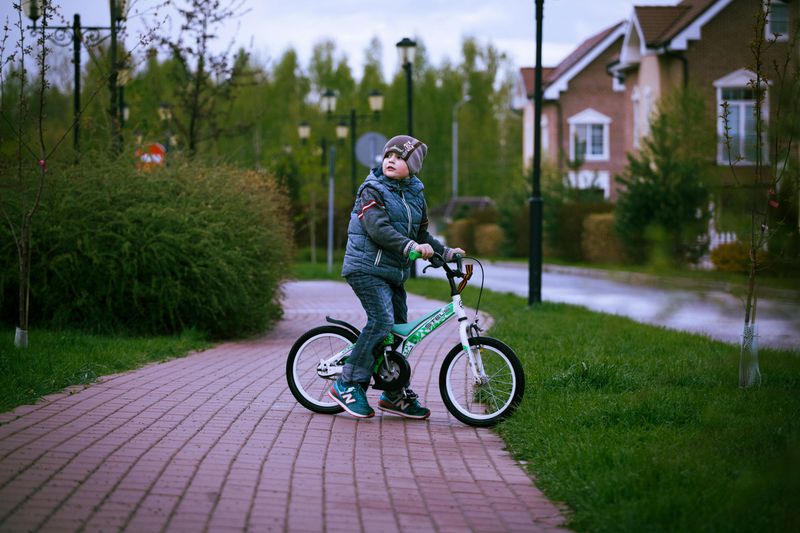
Getting around meant memorizing routes, recognizing landmarks, and asking strangers for directions when lost.
Kids developed internal maps of their neighborhoods, knowing which streets led where and how to find their way home from anywhere.
This spatial awareness made them confident explorers of their surroundings.
Wrong turns became learning opportunities rather than disasters, teaching problem-solving and adaptability.
There was no voice telling them where to go—just observation, memory, and sometimes a bit of guesswork.
Modern GPS has made navigation effortless but has also weakened people’s natural sense of direction, leaving many helpless without their phones to guide every journey they take.
13. Writing Letters by Hand

Communication took effort when every message required pen, paper, envelope, and stamp.
Kids wrote letters to distant relatives, pen pals, and friends at summer camp, carefully crafting sentences because mistakes meant starting over.
Receiving a handwritten letter felt special, knowing someone invested time and thought into every word.
Letter writing taught grammar, penmanship, and the art of expressing feelings clearly without emojis or instant feedback.
Waiting days or weeks for replies built anticipation and made correspondence meaningful.
Today, texts and emails deliver messages instantly, but they lack the personal touch and permanence of a handwritten note that someone could treasure for years.
Comments
Loading…