
 Harper Hall
13 Rules of Life That Boomers Were Right About All Along (Sorry, Millennials and Gen Z)

If you’ve ever rolled your eyes at “boomer advice,” you’re not alone.
A lot of it sounded preachy, outdated, or wildly out of touch with modern life.
But between rising costs, nonstop subscriptions, and the sheer chaos of adulthood, some of those old-school rules start to feel less annoying and more… useful.
This isn’t about romanticizing the past or pretending every older generation had it all figured out.
It’s about noticing which habits still work, especially when money is tight and time is limited.
Some of these lessons are about budgeting, some are about boundaries, and a few are simply about making life run smoother.
If you’re Gen Z, you can absolutely keep your standards high and your values modern while still borrowing a few practical moves.
Here are 13 things baby boomers were right about all along, even if it pains us to admit it.
1. Cooking at home is the real life hack.

The cheapest “meal plan” is often a grocery list and a little practice.
When you cook at home, you control portions, ingredients, and the sneaky add-ons that make delivery so expensive.
Even a basic rotation of five go-to meals can cut weekly spending without making life feel deprived.
A lot of people assume cooking requires talent, but it mostly requires repetition and a few reliable staples.
Boomers learned to stretch what they had, and that skill still matters when prices keep climbing.
The key is to start simple, like sheet-pan dinners, big-batch soups, and breakfast-for-dinner nights.
You also waste less when you plan leftovers on purpose instead of letting them “accidentally” rot in the fridge.
Once cooking becomes normal, takeout turns into a treat again instead of an expensive default.
2. If you cannot buy it twice, you cannot afford it.

A surprisingly effective filter for spending is asking whether you could comfortably pay for it again.
That rule doesn’t mean you must literally buy two of everything, but it forces you to notice financial strain before you swipe.
When money is tight, one purchase often triggers a chain reaction of stress, guilt, and catch-up budgeting.
Boomers didn’t have as many “easy pay” options, so affordability was obvious instead of delayed.
This mindset protects you from turning a cute want into a month-long scramble.
It also helps separate “I can technically pay” from “I can safely pay without consequences.”
If the answer is no, you can still enjoy the item by saving up and buying it later with confidence.
That short delay often reveals whether you truly wanted it or just wanted the dopamine hit.
3. An emergency fund beats a perfect budget.

Stability comes less from tracking every penny and more from having a cushion for chaos.
A budget is a plan, but life is the part where the plan gets laughed at by a flat tire.
Boomers were big on savings because they knew a single surprise could derail an entire month.
Even $500 set aside can prevent you from leaning on credit cards when something breaks.
The goal isn’t perfection, because perfect budgets rarely survive real life, busy weeks, and unexpected expenses.
A small emergency fund buys you time, options, and less panic when bills hit at the worst moment.
You build it slowly by automating transfers, saving windfalls, and keeping “found money” out of your checking account.
Once you have a buffer, your financial decisions get calmer, and that’s a kind of wealth by itself.
4. Debt is stressful even when it is normal.

The loudest myth is that debt is harmless as long as you’re making the minimum payment.
Interest has a way of turning “I’ll handle it later” into “Why is this still here?”
Boomers were wary of debt because they understood how quickly it can swallow your future flexibility.
Credit cards are convenient, but convenience becomes expensive when balances linger for months.
Even “good debt” can cause stress when your payment schedule starts dictating your life choices.
The most powerful part of being debt-free isn’t moral superiority, but mental space and breathing room.
A solid strategy is focusing on one balance at a time, while keeping spending simple and predictable.
When the debt shrinks, your paycheck stops feeling like it disappears before you even get to enjoy it.
5. Fixing things is worth learning.

A small repair skill can prevent a small problem from becoming an expensive appointment.
Boomers often learned practical maintenance because hiring help for everything wasn’t an option.
You don’t need to be handy, you just need to be willing to learn one simple task at a time.
Replacing a cabinet knob, sewing a button, or tightening a loose hinge can save you from replacing the whole item.
YouTube tutorials make this easier than ever, which is ironic because earlier generations managed without them.
Starting small builds confidence, and confidence makes you less likely to panic-buy replacements.
Basic fixes also reduce the “helpless” feeling that can creep in when adult life throws constant minor emergencies at you.
Over time, you spend less, waste less, and feel more capable in your own space.
6. Being on time is a superpower.

Reliability gets noticed faster than talent in a lot of workplaces and relationships.
Boomers treated punctuality like respect, because it signals that other people’s time matters.
In a world of constant notifications and distractions, showing up on time instantly makes you feel more trustworthy.
This isn’t about being rigid or never running late, because life happens and grace matters.
It’s about building a habit that reduces stress for you and everyone waiting on you.
A simple shift like planning to arrive ten minutes early can protect you from traffic, delays, and bad timing.
When you consistently show up when you say you will, people stop questioning your follow-through.
That reputation can lead to better opportunities, better references, and smoother everyday interactions.
7. You do not need a new version of everything.

Upgrades feel exciting, but they also create a financial treadmill that never stops.
Boomers were more comfortable using things until they wore out, and that habit keeps money in your pocket.
A new phone, a new couch, or a new wardrobe might feel like progress, but the bills feel like regret later.
Planned obsolescence is real, which makes “use what you have” even more valuable as a mindset.
The smartest upgrade is often maintenance, like replacing a battery, fixing a zipper, or cleaning something properly.
When you stop chasing newness, you start noticing quality, longevity, and what actually improves your daily life.
Delayed upgrades also let you buy better items less often, instead of cheap replacements on repeat.
Your future self will thank you for resisting purchases that were mostly about vibes and not real need.
8. Hard copies and backups matter.

Technology is amazing right up until it fails at the exact moment you need it most.
Boomers kept important documents because they didn’t assume everything would be accessible in one tap.
A lost phone, a locked account, or a crashed device can turn a simple errand into a multi-day headache.
Keeping copies of IDs, insurance info, lease documents, and key receipts can save you serious stress.
You don’t need a filing cabinet from 1987, but you do need a system you can find quickly.
A small folder at home plus a secure digital backup covers most real-life situations.
This habit also helps you track warranties, returns, and billing issues without arguing from memory.
Preparedness feels unsexy, but it’s one of the easiest ways to avoid expensive mistakes.
9. Face to face conversations solve more than texts.

Misunderstandings multiply when tone gets stripped out of communication.
Boomers preferred calls and face-to-face talks because clarity matters more than convenience when emotions are involved.
A five-minute conversation can resolve what would take fifty messages and three days of second-guessing.
Text is great for quick logistics, but it’s a mess for conflict, complicated plans, or sensitive topics.
If something feels tense, picking up the phone can stop the spiral before it turns into drama.
You also build stronger relationships when you hear a voice and respond in real time.
This doesn’t mean you owe everyone access to you, because boundaries still matter.
It just means that when you want resolution, direct communication is usually the fastest path there.
10. Privacy is worth protecting.
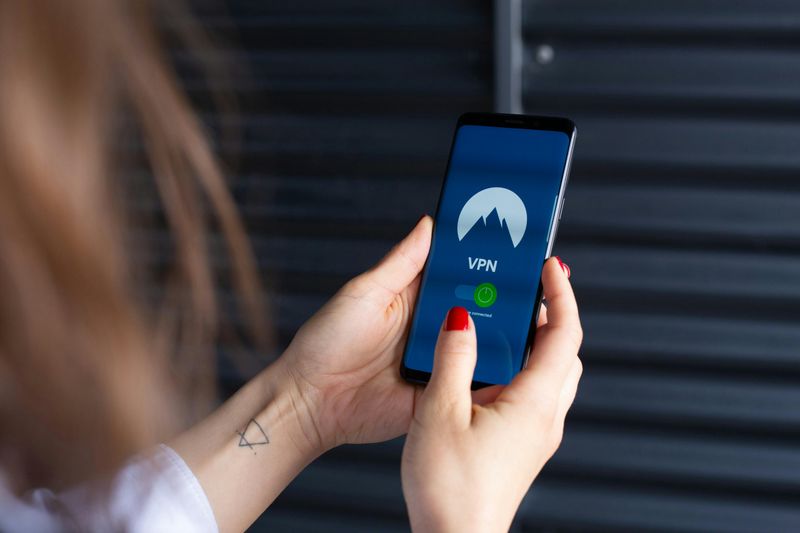
Oversharing feels normal when social media rewards constant visibility.
Boomers valued keeping certain details off the record, and that instinct is even more useful now.
Money problems, relationship updates, and workplace drama can follow you longer than you think.
Your future employer, a nosy family member, or even a random stranger doesn’t need full access to your life story.
Privacy isn’t secrecy, because it’s simply choosing what deserves a boundary.
A good rule is sharing wins without sharing every detail that could create risk or invite judgment.
Turning off certain tracking settings and tightening your app permissions can also reduce how much of your life gets monetized.
The less you broadcast, the more control you keep over your reputation and your peace.
11. A steady job is not a sellout, it is leverage.

Stability isn’t boring if it funds options, safety, and the ability to leave bad situations.
Boomers often prioritized consistent work because it made the rest of life easier to plan.
A predictable paycheck helps you build savings, pay down debt, and take smarter risks when you actually want to.
The internet glamorizes quitting, but it rarely shows the stress of living without a buffer.
A steady job can also be the platform that finances a side hustle without desperate decisions.
When your basics are covered, you can negotiate better, walk away from toxic workplaces, and invest in skills that pay off.
This isn’t about staying stuck forever, because growth matters and you deserve more.
It’s about using stability strategically until you’re ready to pivot on your own terms.
12. Retirement planning should start embarrassingly early.

Waiting to save because you feel “too young” is one of the most expensive delays there is.
Boomers were right that time is the ingredient that makes small contributions turn into real money.
Compound growth rewards consistency, which means starting with a little often beats starting big later.
You don’t have to be rich to start, because many accounts can be funded with surprisingly small amounts.
A simple first step is contributing enough to get any employer match, since that’s basically free money.
Once the habit is built, increases feel easier because you’re scaling something that already exists.
Retirement may feel far away, but future you is going to live there full-time.
Planning early gives you more choices later, including the choice not to work forever.
13. You are who you hang out with financially too.

Money habits are contagious, even when nobody talks about money directly.
Boomers understood that who you spend time with shapes what you think is normal.
If your friends treat constant shopping, pricey nights out, and “just put it on a card” as standard, you’ll feel pressured to keep up.
If your circle shares budget wins, swaps items, and celebrates saving, your choices feel easier and less isolating.
This doesn’t mean ditching friends who spend differently, because that’s not realistic or kind.
It means setting boundaries, suggesting cheaper plans, and spending more time with people who support your goals.
You can also curate your digital circle, since influencers and content can push the same pressure as real friends.
The right environment makes good habits feel normal instead of lonely.
Comments
Loading…