
 Chloe Peterson
13 Reasons Emotional Distance Feels Addictive

Have you ever noticed how some people seem to prefer keeping others at arm’s length, even when they actually care deeply? Emotional distance can feel strangely comfortable, like a warm blanket that also happens to keep everyone else out.
Many people find themselves pulled back to this habit again and again without fully understanding why. Understanding the reasons behind this pattern can help you break free from it or support someone you love who struggles with it.
1. It Creates a False Sense of Control

When everything around you feels unpredictable, pulling back emotionally can feel like grabbing the steering wheel.
You decide how much people know, how close they get, and when they leave.
That sense of power is intoxicating.
The brain actually rewards this feeling with a small rush of relief.
Over time, your mind starts linking emotional distance with safety, making it hard to stop.
It feels less like a wall and more like a superpower.
Recognizing this pattern is the first step.
Real control comes from managing your reactions, not from shutting people out entirely.
2. Vulnerability Feels Dangerous

Opening up to someone feels a little like handing them a knife and hoping they do not use it.
Past hurts teach the brain that being open leads to pain, so staying distant starts to feel like armor.
Psychologists call this a learned defense mechanism.
The more times vulnerability has led to rejection or betrayal, the stronger this armor becomes.
Emotional distance stops feeling like a choice and starts feeling like survival.
Healing begins when you slowly test the waters with trustworthy people.
Not everyone will hurt you, even if some have before.
3. Solitude Starts to Feel Safer Than Connection

Spending time alone does not have to be lonely.
For many people, solitude becomes a deeply satisfying retreat from the unpredictability of other people.
The quiet starts to feel like home.
Here is the tricky part: the more comfortable solitude becomes, the harder it is to invite others in.
Your nervous system begins to associate people with stress and alone time with peace.
That comparison makes isolation feel like the obvious winner.
Balance is the goal here.
Healthy alone time recharges you, but too much creates a gap between you and the people who matter most.
4. It Protects Your Self-Image

Nobody can reject what they never truly see.
Keeping emotional distance means people only get the version of you that you carefully curate and control.
That feels incredibly safe for anyone with deep insecurities.
When others do not know your fears, your failures, or your soft spots, they cannot use them against you.
Your self-image stays intact, untouched by criticism or disappointment.
The distance acts like a shield around your most fragile parts.
The downside is that real connection requires real visibility.
Letting someone see the full picture is scary, but it is also where genuine belonging lives.
5. Emotional Numbness Feels Like Peace

After going through something deeply painful, feeling nothing can seem like a gift.
Emotional numbness steps in as the brain’s emergency shutdown button, and for a while, it genuinely works.
The silence inside can feel like rest.
Over time, though, numbness becomes the default setting.
You stop noticing when you have drifted away from people who care.
It no longer feels like a temporary fix but like a permanent personality trait.
Reconnecting with your emotions takes patience.
Small steps, like journaling or talking to a trusted friend, can gently bring feeling back without overwhelming your system.
6. Past Trauma Rewires Your Comfort Zone
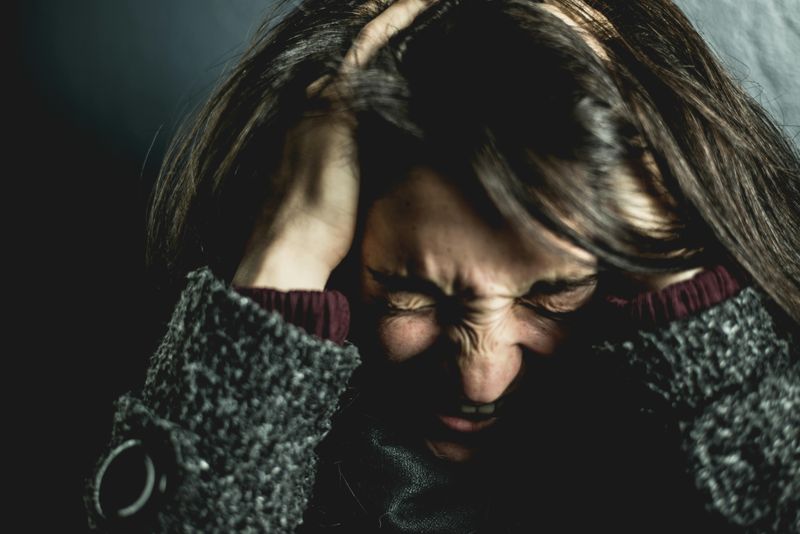
Trauma has a sneaky way of rewriting the rulebook your brain uses to navigate relationships.
If love once came with pain, your mind may start treating closeness as a warning signal rather than a reward.
Distance becomes the new normal.
Research shows that early childhood experiences shape how the brain responds to emotional intimacy well into adulthood.
This is not a character flaw.
It is the brain doing its best to protect you based on what it has learned.
Working through trauma with a counselor can help your brain update those old rules and make space for healthier connections.
7. Independence Becomes an Identity

“I do not need anyone” can start as a coping phrase and slowly become a personal brand.
When independence is praised and celebrated, it becomes woven into how you see yourself.
Needing others starts to feel like weakness.
Society often rewards self-sufficiency, which reinforces this identity even further.
The more you are told that relying on yourself is admirable, the more emotional distance feels like a strength rather than a barrier.
It becomes part of your story.
True strength includes knowing when to ask for help.
Leaning on others does not erase your independence.
It actually deepens it.
8. Avoiding Conflict Feels Like Winning

Some people would rather disappear emotionally than face a difficult conversation.
Pulling back during conflict avoids the discomfort of disagreement and the risk of saying something that cannot be unsaid.
In the moment, it feels like the smart move.
Staying distant during tension is sometimes called emotional stonewalling.
It may stop the argument, but it also stops the resolution.
The issue stays buried, and so does the relationship’s ability to grow stronger through challenge.
Healthy conflict is actually a sign of trust.
When you feel safe enough to disagree, it means the relationship has real depth worth protecting.
9. Low Expectations Mean Fewer Disappointments

When you expect nothing from people, they cannot let you down.
Keeping emotional distance is a brilliant strategy for managing disappointment, at least on the surface.
You never get hurt because you never fully invest.
This mindset creeps in after repeated letdowns.
The brain learns to protect itself by lowering the emotional stakes in every relationship.
Why hope for closeness when distance guarantees a predictable, painless outcome?
The cost of this strategy is connection itself.
People who never expect anything from others often end up feeling deeply alone, even in rooms full of people who genuinely care about them.
10. Helping Others Feels Safer Than Being Helped

There is a certain comfort in being the helper.
When you are the one giving support, you stay in control of how much emotional energy flows in your direction.
Nobody gets to see your needs because you are too busy meeting theirs.
This pattern is surprisingly common among caregivers, teachers, and natural empaths.
Being needed feels meaningful, but it can also be a clever way of keeping vulnerability at bay.
You give freely while carefully guarding the door to your own emotional world.
Letting others support you is not a burden on them.
Most people feel honored when someone they care about trusts them enough to ask for help.
11. Technology Makes Distance Effortless
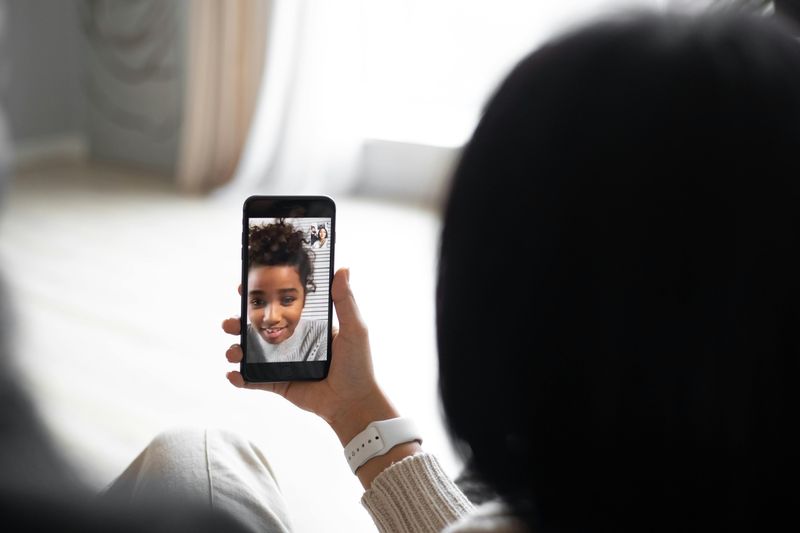
Screens have made it incredibly easy to feel connected while staying emotionally miles away.
You can like someone’s photo, send a quick message, and feel like you have checked in without ever being truly present.
Digital connection is fast, easy, and low-risk.
Social media rewards surface-level interaction.
Deep, messy, real conversations are replaced by curated posts and emoji reactions.
Over time, this trains people to prefer the shallow end of the emotional pool because it never gets uncomfortable.
Putting the phone down and having a real conversation can feel awkward at first.
That awkwardness, though, is where genuine closeness begins to grow.
12. It Mimics Emotional Strength

Being the person who never cries, never panics, and never seems rattled carries a certain social prestige.
Emotional distance can look a lot like strength from the outside, and people often receive praise for it.
That praise becomes reinforcement.
Think about every movie hero who keeps their feelings locked away.
Culture teaches us that showing emotion is a liability and that stoicism equals power.
Over time, emotional distance stops feeling like suppression and starts feeling like maturity.
Real emotional strength is not about feeling nothing.
It is about feeling everything and still choosing how to respond with intention and care.
13. The Cycle Is Hard to Break Once It Starts

Once emotional distance becomes a habit, it starts running on autopilot.
You pull back before you even realize you are doing it.
Relationships stay surface-level not because you want them to, but because your brain has made distance the default response.
Habits, especially emotional ones, are deeply wired into the nervous system.
Breaking them requires not just awareness but consistent, intentional effort over a long period of time.
One good conversation does not undo years of practiced withdrawal.
Small, repeated acts of openness are the antidote.
Every time you choose connection over retreat, you are quietly rewriting the habit loop from the inside out.
Comments
Loading…