
 Hailey Watson
13 Household Jobs Men Should Avoid If They Want Peace

Nobody likes being boxed into doing certain chores just because of old-fashioned ideas about what men and women should do.
When household tasks get assigned based on outdated gender roles instead of skills or interests, it creates unnecessary stress and tension at home.
Some jobs have become so strongly linked with masculinity that men feel pressured to take them on, even when they lack the ability, interest, or time to do them well.
From the chores women prefer to handle themselves to the DIY projects that always go hilariously wrong, this list is a fun look at domestic life—and the little things that make relationships work.
1. Car Repairs and Maintenance
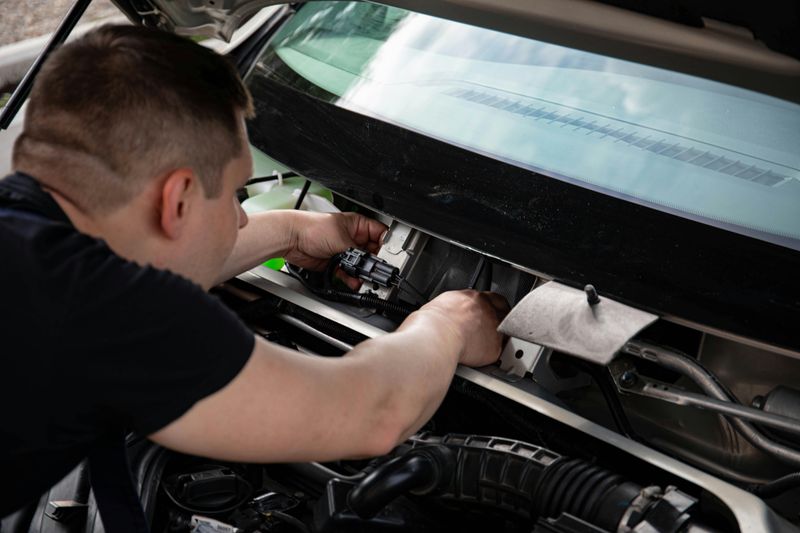
Not every guy grew up tinkering with engines or learning about brake pads and oil changes.
Modern vehicles are incredibly complex, with computer systems that require specialized diagnostic equipment to fix properly.
Expecting men to automatically know how to repair cars just because of their gender creates unnecessary pressure and can even lead to expensive mistakes.
Many people, regardless of gender, prefer taking their vehicles to trained mechanics who have the right tools and expertise.
Forcing someone into this role when they lack interest or knowledge can cause arguments and resentment.
Sharing the responsibility of scheduling maintenance appointments or researching reliable mechanics makes much more sense than assuming one person should handle everything automotive-related.
2. Lawn Mowing and Yard Work

The image of a man behind a lawn mower on Saturday morning has become a suburban cliché, but not everyone enjoys spending hours in the hot sun cutting grass.
Yard work can be physically demanding, time-consuming, and frankly boring for people who would rather spend their weekends doing other activities.
Some men have allergies, back problems, or simply no interest in landscaping.
Automatically assigning all outdoor maintenance to one person based on gender ignores these individual circumstances.
Families function better when yard responsibilities get divided based on who actually enjoys gardening or has the physical ability to do it safely, rather than following outdated expectations about masculine outdoor duties.
3. Taking Out the Trash

Trash duty might seem like a small thing, but when it becomes exclusively one person’s job, it turns into a symbol of unfair household division.
The assumption that men should handle this unpleasant task because it involves getting dirty or lifting heavy bags reinforces the idea that certain chores are beneath others.
Everyone in a household creates garbage, so everyone should share the responsibility of dealing with it.
Making trash removal a gendered task creates resentment over time, especially when other family members walk past overflowing bins without helping.
Rotating this simple chore or having whoever notices the full bag take it out promotes equality and prevents one person from feeling like the household servant for dirty work.
4. Bug Removal and Spider Duty

Here’s a secret: plenty of men are terrified of spiders, wasps, and other creepy crawlers.
The expectation that males should bravely handle all insect encounters puts unfair pressure on those who would rather run screaming from a centipede.
This stereotype about masculine bravery ignores the reality that phobias and fears don’t discriminate by gender.
Being designated as the household exterminator can be genuinely stressful for someone with insect anxiety.
Some bugs also pose real dangers through stings or bites, making this more than just a courage test.
Families should handle pest problems based on who feels comfortable doing so, or simply call professional exterminators when needed, rather than forcing someone into a role that causes them genuine distress.
5. Grilling and Barbecue Duty

Summer cookouts often come with the unspoken rule that men must man the grill, whether they enjoy cooking outdoors or not.
This expectation can exclude guys from other meal preparation they might actually prefer while forcing them into a role they find stressful.
Not everyone wants to stand over hot flames flipping burgers while everyone else relaxes.
The grilling stereotype also suggests that this is the only cooking men should do, which reinforces limiting ideas about kitchen roles.
Some men are excellent indoor cooks but get pigeonholed into only outdoor cooking duties.
Letting family members grill based on interest and skill rather than gender allows everyone to participate in food preparation in ways they genuinely enjoy.
6. Heavy Lifting and Furniture Moving

Backs don’t care about gender roles when they get injured from improper lifting.
Expecting men to automatically handle all heavy lifting ignores individual physical capabilities, existing injuries, and health conditions that make such tasks dangerous.
Not all guys are built like professional movers, and even those who are strong can get hurt without proper technique or help.
This expectation becomes especially problematic as men age or deal with chronic pain conditions.
Feeling obligated to lift heavy objects alone rather than asking for help or using moving equipment can lead to serious injuries.
Smart households invest in dollies, furniture sliders, or hire professional movers for big jobs rather than risking someone’s health to prove their strength.
7. Home Repairs and Handyman Work

YouTube tutorials might make home repairs look easy, but the reality involves knowing which projects are DIY-friendly and which require licensed professionals.
The belief that men should instinctively know how to fix plumbing, electrical issues, or structural problems creates dangerous situations when untrained people attempt complex repairs.
Messing up home repairs can cost thousands more to fix properly and even create safety hazards.
Many men feel embarrassed admitting they don’t know how to fix something, leading them to attempt repairs beyond their skill level.
This pressure to appear competent with tools and construction wastes time, money, and creates household tension when projects go wrong.
Calling qualified professionals or learning together as a family makes more sense than expecting one person to magically possess all handyman knowledge.
8. Snow Removal and Driveway Shoveling

Every winter, emergency rooms see men who suffered heart attacks while shoveling snow because they felt obligated to clear the driveway alone.
Snow removal is genuinely strenuous work that can be dangerous for people with heart conditions, back problems, or who simply aren’t used to intense physical activity.
Cold weather makes this work even harder on the cardiovascular system.
Assigning this task exclusively to men ignores these serious health risks and assumes physical capabilities that may not exist.
Investing in a snow blower, hiring a plow service, or sharing the shoveling work among multiple family members prevents injuries and distributes the burden fairly.
No one should risk their health trying to live up to outdated expectations about winter chores.
9. Mandatory Sports Enthusiasm
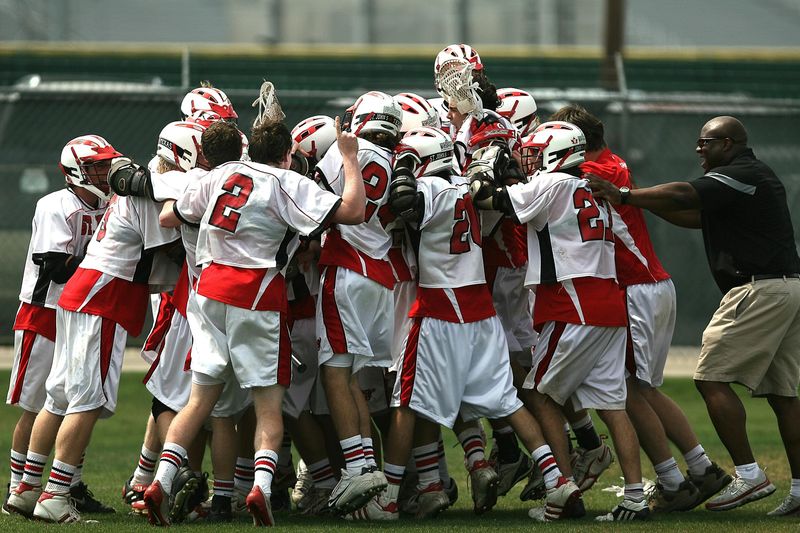
Not every guy cares about football scores, basketball brackets, or who won the big game last night.
The assumption that all men naturally love sports creates awkward social situations for those who would rather discuss books, cooking, or other interests.
Being expected to watch games or join fantasy leagues just to fit masculine stereotypes feels exhausting for non-sports fans.
This expectation extends into household dynamics when men feel pressured to spend weekends watching sports or teaching kids about athletics they don’t personally enjoy.
Some guys prefer hiking, theater, art, or quieter activities but feel judged for not embracing traditional sports culture.
Respecting individual interests rather than assuming all men must be sports enthusiasts creates happier, more authentic households.
10. Household Tech Support

Just because someone is male doesn’t mean they understand why the printer won’t connect or how to reset the router.
Automatically designating men as the family IT department creates constant interruptions and assumes a technical knowledge they may not possess.
Technology changes rapidly, and keeping up with every device and software issue is a full-time job in itself.
This expectation also undermines tech-savvy women and children who might actually be better at solving digital problems.
Many men feel frustrated being constantly called to fix technology when they’re equally confused by the issue.
Encouraging everyone to learn basic troubleshooting or using professional tech support services prevents one person from becoming the perpetually interrupted household help desk.
11. Financial Decision Making

Money management requires specific knowledge and skills that have nothing to do with gender.
The outdated expectation that men should control household finances places unfair pressure on them to be investment experts, budget wizards, and financial planners without proper training.
This responsibility becomes especially heavy when major decisions about mortgages, retirement, or large purchases fall solely on one person’s shoulders.
Financial stress is one of the leading causes of household conflict, and shouldering this burden alone makes it worse.
Many couples function better when both partners understand and participate in money management, bringing different perspectives to spending and saving decisions.
Sharing financial responsibilities reduces stress, promotes transparency, and ensures both people understand their household’s economic situation.
12. Outdoor Maintenance and Dirty Jobs

Gutter cleaning, power washing, and other messy outdoor tasks often get automatically assigned to men as if getting dirty is inherently masculine.
This creates an unfair division where one person handles all the unpleasant, physically demanding outdoor work while others avoid these responsibilities.
Some men have legitimate fears of heights that make gutter cleaning genuinely terrifying, yet they feel pressured to do it anyway.
These tasks also require specific safety equipment and knowledge to perform properly.
Expecting someone to climb ladders or use power tools without training or comfort can lead to serious accidents.
Hiring professionals for dangerous outdoor maintenance or rotating these responsibilities based on ability rather than gender creates safer, fairer households.
13. Being the Family Disciplinarian

The old phrase “wait until your father gets home” positions men as the household enforcers, which damages their relationships with children and partners alike.
Being cast as the permanent bad guy means missing opportunities for fun, nurturing interactions while being called in only for punishment and serious conversations.
This dynamic prevents men from showing their softer, more playful sides to their kids.
Children benefit from seeing both parents as sources of both comfort and discipline, not having roles rigidly divided.
This expectation also suggests that men are naturally more authoritative or intimidating, which reinforces harmful stereotypes.
Sharing discipline responsibilities allows both parents to maintain balanced, loving relationships with their children while teaching consistent family rules and values together.
Comments
Loading…