
 Jade Reed
12 Ways to Design a Life That Feels Good Daily

Imagine waking up every morning actually looking forward to your day. Designing a life that feels good is not about having everything perfect — it is about making small, smart choices that add up over time.
The routines you build, the priorities you set, and the way you spend your time all play a role in shaping how your life feels day to day. Even simple adjustments can make a big difference when practiced consistently. Anyone can build daily habits and routines that bring more joy, calm, and purpose. These twelve ideas will help you get started on creating a life that truly works for you.
1. Start Your Morning with Intention
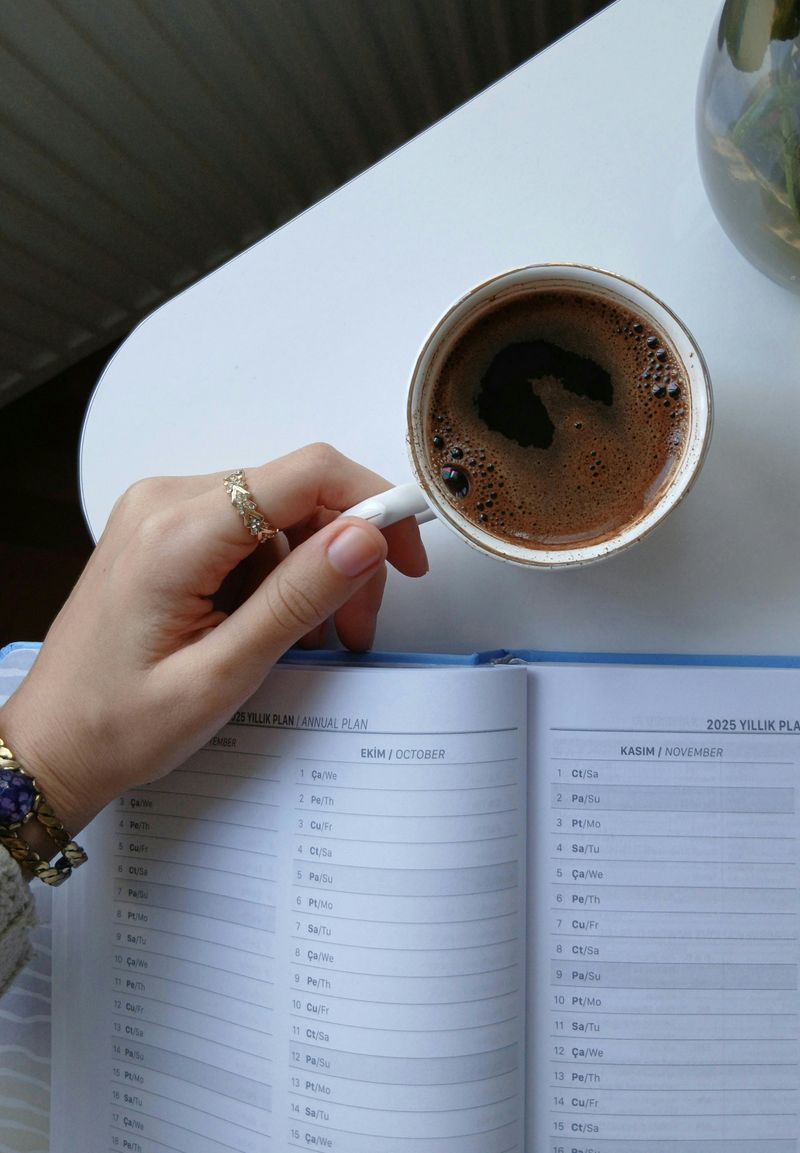
Picture this: you wake up and instead of grabbing your phone, you take five quiet minutes to think about what you want from the day.
Starting your morning with intention means deciding how you want to feel before the world gets loud.
It can be as simple as writing down three goals or saying one thing you are grateful for.
This small habit puts you in the driver’s seat of your own day.
Over time, purposeful mornings create a sense of calm that follows you for hours.
You set the tone — nobody else does.
2. Build a Routine That Actually Fits Your Life

Routines get a bad reputation for being boring, but a good one is actually freeing.
When you stop wasting energy deciding what to do next, you have more mental space for things that matter.
The trick is building a schedule around your real life — not someone else’s idea of a perfect day.
Start small by anchoring two or three daily habits to times that already work for you.
Maybe it is a short walk after lunch or reading before bed.
Consistency beats perfection every single time, and a routine built for you will actually stick.
3. Surround Yourself with People Who Lift You Up

Science backs it up — the people you spend time with have a massive influence on your mood, mindset, and even your health.
Choosing relationships that feel energizing rather than draining is one of the most powerful life design decisions you can make.
You do not need a huge social circle; a few genuinely supportive people go a long way.
Take a moment to notice how you feel after spending time with different people.
Do you feel recharged or exhausted?
Slowly shifting toward connections that feel warm and encouraging can change your whole outlook on daily life.
4. Move Your Body in Ways You Enjoy

Forget the idea that exercise has to mean grinding through a workout you hate.
Moving your body in ways that actually bring you joy — dancing, hiking, shooting hoops, or even a brisk walk with your dog — releases feel-good chemicals in your brain that improve your entire day.
The best movement is the kind you look forward to, not dread.
Try a few different activities until something clicks.
Even ten to fifteen minutes of enjoyable movement can lower stress, sharpen focus, and boost your mood in ways that carry into everything else you do.
5. Create a Space That Feels Like Home

Your environment shapes your emotions more than you might realize.
A cluttered, chaotic space can quietly add stress to your day without you even noticing it.
On the flip side, a space that feels comfortable, organized, and personal can actually make you feel calmer and more motivated.
You do not need to redecorate everything at once.
Start with one corner — add a plant, clear off a surface, or hang something that makes you smile.
Small changes to your physical space can have a surprisingly big impact on how you feel when you walk through the door.
6. Learn Something New Every Day

Did you know that learning new things actually keeps your brain sharper and happier?
Every time you pick up a new skill or piece of knowledge, your brain releases dopamine — the same chemical tied to pleasure and motivation.
That is a pretty good reason to stay curious.
Learning does not have to mean sitting in a classroom.
Listen to a podcast on your commute, watch a five-minute video about something you have always wondered, or try a new recipe.
Keeping your mind active and curious adds a layer of richness to daily life that is hard to replicate any other way.
7. Protect Your Energy with Healthy Boundaries

Saying yes to everything might feel helpful, but it often leaves you feeling empty and resentful.
Healthy boundaries are not walls — they are guidelines that protect your time, energy, and emotional wellbeing.
Learning to say no without guilt is one of the kindest things you can do for yourself.
Boundaries look different for everyone.
For some, it means not checking work emails after 7 p.m.
For others, it is limiting time with people who leave them feeling drained.
Once you start honoring your own limits, something shifts — your daily life begins to feel more like yours again.
8. Spend Time in Nature Regularly

There is a reason a walk outside can completely change your mood.
Research shows that spending time in natural settings lowers cortisol — the stress hormone — and helps your nervous system settle down.
Even a few minutes near trees, water, or open sky can reset your mental state.
You do not need to go on a wilderness expedition to get the benefits.
A local park, a garden, or even sitting near a window with natural light can work wonders.
Making nature a regular part of your week is one of the simplest and most effective ways to feel better daily.
9. Practice Gratitude Without Forcing It

Gratitude has become a buzzword, but the real thing is powerful when it comes from an honest place.
Noticing what is genuinely going well — even something as small as a good meal or a sunny afternoon — trains your brain to spot positivity more naturally over time.
Skip the pressure to feel grateful for everything.
Instead, aim for one or two real moments each day that you actually appreciated.
Write them down or just pause and acknowledge them mentally.
Over weeks and months, this quiet habit rewires how you experience everyday life in a meaningful, lasting way.
10. Align Your Time with What Truly Matters to You

Here is a question worth sitting with: does how you spend your time actually reflect what you care about most?
Many people feel unfulfilled because there is a gap between their values and their daily schedule.
Closing that gap — even slightly — can make a dramatic difference in how good life feels.
Think about your top three priorities.
Now look at your average week.
Are those priorities showing up?
If not, start making micro-adjustments.
Even carving out thirty minutes a week for something that genuinely matters to you begins to shift your sense of purpose and daily satisfaction.
11. Rest Like You Mean It

Rest is not laziness — it is fuel.
Yet so many people treat sleep and downtime as things to squeeze in after everything else is done.
Chronic tiredness quietly chips away at your mood, creativity, decision-making, and physical health.
Prioritizing real rest is one of the highest-return investments you can make.
Quality sleep starts with small habits: a consistent bedtime, a dark and cool room, and screens off at least thirty minutes before bed.
Beyond sleep, true rest also includes quiet time, daydreaming, and doing nothing on purpose.
Your best days are almost always built on the foundation of good rest.
12. Celebrate Small Wins Along the Way

Big goals take time, and waiting until the finish line to feel proud is a long, draining wait.
Celebrating small wins — finishing a tough task, showing up consistently for a week, or simply getting through a hard day — keeps your motivation alive and your confidence growing.
Acknowledgment does not have to be elaborate.
A mental note, a small treat, telling a friend, or checking something off a list can all count.
When you train yourself to recognize progress instead of only focusing on how far you still have to go, daily life starts to feel a lot more rewarding.
Comments
Loading…