
 Harper Hall
12 Ways Growing Up in a Pre-Smartphone World Still Shapes Us Today

Growing up before smartphones quietly shaped how we think, socialize, and handle everyday life in ways many people don’t realize.
We learned how to exist without constant stimulation, instant answers, or the pressure to document every moment.
Instead of scrolling, we talked, waited, explored, and figured things out the slow way.
Those experiences built habits and perspectives that still show up in adulthood, even if we don’t consciously notice them.
In a world driven by notifications and algorithms, those early lessons feel increasingly rare and valuable.
They influence how we handle boredom, relationships, trust, patience, and even self-confidence.
Looking back, the pre-smartphone era wasn’t just different—it trained us for resilience in subtle but powerful ways.
1. We’re Comfortable Being Bored

Growing up without smartphones meant boredom was unavoidable and surprisingly normal.
Long car rides, quiet afternoons, and waiting rooms forced us to sit with our thoughts instead of escaping them.
We learned how to entertain ourselves using imagination, observation, or simple creativity.
Boredom became a space where ideas formed rather than something to fear or immediately eliminate.
That comfort still shows up today when silence doesn’t automatically feel uncomfortable.
Many of us can unplug without anxiety because we remember life functioning just fine without constant stimulation.
This early exposure taught us that boredom isn’t a problem to solve but a state that often leads to clarity.
2. We Actually Remember Phone Numbers

Before smartphones stored everything, remembering phone numbers was a basic life skill.
We memorized family numbers, best friends’ lines, and emergency contacts without thinking twice.
That repetition strengthened memory muscles we still rely on in subtle ways today.
It trained our brains to retain information instead of outsourcing it immediately to technology.
Even now, many of us remember important numbers decades later without effort.
This habit created confidence in our own mental abilities rather than dependence on devices.
It’s a small reminder that our brains were once trusted tools, not just backups for apps.
3. We Value Face-to-Face Conversations

Socializing once meant showing up, making eye contact, and navigating real-time interactions.
We learned how to read tone, facial expressions, and pauses without digital cues.
Those experiences taught us how to listen instead of waiting for our turn to respond.
Conversations felt richer because they demanded presence and attention.
That foundation still affects how we connect with people today.
Many of us crave deeper conversations rather than surface-level digital exchanges.
Growing up this way made human connection feel essential rather than optional.
4. We Learned Independence Earlier
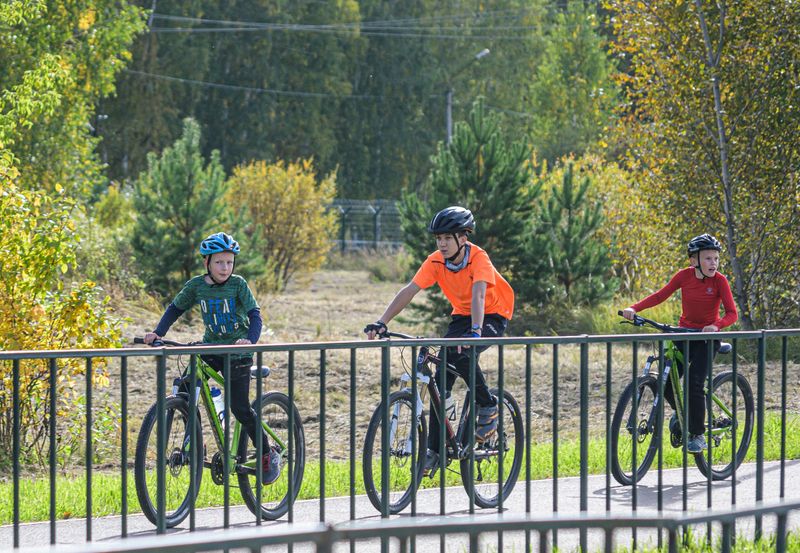
Without GPS or constant parental check-ins, independence came early and naturally.
We rode bikes across neighborhoods, knocked on doors, and solved problems on our own.
Mistakes weren’t instantly corrected by online searches or real-time advice.
That freedom built confidence through trial, error, and responsibility.
We learned to trust our instincts because there was often no backup plan.
Those experiences still influence how we approach unfamiliar situations today.
Early independence taught us resilience that doesn’t disappear with age.
5. We’re More Patient With Delayed Gratification

Waiting was built into everyday life before instant downloads and streaming.
Photos took days to develop, letters took weeks to arrive, and music required patience.
Those delays taught us that anticipation was part of the experience.
We learned how to wait without constant frustration or distraction.
That patience still shapes how we handle long-term goals today.
We’re often more willing to work steadily rather than expect immediate results.
Growing up this way normalized effort before reward in a lasting way.
6. We’re Skeptical of Everything We See Online
Growing up offline gave us a clear sense of reality before digital influence.
We remember life before misinformation spread at lightning speed.
That contrast makes us more cautious about what we read and share.
We’re less likely to accept viral claims without questioning the source.
Experience taught us that not everything presented confidently is true.
This skepticism acts as a protective filter in a crowded digital space.
It’s a skill rooted in knowing the difference between real life and screens.
7. We Know How to Be Fully Present

Moments once existed without the pressure to document them.
Birthdays, vacations, and everyday experiences were lived instead of recorded.
That habit trained us to focus on what was happening, not how it looked.
Being present felt natural because distractions were limited.
Many of us still value experiences more than capturing proof of them.
This mindset helps reduce comparison and performance-based living.
It’s a quiet advantage in a world obsessed with visibility.
8. We’re Better at Reading Social Cues

Without texting buffers, we learned social cues through real interactions.
Tone of voice, facial expressions, and body language mattered deeply.
Awkward moments couldn’t be edited or ignored with silence.
That exposure sharpened emotional awareness over time.
We became better at sensing discomfort, humor, or tension.
These skills still help us navigate workplaces and relationships today.
They’re reminders that communication is more than words alone.
9. We Don’t Expect Instant Replies
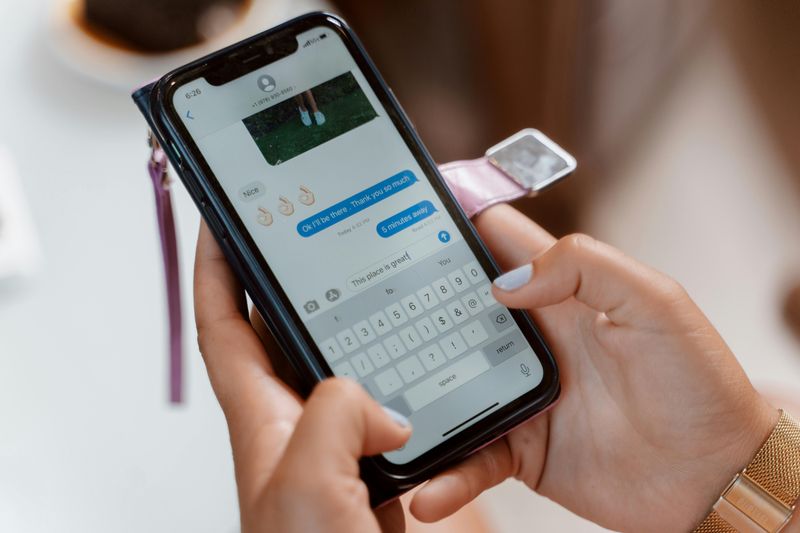
Communication once required patience by default.
Missed calls meant waiting instead of assuming rejection or avoidance.
That rhythm taught us emotional regulation around response times.
We didn’t equate silence with personal offense.
Those habits still affect how we manage expectations today.
Many of us don’t panic over delayed responses.
Growing up this way normalized space in communication.
10. We Separate Real Life From “Highlight Reels”
Growing up without curated feeds shaped how we view success and happiness.
We remember life before constant comparison.
That memory makes it easier to recognize online perfection as incomplete.
We’re less likely to measure ourselves against filtered realities.
Experience taught us that struggle exists behind every polished image.
This awareness protects mental health in subtle ways.
It reminds us that real life isn’t meant to look staged.
11. We’re Resourceful Problem-Solvers

Without Google, solutions required creativity and persistence.
We asked questions, experimented, and learned through experience.
Failure was part of the process instead of something to avoid.
That mindset still influences how we approach challenges today.
We’re more willing to try before searching for answers.
Resourcefulness became a habit rather than a strategy.
It’s a skill rooted in necessity, not convenience.
12. We Appreciate Technology Without Being Fully Dependent on It

We remember life functioning without constant connectivity.
That memory gives us perspective on what technology adds versus replaces.
We use smartphones as tools rather than lifelines.
Disconnection doesn’t feel like deprivation.
We know convenience isn’t the same as fulfillment.
This balance helps us avoid burnout and digital exhaustion.
Growing up pre-smartphone taught us that life exists beyond screens.
Comments
Loading…