
 Isabel Parker
12 Things We Used to See in Every Home That Are Now Almost Gone

Remember when every living room had a set of encyclopedias gathering dust on the shelf, or when rotary phones sat proudly on kitchen counters? Times have changed dramatically, and many household staples from just a few decades ago have quietly disappeared from our homes.
Technology, lifestyle shifts, and modern conveniences have replaced items that once seemed absolutely essential. Take a walk down memory lane as we explore twelve things that used to be everywhere but are now fading into nostalgia.
1. Wall-Mounted Landline Telephones
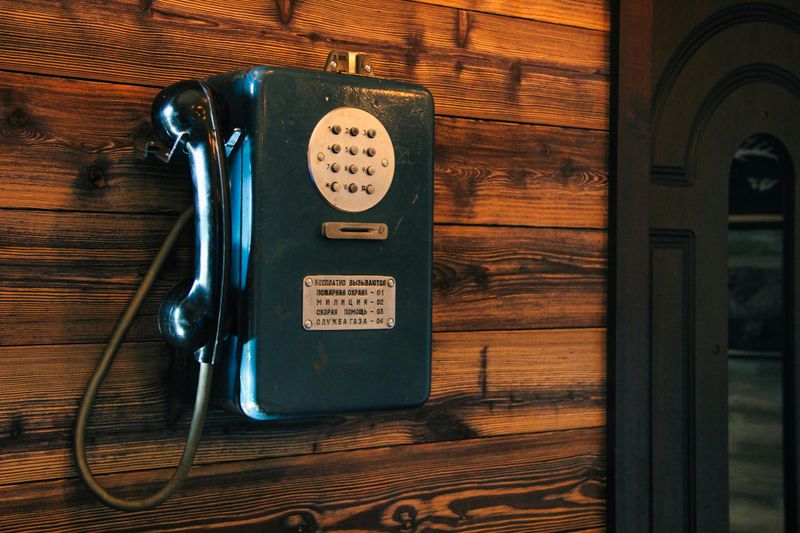
Kitchens across America once featured those classic wall phones with their long, curly cords that somehow always got tangled.
Families gathered around them, stretching the cord into hallways for private conversations.
The phone book sat nearby, thick as a brick, listing every neighbor in town.
Smartphones made these bulky devices obsolete almost overnight.
Nobody needs a phone tethered to the wall when everyone carries one in their pocket.
The satisfying slam of hanging up after an argument?
That’s gone too, replaced by tapping a screen.
Some folks miss the simplicity of having just one phone number for the whole household.
2. Encyclopedia Sets
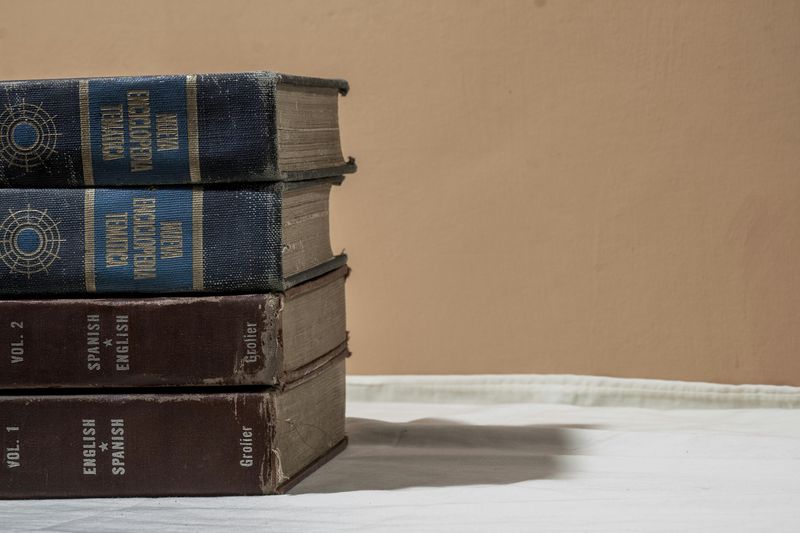
Those massive book collections lined living room shelves in practically every home, their spines arranged alphabetically from A to Z.
Parents spent small fortunes buying complete sets from door-to-door salespeople, convinced their children needed them for school success.
Heavy, expensive, and outdated almost immediately, they represented knowledge and sophistication.
Wikipedia and Google transformed how we access information forever.
Why flip through twenty volumes when you can search anything instantly on your phone?
The last printed Encyclopedia Britannica rolled off presses in 2010, marking the end of an era.
Many families kept their sets long after they stopped using them, unable to part with such an investment.
3. China Cabinets with Fine Dishes
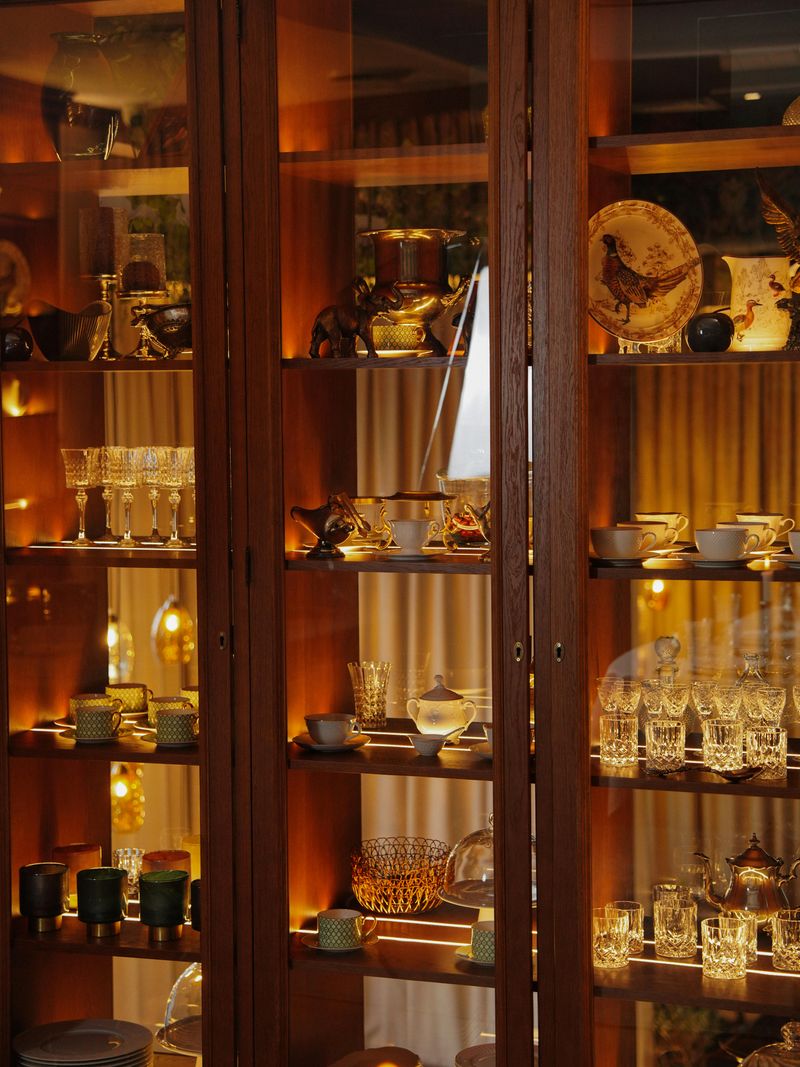
Formal dining rooms showcased beautiful wooden cabinets filled with fancy plates, crystal glasses, and silverware that sparkled behind glass doors.
Grandmothers polished these treasures religiously, saving them for special occasions that came maybe twice a year.
The cabinet itself was often an heirloom, passed down through generations with pride.
Casual dining culture and smaller homes pushed these formal pieces into storage or estate sales.
Young families prefer everyday dishes they can throw in the dishwasher without worry.
Open-concept living spaces leave little room for bulky furniture that serves mostly decorative purposes.
Thrift stores overflow with abandoned china sets nobody wants anymore.
4. VHS Tape Collections
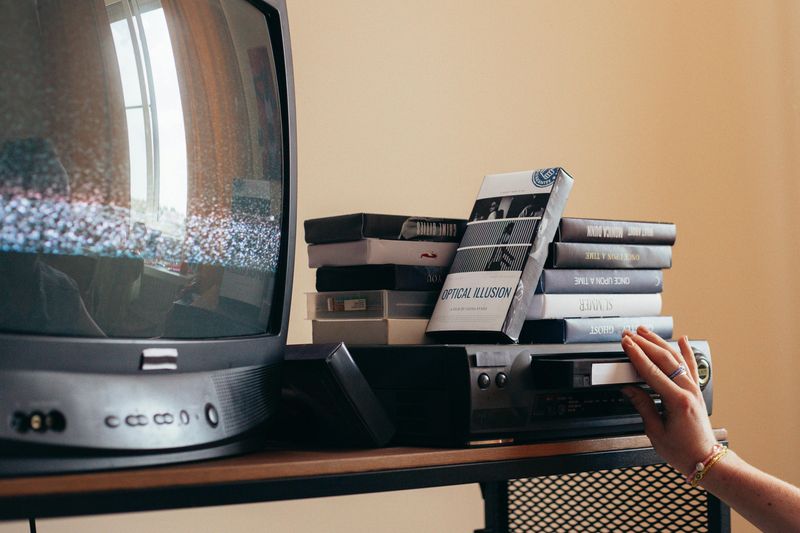
Entertainment centers groaned under the weight of dozens, sometimes hundreds, of chunky black videotapes.
Families recorded favorite shows, rented movies from Blockbuster, and carefully rewound tapes before returning them.
Shelves dedicated entirely to VHS storage became standard furniture in dens and living rooms nationwide.
DVDs arrived first, then streaming services delivered the knockout punch to VHS technology.
Tapes degraded over time, losing picture quality with each viewing.
The ritual of physically inserting media into a player feels ancient now that everything streams wirelessly.
Most VHS collections ended up in landfills or donation bins, their content now accessible with a remote click.
5. Printed Photo Albums
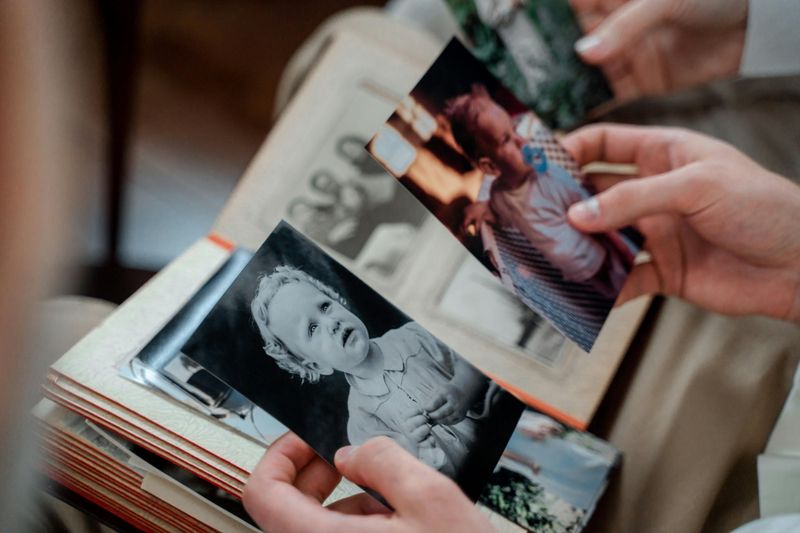
Coffee tables displayed thick albums with plastic-covered pages holding carefully arranged family photographs.
People actually printed every picture from their vacation film rolls, organizing them chronologically with handwritten captions.
Flipping through albums became a beloved activity when relatives visited, sparking stories and laughter.
Digital photography changed everything about how we store and share memories.
Thousands of photos now live on phones and cloud storage, rarely seen after the initial posting on social media.
The tactile pleasure of turning album pages and touching actual photographs has nearly vanished from daily life.
Ironically, those old albums often contain the only surviving copies of precious family moments from decades past.
6. Answering Machines
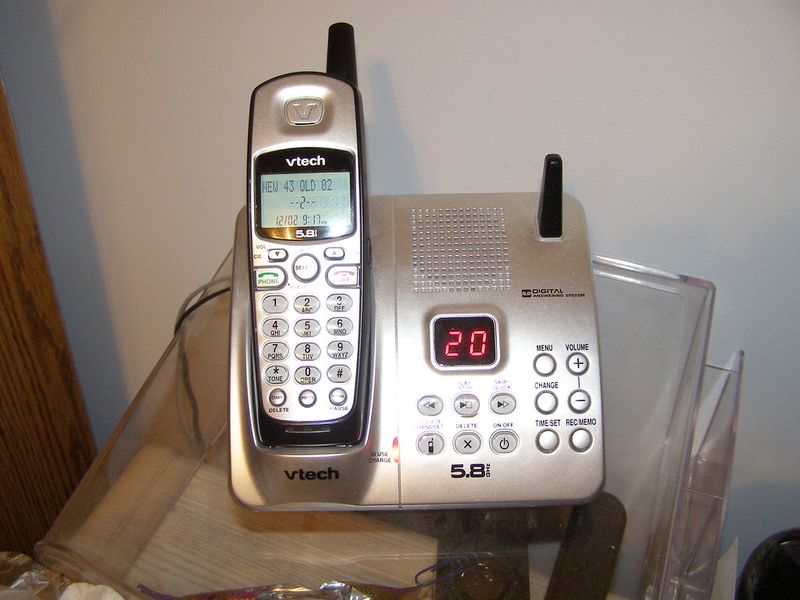
That blinking red light greeted you when arriving home, signaling messages waiting on the bulky machine beside your phone.
Callers spoke to a tape recorder after hearing your awkward pre-recorded greeting.
Families gathered around to listen together, sometimes saving important messages for months.
Voicemail built into cell phones made standalone answering machines completely unnecessary.
The ritual of checking messages when you walked through the door disappeared along with the devices themselves.
Younger generations have never experienced the anticipation of that blinking light or the disappointment of no new messages.
Some people still remember their friends’ outgoing messages word-for-word from calling so frequently.
7. TV Guides and Newspaper Listings
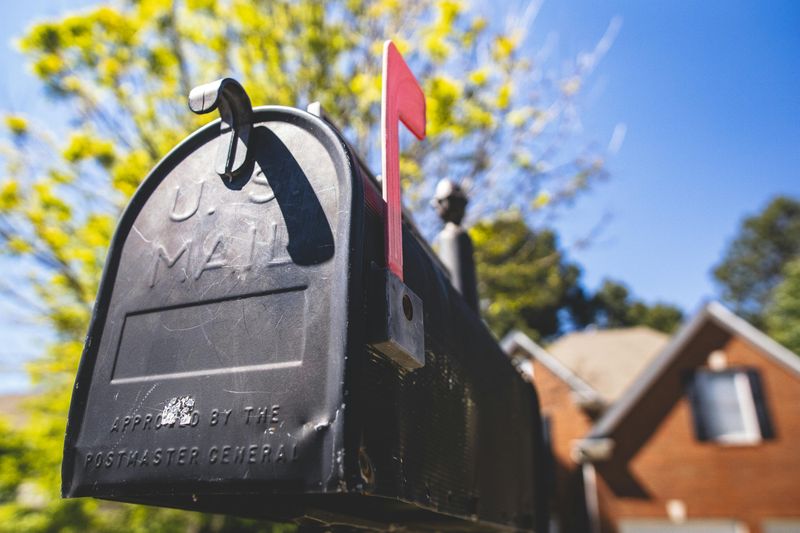
Planning your weekly viewing required consulting the TV Guide magazine that arrived in mailboxes religiously.
Families circled shows they wanted to watch, negotiating who controlled the television when.
The grids of tiny print listed every program, with special features highlighting upcoming episodes and movies.
On-screen channel guides and streaming menus eliminated the need for printed schedules entirely.
Binge-watching whole seasons whenever you want replaced the suspense of waiting for next week’s episode.
Missing your favorite show because you forgot what time it aired is now an alien concept to younger viewers.
Collectors sometimes seek vintage TV Guides for their nostalgic covers and advertisements from bygone eras.
8. Sewing Machines and Mending Baskets
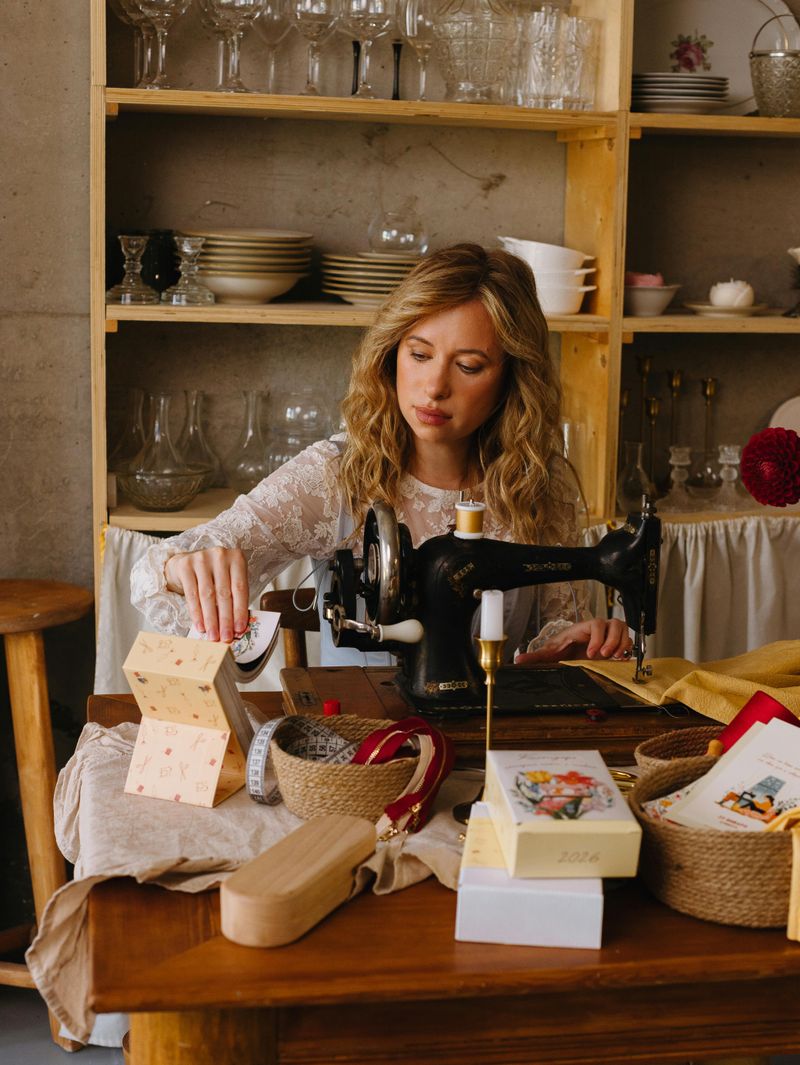
Nearly every household kept a sewing machine tucked in a closet or dedicated corner, ready to hem pants or repair torn clothing.
Baskets overflowed with buttons, thread spools, and fabric scraps for patching holes.
Mending clothes was a regular evening activity, extending the life of garments through multiple repairs.
Fast fashion made buying new cheaper and easier than fixing old items.
Sewing skills that mothers once taught daughters have largely disappeared from family traditions.
When something rips now, most people just toss it and order a replacement online within minutes.
The few remaining sewing enthusiasts often learn from YouTube videos rather than family members passing down knowledge.
9. Desktop Computers with Towers
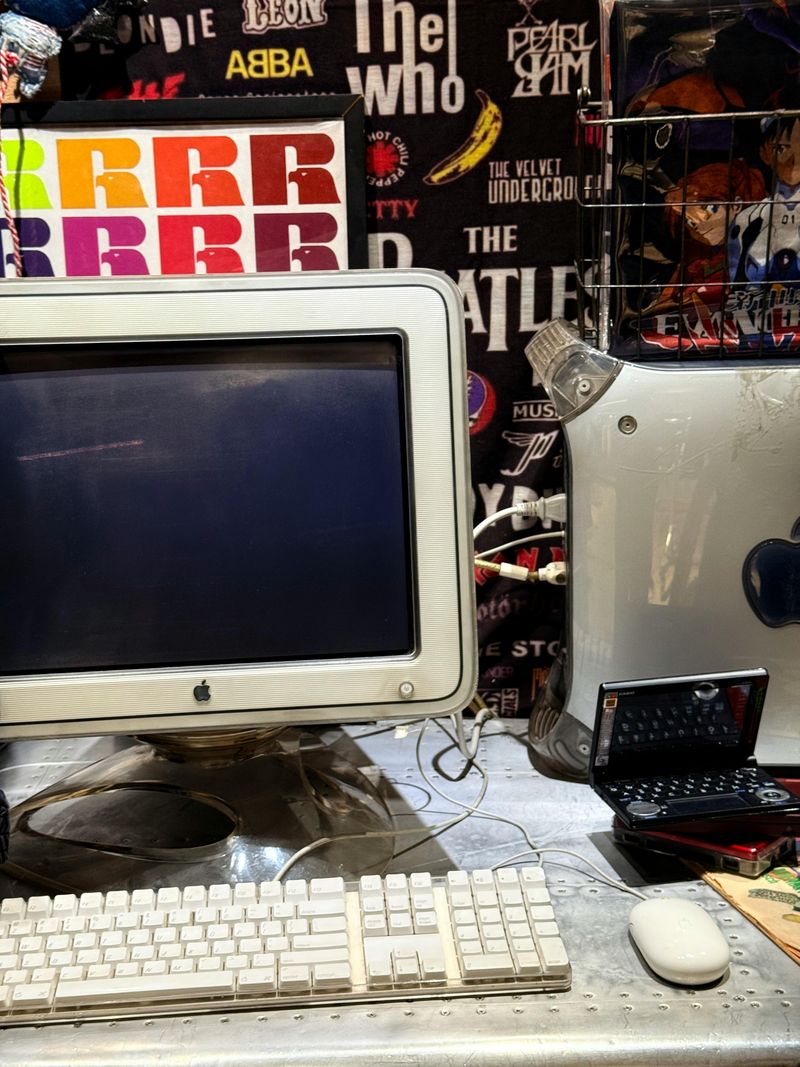
Dedicated computer desks held massive towers humming loudly beside bulky monitors that took up half the workspace.
Cables snaked everywhere, connecting keyboards, mice, printers, and speakers in tangled messes.
Families shared one computer, taking turns and saving files on floppy disks or CDs.
Laptops, tablets, and smartphones scattered computing power throughout homes and eliminated the need for dedicated computer rooms.
The whirring sounds of hard drives and cooling fans disappeared as devices became silent and portable.
Working from the couch, bed, or kitchen table replaced sitting at that special desk in the spare bedroom.
Some offices still use towers, but residential homes rarely dedicate space to stationary computers anymore.
10. Printed Maps and Road Atlases
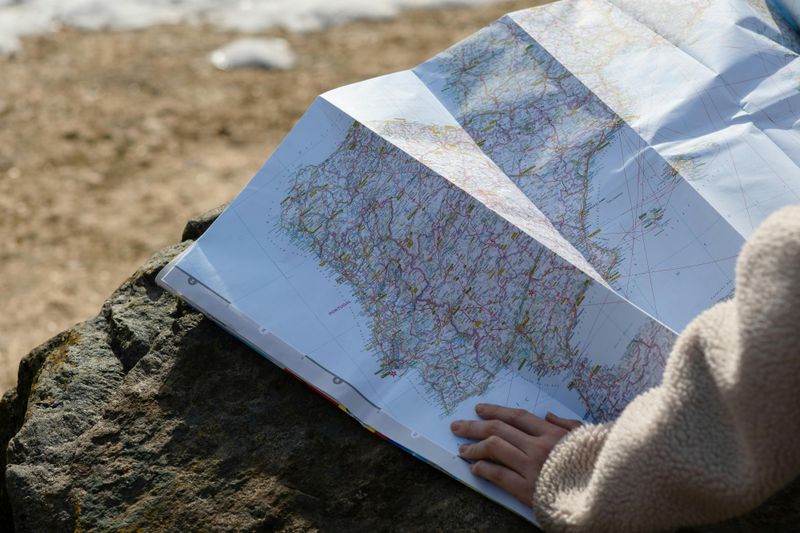
Glove compartments stuffed with folded maps that never refolded correctly became standard in every vehicle.
Road atlases with detailed state-by-state pages helped families navigate cross-country trips.
Gas stations sold local maps, and people actually pulled over to study them when lost.
GPS navigation and smartphone maps made paper directions instantly obsolete.
Nobody argues about map-reading anymore or makes wrong turns because they misread the tiny print.
The skill of orienting yourself using a physical map has become as rare as cursive handwriting among younger drivers.
Old atlases occasionally surface in garage sales, reminding us how recently we navigated without satellites guiding every turn.
11. Rolodexes and Address Books
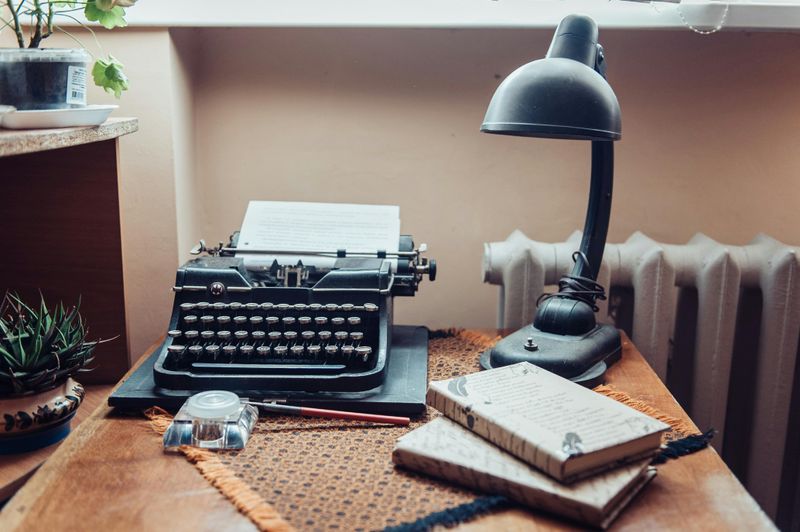
Desks featured those spinning card holders filled with handwritten contact information for everyone you knew.
Address books with alphabetized tabs sat by telephones, pages filled with crossed-out numbers and updated addresses.
Losing your Rolodex meant losing your entire network in one devastating moment.
Smartphones store thousands of contacts with automatic backups to the cloud, making physical address storage seem ridiculously primitive.
Nobody writes down phone numbers anymore or memorizes more than a handful of important ones.
The personal touch of recognizing someone’s handwriting in your address book vanished with digital contact lists.
Antique Rolodexes now serve as quirky desk decorations in retro-themed offices rather than functional tools.
12. Formal Living Rooms Nobody Used
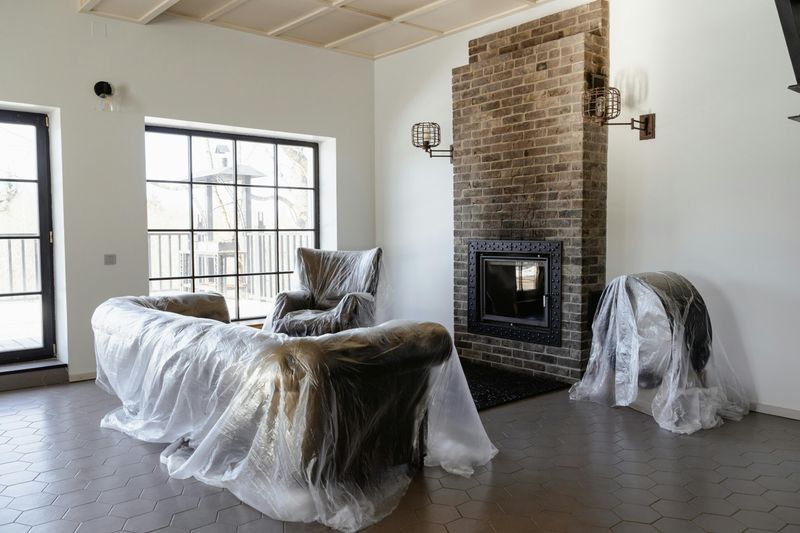
Houses featured pristine front rooms with fancy furniture covered in plastic, reserved exclusively for company that rarely came.
Families lived in dens or family rooms while the formal living room remained untouched, almost museum-like in its perfection.
Walking through required careful steps to avoid disturbing the decorative pillows arranged just so.
Open floor plans and casual lifestyles eliminated these wasted spaces from modern home designs.
People now prefer functional rooms they actually use daily over showpiece areas collecting dust.
The plastic furniture covers grandma loved became symbols of impractical decorating that younger generations actively avoid.
Real estate agents now emphasize flexible spaces rather than formal rooms when selling homes to contemporary buyers.
Comments
Loading…