
 Hailey Watson
12 Things People Think Make Them Sophisticated (But Don’t)

A lot of what people label as “sophisticated” is really just a costume made of clichés.
Somewhere along the way, we got the idea that refinement looks like expensive tastes, obscure references, and a carefully curated personality that never cracks.
In reality, true sophistication is quieter than that, and it has less to do with flexing and more to do with ease.
It shows up in how you treat people, how you communicate, and how you carry yourself when nobody’s watching.
If you’ve ever tried to sound more cultured, more polished, or more “grown,” you’re not alone.
The funny part is that the habits people lean on to appear elevated often do the opposite.
Here are twelve of the most common ones—and why they don’t land the way people think they do.
1. Name-dropping wines (without knowing anything about them)

Trying to sound knowledgeable by tossing out wine regions and bottle names usually backfires when the details don’t match the confidence.
People can tell the difference between genuine enthusiasm and a performance, especially when someone talks about a “rich, sweet Pinot Noir” or insists every expensive bottle automatically tastes better.
The awkward moment isn’t the lack of expertise, either, because nobody expects you to be a sommelier at dinner.
What reads as unsophisticated is the need to prove you belong, as if sophistication is a club with a secret handshake.
If you actually enjoy wine, curiosity goes further than bravado, and asking a question can look far more polished than pretending you already know the answer.
2. Using big words when simple ones work

Overcomplicating your language can sound less like intelligence and more like you’re auditioning for a role.
There’s a big difference between having a strong vocabulary and using it like armor, especially when everyday conversations start to feel like a formal presentation.
People aren’t impressed by “utilize” or “endeavor” when “use” and “try” would do, and the message can get lost under the weight of the wording.
The most sophisticated communicators tend to make things clearer, not foggier, because they understand that clarity is a kindness.
If you want to sound polished, aim for precision rather than grandeur.
Confidence shows up when you don’t need your sentences to prove anything on your behalf.
3. Ordering black coffee and shaming everyone else’s drink

Some people treat black coffee like a badge of adulthood, as if bitterness automatically equals refinement.
The problem starts when that choice comes with commentary, like rolling eyes at caramel lattes or calling sweet drinks “dessert in a cup” to feel superior.
That kind of attitude doesn’t communicate taste; it communicates insecurity and a need to rank other people’s preferences.
Sophistication has never been about policing what others enjoy, especially when something as harmless as a flavored drink becomes a personality test.
If you love your coffee plain, that’s great, but it’s the smugness that ruins the vibe.
The most polished people can appreciate their own choices without turning them into a critique of everyone else’s.
4. Having one ‘fancy’ hobby purely for the aesthetic

Buying a hobby for the image, rather than the experience, is one of the quickest ways to make it feel hollow.
It’s easy to get swept up in the idea that chess, calligraphy, classical music, or watercolor painting signals taste, especially when those interests photograph well.
But when the supplies sit untouched and the interest never moves past the fantasy, it starts to look like you’re collecting identities instead of learning anything.
A sophisticated person doesn’t need to be seen as cultured; they simply enjoy what they enjoy and let it develop naturally.
If you want a “fancy” hobby, pick something you genuinely like, even if you’re bad at first, because commitment and curiosity look far more refined than a perfectly staged starter kit.
5. Acting above pop culture

Dismissing popular music, reality shows, or trending movies as “lowbrow” is a common shortcut people use to sound intellectual.
Unfortunately, it usually comes across as snobby, especially when the person hasn’t actually engaged with what they’re critiquing.
Pop culture is a shared language, and being able to participate—even lightly—often signals social awareness rather than shallowness.
Sophistication isn’t about proving you’re too good for what other people enjoy, because that’s just another form of needing approval.
If something isn’t your taste, that’s fine, but superiority is a loud look.
The most genuinely cultured people can discuss both the latest blockbuster and a classic novel without acting like one cancels out the other.
6. Dropping random foreign phrases mid-sentence

Sprinkling in a foreign phrase can sound charming when it’s natural, but it gets awkward fast when it’s used like a shortcut to seem worldly.
People notice when “bon appétit” turns into an entire personality, especially if it’s paired with a smug tone or mispronounced with absolute confidence.
What makes it feel unsophisticated isn’t the language itself, because multilingualism is genuinely valuable, but the performative use of it to elevate yourself over the room.
True sophistication doesn’t rely on little tricks to signal status; it relies on comfort and respect.
If you love languages, learning them deeply and using them appropriately is impressive in the quietest way.
Otherwise, a simple, sincere comment will always sound better than a forced flourish.
7. Being rude to servers to look important
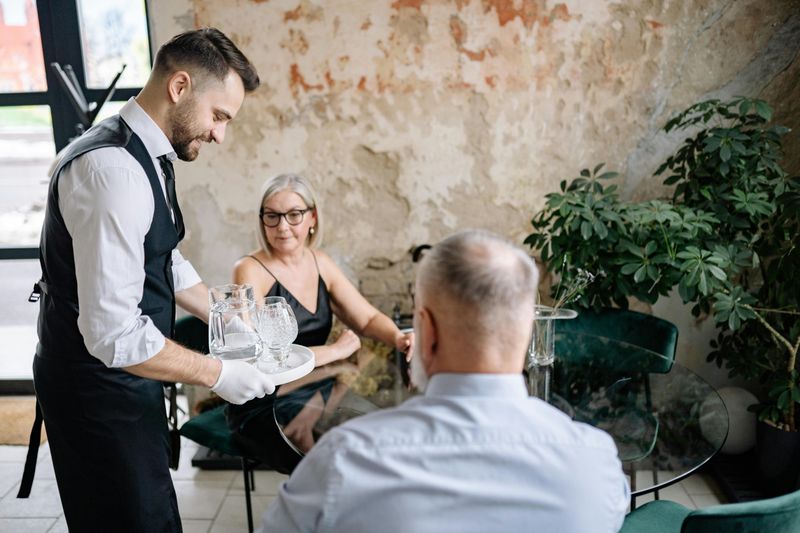
Nothing kills the illusion of sophistication faster than treating service workers like they’re beneath you.
Some people mistake impatience for power, assuming that being demanding or dismissive makes them look high-status, when it actually makes them look insecure and unpleasant.
Real refinement is obvious in how you behave when you could get away with being rude, not in how loudly you assert yourself in public.
Servers aren’t there to be a stage for your importance, and the people around you notice more than you think.
If you want to look polished, communicate clearly, say please and thank you, and handle mistakes with grace.
The most sophisticated person at the table is often the one who makes everyone else feel comfortable.
8. Wearing obvious logos as a substitute for style

Big designer logos can feel like an instant upgrade, but they often read more like a billboard than a fashion choice.
When the label is doing all the talking, it suggests the outfit is relying on price rather than taste, and the effect can lean flashy instead of refined.
Sophistication in style usually comes from fit, balance, and knowing what suits you, not from making sure strangers can identify what you bought.
That doesn’t mean you can’t love designer pieces, but when the goal is validation, the look loses its elegance.
A smaller logo, a classic silhouette, or a well-made item without branding often appears more expensive than something screaming for attention.
Subtlety is a big part of what people actually associate with “class.”
9. Posting “classy” experiences like a résumé
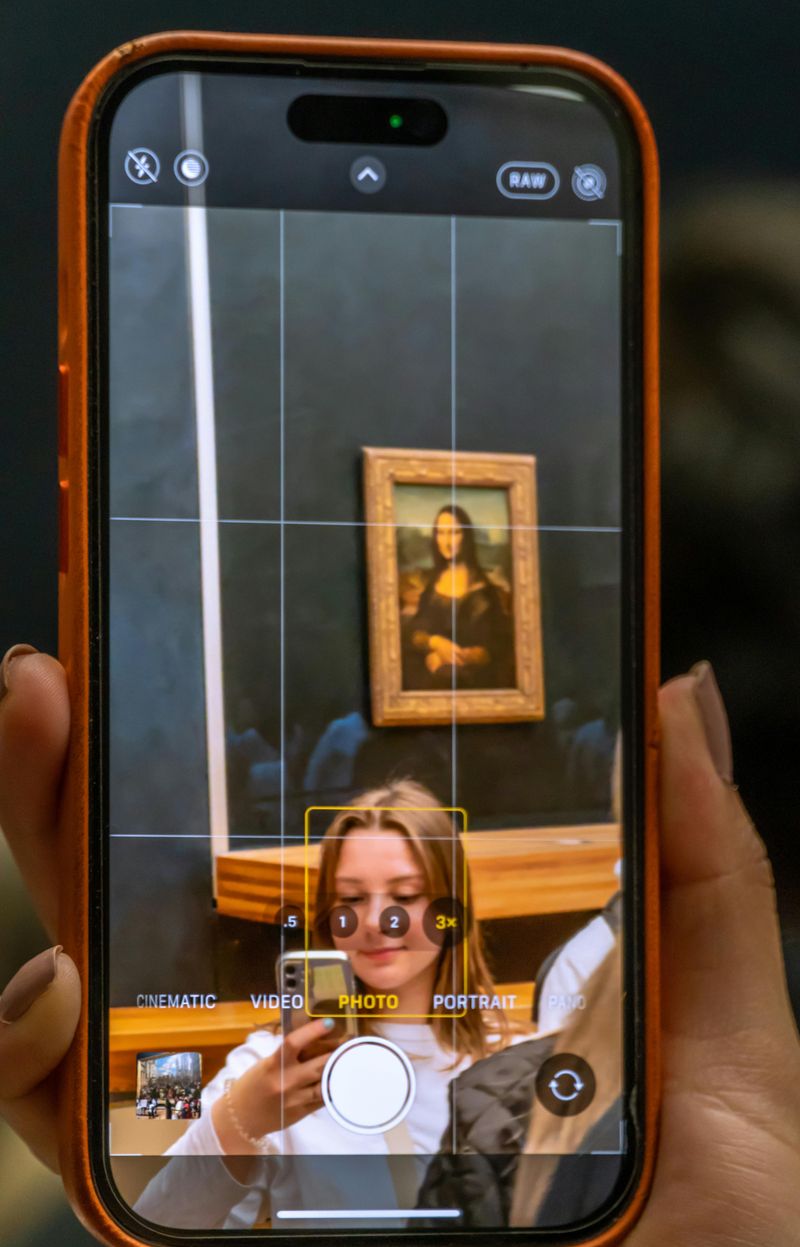
Curating your life online can be fun, but there’s a point where it starts to feel like you’re building a portfolio of sophistication instead of living it.
Museum selfies, airport lounge shots, and carefully angled champagne glasses can read less like joy and more like proof, as if the experience doesn’t count unless it’s documented.
People can sense when the goal is social capital rather than genuine enjoyment, and that’s where the “sophisticated” vibe falls apart.
True refinement tends to look relaxed, because it isn’t trying to convince anyone.
If you want to share moments, share them because they matter to you, not because they signal status.
The irony is that the more you chase the polished image, the more it can look like you’re performing for an audience.
10. Collecting expensive “adult” décor you don’t actually like

A home can look put-together without looking like a showroom, yet many people buy décor that feels “grown-up” instead of décor that feels like them.
You end up with neutral everything, decorative bowls, and coffee-table books you never open, all chosen because they seem sophisticated on Instagram.
The result can feel sterile, like your space is trying to impress someone who doesn’t even live there.
Real sophistication in a home is comfort paired with intention, not a checklist of trendy pieces that don’t reflect your tastes.
If you love color, art, quirky objects, or sentimental items, those can still be refined when styled thoughtfully.
The most polished homes usually feel personal, because confidence shows up when you stop decorating for approval and start decorating for your actual life.
11. Pretending you’re too busy for everyone

Some people use “I’m swamped” as a status symbol, assuming that constant busyness makes them look important.
It can, but not in the way they think, because acting unavailable on purpose often looks like a power play rather than a full life.
Delayed replies, vague plans, and the habit of name-dropping your packed schedule can make people feel like they’re being managed instead of valued.
Sophistication includes social intelligence, and socially intelligent people know that respect is shown through consistency and consideration.
You don’t have to be instantly available, but you do have to be honest and kind about your limits.
A simple, timely response and clear communication always reads more polished than disappearing to seem in demand.
12. Correcting people’s manners in public

Pointing out etiquette mistakes might feel like you’re maintaining standards, but it usually comes across as controlling and embarrassing.
Publicly correcting how someone holds a fork, pronounces a word, or orders their meal is rarely helpful, because the point isn’t refinement; it’s dominance.
Sophisticated people understand that making others comfortable is more important than proving you’re correct, and they know that kindness is the real social skill.
If you genuinely want to help someone, you can do it privately and gently, or you can model the behavior without commentary.
Politeness isn’t a weapon, and etiquette isn’t meant to humiliate people who didn’t grow up with the same rules.
In the end, grace is what people remember, not your ability to spot a minor faux pas.
Comments
Loading…