
 Chloe Peterson
12 Things Introverts Secretly Wish People Understood

Introverts often feel misunderstood in a world that seems to celebrate being outgoing and social. Many people mistakenly think introverts are shy, unfriendly, or antisocial, but that’s not the truth at all. Understanding what introverts really need can help build stronger friendships and create more comfortable environments for everyone. Here are twelve honest truths that introverts wish more people knew about them.
1. Silence Doesn’t Mean Something’s Wrong

Being quiet doesn’t automatically signal sadness or anger for introverts.
Sometimes silence is simply their natural state, a comfortable place where they feel most at ease.
While extroverts might fill every gap with conversation, introverts recharge through peaceful moments.
They’re not ignoring you or upset about something you said.
Instead, they’re processing thoughts, observing their surroundings, or simply enjoying the calm.
Constant questions like “Are you okay?” or “Why are you so quiet?” can actually make them feel more uncomfortable.
Accepting their quietness without judgment shows real understanding and respect for how they naturally operate in the world.
2. Social Energy Has Limits

Imagine your phone battery draining throughout the day—that’s how social interactions affect introverts.
Every conversation, group activity, and social gathering uses up their energy reserves.
This isn’t about disliking people or being rude.
Their brains are simply wired differently, requiring alone time to recharge after being around others.
Leaving a party early or declining invitations doesn’t mean they didn’t have fun or don’t value the friendship.
It means they’ve recognized their limits and need to restore their energy.
Pushing them to stay longer or making them feel guilty only adds stress to an already depleting situation.
3. Small Talk Feels Exhausting

“How’s the weather?” might seem like an easy conversation starter, but for introverts, it feels like running on a treadmill—lots of effort with no real progress.
They crave meaningful discussions about ideas, feelings, and interesting topics.
Surface-level chatter about nothing important drains their limited social energy faster than deeper conversations.
This doesn’t make them snobby or difficult.
Their brains just prefer substance over fluff.
When you skip the small talk and jump into real topics, you’ll notice introverts become more engaged and animated.
They’d rather have one genuine conversation than ten shallow ones.
4. Alone Time Isn’t Loneliness

There’s a huge difference between being alone and feeling lonely, though many people confuse the two.
Introverts actively seek solitude because it helps them think clearly, process emotions, and restore their energy.
They’re not sitting around feeling sad or isolated during this time.
Instead, they’re doing activities they enjoy—reading, creating art, listening to music, or simply thinking.
Trying to “rescue” them from alone time or constantly inviting them out can feel intrusive.
They’ll reach out when they’re ready for company.
Respecting their need for solo hours shows you truly understand their personality.
5. We’re Listening More Than Speaking

Just because introverts aren’t dominating the conversation doesn’t mean they’re checked out.
Actually, they’re often the most attentive people in the room, absorbing every word and thinking carefully before responding.
They prefer quality over quantity when it comes to speaking.
While others jump in quickly, introverts take time to formulate thoughtful responses.
This makes them excellent listeners and trusted friends who remember important details.
Their contributions might be less frequent, but they’re usually more considered and meaningful.
Don’t mistake their silence for disinterest—they’re processing everything and will speak when they have something valuable to add.
6. Large Groups Feel Overwhelming

Walking into a room packed with people can feel like sensory overload for introverts.
Multiple conversations happening simultaneously, loud music, and constant stimulation quickly become too much to handle.
Their preference for smaller gatherings isn’t about being antisocial.
Big crowds make it impossible to have the meaningful connections they value.
They’d rather spend time with two close friends than attend a party with fifty acquaintances.
When they suggest hanging out one-on-one instead of joining the group, it’s not rejection.
They’re choosing quality interaction over overwhelming chaos, creating space for genuine connection that large settings rarely allow.
7. Phone Calls Require Mental Preparation

That ringing phone might as well be an alarm bell for many introverts.
Unexpected calls trigger anxiety because they demand immediate social energy without warning.
There’s no time to prepare what to say or gather thoughts beforehand.
Texting feels safer because it allows time to craft responses and control the pace of conversation.
This isn’t about avoiding people or being rude.
Introverts simply prefer communication methods that don’t require instant reactions.
Scheduling calls in advance or sending a text first shows consideration for their comfort.
They’ll be more relaxed and engaged when they’ve had time to mentally prepare.
8. We Need Advance Notice for Plans

“Want to hang out right now?” can send introverts into instant panic mode.
Spontaneous invitations disrupt the mental preparation they need for social situations.
They’ve likely already planned their alone time and aren’t emotionally ready to switch gears.
Saying no to last-minute plans doesn’t mean they don’t want to see you.
It means they need time to mentally prepare for social interaction.
Giving them a few days’ notice makes a huge difference.
They can look forward to the event, prepare themselves mentally, and show up as their best selves instead of feeling rushed and drained.
9. We’re Not Shy or Socially Awkward
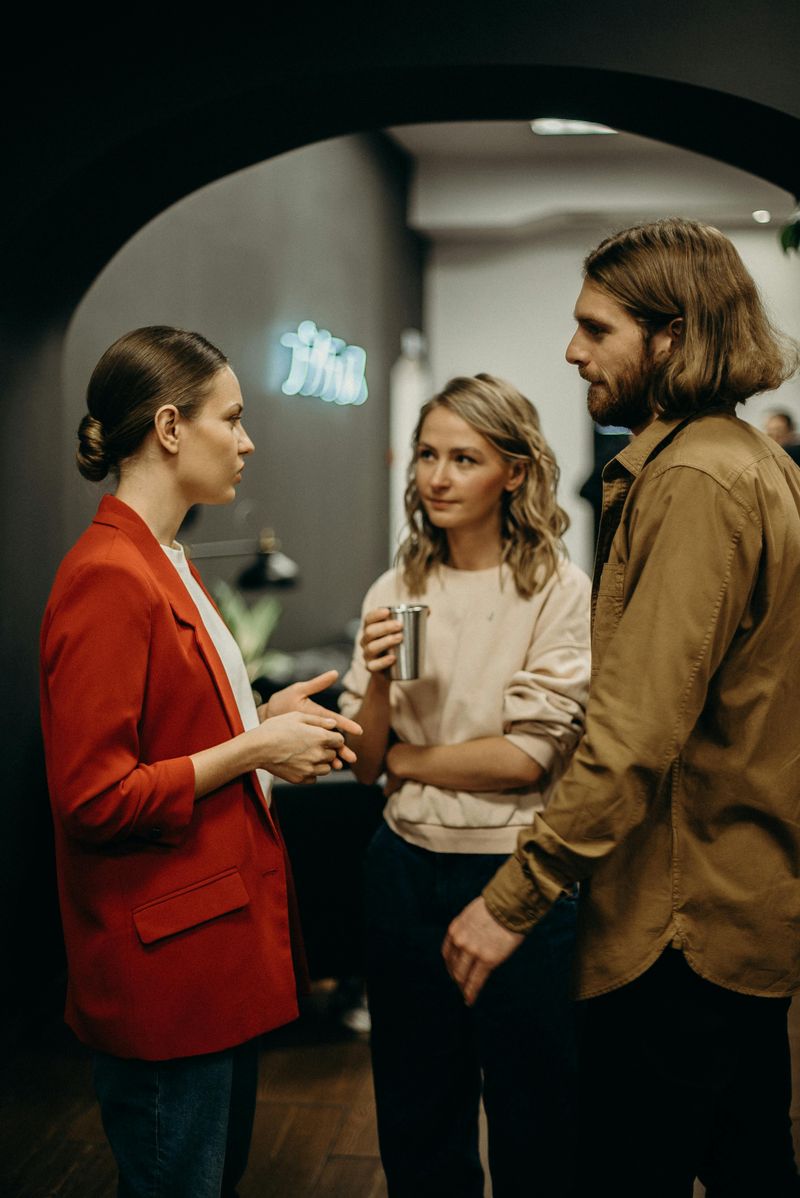
Introversion and shyness are completely different things, though people constantly mix them up.
Shy people fear social judgment, while introverts simply prefer less stimulation.
Many introverts are confident, articulate, and comfortable in social settings—they just need breaks afterward.
They can give presentations, lead meetings, and handle conversations just fine.
The difference is what happens later: they need recovery time.
Assuming all introverts lack social skills or confidence is inaccurate and frustrating.
They’ve simply chosen to manage their energy differently, prioritizing meaningful interactions over constant socializing.
Their quietness reflects preference, not inability.
10. Canceling Plans Isn’t Personal

When introverts cancel plans, it rarely has anything to do with you personally.
They might have overestimated their social energy for the week or simply need more recharge time than expected.
Life as an introvert means constantly balancing social commitments with energy levels.
Sometimes that balance tips, and they need to prioritize their mental health.
Guilt-tripping them or taking offense makes future interactions stressful.
Understanding friends recognize that cancellations aren’t rejections.
They’re self-care decisions that allow introverts to show up fully present when they do socialize.
Flexibility and understanding strengthen these friendships rather than damage them.
11. We Prefer Meaningful Connections Over Many Friends

Quality beats quantity every single time for introverts when it comes to friendships.
They’d rather have three close friends who truly understand them than thirty casual acquaintances.
Building deep connections takes energy, so they invest it carefully.
These meaningful relationships provide the emotional fulfillment they crave.
Surface-level friendships feel empty and exhausting by comparison.
This selective approach doesn’t make them unfriendly or exclusive.
They’re simply protective of their limited social energy and want to spend it on relationships that matter.
If an introvert considers you a close friend, know that you’ve earned a special place in their carefully curated inner circle.
12. We’re Happy Just the Way We Are

Perhaps the most important thing to understand: introverts don’t need fixing.
Comments like “You should get out more” or “Try being more social” suggest something’s wrong with their personality.
There isn’t.
They’re not incomplete extroverts waiting to transform.
Introversion is a valid, healthy personality trait with its own strengths.
Introverts contribute thoughtfulness, deep listening, and meaningful connections to the world.
Trying to change them sends the message that who they are isn’t good enough.
True acceptance means celebrating their introverted nature rather than wishing they were different.
They’re genuinely content being themselves.
Comments
Loading…