
 Isabel Parker
12 Things ’80s Parents Refused to Do That Are Normal Today

Parenting has changed a lot since the 1980s.
Back then, kids roamed the neighborhood until dark, settled their own arguments, and rarely saw a parent step in to smooth things over.
Fast forward to today, and the parenting playbook looks almost completely different.
What was once considered overprotective or unnecessary is now seen as responsible, caring, and even expected.
1. Stepping In to Resolve Conflicts with Teachers
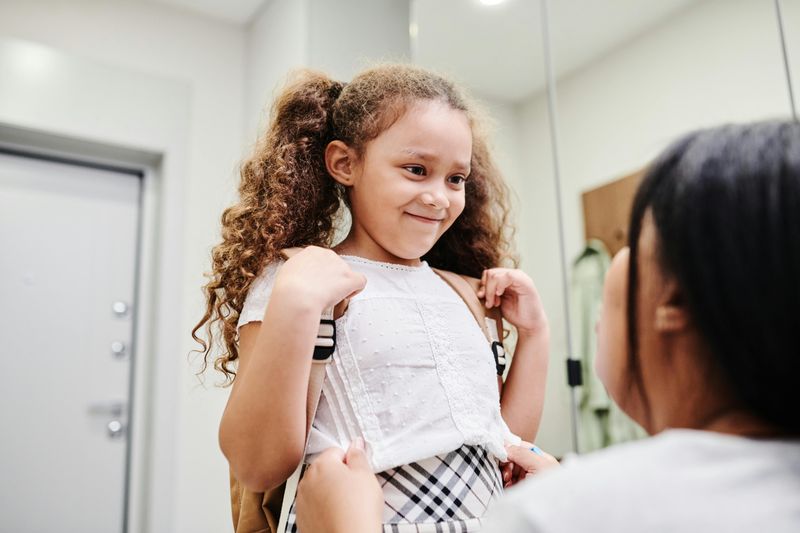
Back in the 1980s, if your teacher gave you a bad grade, that was pretty much the end of the story.
Parents trusted teachers completely and rarely questioned classroom decisions.
Calling the school to dispute a grade?
Almost unheard of.
Today, parent-teacher communication is not only common — it’s encouraged.
Many schools have apps and email systems designed specifically for quick parent contact.
Parents attend meetings, send detailed emails, and advocate firmly for their children’s academic outcomes.
While some educators welcome the involvement, others feel the balance has shifted too far toward parents overriding professional judgment.
2. Supervising Playdates and Sleepovers
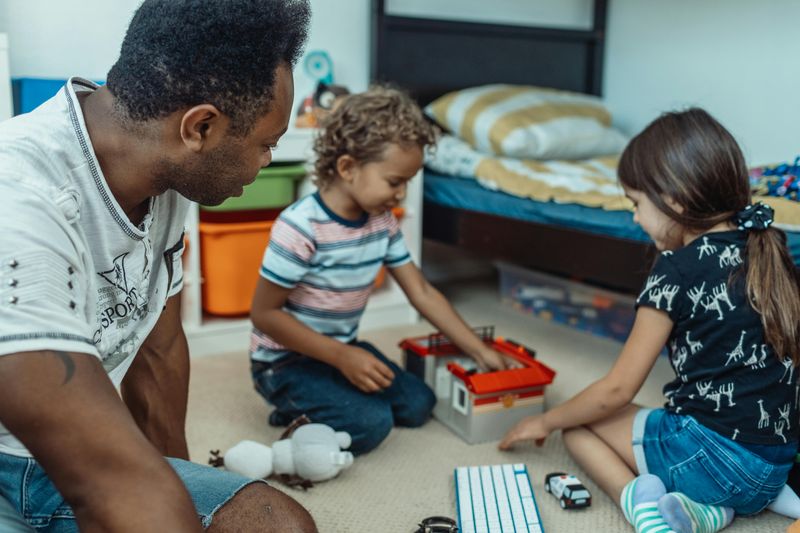
Picture a Saturday afternoon in 1984 — kids piling into someone’s backyard, adults nowhere in sight, making up rules as they went.
Nobody called it a “playdate.” It was just playing.
Modern parents often organize, schedule, and actively supervise social gatherings.
Sleepovers come with check-ins, group chats between parents, and sometimes even background research on the hosting family.
Safety is the top priority.
This shift reflects broader concerns about child safety and social dynamics.
While oversight has real benefits, some child development experts suggest that unstructured play builds creativity and independence in ways supervised activities simply cannot replace.
3. Intervening in Arguments Between Friends

Disagreements between kids used to get sorted out on the playground — sometimes messily, but usually on their own terms.
An ’80s parent stepping in to referee a friendship argument would have seemed oddly dramatic to most families at the time.
Today, many parents jump in quickly when they see conflict brewing.
They mediate, explain perspectives, and sometimes even contact the other child’s parents directly.
The goal is to protect emotional well-being and model healthy communication.
Child psychologists are split on this one.
Some say early guidance helps kids learn conflict resolution, while others argue that working through disagreements independently builds resilience.
4. Tracking Their Kids’ Location 24/7

In the ’80s, when a kid left the house, they were just… gone.
Parents had no idea exactly where their children were, and that was completely normal.
You came home when the streetlights came on — no questions asked.
GPS tracking apps have completely flipped that reality.
Parents can now see their child’s location in real time, get alerts when they arrive somewhere, and even track driving speed for teen drivers.
Many families consider this a basic safety measure.
Critics worry that constant tracking limits a child’s sense of autonomy.
But for many parents, the peace of mind is simply too valuable to give up.
5. Packing Lunches and Controlling Every Meal
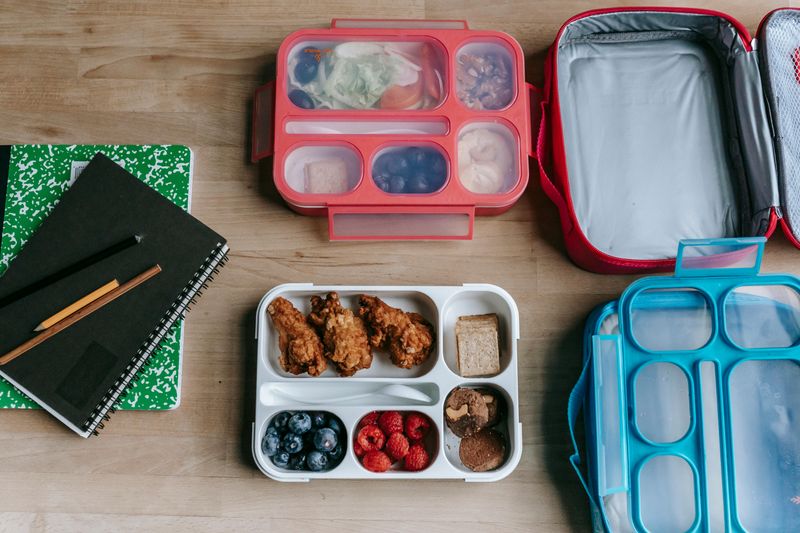
Many ’80s kids made their own peanut butter sandwiches, grabbed a bag of chips, and called it lunch.
Nobody was counting macros or checking ingredient labels.
Food was fuel, and kids largely fended for themselves when it came to snack time.
Modern parents often take full control of what their children eat.
Lunchboxes are carefully planned, sugar is monitored, and allergies are meticulously managed.
Nutrition science has made parents far more aware of how food affects development, behavior, and long-term health.
Meal planning for kids has become a full-time effort for many households, reflecting just how much parenting priorities have evolved over the past few decades.
6. Curating Extracurriculars to Boost College Applications
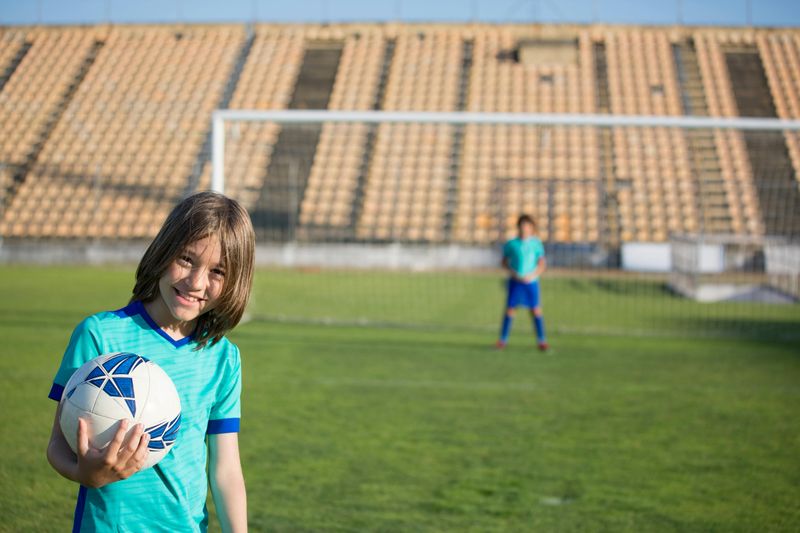
Free time used to be the default setting for ’80s kids.
After school meant riding bikes, watching cartoons, or just hanging around the neighborhood.
Nobody was building a resume at age nine.
Today, many children have schedules that rival those of working adults.
Soccer practice, violin lessons, coding club, debate team — all carefully selected with one eye on future college applications.
Parents genuinely believe a well-rounded portfolio gives their kids a competitive edge.
Researchers have raised concerns about childhood burnout and stress from overscheduling.
Finding the right balance between structured achievement and genuine free play remains one of modern parenting’s trickiest challenges.
7. Talking Openly About Feelings and Mental Health
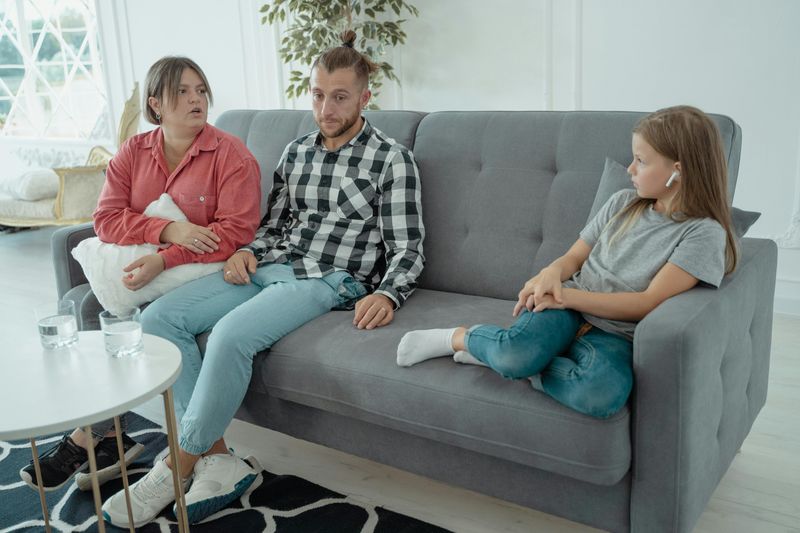
“Toughen up” and “stop crying” were phrases many ’80s kids heard regularly.
Emotions were something you managed privately, not discussed openly at the dinner table.
Mental health wasn’t really part of everyday family vocabulary back then.
Today, emotional literacy is considered a cornerstone of healthy child development.
Parents actively encourage kids to name their feelings, talk through anxiety, and seek help when needed. Therapy for children is no longer stigmatized — it’s often recommended proactively.
This cultural shift has opened real conversations that help kids understand themselves better.
The change reflects decades of growing awareness about the lasting impact of unaddressed emotional struggles in childhood.
8. Stepping In to Prevent Failure or Mistakes

Falling off the bike was part of learning to ride it.
’80s parents understood that struggle had value, and they mostly let kids bump into consequences naturally.
Failure wasn’t something to be avoided — it was something to be learned from.
Modern parenting often leans toward protection from setbacks.
Parents complete school projects, intervene before grades slip, and smooth over social friction before kids even feel it.
The intention is kindness, but the outcome can sometimes rob children of important life lessons.
Educators call this “helicopter parenting,” and many worry it leaves kids underprepared for the real challenges of adulthood they will eventually face on their own.
9. Documenting Kids’ Lives Constantly on Social Media

Before smartphones, family memories lived in photo albums stuffed into closets.
Grandparents got yearly holiday cards, and that was about it.
The idea of sharing your child’s first steps with five hundred strangers online would have seemed completely bizarre in 1986.
Sharenting — the habit of constantly posting children’s milestones on social media — is now remarkably common.
Birthday parties, school awards, funny moments, and even parenting struggles get shared publicly by millions of families every day.
Privacy advocates are raising important questions about children’s digital footprints being created before they’re old enough to consent.
It’s a conversation modern parents are just beginning to seriously have.
10. Removing Consequences to Avoid Discomfort

Consequences were non-negotiable in most ’80s households.
You broke the rules, you faced the music — grounding, lost privileges, or a very uncomfortable conversation with Dad.
Nobody worried too much about whether the punishment felt bad, because that was kind of the point.
Some modern parenting philosophies prioritize emotional comfort over firm boundaries.
Parents sometimes avoid consequences that might upset their children, hoping to preserve the parent-child relationship and reduce anxiety.
The approach comes from a genuinely loving place.
However, child development specialists often stress that age-appropriate consequences teach accountability and self-regulation.
Learning that actions have real results is a lesson that serves kids well throughout their entire lives.
11. Restricting Kids’ Independence and Solo Exploration

An ’80s kid could disappear on a bike for hours without anyone panicking.
Solo trips to the corner store, walking to school alone, exploring the woods behind the neighborhood — these were ordinary childhood adventures that built confidence and street smarts.
Many parents today feel deeply uncomfortable giving that same kind of freedom.
News cycles filled with alarming stories have made solo childhood exploration feel risky, even when statistics suggest neighborhoods are actually safer than they were decades ago.
The “free-range parenting” movement has pushed back against this trend, arguing that calculated independence helps children develop decision-making skills, self-reliance, and a healthy sense of their own capabilities.
12. Solving Every Problem for Their Kids
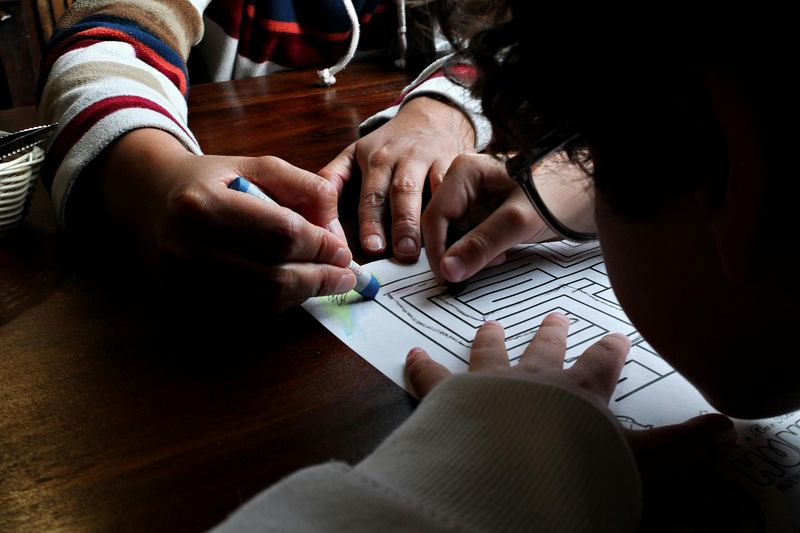
There’s a certain kind of parent who swoops in the moment anything gets hard — and while the impulse is completely understandable, it’s a relatively new norm.
In the ’80s, kids were expected to figure things out. Adults had their own problems to manage.
Today, many parents act as full-time problem solvers for their children.
Lost a library book?
Parent handles it.
Fight with a coach?
Parent makes the call.
Forgot homework?
Parent drives it to school.
Each small rescue feels helpful in the moment.
Over time, though, children who are never allowed to struggle miss out on developing the problem-solving confidence they will genuinely need as independent adults.
Comments
Loading…