
 Hailey Watson
12 Reasons Slow Living Is Becoming So Popular
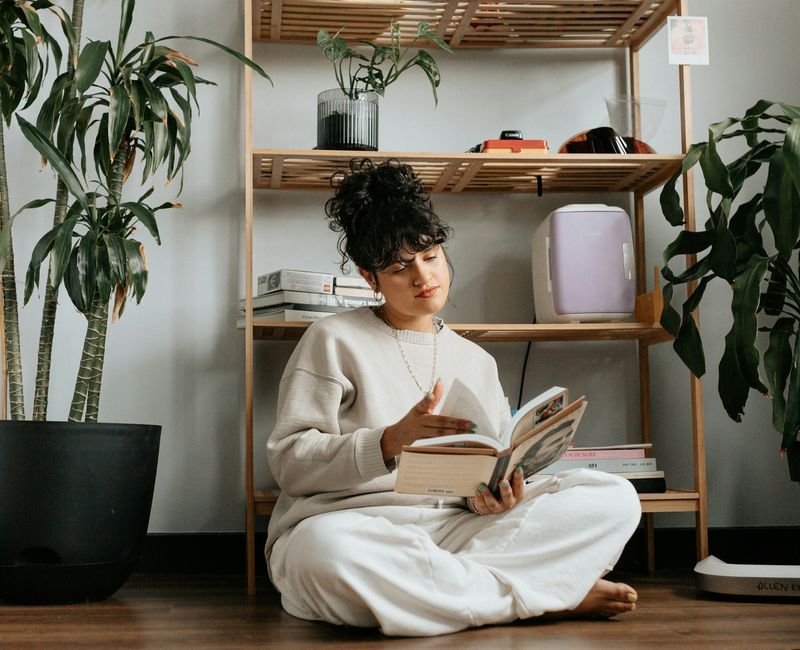
Life seems to keep speeding up, and more people are starting to wonder if faster is actually better. Slow living is a growing movement that encourages people to pause, breathe, and enjoy each moment instead of rushing through the day.
From reducing stress to building deeper connections, this lifestyle is attracting people of all ages around the world. If you have ever felt overwhelmed by a packed schedule, you might already understand why so many are choosing to slow down.
1. Burnout Is at an All-Time High

When was the last time you felt truly rested?
Millions of people today are pushing themselves past their limits at work, school, and home, leading to emotional and physical exhaustion known as burnout.
Studies show that workplace burnout has reached record levels in recent years, affecting people as young as their early twenties.
Slow living offers a powerful antidote.
By stepping back from the constant grind and choosing rest over productivity, people are finding they actually feel better and perform better too.
Burnout is one of the biggest reasons people are seeking a calmer, more intentional way of life.
2. Social Media Pressure Is Pushing People Away

Scrolling through perfect highlight reels every day can quietly destroy your confidence.
Social media has created a culture of comparison where people feel pressured to look successful, busy, and picture-perfect at all times.
Over time, this relentless pressure takes a serious toll on mental health.
More people are logging off and choosing real life over curated online personas.
Slow living encourages unplugging and finding satisfaction in simple, everyday moments that do not need a filter.
The growing frustration with social media culture is one major reason why the slow living movement keeps gaining new followers each year.
3. Mental Health Awareness Is Growing
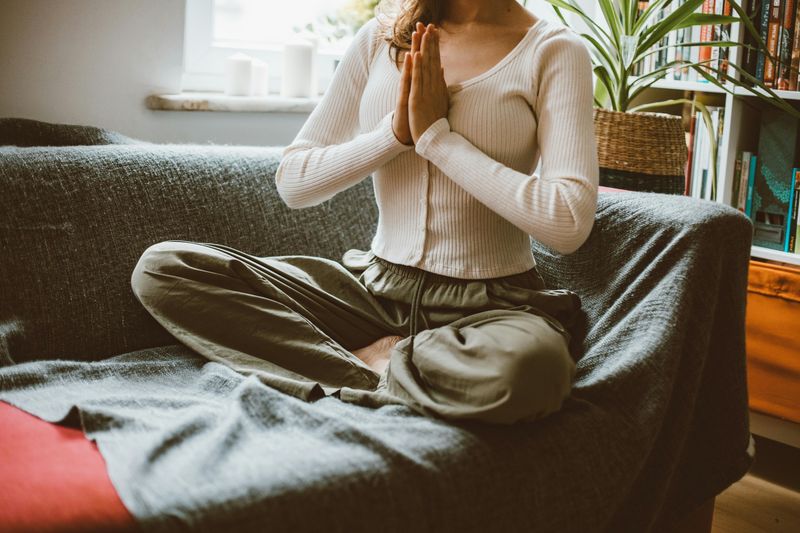
Conversations about mental health are more open now than ever before, and that shift is changing the way people choose to live.
As awareness grows around anxiety, depression, and stress-related disorders, more individuals are actively looking for lifestyle changes that support their emotional well-being.
Slow living fits perfectly into this picture.
Practices like mindful eating, nature walks, journaling, and setting firm boundaries all come naturally within a slower lifestyle.
People are realizing that protecting their mental health is not a luxury but a necessity.
This cultural shift toward emotional wellness is directly fueling slow living’s rising popularity across all age groups.
4. The Pandemic Changed Our Priorities Forever
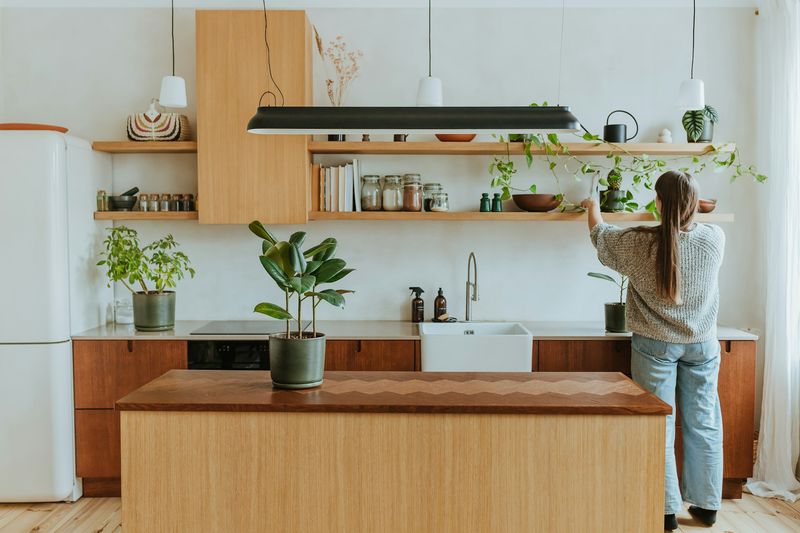
Few events in modern history have forced people to rethink their lives the way the COVID-19 pandemic did.
Suddenly, people were home, schedules cleared, and the noise of constant busyness went quiet.
Many discovered they actually enjoyed the slower pace, the home-cooked meals, and the quality time with loved ones.
Even as the world reopened, a significant number of people refused to go back to their old rushed routines.
The pandemic planted a seed that slow living has helped grow.
That collective pause made millions question what truly matters, and the answers led many straight into this calmer way of living.
5. People Crave Deeper Human Connections

Technology connects us to thousands of people instantly, yet loneliness is at epidemic levels worldwide.
Something about modern life has made genuine, deep human connection feel rare and hard to hold onto.
Many people are waking up to the fact that quantity of social interaction does not equal quality.
Slow living encourages fewer but more meaningful relationships.
It is about sitting with a friend for two hours instead of texting a hundred people in two minutes.
When people slow down, they make room for real conversations, shared meals, and memories that actually stick.
That hunger for true connection is a powerful force driving this movement forward.
6. Environmental Concerns Are Shaping Choices
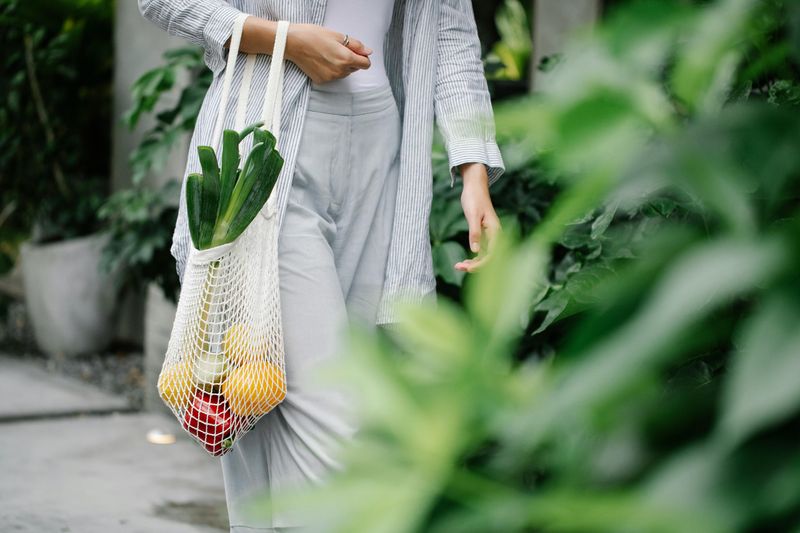
Climate change headlines are everywhere, and younger generations especially are feeling the weight of environmental responsibility.
Fast consumption, constant buying, and wasteful habits are increasingly seen as part of the problem.
People want their daily choices to reflect their values, including how they treat the planet.
Slow living naturally aligns with eco-friendly habits.
Growing your own food, buying less, repairing instead of replacing, and choosing quality over quantity all reduce environmental impact.
Living slowly often means living more sustainably.
As environmental awareness continues to rise, many people see slow living not just as a personal choice but as a responsible one for the future of the Earth.
7. Minimalism Is Inspiring a Generation
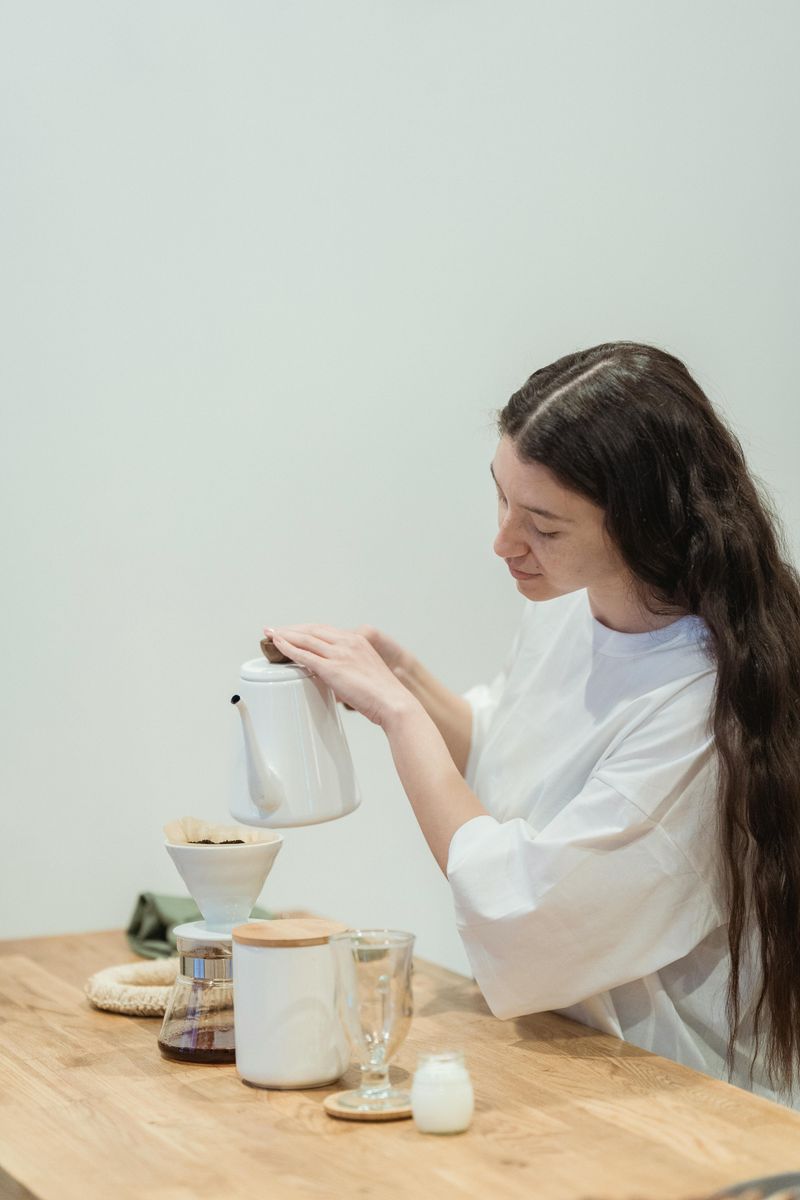
There is something quietly radical about owning less.
The minimalism movement swept through popular culture over the past decade, encouraging people to clear out clutter and focus on what genuinely adds value to their lives.
That mindset pairs beautifully with slow living.
When your home is simpler, your mind often follows.
Less stuff means less to manage, maintain, and stress about.
Minimalism taught a whole generation to ask, ‘Do I really need this?’ and slow living extends that question to time, commitments, and energy too.
Together, they create a lifestyle built around intention rather than accumulation, and that combination has proven deeply appealing to millions.
8. Work-Life Balance Has Become Non-Negotiable
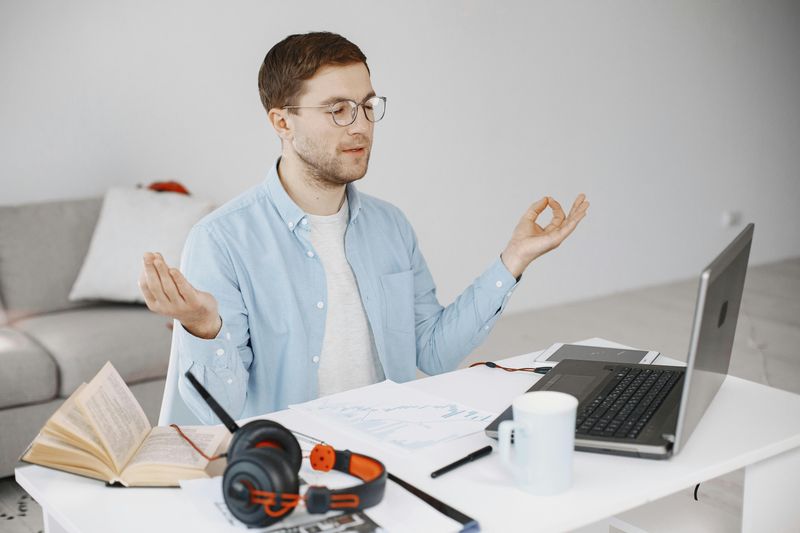
Remember when working overtime was seen as a badge of honor?
That attitude is fading fast.
Younger workers especially are pushing back against the idea that your job should consume your entire identity and schedule.
The demand for genuine work-life balance has never been louder.
Slow living supports this shift by helping people set boundaries, protect personal time, and find meaning outside of their careers.
Choosing to log off at a reasonable hour, take real lunch breaks, and protect weekends are all acts of slow living in practice.
As companies begin to listen, a culture of balance is slowly replacing the old culture of overwork.
9. Mindfulness Practices Are Going Mainstream
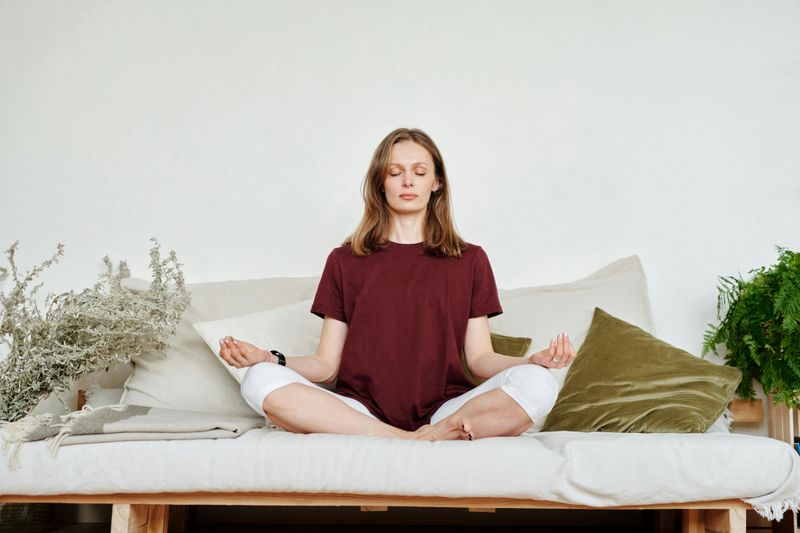
Meditation apps have been downloaded hundreds of millions of times.
Yoga studios are packed.
Breathwork, journaling, and gratitude practices are no longer fringe activities but everyday habits for a huge portion of the population.
Mindfulness has officially gone mainstream, and it sits at the heart of slow living.
Being mindful means paying full attention to the present moment instead of racing through life on autopilot.
Slow living is essentially mindfulness applied to every area of daily life, from eating to working to spending time with family.
As more people experience the real benefits of mindfulness firsthand, they naturally begin to embrace a slower, more conscious way of living.
10. The Hustle Culture Backlash Is Real
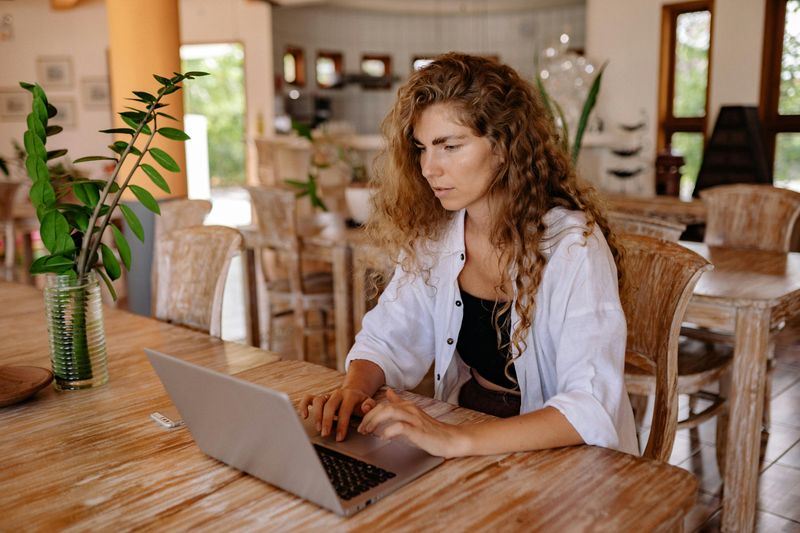
For years, hustle culture told us that rest was laziness and that grinding non-stop was the only path to success.
Motivational quotes about sleeping less and working more flooded every corner of the internet.
But a very loud backlash has been building, and it is reshaping how people think about ambition.
Slow living is, in many ways, a direct rejection of hustle culture.
It argues that rest is productive, that joy matters, and that a life spent only chasing goals is a life half-lived.
This cultural pushback has resonated especially with millennials and Gen Z, who grew up watching hustle culture burn people out and are choosing a different path entirely.
11. Food Culture Is Returning to Its Roots
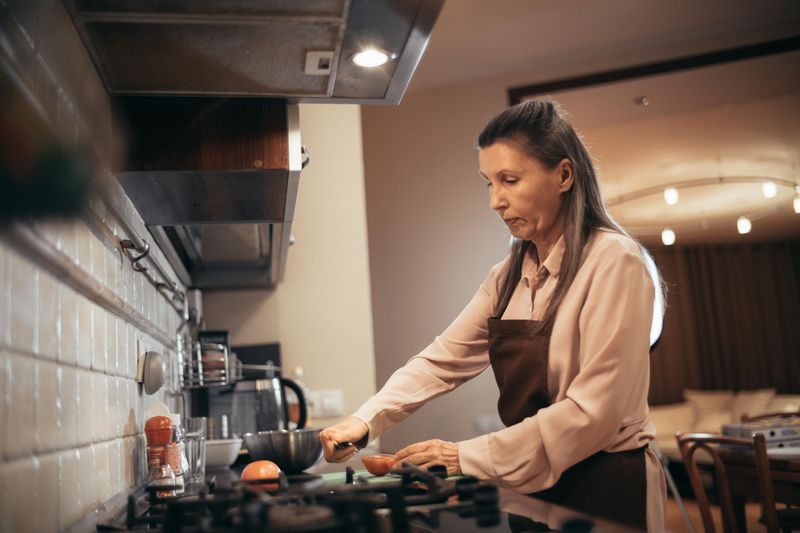
Fast food and meal delivery apps made eating incredibly convenient, but something important got lost along the way.
The smell of a slow-cooked stew, the ritual of baking bread, the joy of eating a meal made entirely from scratch, these experiences connect us to something deeply human.
Slow food, a key pillar of the slow living movement, is making a major comeback.
People are visiting farmers markets, growing herbs on windowsills, and spending Sunday afternoons cooking real meals.
Food becomes more than fuel when you slow down to prepare and savor it.
This return to mindful eating is one of the most joyful expressions of slow living out there.
12. Nature Is Calling People Back
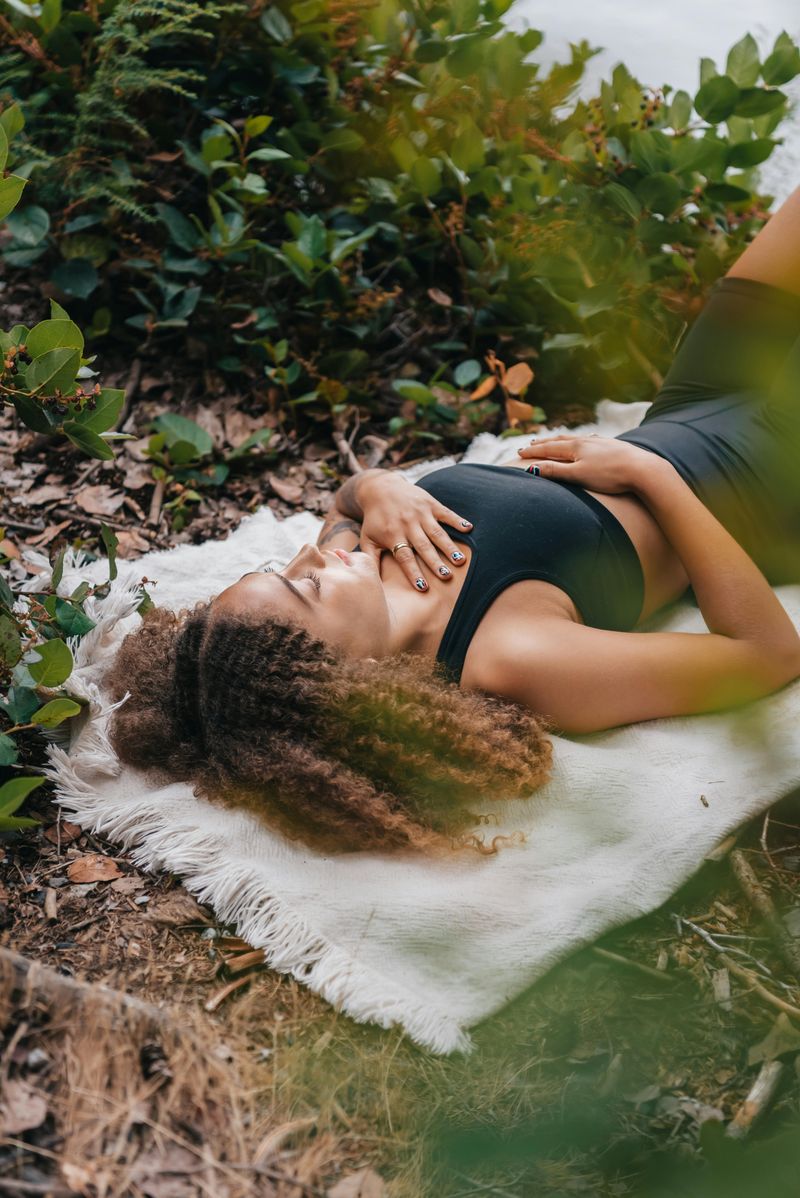
Studies consistently show that spending time in nature reduces cortisol levels, lowers blood pressure, and boosts overall mood.
Yet most modern people spend the vast majority of their lives indoors, under artificial lights, staring at screens.
The disconnect from the natural world is real, and people are feeling it.
Slow living actively encourages reconnecting with nature, whether through morning walks, gardening, camping, or simply sitting outside with a cup of coffee.
Nature does not rush, and neither should we.
As more people experience the healing power of the outdoors, they find themselves drawn to a lifestyle that makes space for the natural world every single day.
Comments
Loading…