
 Isabel Parker
12 Questions That Feel Normal—But Women Secretly Hate

Some questions get asked so often that people treat them like harmless small talk.
But when you’re the one answering, they can feel like tiny pop quizzes about your body, choices, and worth.
A lot of women learn to smile through it, even when the question lands like a judgment disguised as curiosity.
The problem isn’t always the intent, because even “nice” questions can carry big assumptions and pressure.
These are the everyday lines that can trigger defensiveness, sadness, or anger in the span of a second.
If you’ve ever felt your stomach drop at a family dinner or work event, you’re not imagining it.
Here’s why these questions sting, and what people can say instead when they actually want to connect.
1. When are you getting married?

A casual ask about the future can sound like a deadline disguised as friendliness.
It assumes marriage is the universal goal, and it treats a relationship timeline like public property.
For some women, it pokes at painful realities like divorce, widowhood, infertility, finances, or simply not wanting that life.
Even when a woman is happily partnered, the question can create pressure she didn’t invite and doesn’t control alone.
It also ignores cultural, personal, or practical reasons someone might prioritize stability, healing, or independence first.
The worst part is the follow-up commentary, where people act like they’re offering wisdom while quietly grading her choices.
A kinder alternative is asking what she’s excited about lately, or whether she wants to share any big plans at all.
2. So… when are you having kids?

That question often arrives like a script, as if every woman’s life is supposed to follow the same order.
It can be deeply invasive because it drags fertility, relationships, money, and health into a conversation that wasn’t asking for it.
Some women are struggling with infertility or loss, and hearing it can feel like being blindsided in public.
Others have decided not to have children, and the question implies their decision is temporary or selfish.
Even women who want kids can feel cornered, because the timeline may depend on a partner, a job, housing, or mental readiness.
It also reduces her identity to motherhood, as if her “real” life hasn’t started until there’s a stroller involved.
If you’re genuinely close, ask how she’s doing overall, and let her bring up family plans on her own terms.
3. Are you pregnant?

Few questions can create so much panic with so few words, even when someone thinks they’re being excited.
It comments on a woman’s body first, and her humanity second, which is why it lands like a spotlight.
Weight changes, bloating, hormones, medications, and medical conditions can all shift someone’s shape without any happy announcement attached.
If she is pregnant but not ready to share, the question steals a moment that should belong to her.
If she isn’t pregnant, she’s forced to choose between correcting you, laughing it off, or feeling embarrassed for existing in her body.
And if she has experienced loss, it can open a wound she wasn’t planning to explain at a party.
A better move is to wait for her news, and compliment something she chose, like her outfit or energy, instead of her stomach.
4. Why are you still single?

People love to frame this as concern, but it often carries the assumption that single equals incomplete.
It can make a woman feel like she needs to defend her standards, her past, or her entire personality in one breath.
Sometimes the truth is complicated, like leaving a toxic relationship, caring for family, recovering from trauma, or rebuilding finances.
Sometimes the truth is simple, like she enjoys her life and doesn’t want to force partnership for appearances.
The word “still” is the sharp edge, because it implies she missed a checkpoint everyone else passed.
That can quickly turn into unsolicited advice, blind setups, or jokes that treat her independence like a temporary glitch.
If you want to connect, ask what she’s been into lately, and let her relationship status be just one small detail, not the headline.
5. What’s your real age?
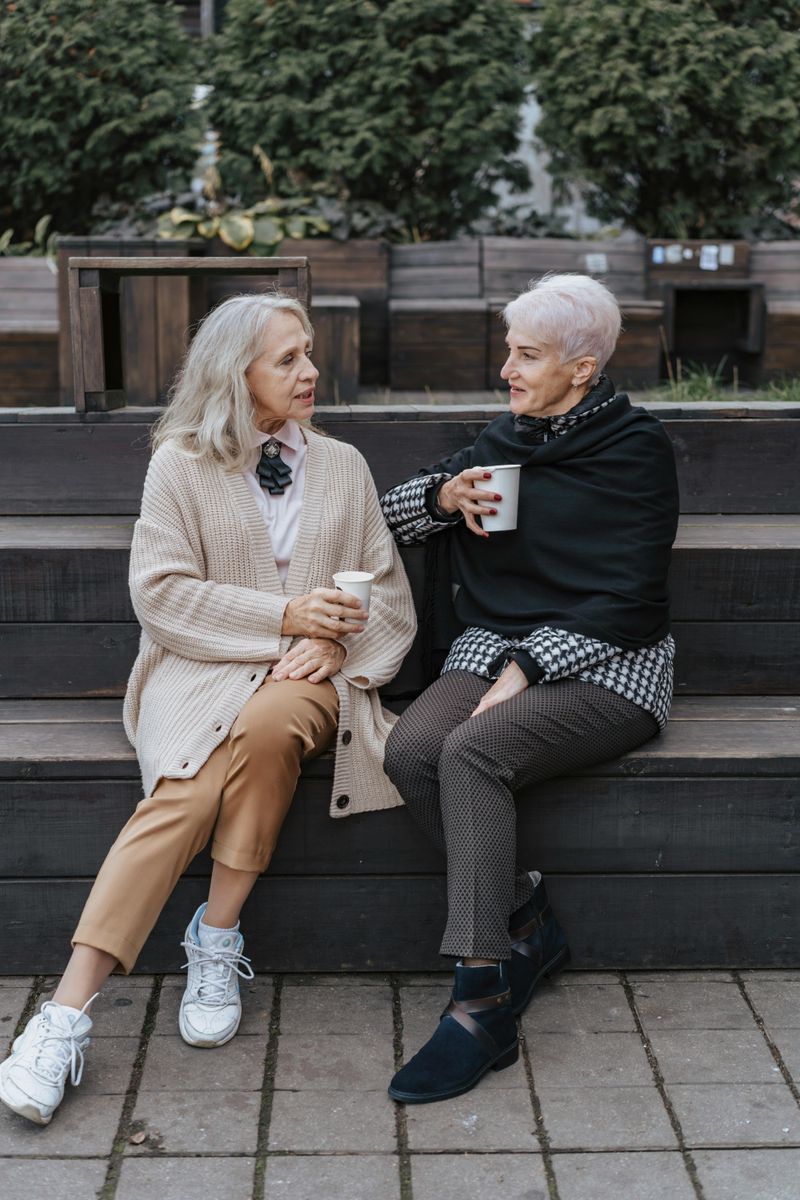
Curiosity about age often comes wrapped in a strange mix of admiration and interrogation.
It signals that youth is the prize, and the “real” number is something she should either hide or prove.
For women, age questions can feel like a reminder that society treats aging as a flaw instead of a privilege.
In workplaces, it can also raise fears about being taken less seriously, being paid fairly, or being seen as “past her prime.”
Even when asked playfully, it nudges women toward performing youth through beauty routines, filters, and constant self-monitoring.
It’s exhausting to feel like your value rises or falls based on a digit you can’t negotiate with.
If you’re impressed, focus on what you actually mean, like her confidence, style, or achievements, without demanding a birth certificate.
6. How much do you weigh?
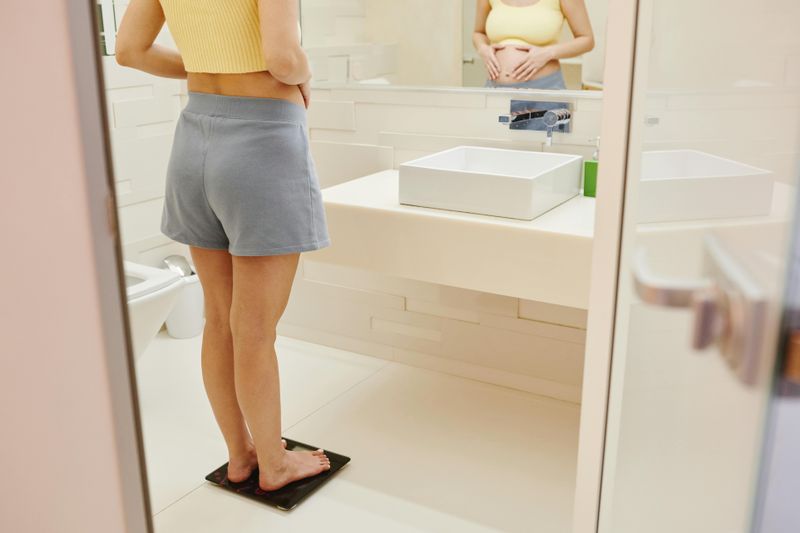
This question turns a human body into a statistic, and it rarely comes from a place that feels safe.
It can drag up years of diet culture, disordered eating, body shame, and the habit of measuring worth on a scale.
Even women who feel good about themselves may resent being pushed into numbers they didn’t volunteer.
For others, it can trigger a spiral of comparison, especially if the question comes with judgment or “helpful” advice.
Weight is also deeply personal and tied to health conditions, medications, stress, hormones, and genetics that strangers don’t need access to.
When someone asks it casually, it sends the message that her body is public discussion material.
If you’re talking fitness, ask what makes her feel strong or energized, and keep the conversation focused on well-being, not size.
7. Did you do something to your face? (Botox/filler/whatever)

A comment like this can sound like gossip, even if it’s delivered as a compliment or curiosity.
It forces a woman to explain her appearance choices, whether they involve makeup, skincare, filters, procedures, or just better sleep.
If she did get Botox or filler, she may not want a public debate about it, especially around people who judge.
If she didn’t, the implication can be that she looks unnatural, or that her face is up for inspection.
Either way, it turns her into a before-and-after photo instead of a person having a normal day.
Women already get enough messaging that their faces need constant fixing to be acceptable.
Try saying what you actually mean, like “You look really refreshed,” and let her decide how much she wants to share, if anything.
8. Are you on your period?

This line is often used as a shortcut to dismiss a woman’s feelings instead of understanding them.
It suggests that any frustration, boundary, or critique is hormonal noise rather than a valid reaction.
Even when asked “jokingly,” it can feel humiliating because it drags private bodily functions into public conversation.
It also reinforces the idea that women are naturally irrational, and that emotions need a biological excuse to be tolerated.
Many women learn to downplay pain, mood shifts, or fatigue because they fear being labeled dramatic.
So when someone asks this, it can hit like a reminder that she’s not being taken seriously.
If you’re concerned, ask what’s going on and listen, because respect is a better tool than a punchline.
9. Why are you so emotional?

That question can sound like a scolding, even when a woman is speaking calmly about something that matters.
It frames emotion as a weakness, while ignoring that anger, disappointment, and sadness are normal human signals.
Women often get punished for expressing feelings and punished again for “being cold” when they don’t.
So the question becomes a trap where any response proves the stereotype the speaker already believes.
It also shifts attention away from the issue at hand and onto her tone, which is a convenient way to dodge accountability.
Over time, this teaches women to swallow reactions until they feel numb, resentful, or exhausted.
A better approach is asking what she needs and addressing the actual problem, because emotional honesty is not a character flaw.
10. Can you smile? / You’d look prettier if you smiled.

A command disguised as a compliment can feel like someone claiming access to your face.
It tells women their default expression exists for other people’s comfort, not for their own mood or reality.
Even if the speaker thinks it’s friendly, it can land as controlling because it ignores what she might be carrying that day.
Women aren’t walking decorations, and they don’t owe strangers a performance of pleasantness.
The “prettier” part is especially irritating, because it reduces a full person to how attractive she looks while being obedient.
Many women learn to mask discomfort to avoid conflict, which makes the request feel even more intrusive.
If you want to be kind, try “Hope your day’s going okay,” and let warmth be an invitation, not a demand.
11. Should you be eating that?

Food policing is one of the quickest ways to turn a normal moment into self-consciousness.
It implies a woman’s plate is open for public review, as if her body is a community project.
Even when someone claims they’re being helpful, it usually carries judgment about weight, willpower, or “deserving” certain foods.
Women already receive nonstop messaging that they should shrink themselves, literally and figuratively.
So this question can trigger guilt, shame, or the feeling that every bite is being scored.
It can also undermine recovery for women dealing with disordered eating, anxiety around food, or medical dietary needs.
If you care, focus on enjoying the meal together, because the most supportive thing you can do is mind your own fork.
12. Do you even work… or is this like a hobby?

A question about someone’s job can be normal, but this version comes with a side of disrespect.
It suggests her work isn’t real unless it looks traditional, corporate, or visibly exhausting.
Women who freelance, create content, run a small business, stay home with kids, or work part-time often get this treatment.
The question implies she’s playing pretend, even when she’s contributing income, managing a household, or building something from scratch.
It can also feel like a subtle dig at her ambition, intelligence, or independence.
Being forced to justify your labor is draining, especially when the proof people want is usually money or status.
A better question is “What do you do, and what do you like about it?” because curiosity and respect can exist in the same sentence.
Comments
Loading…