
 Mila Ross
12 Once-Normal ’80s Habits That Would Break Laws Today

Back in the 1980s, life looked a lot different, and so did the rules.
Many everyday habits that seemed totally fine back then would land you in serious legal trouble today.
From lighting up a cigarette on an airplane to letting kids wander the neighborhood all day, the ’80s had a relaxed attitude toward things we now know are genuinely dangerous.
Looking back at these habits is a fun reminder of how much safety laws and social norms have changed over the past few decades.
1. Smoking in Restaurants and Airplanes

Picture sitting down for a nice dinner and the person next to you lights up a cigarette right at the table.
That was completely normal in the ’80s.
Smoking sections existed, but smoke traveled everywhere anyway, and nobody thought twice about it.
On airplanes, passengers smoked at 30,000 feet while others tried to breathe nearby.
Today, strict public smoking bans make lighting up indoors illegal in most restaurants, workplaces, and enclosed public spaces across the country.
Breaking these rules can result in heavy fines.
The shift came as research proved secondhand smoke causes serious health problems.
2. Riding Without Seatbelts
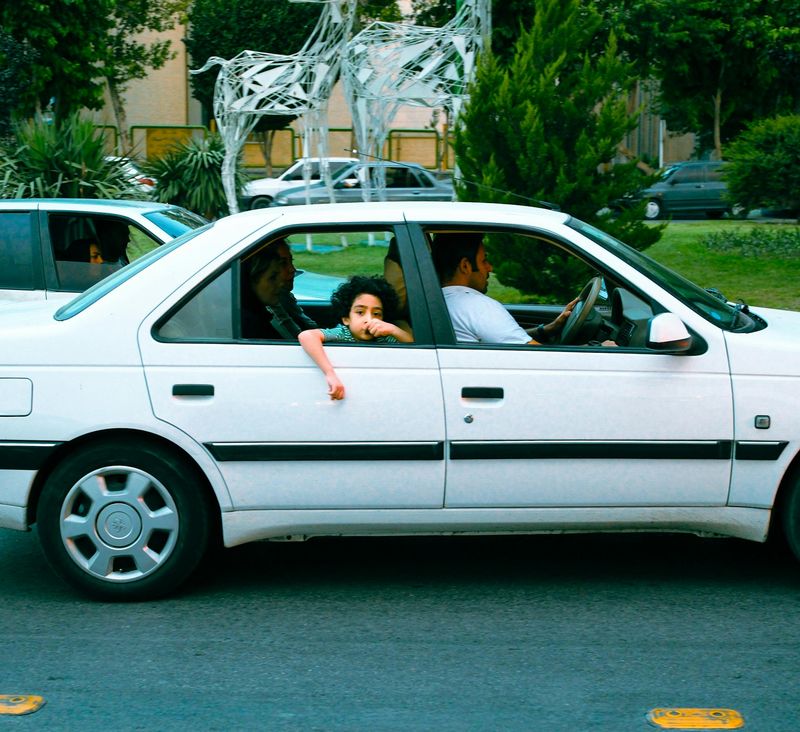
Seatbelts were there, but using them felt optional for most ’80s families.
Kids piled into the back seat and rolled around freely on long road trips, and adults often just didn’t bother buckling up.
It seemed harmless at the time.
Today, every state in the U.S. has mandatory seatbelt laws for all passengers.
Getting caught without one means an instant fine.
Studies consistently show seatbelts reduce the risk of death in a crash by nearly 45 percent.
What once felt like a personal choice is now a legal requirement backed by decades of life-saving crash data.
3. No Child Car Seats

Back in the ’80s, babies rode on laps and toddlers stood on the back seat while parents drove without a second thought.
Car seats existed, but enforcement was nearly nonexistent in many states during the early part of the decade.
Fast forward to today and the rules couldn’t be stricter.
Current laws require children to use age-appropriate, government-approved safety seats.
Infants need rear-facing seats, toddlers need forward-facing harnesses, and older kids need booster seats.
Violating these laws can mean fines and even child endangerment charges.
Car seats are proven to reduce fatal injury risk for infants by 71 percent.
4. Drinking and Driving (Light Enforcement Era)
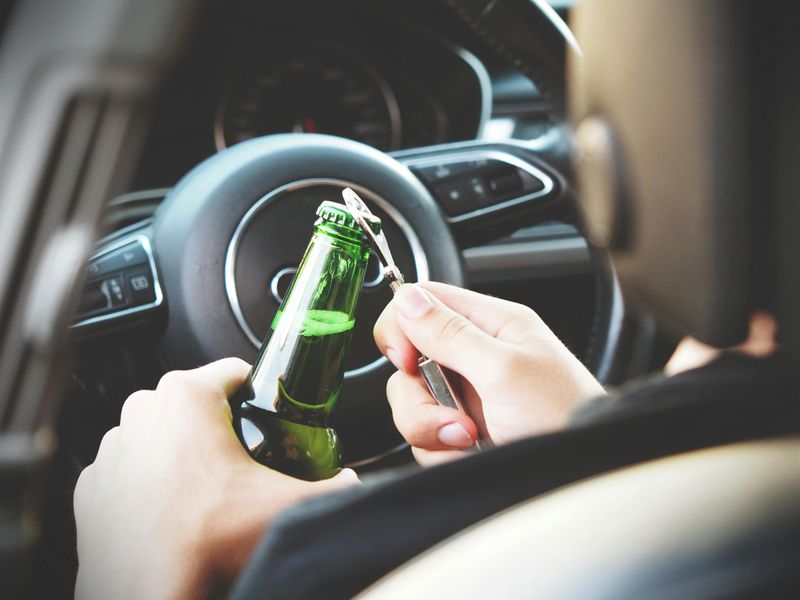
DUI laws technically existed in the 1980s, but enforcement was loose and cultural attitudes were surprisingly relaxed.
It wasn’t unusual to hear someone joke about driving home after a few drinks, and police checkpoints were far less common than they are now.
Today, driving under the influence is treated as a serious criminal offense.
The legal blood alcohol limit is 0.08 percent in most U.S. states, and penalties include license suspension, heavy fines, and even jail time.
Organizations like MADD helped push for tougher laws after thousands of preventable deaths in the early ’80s sparked national outrage and legislative action.
5. Riding in the Back of Pickup Trucks

Nothing said summer in the ’80s like piling into the back of a pickup truck with your friends and cruising down the road.
Wind in your hair, no seatbelts, just pure freedom.
Parents barely batted an eye at this common weekend activity.
Today, many U.S. states and countries around the world have banned or heavily restricted passengers riding in open truck beds.
The reason is simple: passengers have zero protection in a crash or sudden stop.
Children are especially vulnerable.
Some states still allow it under certain conditions, but the carefree truck-bed road trips of the ’80s are largely a thing of the past.
6. Hitchhiking on Highways
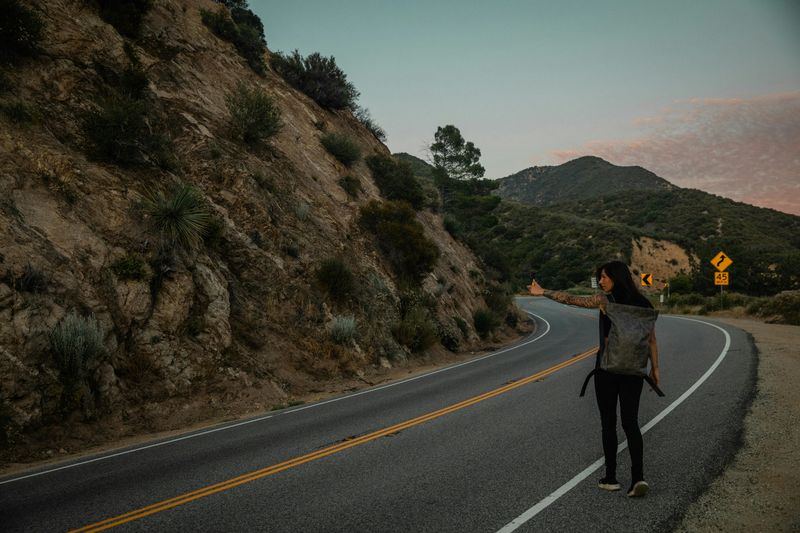
Hitchhiking had a whole romantic image in the ’80s.
Movies celebrated it, and plenty of real people used it as a practical way to travel when they didn’t have a car or bus fare.
Drivers regularly pulled over to offer strangers a lift without much worry.
Today, hitchhiking is illegal or heavily restricted in many U.S. states and countries.
Law enforcement discourages it due to serious safety risks for both the hitchhiker and the driver.
High-profile criminal cases over the decades helped shift public perception dramatically.
What once felt adventurous is now widely considered dangerous and legally risky in most places.
7. Letting Kids Roam Unsupervised All Day

Summer in the ’80s meant leaving the house after breakfast and not coming home until the streetlights flickered on.
Kids roamed freely through neighborhoods, parks, and woods for hours with zero adult supervision.
It was just how childhood worked back then.
Today, laws in several states classify leaving young children unsupervised as neglect, and parents have faced legal consequences for allowing it.
Some states have pushed back with “free-range parenting” laws, but the legal gray zone remains real.
While the debate continues, the carefree, all-day neighborhood adventures most ’80s kids remember are now viewed through a very different legal and social lens.
8. Leaving Kids Alone in Cars

Running into a store for ten minutes while leaving a young child in the car was a totally routine move for ’80s parents.
Nobody called it dangerous.
Kids waited, parents returned, and life moved on.
It seemed like a practical, harmless shortcut.
Today, leaving a child unattended in a vehicle is illegal in many U.S. states, regardless of how short the errand might be.
Heatstroke can become life-threatening within minutes on a warm day, and the risk of abduction is also cited.
Parents have faced criminal charges over this exact situation.
What felt like a parenting shortcut is now considered a serious safety and legal issue.
9. Buying Cigarettes as a Minor

It sounds unbelievable now, but in the ’80s it wasn’t unusual for parents to send their kids to the corner store to grab a pack of cigarettes.
Store clerks often sold them without question, and nobody considered it a big deal at the time.
Strict age verification laws now make this completely illegal.
In the United States, the federal minimum age to purchase tobacco products was raised to 21 in 2019.
Retailers face heavy fines for selling to minors, and ID checks are mandatory.
The cultural shift reflects decades of research showing that early exposure to tobacco dramatically increases the likelihood of long-term addiction.
10. Dangerous Toys Like Lawn Darts

Lawn darts, also called Jarts, were a staple of ’80s backyard parties.
The game involved throwing large, heavy metal-tipped darts through the air toward a target ring on the ground.
Kids and adults played together, and the danger wasn’t really part of the conversation.
After multiple serious injuries and at least three documented deaths, the U.S.
Consumer Product Safety Commission banned lawn darts in 1988.
The metal tips could puncture a skull with terrifying ease.
Other hazardous toys from the era, like certain chemistry sets with real chemicals and high-powered pellet guns marketed to young children, also faced bans or strict safety overhauls in the years that followed.
11. Indoor Use of Harmful Aerosols (CFC Sprays)

Hairspray, deodorant, and cleaning products in the ’80s were loaded with chlorofluorocarbons, better known as CFCs.
These chemicals made the sprays work smoothly, and nobody thought much about what happened after the can was empty.
They disappeared into the air and that seemed fine.
Scientists eventually proved that CFCs were destroying the ozone layer, the atmospheric shield that protects Earth from harmful ultraviolet radiation.
The Montreal Protocol of 1987 began the global phase-out of CFC-based products, and today their production and use is heavily restricted or banned outright in most countries.
The environmental damage caused during the peak aerosol era is still being measured by researchers today.
12. Setting Off Fireworks Freely at Home

Fourth of July in the ’80s often meant a full backyard fireworks show put on by dad, complete with bottle rockets, Roman candles, and whatever else the local stand was selling.
Safety gear was not part of the equation, and neighborhood skies lit up from every direction.
Today, fireworks regulations vary widely but have tightened considerably.
Many cities and counties ban all consumer fireworks outright, while others restrict them to specific types or times.
Violations can result in fines, and injuries from improper use can lead to liability issues.
Emergency rooms still treat thousands of fireworks-related injuries every year, keeping pressure on lawmakers to maintain or strengthen current restrictions.
Comments
Loading…