
 Isabel Parker
12 Old-School Parenting Traditions Gen Z Labels as ‘Trauma’
Growing up means looking back at how we were raised, and for Gen Z, that reflection often brings up tough conversations.
Many parenting methods that were once considered normal are now being questioned and even called harmful.
What older generations saw as discipline, independence, or tough love, younger people today recognize as sources of lasting emotional pain.
This shift has sparked important discussions about childhood experiences and mental health.
1. Sibling Comparison Games
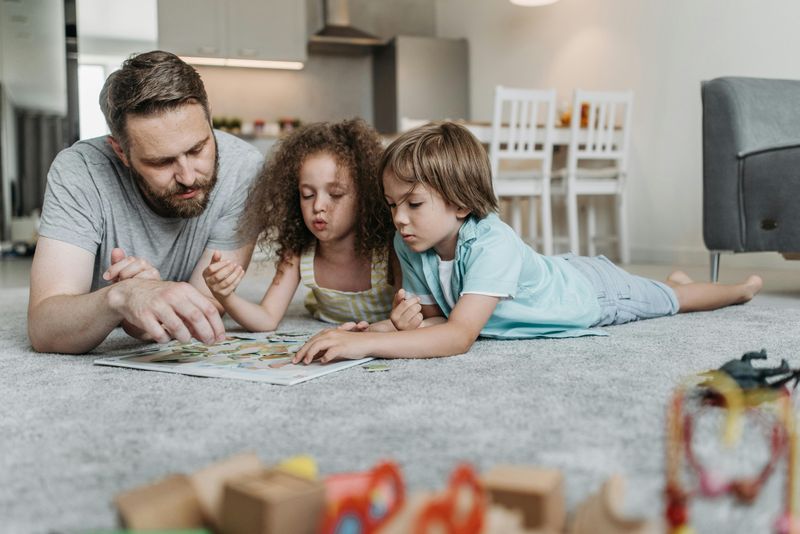
Parents used to think comparing kids would push them to try harder.
“Why can’t you be more like your sister?” or “Your cousin got straight A’s again” were common phrases at dinner tables across the country.
But those words stick around long after childhood ends.
Instead of feeling motivated, many kids grew up believing they weren’t good enough no matter what they did.
Psychologists now understand that constant comparisons damage self-esteem and create jealousy between siblings.
Every child develops at their own pace and has different strengths.
Measuring one against another teaches kids their worth depends on being better than someone else, which is an exhausting and unhealthy way to live.
2. The Clean Plate Club

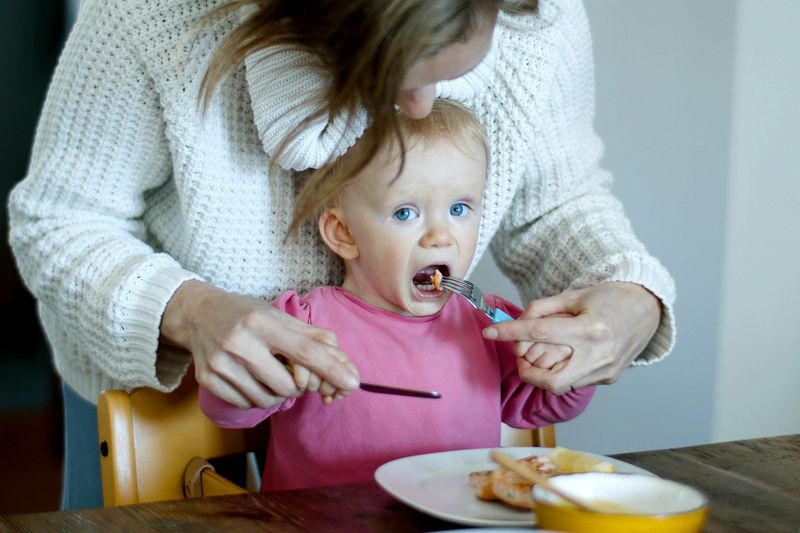
Finishing everything on your plate was a rule in millions of homes.
Parents worried about wasting food or wanted to make sure kids got enough nutrition, so they insisted on empty plates before leaving the table.
The problem?
Kids stopped listening to their own bodies.
When you’re forced to eat past fullness, you lose touch with natural hunger signals that tell you when to start and stop eating.
Many adults now struggle with portion control and emotional eating because they learned to ignore their body’s messages.
Respecting a child’s appetite teaches them to trust themselves and builds a healthier relationship with food that lasts a lifetime.
3. Corporal Punishment as Discipline

Spanking with hands, belts, or wooden spoons was standard discipline for previous generations.
“Spare the rod, spoil the child” guided many parents who believed physical punishment taught respect and obedience.
Research has proven otherwise.
Studies show that hitting children doesn’t improve behavior long-term and actually increases aggression, anxiety, and mental health problems.
It teaches kids that violence is an acceptable way to solve problems.
Children learn better through explanation and natural consequences than through fear and pain.
Countries around the world have banned corporal punishment after recognizing the harm it causes.
Effective discipline builds understanding, not fear of being hurt by the people who should protect you most.
4. Secondhand Smoke Exposure

Ashtrays sat on every coffee table, and smoking in cars with the windows up was completely normal.
Nobody thought twice about lighting up around kids at home, in restaurants, or during long road trips.
We now know secondhand smoke causes serious health problems including asthma, ear infections, and increased cancer risk.
Kids had no choice but to breathe toxic air every single day.
Gen Z looks back at old family photos showing adults smoking indoors and feels shocked that this was acceptable.
The health consequences many people face as adults stem directly from childhood exposure.
What seemed harmless was actually putting children’s developing lungs and bodies at serious risk without their consent.
5. Forced Affection With Relatives

Phrases like “Give Grandma a kiss” or “Go hug your uncle” were commands, not suggestions.
Kids who felt uncomfortable were told they were being rude or ungrateful if they refused physical affection from family members.
This tradition taught children that their comfort with their own bodies didn’t matter.
It sent the message that adults’ feelings were more important than a child’s right to decide who touches them.
Teaching bodily autonomy starts early.
When kids learn they can say no to unwanted hugs and kisses, they’re better equipped to set boundaries throughout life.
Respecting a child’s discomfort isn’t spoiling them—it’s protecting their sense of safety and control over their own body.
6. The Almond Mom Diet Culture

Growing up with a parent constantly on diets created an atmosphere where food was the enemy.
“That’s too many calories” or “I can’t eat that, it’ll make me fat” became daily background noise in many households.
Kids absorbed these beliefs like sponges.
They learned that certain foods were “bad,” that bodies needed to look a specific way, and that eating required guilt and restriction.
The term “almond mom” describes caregivers who pushed extreme diet culture onto their families.
Many Gen Z adults now work to unlearn disordered eating patterns they picked up during childhood.
Food should fuel and nourish, not cause shame.
Breaking these cycles means teaching kids that all bodies are good bodies.
7. Ignoring Mental Health Struggles
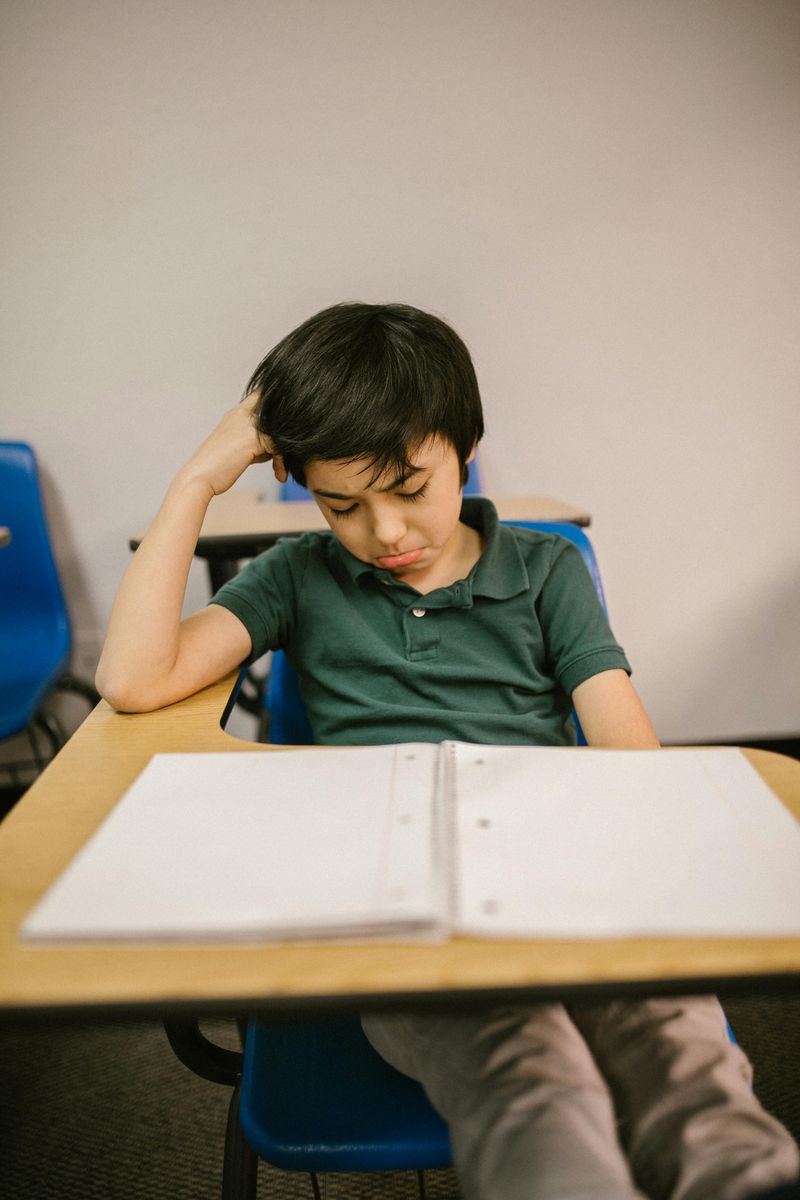
Anxiety and depression were dismissed as “just a phase” or “teenage drama.”
Parents told struggling kids to “snap out of it” or “stop being so sensitive” instead of recognizing real mental health needs.
Without support, many young people suffered in silence.
They learned that their feelings didn’t matter and that asking for help was weakness.
Mental health is just as important as physical health.
Brushing off emotional struggles can lead to worsening symptoms and even crisis situations.
Gen Z advocates loudly for therapy, medication when needed, and open conversations about mental wellness.
Acknowledging pain and getting professional help isn’t attention-seeking—it’s essential healthcare that every struggling child deserves access to.
8. Lack of Privacy and Boundaries

Bedroom doors couldn’t have locks.
Parents read diaries, listened to phone calls, and went through drawers whenever they wanted.
The attitude was simple: kids don’t deserve privacy until they move out.
Privacy isn’t about hiding bad behavior—it’s about developing independence and identity.
When parents invade every space, kids don’t learn to trust themselves or build healthy boundaries with others.
Respecting a child’s private space teaches them their thoughts and feelings matter.
It builds trust between parent and child rather than fear of being monitored constantly.
Reasonable privacy appropriate to age helps kids grow into secure adults who understand that boundaries are normal and healthy in all relationships.
9. Childhood Independence
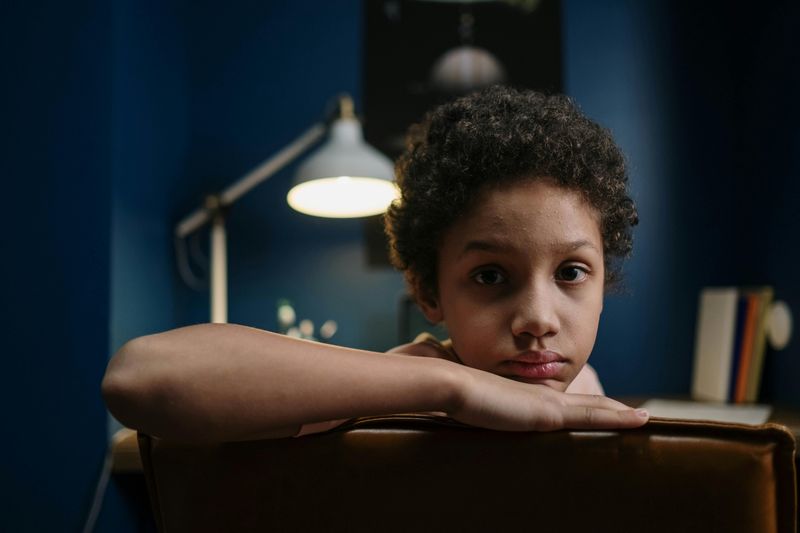
Latchkey kids let themselves into empty houses after school and stayed alone for hours.
Some Gen Xers and Millennials remember this as freedom, but others recall feeling scared and abandoned regularly.
Being home alone occasionally builds confidence, but too much too soon can feel overwhelming.
Kids need age-appropriate supervision and support, not to raise themselves.
The line between building independence and neglect depends on the child’s age, maturity, and how safe they feel.
Some children thrived with responsibility, while others needed more presence and guidance.
What one family saw as empowering independence, another child experienced as lonely isolation.
Context matters when looking back at how much kids were left to fend for themselves.
10. The Sink or Swim Education
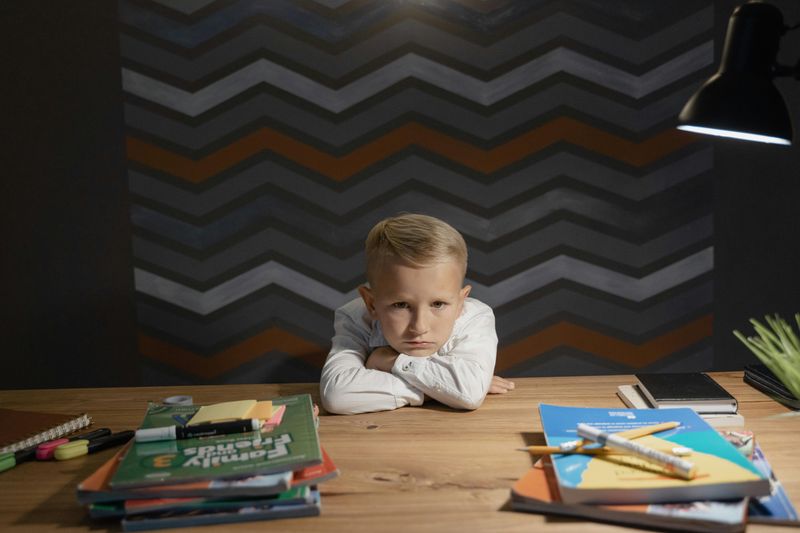
Homework help was rare.
If you didn’t understand math or struggled with reading, you were expected to figure it out yourself.
“I’m not doing your work for you” was the standard response to requests for help.
This approach assumed all kids learn the same way and that struggling meant you weren’t trying hard enough.
It missed learning disabilities, different learning styles, and the value of guidance.
Education works best when adults support children’s learning.
Helping with homework isn’t cheating—it’s teaching.
Kids who got zero support often internalized failure as personal weakness rather than recognizing they simply needed different teaching methods.
Academic struggles aren’t character flaws; they’re signals that a child needs different tools to succeed.
11. Parentification of Older Children
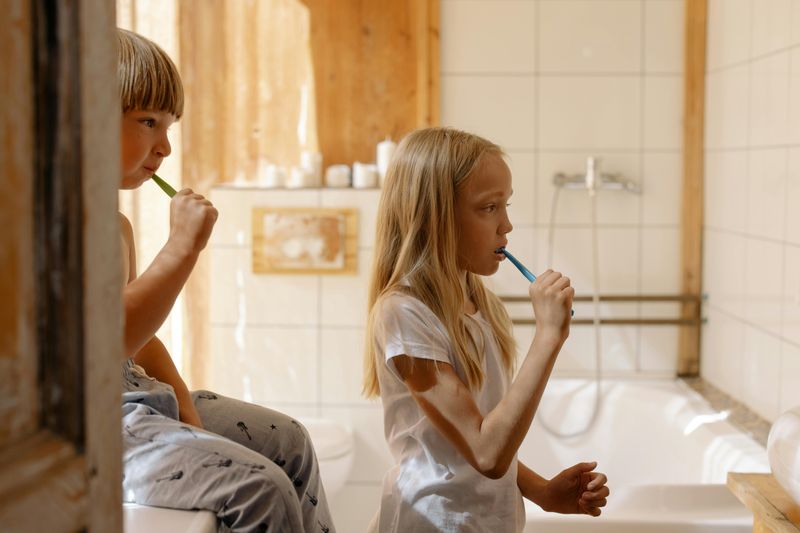
Being the oldest often meant becoming a third parent.
Cooking meals, watching younger siblings for hours, and even providing emotional support to stressed parents became daily responsibilities for kids who should have been focusing on their own childhood.
These children grew up too fast.
They missed out on play, friendships, and carefree time because adult duties fell on their shoulders before they were ready.
Helping with chores is reasonable, but full caregiving responsibility isn’t.
Parentification creates resentment, anxiety, and difficulty setting boundaries in adulthood.
Oldest children deserved to be kids too, not unpaid babysitters and household managers.
Every child needs the chance to simply be young without carrying adult-sized burdens.
12. Emotional Neglect & Suppression of Feelings

The phrase “Stop crying or I’ll give you something to cry about” was used to shut down emotions before they could be expressed.
Boys especially heard “man up” and “boys don’t cry,” while girls were called “dramatic” or “too sensitive.”
Emotions don’t disappear when you suppress them—they just go underground.
Kids learned to hide sadness, fear, and pain, growing into adults who struggle to identify or express feelings.
Emotional intelligence requires practice and permission.
When children learn that feelings are normal and talking about them is healthy, they develop better mental health and stronger relationships.
Crying isn’t weakness; it’s human.
Teaching kids to bury emotions creates adults who don’t know how to process stress or ask for support when life gets hard.
Comments
Loading…