
 Isabel Parker
12 Legit Reasons Why Women in Their 40s and 50s Feel Taken for Granted

Resentment in your 40s and 50s rarely shows up as dramatic blowups or slammed doors.
More often, it’s quiet, steady, and strangely practical, like the feeling you get when you realize you’ve been running the whole show for years and nobody even remembers who hired you.
Many women reach midlife with a lot to be proud of, but also with a growing sense that their energy, time, and care have been treated as an endless resource.
The tricky part is that the life they built may look “fine” from the outside, which makes the resentment feel hard to justify, even to themselves.
The truth is, this resentment is usually a signal, not a personality flaw.
It’s pointing to patterns that have been building for a long time—and it deserves to be named.
1. The invisible mental load is always on them

Even when everything appears to be “handled,” someone is usually the one tracking the details that keep a household functioning.
It’s the running list of what’s running out, which permission slip is due, when the dentist appointment needs to be made, and what birthday gift still hasn’t been ordered.
The mental load becomes exhausting because it doesn’t end when the physical tasks are done; it sits in the background like a browser with 25 tabs open, quietly draining energy all day.
Over time, resentment grows when this constant planning is treated as natural rather than labor, especially if others only notice what didn’t happen instead of what was prevented.
Many women aren’t angry about doing things; they’re angry about being the only one who remembers that things exist.
2. They’re the default caregiver (kids, partner, aging parents)

Midlife can feel like living in the middle of a sandwich, with needs coming from every direction and very little space to breathe.
Many women find themselves supporting teens or young adults while also coordinating care for parents, and somehow still being expected to anticipate what a partner needs emotionally and practically.
Caregiving can be meaningful, but it becomes corrosive when it’s assumed, unshared, or treated as a duty rather than a choice.
Resentment builds when help is offered only after burnout becomes obvious, or when everyone else’s emergencies automatically outrank her ongoing exhaustion.
The hardest part is that caregiving often looks like “love,” which makes it difficult to admit how depleted it can feel.
When you’re the default, you don’t just give care; you lose the right to be unavailable.
3. They’re expected to be “nice,” so they swallow frustration

A lot of women were taught early that being agreeable is safer than being honest, and that making others comfortable is part of being a “good” person.
That training doesn’t disappear in adulthood; it simply gets more complicated, especially when family roles, workplace expectations, and social pressure all reward politeness over truth.
Resentment can grow when a woman consistently edits herself, avoids direct conversations, and keeps the peace at her own expense, because those unspoken feelings don’t vanish—they stack up.
The frustration becomes quieter and sharper over time, showing up as irritability, withdrawal, or a numb sense of “why do I even bother?” The problem isn’t kindness; it’s kindness without boundaries.
When niceness becomes mandatory, it stops being a virtue and starts becoming a cage.
4. Emotional labor falls on them—keeping everyone okay

There’s a difference between caring about people and managing them, yet many women end up doing both without realizing how much energy it costs.
Emotional labor looks like noticing tension before it becomes conflict, smoothing conversations, remembering what triggers someone’s mood, and making sure everyone feels included.
It also looks like being the person everyone vents to, while rarely having a place to vent back.
Resentment grows when her emotional effort is treated as part of the background, like it’s just “how she is,” rather than something she actively provides.
Over time, she may start feeling less like a person and more like the household regulator, always calibrating the temperature so nobody else gets uncomfortable.
The irony is that the better she is at emotional labor, the more invisible it becomes, which makes the load feel even heavier.
5. Partners “help” instead of truly sharing responsibility
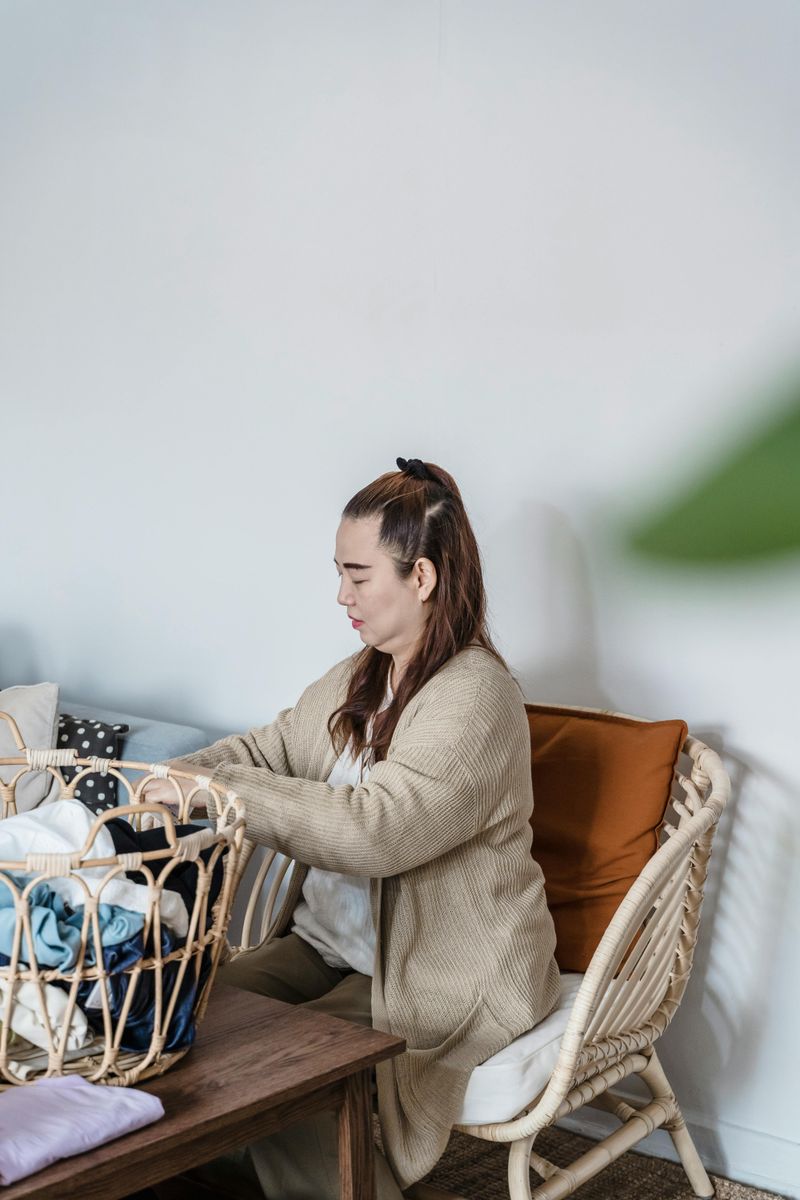
The word “help” sounds positive, but it can hide an unfair dynamic when one person is still treated as the default owner of everything.
In many relationships, women aren’t just doing tasks; they’re managing the tasks, which means delegating, reminding, checking, and absorbing the consequences when something doesn’t happen.
Resentment builds when a partner waits to be asked, treats basic household responsibilities like favors, or expects praise for doing what adults should already share.
Over time, this creates a manager-assistant vibe that doesn’t just drain energy—it undermines attraction and respect.
The emotional sting often comes from realizing that shared life isn’t actually shared; it’s simply supported.
A woman may not mind folding laundry, but she does mind feeling like the only one who sees the entire system and keeps it running.
That’s when “helping” starts to feel insulting.
6. Career sacrifices they made still haunt them

Many women made pragmatic choices in their 20s and 30s because someone had to, and stability often mattered more than ambition.
They took the flexible job, paused a degree, turned down travel, or stayed in a role that wouldn’t punish them for having a family life.
Those decisions can be wise, but resentment grows when the long-term cost becomes clear later, especially if the people who benefited most from those sacrifices don’t acknowledge them.
Midlife is also when women may feel the clock ticking on opportunities they once assumed they’d revisit, and the gap between “what I wanted” and “what I did” can get loud.
It’s not always jealousy of others; it’s grief over the version of themselves they had to shelve.
When someone says, “But you chose this,” it can feel like a slap, because choosing survival isn’t the same as choosing freedom.
7. Money dynamics feel unequal or quietly stressful

Financial resentment doesn’t always come from dramatic control or big betrayals; sometimes it’s the slow drip of inequality and unspoken pressure.
It can look like one person having more spending freedom, one person quietly covering the extras, or a household that runs smoothly only because she makes the budget work through constant restraint.
It can also show up when women feel behind due to years of under-earning, career pauses, or the way caregiving decisions affected their retirement savings.
Even in stable homes, resentment can build if financial decisions happen without true partnership, or if she’s expected to be grateful while also being responsible for making everything stretch.
Money stress is especially heavy in midlife because the stakes feel higher, and there’s less patience for pretending things will “work out.”
When finances feel unfair, it often isn’t about the dollars; it’s about respect, autonomy, and feeling like an equal adult in your own life.
8. Burnout is constant, but they’re expected to function normally

By midlife, many women have learned how to keep moving even when they’re running on fumes, which is exactly why their burnout gets ignored.
They show up, meet deadlines, keep family life afloat, and handle problems as they appear, all while feeling like they’re one small inconvenience away from collapsing.
Resentment grows when exhaustion is treated as a personal weakness rather than a predictable outcome of carrying too much for too long.
It gets worse when support only appears after a breaking point, because it teaches the cruel lesson that you have to fall apart to be taken seriously.
The expectation to function “normally” can also be internal, especially for women who pride themselves on competence and reliability.
Over time, burnout becomes a personality—tired, irritable, detached—because it’s easier to flatten yourself than to admit you need real change.
When rest is not built into your life, resentment is.
9. Being “the strong one” means being taken for granted

Strength is often praised, but it can quietly turn into a role that other people exploit without even meaning to.
When you’re the capable one, people assume you’ll handle it, figure it out, and keep going, which means you become the default solution to every problem.
Resentment builds when your competence becomes the reason nobody checks on you, or when your needs are treated as optional because you seem like you can cope.
Many women in midlife realize they’ve trained everyone around them to rely on their resilience, and now they’re stuck with the consequences of being too good at holding things together.
The anger isn’t always directed outward; sometimes it’s the painful recognition that they’ve abandoned themselves to maintain the image of strength.
Feeling taken for granted is often the emotional bill that comes due when you’ve been dependable for too long without being deeply supported in return.
10. Boundaries make them the villain, so they avoid setting them

For women who spent years being the peacekeeper, setting a boundary can feel like committing a crime.
The first time they say no, push back, or stop over-explaining, they may be met with guilt trips, surprise, or accusations that they’ve changed.
Resentment grows when people only like the version of you that is endlessly available, because it creates a trap: either you keep giving until you’re empty, or you protect yourself and get punished socially.
Midlife is often the stage where women finally want to reclaim time and energy, yet they’re still dealing with the consequences of earlier patterns that taught others what to expect.
Boundaries are not just about saying no; they’re about letting people experience disappointment without rescuing them from it.
When a woman avoids boundaries to avoid conflict, she usually ends up in constant internal conflict instead, which eventually turns into resentment that feels impossible to shake.
11. Their needs and dreams have been postponed for years

It’s hard to stay cheerful when you realize your own goals have been sitting on a shelf while you’ve been building everyone else’s life.
Many women in their 40s and 50s can name exactly what they used to want—travel, education, creative work, health routines, a more vibrant social life—but they also know how many times those plans were delayed for “more urgent” responsibilities.
The resentment isn’t always about missing out; it’s about the pattern of always being the one who adjusts.
Midlife can also bring a sharper awareness of time, which makes postponement feel less like patience and more like loss.
When people around her assume she’s content because she’s quiet, it deepens the feeling that her inner life doesn’t matter.
Dreams don’t disappear; they just wait, and when they’ve been waiting too long, they start showing up as bitterness, restlessness, and the aching sense that her life belongs to everyone but her.
12. They’re tired of always being the planner, fixer, and glue
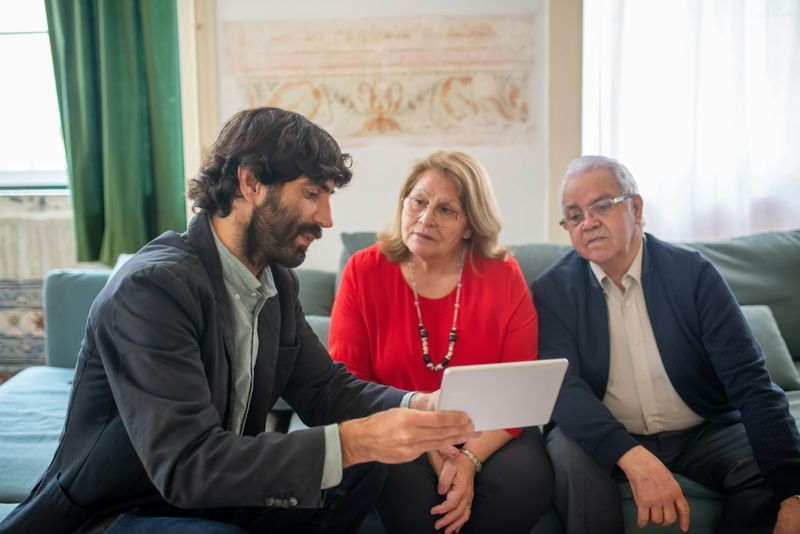
Being the person who holds everything together sounds noble, until you realize it means you’re the one who rarely gets held.
Many women have spent decades coordinating holidays, smoothing conflicts, remembering details, and stepping in whenever something falls apart.
The exhaustion isn’t just physical; it’s the constant responsibility of being the one who anticipates problems and prevents them, often without anyone noticing the effort involved.
Resentment grows when others get to show up and enjoy the outcome while she’s stuck managing the process, because the role becomes less like partnership and more like unpaid leadership.
Over time, she may stop speaking up because it feels pointless, then quietly seethe when nobody offers to step up.
The most painful part is realizing that if she disappeared for a week, the whole system would wobble, not because she’s controlling, but because she’s been compensating for everyone else’s absence.
That’s not love; that’s load-bearing.
Comments
Loading…